How to Compost Kitchen Scraps the Right Way invites you into the rewarding world of sustainable living, where even the smallest kitchen scraps can contribute to a healthier planet. Composting transforms organic waste into a valuable resource, enriching our soil while reducing landfill burdens. Through this guide, we will explore the essential aspects of composting, providing you with the knowledge to turn your kitchen leftovers into nutrient-rich compost.
From understanding the basics of composting to identifying suitable kitchen scraps, creating your compost bin, and troubleshooting common issues, this comprehensive overview will equip you with the tools needed for successful composting. The process not only benefits your garden by enhancing soil quality but also plays a significant role in promoting environmental sustainability.
Understanding Composting Basics
Composting is a natural process that transforms organic waste into a nutrient-rich soil amendment known as compost. This sustainable practice not only reduces waste but also enriches the soil, promotes plant growth, and supports environmental health. By understanding the basics of composting, individuals can contribute to a greener planet while minimizing their ecological footprint.Composting involves the decomposition of organic materials through the action of microorganisms, fungi, and other decomposers.
The process occurs in several stages: initial aerobic decomposition, where microorganisms break down the materials in the presence of oxygen; thermophilic stage, characterized by high temperatures that kill pathogens and weed seeds; and finally, the curing stage, during which compost matures and stabilizes. This transformation can take anywhere from a few weeks to several months, depending on various factors such as temperature, moisture, and the materials used.
Essential Materials for Effective Composting
To create a successful compost pile, it is essential to know the types of materials that can be used. Compost can be made from a variety of kitchen and garden waste, ensuring a balanced mix of ‘greens’ (nitrogen-rich materials) and ‘browns’ (carbon-rich materials). The following materials are key components in effective composting:
- Greens: These materials are high in nitrogen and include kitchen scraps like fruit and vegetable peels, coffee grounds, and grass clippings.
- Browns: These carbon-rich materials include dry leaves, cardboard, paper, and straw. They help aerate the compost and balance moisture.
- Water: Adequate moisture is crucial for the composting process. The ideal compost should be as damp as a wrung-out sponge.
- Oxygen: Aeration is vital for the growth of aerobic microorganisms, ensuring that decomposition occurs efficiently.
In addition to the primary materials, certain items should be avoided in composting due to their potential negative effects on the composting process or the environment. These include:
- Meat, fish, and dairy products, which can attract pests.
- Oils and fats, which can create an anaerobic environment and emit odors.
- Diseased plants or weeds with mature seeds, which may contaminate the compost.
“Composting not only diverts waste from landfills but also replenishes the earth by returning organic matter to the soil.”
Understanding these fundamental aspects of composting enables individuals to create a productive compost system that benefits both their gardens and the environment.
Identifying Kitchen Scraps for Composting
Compiling kitchen scraps for composting is an essential practice that not only reduces waste but also enriches the soil in gardens and landscapes. Understanding which scraps are suitable for composting enhances the efficiency and effectiveness of the composting process. This section Artikels the types of kitchen scraps that can be composted as well as those that should be excluded from your compost bin.
Kitchen Scraps Suitable for Composting
A variety of kitchen scraps can contribute positively to your compost pile, providing essential nutrients for the microorganisms that break down organic material. The following categories of scraps are ideal for composting:
- Fruits: Items such as apple cores, banana peels, orange rinds, and overripe berries are excellent sources of nitrogen and moisture.
- Vegetables: Vegetable scraps, including carrot tops, potato peels, and wilted greens, are beneficial as they add carbon and nitrogen to the compost.
- Coffee Grounds: Used coffee grounds are rich in nitrogen and can help improve the structure of the compost while attracting worms.
- Eggshells: Crushed eggshells provide calcium, which is vital for plant growth and helps balance acidity in the compost.
Kitchen Scraps to Avoid in Compost Bins
While many kitchen scraps are suitable for composting, some items can hinder the composting process or attract pests. It is important to be aware of the following kitchen scraps that should be avoided:
- Dairy Products: Items like milk, cheese, and yogurt may produce unpleasant odors and attract pests such as rodents.
- Meat and Fish: These scraps can decompose improperly and lead to odors and infestations while also attracting unwanted animals.
- Oils and Fats: Cooking oils can coat compost materials and inhibit decomposition by blocking airflow.
- Processed Foods: Foods containing preservatives and additives may not break down effectively and can disrupt the microbial balance.
Preparing Kitchen Scraps for Composting
Properly preparing kitchen scraps before adding them to the compost pile is crucial for facilitating decomposition. The following practices will enhance the efficiency of the composting process:
- Chop Larger Scraps: Cutting fruits and vegetables into smaller pieces increases surface area, allowing microorganisms to break them down more efficiently.
- Avoid Excess Moisture: Drain any excess liquids from food scraps to prevent the compost pile from becoming too wet, which can cause odor issues.
- Balance Green and Brown Materials: Aim for a balanced mixture of nitrogen-rich (green) materials, such as kitchen scraps, and carbon-rich (brown) materials, like dry leaves and cardboard, to create an optimal compost environment.
- Mix Often: Regularly mixing kitchen scraps into the compost pile ensures uniform decomposition and helps aerate the pile for better microbial activity.
Creating a Compost Bin
Establishing a compost bin is a fundamental step in the composting process. A well-constructed compost bin not only facilitates the decomposition of organic materials but also helps manage odors and pests effectively. This section explores various types of compost bins, their features, the comparison between homemade and store-bought options, and offers a straightforward guide to constructing a simple compost bin using readily available household materials.
Types of Compost Bins
There are several types of compost bins available, each tailored to different composting needs and preferences. Understanding the distinctions can aid in selecting the most suitable option for your composting endeavors.
- Open-Air Bins: These are simple, often homemade structures that allow for easy aeration and access. They can be made from wooden pallets or wire mesh. While they are cost-effective, they may attract pests and can be less aesthetically pleasing.
- Enclosed Bins: These bins are designed to contain compost materials and typically feature a lid. They help maintain moisture and temperature, which is beneficial for the composting process. However, they may require more effort to turn the compost.
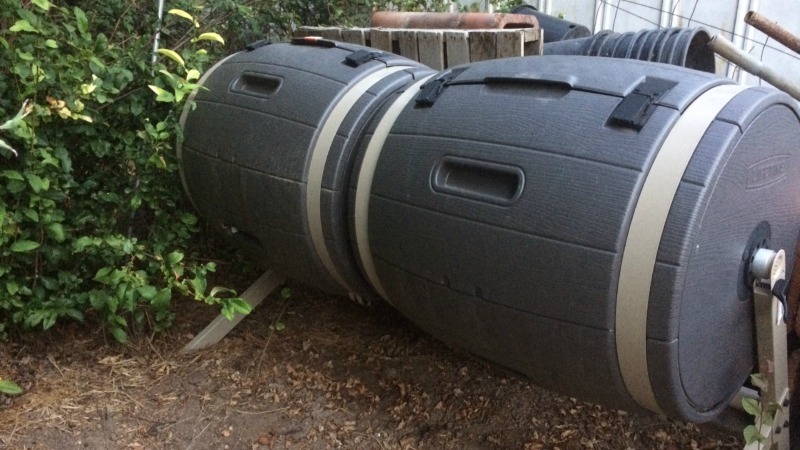
- Tumbler Bins: These bins are elevated and can be rotated easily, providing excellent aeration and mixing of materials. They are also effective in controlling odors but can be more expensive and require a bit more physical effort to operate.
Comparison of Homemade and Store-Bought Compost Bins
When deciding between homemade and store-bought compost bins, it is important to consider the advantages and disadvantages of each.
- Homemade Compost Bins: Building your own compost bin allows for customization in size and design. They can be constructed from recycled materials, making them environmentally friendly and cost-effective. However, homemade bins may lack the durability of commercial options and may require regular maintenance.
- Store-Bought Compost Bins: These bins come in various sizes and designs, often featuring advanced aeration systems and pest-resistant materials. They are generally easier to use and require less assembly. The downside is the financial cost, which can be higher than that of homemade alternatives.
Steps for Constructing a Simple Compost Bin
Building a compost bin at home using household materials is a rewarding project that promotes sustainable living. Below is a step-by-step guide to creating a simple compost bin.
- Gather Materials: Collect wooden pallets, wire mesh, or any sturdy materials you have at hand. Ensure that the materials are untreated to avoid chemicals leaching into the compost.
- Select a Location: Choose a dry, shaded spot in your yard that has good air circulation. This will help maintain moisture levels and promote decomposition.
- Construct the Frame: If using wooden pallets, arrange them in a square or rectangular shape, securing them with nails or screws. For a wire mesh bin, create a circular shape and fasten the ends together.
- Add a Lid: Optional but recommended, a lid made from wood or tarp helps keep moisture in and pests out.
- Fill the Bin: Start adding kitchen scraps and yard waste, ensuring a balance of green materials (nitrogen-rich) and brown materials (carbon-rich) to optimize the composting process.
- Turn the Compost: Regularly mix the contents to aerate them, which speeds up decomposition and reduces odors.
Maintaining Your Compost
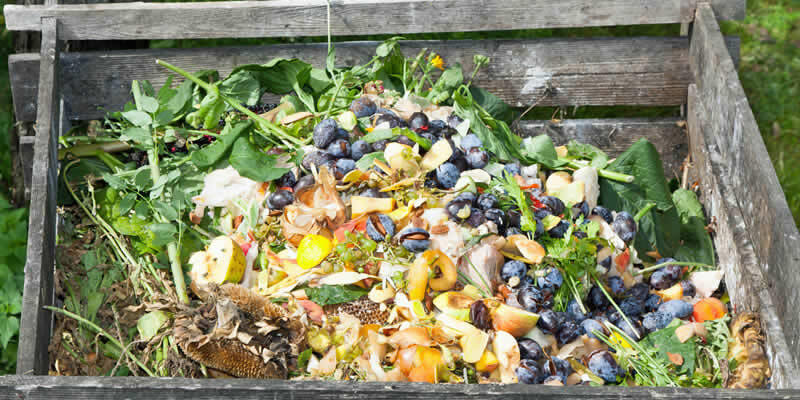
Proper maintenance of your compost is crucial for effective decomposition and the production of nutrient-rich compost. Regular monitoring of conditions within the compost pile, such as moisture and aeration, helps ensure that the composting process proceeds efficiently. Understanding how to maintain these factors will enhance your composting experience and yield better results for your garden or landscape.
Monitoring Moisture Levels
Maintaining the appropriate moisture levels in your compost pile is essential for the breakdown of organic materials. Too much moisture can lead to anaerobic conditions, resulting in odors and a slow decomposition process, while too little moisture can hinder microbial activity.To monitor moisture levels effectively, consider the following methods:
- Using a moisture meter: This device can provide accurate readings of the moisture content within the compost pile.
- The squeeze test: Take a handful of compost and squeeze it tightly. If water drips from your hand, the pile is too wet. If it crumbles, it is too dry. Ideally, the compost should feel like a damp sponge.
- Visual inspection: Observe the compost pile for any signs of excessive wetness, such as puddles or a slimy texture, which indicate over-saturation.
Aeration of Compost
Aeration is vital in composting as it promotes the activity of aerobic microorganisms that help break down organic material. Proper aeration also prevents foul odors associated with anaerobic decomposition.To aerate your compost effectively, consider implementing the following methods:
- Turning the compost: Regularly turning the pile with a pitchfork or compost aerator allows for fresh air to circulate and helps achieve even decomposition.
- Using a compost aerator tool: These tools can create air pockets within the pile without disturbing it too much, allowing for improved airflow.
- Layering materials: When adding new kitchen scraps or yard waste, layer them with dry materials like leaves or straw to enhance airflow.
Turning the Compost
Turning the compost is an essential practice that encourages efficient decomposition by redistributing materials and introducing fresh air. The frequency of turning can significantly impact how quickly the compost breaks down.Recommended practices for turning compost include:
- Turning every 1-2 weeks: This frequency is ideal for maintaining aerobic conditions and promoting faster decomposition.
- Monitoring temperature: If the compost pile reaches temperatures above 130°F (54°C), turning it can help cool it down and aerate the material.
- Observing the moisture and texture: Adjust the turning schedule based on the compost’s moisture levels and consistency; wetter piles may require more frequent turning to aerate and dry out.
Troubleshooting Common Composting Issues
Composting is a rewarding process that can sometimes present challenges. Understanding common issues can help you address them effectively, ensuring that your compost remains healthy and productive. This section explores frequent problems encountered in composting, along with practical solutions to enhance your composting experience.
Identifying Common Problems in Composting
Despite following best practices, composters may encounter several issues. Recognizing these problems is the first step towards effective remediation. Common problems include:
- Bad Odors: A strong, unpleasant smell often indicates that the compost is too wet, lacks sufficient aeration, or has an imbalance in carbon and nitrogen.
- Slow Decomposition: This can occur due to insufficient nitrogen, lack of moisture, or the presence of large, bulky materials that hinder breakdown.
- Pests or Unwanted Animals: A compost bin can attract pests such as rodents or insects if food scraps are not properly managed.
Solutions to Fix Issues Related to Pests or Unwanted Animals
To deter pests and unwanted animals, it is crucial to implement several strategies that create an inhospitable environment for these intruders. Consider the following solutions:
- Secure Compost Bins: Use bins with tight-fitting lids that prevent animals from accessing the contents.
- Avoid Adding Meat and Dairy: These items are particularly attractive to pests and should be excluded from your compost.
- Incorporate Strong Aromatic Plants: Planting herbs like mint or using garlic can deter pests due to their strong scents.
Balancing the Carbon-to-Nitrogen Ratio
A balanced carbon-to-nitrogen (C:N) ratio is essential for efficient composting. The ideal ratio ranges from 25:1 to 30:1, with carbon-rich materials (browns) providing energy and nitrogen-rich materials (greens) supplying protein for microorganisms. To achieve balance, consider the following tips:
- Layering Materials: Alternate between layers of brown materials (e.g., dried leaves, straw) and green materials (e.g., vegetable scraps, grass clippings).
- Monitor Moisture Levels: Keep the compost slightly damp, as excess moisture can lead to anaerobic conditions, while insufficient moisture can slow down decomposition.
- Use Compost Calculators: Online tools can help evaluate your materials to determine their C:N ratio, ensuring a balanced mix.
Maintaining a proper carbon-to-nitrogen ratio is vital for creating rich, aerated, and odor-free compost.
Using Finished Compost
Compost is a vital resource for enhancing soil quality and promoting plant health in your garden. Knowing when your compost is ready for use can significantly affect the success of your gardening efforts. This section will discuss how to recognize finished compost, its various applications, and a guide for incorporating it into different types of plants and gardens.To determine when your compost is ready for use, look for several key characteristics.
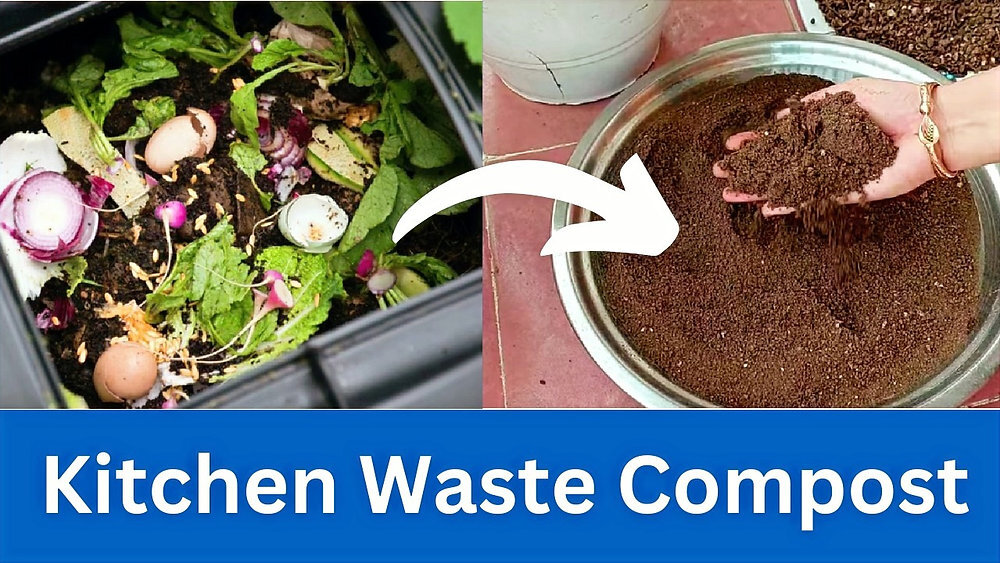
Finished compost should be dark brown or black in color, crumbly in texture, and possess a pleasant, earthy smell. The original materials should be unrecognizable, indicating that they have broken down sufficiently.
Applications for Finished Compost
Finished compost serves multiple purposes in gardening, enhancing both soil structure and plant growth. Here are some beneficial applications:
- Soil Amendment: Incorporating compost into garden soil enriches it with organic matter, improves moisture retention, provides essential nutrients, and fosters beneficial microbial activity. This is particularly advantageous for sandy or clay-rich soils.
- Mulch: A layer of finished compost can be applied on the soil surface to suppress weeds, retain moisture, and regulate soil temperature, contributing to healthier plant growth.
- Potting Mix: Compost can be mixed with potting soil to create a nutrient-rich medium for container gardening, promoting optimal growth for potted plants.
- Seed Starting: When blended with vermiculite or perlite, compost can provide an excellent medium for starting seeds, offering nutrients as they germinate.
Incorporating compost into your garden requires understanding the specific needs of different plants and garden types. The following guide Artikels how to apply compost effectively:
Guide for Incorporating Compost into Various Types of Plants and Gardens
Using compost effectively varies based on the type of gardening you are engaged in. Here’s a breakdown:
- Vegetable Gardens: Mix compost into the soil before planting to enhance nutrient availability. A ratio of 1 part compost to 3 parts soil is ideal for most vegetables.
- Flower Gardens: Apply a 1-2 inch layer of compost as mulch around flower beds to suppress weeds and retain moisture while providing nutrients throughout the growing season.
- Fruit Trees: Create a compost ring around the base of the tree, extending to the drip line. This promotes nutrient uptake while also retaining soil moisture.
- Lawns: Spread a thin layer (about ¼ inch) of compost over your lawn to improve soil health and enhance grass growth without smothering it.
“Incorporating compost into your gardening practices not only enriches the soil but also fosters a sustainable ecosystem, promoting biodiversity and reducing the need for chemical fertilizers.”
Utilizing finished compost is an excellent way to ensure your garden thrives while contributing to environmental sustainability. By recognizing its readiness, applying it correctly, and understanding its versatile applications, you will support healthy plant growth and enriched soil ecosystems.
Advanced Composting Techniques
As you delve deeper into the world of composting, you may seek more sophisticated methods that enhance efficiency and diversify the types of waste you can compost. Advanced composting techniques such as vermicomposting and bokashi composting offer innovative solutions that cater to various needs, providing an excellent way to manage organic waste while enriching your garden’s soil. Understanding these methods not only expands your composting repertoire but also improves the overall health of your garden ecosystem.
Vermicomposting
Vermicomposting utilizes specific types of worms, most notably the red wiggler, to break down organic matter. This technique is particularly effective for kitchen scraps, making it an excellent choice for indoor composting in smaller spaces. The worms convert food waste into nutrient-rich vermicompost, which is a potent soil amendment.The benefits of vermicomposting include:
- Space Efficiency: Requires minimal space, making it ideal for urban gardening.
- Speed: Worms can accelerate the decomposition process, allowing for quicker results.
- High Nutrient Content: The resulting compost is rich in nutrients and beneficial microbes.
However, there are challenges associated with this method:
- Temperature Sensitivity: Worms thrive in specific temperature ranges; extreme heat or cold can harm them.
- Moisture Control: Maintaining proper moisture levels is crucial to avoid worm death or slow decomposition.
- Feeding Limitations: Certain foods like citrus or oily substances should be avoided as they can be harmful to worms.
Bokashi Composting
Bokashi composting is a fermentation-based method that uses a mixture of microorganisms to break down organic waste. This process is different from traditional composting as it allows for the inclusion of meat, dairy, and cooked foods, which are typically excluded from other composting methods.The advantages of bokashi composting are as follows:
- Diverse Waste Processing: Capable of composting almost any kitchen waste, including animal products.
- Odor Reduction: The anaerobic process minimizes unpleasant smells associated with decomposition.
- Quick Processing: The fermentation process is rapid, leading to finished compost in a shorter timeframe.
Nonetheless, there are some challenges to consider:
- Initial Setup: Requires specific materials like bokashi bran, which may not be readily available everywhere.
- Fermentation Time: While the process is quick, finished bokashi must be buried for additional decomposition before it can be used as compost.
- Space Requirements: Requires space for the fermentation bucket, which can limit its use in small homes.
Resources for Further Learning
To enhance your understanding and application of advanced composting techniques, a variety of resources are available. Books, online courses, and community workshops can provide valuable insights and practical tips.Recommended resources include:
- Books: “Worms Eat My Garbage” by Mary Appelhof, and “Bokashi Composting” by Adam Footer offer in-depth knowledge on vermicomposting and bokashi composting, respectively.
- Online Courses: Websites such as Coursera and Udemy offer specialized courses on composting techniques.
- Local Workshops: Community gardening organizations often host workshops that cover advanced composting methods, providing hands-on experience.
Closing Notes
In conclusion, mastering the art of composting kitchen scraps opens up a world of environmental benefits and gardening opportunities. By understanding the composting process and applying the techniques discussed, you can create a thriving compost system that enriches your plants and supports a sustainable lifestyle. Embrace the challenge of composting and enjoy the satisfying results of your efforts as you contribute positively to the environment.