How to Build a Simple DIY Compost Bin from Pallets invites you to explore the rewarding and sustainable practice of composting. This guide highlights the significance of compost bins in waste management and the advantages of using pallets, a readily available resource. With composting’s rising popularity, understanding its environmental benefits can inspire individuals to transform organic waste into nutritious soil while reducing landfill contributions.
By utilizing pallets for your compost bin, you not only engage in eco-friendly practices but also embrace a cost-effective solution for waste reduction. This comprehensive guide will walk you through the materials, tools, and step-by-step processes necessary for constructing a functional and efficient compost bin, allowing you to reap the benefits of homemade compost for your garden.
Introduction to DIY Compost Bins
A compost bin is a designated container for composting organic waste. It serves as an essential tool in sustainable waste management by facilitating the decomposition of organic materials, such as kitchen scraps and yard waste, into nutrient-rich compost. This process not only reduces landfill waste but also enriches the soil, promoting healthier plant growth. The adoption of compost bins has gained traction as environmental awareness has increased, making them a practical solution for households and communities aiming to minimize their ecological footprint.Using pallets for building a compost bin offers several advantages.
Pallets are often readily available, cost-effective, and can be easily assembled into a sturdy structure. Additionally, the slatted design of pallets allows for proper aeration and drainage, which are critical factors in the composting process. The ability to repurpose materials like pallets also aligns with sustainable practices, further emphasizing the environmental benefits of creating a DIY compost bin.Statistics reveal the significant impact of composting on waste reduction and the environment.
According to the U.S. Environmental Protection Agency (EPA), food and yard waste accounted for approximately 30% of the waste stream in 2018. Composting these materials can divert millions of tons from landfills, reducing methane emissions—a greenhouse gas that is 25 times more potent than carbon dioxide over a 100-year period. Moreover, composting enriches soil health, promotes biodiversity, and can reduce the need for chemical fertilizers, contributing to a more sustainable agricultural system.
Benefits of Using Pallets for Compost Bins
Constructing a compost bin from pallets is advantageous for several reasons, particularly for those looking for an eco-friendly and cost-effective option. The following points highlight the key benefits of using pallets:
- Cost Efficiency: Pallets are often available for free or at a low cost, making them an economical choice for building a compost bin.
- Ease of Assembly: Pallets can be easily disassembled and reconfigured, allowing for a quick and straightforward setup process.
- Durability: Made from sturdy wood, pallets can withstand the elements and provide a long-lasting structure for composting activities.
- Airflow and Drainage: The open slats in pallets facilitate airflow, essential for aerobic decomposition, and help prevent waterlogging.
- Repurposing Materials: Using pallets promotes recycling and reduces waste, aligning with sustainable living practices.
In summary, the use of pallets for compost bins not only supports effective composting but also encourages sustainable habits by reusing materials that might otherwise go to waste. This approach is an excellent way to engage in environmentally responsible practices while cultivating nutrient-rich soil for gardening and landscaping.
Materials Needed for Building a Compost Bin

Building a compost bin from pallets is an environmentally friendly project that not only benefits your garden but also contributes to waste reduction. To successfully create your compost bin, specific materials are required that ensure durability and functionality. This section Artikels the essential materials, including suitable pallet types, additional components, and safety equipment necessary during the construction process.
Types of Pallets Suitable for Compost Bins
Selecting the right pallets is crucial for a sturdy and efficient compost bin. The following points provide insight into suitable pallet types and their sources:
- Wooden Pallets: Most commonly used for compost bins, wooden pallets are durable and easy to work with. Look for pallets made from untreated wood to avoid chemical contamination.
- Plastic Pallets: Although less common, these can be used as they are weather-resistant and can withstand the elements. Ensure they are food-grade if you intend to use them for composting food waste.
- Metal Pallets: More robust but less common, metal pallets can be utilized if you desire a long-lasting solution. Ensure that there are no rust or sharp edges that could cause injury.
Pallets can usually be sourced from various locations, such as warehouses, shipping companies, or local retailers. It is advisable to check for quality and any visible damage before procurement.
Additional Materials Required
Beyond pallets, several additional materials are necessary to construct a compost bin effectively. These components facilitate assembly and enhance the overall structure:
- Nails and Screws: Use galvanized nails or screws to prevent rusting and ensure a strong bond between pallets.
- Hinges: If constructing a lid or access door, durable hinges will be required for smooth operation.
- Wire Mesh: Adding wire mesh can help keep pests out while allowing airflow in the compost bin.
- Wooden Stakes: To reinforce the structure, stakes may be used to create stability at the corners.
These materials not only ensure the longevity of your compost bin but also enhance its efficiency in breaking down organic waste.
Safety Equipment Recommendations
When handling pallets and other construction materials, ensuring personal safety is paramount. The following safety equipment is recommended:
- Gloves: Thick, durable gloves protect your hands from splinters and sharp edges.
- Safety Glasses: These prevent eye injuries from flying debris or dust during cutting or hammering.
- Dust Mask: Wearing a mask can protect against inhaling dust or particulates, especially when working with old pallets.
- Closed-Toe Shoes: Sturdy footwear is essential to protect your feet from heavy materials or tools.
Utilizing the appropriate safety equipment not only safeguards your health but also ensures a smooth and efficient building process.
Tools Required for Construction
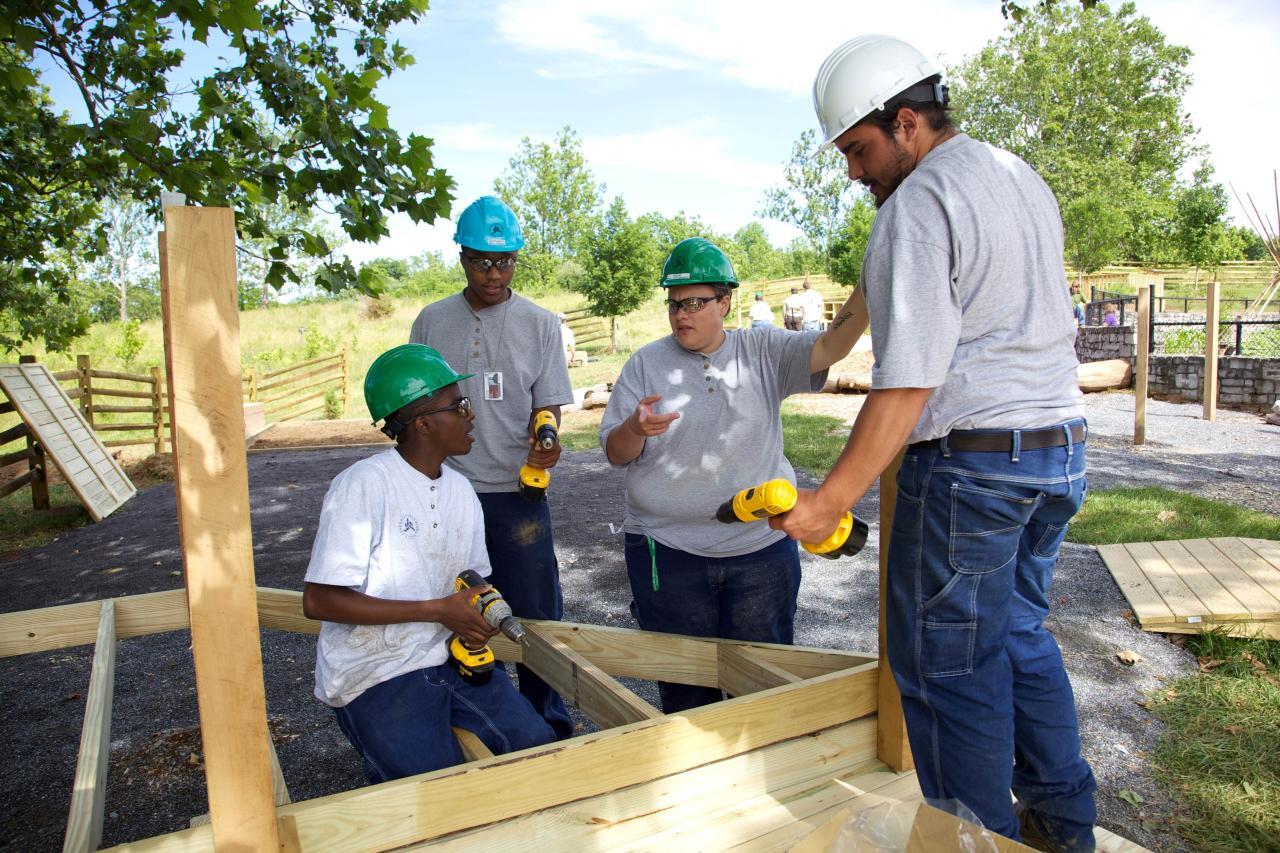
Constructing a compost bin from pallets requires specific tools to ensure the process is safe, efficient, and effective. Using the right tools not only facilitates a smoother construction experience but also enhances the overall quality and durability of the compost bin. Below are essential tools you will need, along with guidance on their proper use.
Essential Tools for Construction
The following tools are fundamental for building your compost bin from pallets. Each tool serves a particular purpose, contributing to a streamlined construction process.
- Measuring Tape: A measuring tape is essential for ensuring that pieces are cut to the correct size. Accurate measurements are vital to achieve a balanced structure.
- Circular Saw: A circular saw will allow you to cut the pallets down to the appropriate dimensions. Always ensure you are wearing protective eyewear when using this tool.
- Hammer: A hammer is used to drive nails or staples into the pallets for assembly. Opt for a claw hammer for added versatility, as it can help remove nails if needed.
- Nails or Screws: These fasteners are necessary to hold the pallets together. Use wood screws for a stronger hold and ease of disassembly in the future.
- Drill: A power drill can be used to pre-drill holes for screws, which helps prevent the wood from splitting. This tool can also be used for driving screws into the pallets.
Usage Tips for Safety and Efficiency
Using tools safely is of utmost importance during construction. Here are some tips to help ensure both safety and efficiency:
- Always wear appropriate safety gear, such as gloves and goggles, to protect against sharp edges and flying debris.
- Read the user manual for any power tools before use. Familiarize yourself with their operation to prevent accidents.
- Maintain a clean workspace to avoid tripping hazards and facilitate easy access to tools and materials.
- Ensure that the electrical cords of power tools are in good condition, avoiding any fraying or damage that could lead to electrical shocks.
Optional Tools to Ease the Building Process
While the essential tools listed above are sufficient for construction, you may consider the following optional tools to make the process more manageable:
- Level: A level will help ensure that your compost bin is even, which is important for proper airflow and drainage.
- Workbench: A sturdy workbench provides a stable surface for cutting and assembling pallets, enhancing precision and safety.
- Impact Driver: An impact driver makes driving screws faster and easier, particularly if you are working with thicker pallets.
- Pry Bar: If you need to disassemble pallets, a pry bar can be invaluable for removing boards without causing damage.
Step-by-Step Guide to Building the Compost Bin

Building a compost bin from pallets is a straightforward project that not only provides an eco-friendly solution for waste management but also enriches your garden soil. This guide Artikels the essential steps for disassembling pallets and assembling your compost bin structure, ensuring that you can create a sturdy and functional composting system.
Disassembling the Pallets
Before assembling your compost bin, it is necessary to disassemble the pallets carefully to obtain usable wood pieces. Proper disassembly will retain the integrity of the wood and prevent damage.To disassemble the pallets, follow these steps:
1. Gather Necessary Tools
Ensure you have a pry bar, hammer, and safety gloves. These tools will help you safely remove the planks without causing injury.
2. Inspect the Pallet
Identify the nails or staples holding the pallet together. This will allow you to strategize your disassembly process effectively.
3. Remove the Top Boards
Start by using the pry bar to lift the top boards. Insert the pry bar beneath the board and gently apply pressure to free it from the nails. If the nails are stubborn, gently tap the pry bar with a hammer to release the board.
4. Detach the Bottom Boards
Once the top boards are removed, proceed to the bottom boards in the same manner. Take care to minimize damage, as you will want these boards to be as intact as possible for the compost bin construction.
5. Clean Up and Sort
After disassembling the pallets, sort the wooden pieces into piles of similar lengths and sizes. This organization will simplify the assembly process.
Assembling the Compost Bin Structure
The assembly of your compost bin involves arranging the disassembled pallet boards into a sturdy structure. The following steps will guide you through the process:
1. Choose a Location
Select a flat area in your yard that has good drainage and is easily accessible. This location should ideally receive some sunlight for effective composting.
2. Lay the Base
Position two of the longest pallet boards parallel to each other to form the base of the compost bin. Ensure they are spaced apart to allow for airflow.
3. Build the Sides
Take the remaining pallet boards and attach them vertically to the base boards using screws. This will form the sides of the compost bin. Ensure they are firmly secured and evenly spaced.
4. Create the Back Wall
For stability, add an additional pallet board to create the back wall. This wall will help retain the compost materials and promote effective aeration.
5. Add a Front Panel
You may choose to create a front panel that allows for easy access. Use a hinge to attach a pallet board to the front of the bin, allowing it to swing open.
6. Secure the Structure
Use screws or nails to reinforce the joints where the pallets meet. This step is crucial for ensuring the compost bin can withstand the weight of the compost and the elements.
Securing the Pallets Together Effectively
For a durable and stable compost bin, it is important to secure the pallets properly. Here are some effective tips for ensuring your structure remains intact:
Use Weather-Resistant Screws
Opt for galvanized or stainless-steel screws to prevent rusting over time, especially when exposed to moisture.
Reinforce Corners with Brackets
Add L-brackets at the corners of the compost bin for additional strength. This will prevent the pallets from shifting or collapsing.
Check for Stability
Once assembled, gently shake the compost bin to ensure it is sturdy. If movement is detected, add more screws or brackets as needed.
Seal Gaps
Inspect the bin for any gaps between the pallets. Fill these gaps with additional planks or wood strips to keep pests out and retain moisture inside.
Designing Your Compost Bin
Designing a compost bin that is both efficient and user-friendly is crucial to successful composting. Adequate aeration and accessibility are key factors to consider, as they directly impact the decomposition process. A well-designed compost bin will not only facilitate faster breakdown of organic materials but also make it easier for users to manage the composting process throughout its lifecycle.
To ensure optimal aeration and accessibility, certain design elements should be prioritized. The bin should allow for sufficient airflow while providing easy access for adding materials and turning the compost. Additionally, the size and shape of the bin significantly influence composting efficiency, as larger bins may retain heat better but can also require more effort to manage.
Optimal Aeration and Accessibility
Good airflow is essential for productive composting, as it supports aerobic bacteria that break down organic matter effectively. When designing your compost bin, consider the following aspects:
Ventilation
Incorporate slatted sides or ventilated panels made from pallets to allow air circulation without pests entering the bin. This enhances aerobic activity and speeds up decomposition.
Access Points
Design the compost bin with clear access points, such as hinged doors or removable panels, to facilitate easy addition of materials and turning the compost. This reduces the effort required to manage the compost and encourages regular maintenance.
Height and Depth
Maintain a height of at least 3 feet to create adequate heat retention, which is important for effective composting. However, ensure that the bin is not excessively deep, as this may hinder access and aeration.
Size and Shape Considerations
The dimensions and configuration of your compost bin play a vital role in its efficiency. The following guidelines will help in determining the appropriate size and shape:
Volume
A compost bin should ideally have a volume of at least 1 cubic yard to create and maintain heat. A size smaller than this may lead to inadequate decomposition.
Shape
Rectangular bins provide a larger surface area for stacking materials, promoting better airflow and heat distribution. Circular or cylindrical designs can also work well, facilitating easier turning of the compost.
Scale
Consider the amount of organic waste produced in your household. If you produce a significant volume of compostable materials, a larger bin or multiple bins may be required to accommodate the input.
Layout Ideas for Pallet Compost Bins
Constructing a compost bin from pallets allows for creative design flexibility. Here are several layout ideas that can enhance functionality while maintaining an aesthetically pleasing look:
Open-Pallet Design
Utilize four pallets secured into a square or rectangular frame. This design allows for easy access from all sides and encourages airflow while being simple to construct.
Tiered Compost Bin
Stack pallets vertically to create a tiered system. This design not only saves space but also allows for different composting stages—fresh waste on top and well-decomposed material at the bottom.
L-Shaped Bin
An L-shaped configuration can effectively use corner spaces in your yard. This design can be adapted to include a removable front panel for easy access.
Enclosed Pallet Bin
For a more contained system, use pallets to create walls with a solid bottom, adding a hinged lid to keep pests out while still allowing ventilation.
Incorporating these design elements into your compost bin will create an efficient, accessible, and aesthetically pleasing solution for managing organic waste. As a result, you will not only contribute to sustainability but also produce rich compost for your garden.
Maintenance and Management of Your Compost Bin
Maintaining a compost bin is essential for achieving high-quality compost while preventing unpleasant odors and pest issues. Regularly managing your compost ensures that the materials break down efficiently and provides you with nutrient-rich soil for your garden. This section will detail procedures for maintaining moisture levels, methods for turning compost, and troubleshooting common issues that may arise during the composting process.
Maintaining Moisture Levels
Achieving the right moisture balance in a compost bin is critical for successful decomposition. Compost should feel like a damp sponge—moist but not soaking wet. If the compost is too dry, microbial activity slows down, whereas too much moisture can lead to anaerobic conditions.To maintain moisture levels effectively:
- Monitor moisture regularly: Check the compost bin every few weeks, particularly during dry or wet weather.
- Add water as needed: If the compost feels dry, spray or sprinkle with water until it reaches the desired dampness.
- Cover with a tarp or lid: During heavy rain, cover the bin to prevent excess water from saturating materials.
- Use wet materials: Incorporate kitchen scraps like fruit and vegetable peels, which add moisture to the mix.
Turning Compost for Even Decomposition
Turning the compost is a vital technique to aerate the mixture, promote faster decomposition, and ensure all materials break down evenly. Frequent turning helps to regulate temperature and incorporates oxygen, which is crucial for aerobic bacteria.Follow these guidelines for effective compost turning:
- Use a pitchfork or shovel: These tools can easily mix and aerate the compost.
- Turn the compost every 2 to 4 weeks: This frequency encourages rapid breakdown of materials.
- Mix top and bottom layers: Ensure that materials from the bottom are brought to the top to enhance uniform decomposition.
- Check for temperature: If the compost pile reaches 130°F to 160°F, it indicates active composting; turning will help lower the temperature to maintain microbial activity.
Troubleshooting Common Issues
Despite best efforts, several problems can arise in composting. Recognizing these issues early can prevent setbacks in your composting journey.Consider these common issues and their solutions:
- Odor problems: A strong smell may indicate a lack of oxygen. Turn the compost more frequently to aerate and balance carbon-to-nitrogen ratios.
- Excess moisture: If the compost is too wet, add dry carbon-rich materials like shredded leaves or straw to absorb moisture.
- Pests: Rodents or insects can be deterred by covering the compost bin and avoiding meat or dairy products in the mix.
- Slow decomposition: Ensure a proper mix of green and brown materials, and maintain moisture levels to boost microbial activity.
Regular maintenance and management of your compost bin not only enhances the quality of your compost but also contributes positively to your gardening efforts.
Utilizing the Compost
Compost is a valuable resource for enriching soil and promoting healthy plant growth. Understanding when your compost is ready and how to effectively apply it can significantly enhance your gardening endeavors. This section will guide you on assessing the readiness of your compost, the best practices for applying it, and inspiring examples of successful compost use.
Determining Compost Readiness
The readiness of compost is essential for ensuring that it will provide the maximum benefits to your plants. Compost is typically ready to use when it is dark, crumbly, and has an earthy aroma. Inspect your compost for these characteristics to confirm its maturity.Among the signs that indicate compost is ready are:
- Color: The compost should have a dark brown or black color, resembling rich soil.
- Texture: It should be crumbly and moist, with a soil-like consistency.
- Odor: There should be a pleasant, earthy smell without any foul or sour odors.
- Heat: The compost pile should no longer feel warm to the touch, indicating that the decomposition process has stabilized.
Applying Compost to Gardens and Plants
Utilizing compost effectively can enhance soil fertility and support plant health. It is important to apply compost correctly to maximize its benefits. Below are guidelines for effective compost application:When applying compost, consider these methods:
- Top Dressing: Spread a layer of compost on the soil surface around plants to enrich the soil and suppress weeds.
- Soil Amendment: Mix compost into garden beds prior to planting to improve soil structure and nutrient content.
- Compost Tea: Steep compost in water to create a nutrient-rich liquid that can be used as a natural fertilizer for watering plants.
- Mulching: Use compost as a mulch to retain moisture and regulate soil temperature.
Examples of Successful Compost Use
Numerous gardeners have successfully transformed their gardening practices by incorporating homemade compost. Here are a few inspiring examples:In a community garden project, members used compost created from kitchen scraps and yard waste, resulting in healthier plants and a significant increase in vegetable yield. They reported that tomatoes grown with compost were not only larger but also tastier compared to those grown in conventional soil.Another example is a local school garden where students created and utilized compost from their cafeteria waste.
The students learned about sustainability while growing vibrant flowers and vegetables, showcasing the power of composting in educational settings.These stories reflect the positive impact of homemade compost, demonstrating its effectiveness in promoting robust plant growth while encouraging sustainable practices in various gardening projects.
Additional Tips and Tricks
Creating a compost bin from pallets is a practical and environmentally friendly project that can enhance your gardening efforts. To further improve your composting experience, consider these additional tips and innovative ideas that can customize your compost bin while optimizing the composting process.
Customizing Your Compost Bin
Adding features to your compost bin can significantly enhance its functionality and user-friendliness. Here are some customization ideas:
- Lids for Protection: Incorporating a hinged lid or removable top can protect your compost from excess rain and pests. A well-fitted lid helps maintain an ideal moisture level, which is crucial for proper decomposition.
- Dividers for Separation: Adding dividers can help separate different compost materials. This allows you to compost food scraps in one section while yard waste is in another, making it easier to manage and monitor the decomposition process.
- Ventilation Holes: Drilling holes in the sides or bottom of the bin can improve airflow. Adequate ventilation speeds up the composting process by promoting the aerobic activity of microorganisms.
- Wheels for Mobility: Attaching wheels to the base of your compost bin can facilitate easy movement, allowing you to reposition it as needed or even transfer finished compost to your garden effortlessly.
Incorporating Additional Materials
Enhancing your compost mix with various materials can accelerate the decomposition process and enrich the final compost. Consider the following items:
- Browns and Greens: The composting process benefits from a balanced mix of carbon-rich (“browns”) and nitrogen-rich (“greens”) materials. Examples of browns include dried leaves, straw, and cardboard, while greens can include vegetable scraps, coffee grounds, and grass clippings.
- Wood Ash: A small amount of wood ash from untreated wood can contribute potassium and calcium, enriching your compost. However, it should be used sparingly to avoid excessive alkalinity.
- Eggshells: Crushed eggshells provide calcium carbonate, aiding plant growth. Rinse and dry them first to prevent odors and pests.
- Coffee Grounds: These not only contribute nitrogen but also help with moisture retention and attract earthworms, which are beneficial for compost health.
Eco-Friendly Practices
Adopting eco-friendly practices will further enhance your composting efforts, making them more sustainable. Consider these approaches:
- Use of Biodegradable Bags: When transporting food scraps to your compost bin, opt for biodegradable bags. This reduces plastic waste and allows for additional compostable material.
- Regular Turning: Turning your compost bin regularly ensures even decomposition and helps maintain aerobic conditions. This practice can speed up the composting process and produce richer compost.
- Composting in Layers: Layering materials in your compost bin can improve aeration and promote effective breakdown. A typical layering sequence might include a layer of coarse materials, followed by greens, then browns.
“By integrating these tips and practices into your composting routine, you not only enhance your compost quality but also contribute positively to the environment.”
Conclusive Thoughts
In conclusion, building your own compost bin from pallets is a fulfilling endeavor that contributes significantly to sustainable living. By following the Artikeld steps and tips, you will create a space where organic materials transform into valuable compost, enhancing your gardening experience. Embrace this opportunity to make a positive environmental impact while enjoying the fruits of your labor in your green space.