How to Compost Autumn Leaves for Rich Garden Soil opens a pathway to a greener and more sustainable gardening practice. By transforming fallen leaves into nutrient-rich compost, gardeners can enhance soil health and promote vigorous plant growth. This process not only recycles organic material but also reduces waste, making it an eco-friendly choice for maintaining a thriving garden.
The journey begins with understanding the benefits of composting autumn leaves, exploring suitable leaf types, and preparing them effectively. From creating the compost pile to maintaining it, each step contributes to producing high-quality compost that enriches garden soil, leading to flourishing plants and a vibrant outdoor space.
Introduction to Composting Autumn Leaves
Composting autumn leaves is a vital practice that not only enriches garden soil but also promotes sustainability. As trees shed their leaves in the fall, gardeners are presented with a wealth of organic material that can be transformed into nutrient-rich compost. This process not only benefits individual gardens but also contributes positively to the environment by reducing waste and enhancing soil health.The composting process for autumn leaves involves collecting, shredding, and layering the leaves to create a balanced compost mixture.
Leaves can decompose on their own, but incorporating them into a structured compost pile accelerates the breakdown process. Over time, microorganisms and worms work to break down the leaves, turning them into a dark, crumbly substance known as humus, which is invaluable for supporting plant growth.
Benefits of Incorporating Leaves into Sustainable Gardening Practices
Using autumn leaves in composting significantly enhances sustainable gardening practices by recycling natural materials and reducing reliance on chemical fertilizers. The integration of leaves into the composting process provides several key benefits:
- Nutrient-Rich Amendment: Decomposed leaves add essential nutrients like nitrogen, phosphorus, and potassium back into the soil, promoting healthy plant growth.
- Soil Structure Improvement: Compost enriched with leaves improves soil aeration and drainage, which is crucial for root development.
- Moisture Retention: Leaf compost helps retain moisture in the soil, reducing the need for frequent watering and conserving water resources.
- Microbial Life Support: The decomposition process fosters a healthy ecosystem of beneficial microbes and earthworms, essential for nutrient cycling.
Incorporating autumn leaves into compost not only benefits the garden’s health but also aligns with eco-friendly practices. This method of waste management reduces landfill contributions while supporting a balanced, thriving garden environment. By embracing composting, gardeners actively participate in a sustainable cycle that nurtures both plants and the planet.
Types of Leaves Suitable for Composting
Composting autumn leaves can significantly enhance the quality of garden soil, provided the right types of leaves are selected. Understanding which leaves are most beneficial for composting will not only optimize the decomposition process but also result in nutrient-rich soil that supports healthy plant growth. Different types of leaves have varied nutritional profiles, which can influence the compost’s final composition.
Some leaves are high in nitrogen, while others may be more carbon-rich. Balancing these components is essential for effective composting.
Best Leaves for Composting
Choosing the right leaves for composting is crucial for creating a successful compost pile. Some leaves are particularly beneficial due to their nutrient content and ease of breakdown. The following list highlights the most suitable leaves for composting:
- Maple Leaves: Rich in nitrogen, they decompose quickly and enhance microbial activity.
- Oak Leaves: Contain tannins, which can slow down decomposition. However, when shredded, they can be beneficial due to their high carbon content.
- Birch Leaves: These leaves are thin and break down rapidly, contributing valuable nutrients.
- Pine Needles: While acidic, they can add structure to compost. Mixing them with other leaves balances pH levels.
- Fruit Tree Leaves: These leaves are generally rich in nutrients and help in creating a healthy compost environment.
Leaves to Avoid in Composting
Not all leaves are suitable for composting; some can introduce problems into the compost pile. It is essential to recognize leaves that should be avoided due to toxicity or other adverse effects. Consider the following list of leaves to exclude from compost:
- Black Walnut Leaves: These leaves contain juglone, a chemical that can inhibit the growth of many plants.
- Cherry Leaves: Similar to black walnut, they can also contain toxic compounds that harm other plants.
- Eucalyptus Leaves: Their high oil content can slow down decomposition and create a fire hazard.
- Yew Leaves: These leaves are toxic to humans and animals; therefore, they should never be composted.
- Poison Ivy Leaves: Even if dead, they can still cause skin irritation and should be avoided.
Impact of Leaf Types on Composting Process
The type of leaves used in composting significantly affects the overall decomposition process and the quality of the resulting compost. Leaves rich in nitrogen, such as those from maple and fruit trees, accelerate bacterial activity, leading to a faster breakdown. Conversely, carbon-rich leaves, like oak, may take longer to decompose but contribute essential structure to the compost.Different leaf types also influence the moisture retention and aeration of the compost pile.
For instance, shredded leaves tend to break down quicker and allow for better airflow, while whole leaves may compact and restrict oxygen flow. Balancing the carbon-to-nitrogen ratio is vital; an ideal ratio is roughly 30:1, where carbon-rich materials constitute the majority.In conclusion, selecting the appropriate types of leaves for composting is critical for creating high-quality garden soil. By focusing on beneficial leaves and avoiding harmful ones, gardeners can optimize their composting efforts and enrich their soil effectively.
Preparing Leaves for Composting
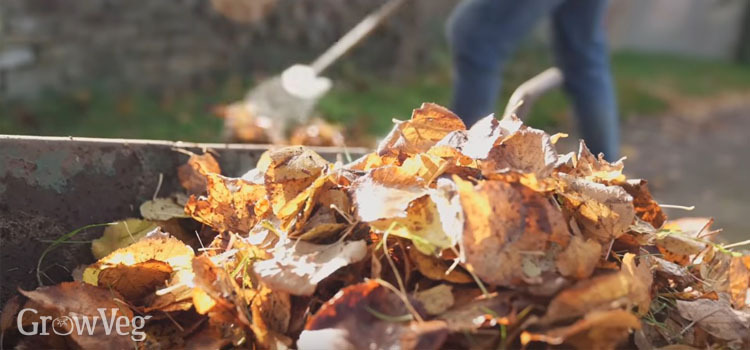
To create nutrient-rich compost from autumn leaves, proper preparation is essential. This involves chopping or shredding the leaves, collecting them effectively, and establishing a timeline for the entire process. By considering these aspects, gardeners can accelerate the decomposition process and ensure a more efficient composting experience.Chopping or shredding leaves significantly enhances their surface area, facilitating quicker decomposition. The finer the leaves are processed, the faster they will break down, which speeds up the composting cycle.
This can be done using several methods:
Chopping or Shredding Leaves
Using a lawn mower is one of the easiest ways to shred leaves, as it can quickly reduce them to smaller pieces. Simply mow over a pile of leaves to achieve desired sizes. Alternatively, a leaf shredder can also be utilized for more uniform pieces. If neither of these tools is available, manual methods such as using garden shears or a knife can suffice, although they require more effort.
Additionally, it is crucial to keep leaves dry while processing, as wet leaves tend to clump and can slow down decomposition. When they are dry, they can be easily chopped or shredded without sticking together.
Collection and Storage Techniques
Collecting and storing leaves correctly ensures that they remain in good condition until they are ready for composting. It is advisable to gather leaves during dry weather to prevent them from becoming soggy. Utilizing a rake to gather leaves into piles allows for easier collection. It is also beneficial to use tarps or biodegradable bags for transport to the composting area.
Storing leaves should involve keeping them in a dry, shaded area to prevent moisture loss and degradation. A designated storage bin or container can be effective for this purpose. It is advisable to layer leaves loosely to allow for airflow, which helps to prevent mold growth.
Timeline for Leaf Collection, Preparation, and Composting
Establishing a timeline can help organize the leaf composting process efficiently. To ensure a smooth procedure, consider the following timeline:
- Late September to Early October: Begin collecting leaves as they start to fall. Monitor local trees to determine the optimal collection period.
- Mid-October: Start shredding or chopping the collected leaves to enhance decomposition.
- End of October: Store shredded leaves in a dry, ventilated area until ready for composting.
- November: Begin integrating leaves into the compost pile, mixing with green materials to balance nitrogen levels.
- December through March: Turn the compost pile regularly and monitor moisture levels to encourage decomposition during winter months.
By adhering to this timeline, the gardener can ensure that the fall leaves are effectively transformed into rich compost, ready to improve the garden soil in the upcoming spring.
Creating the Compost Pile
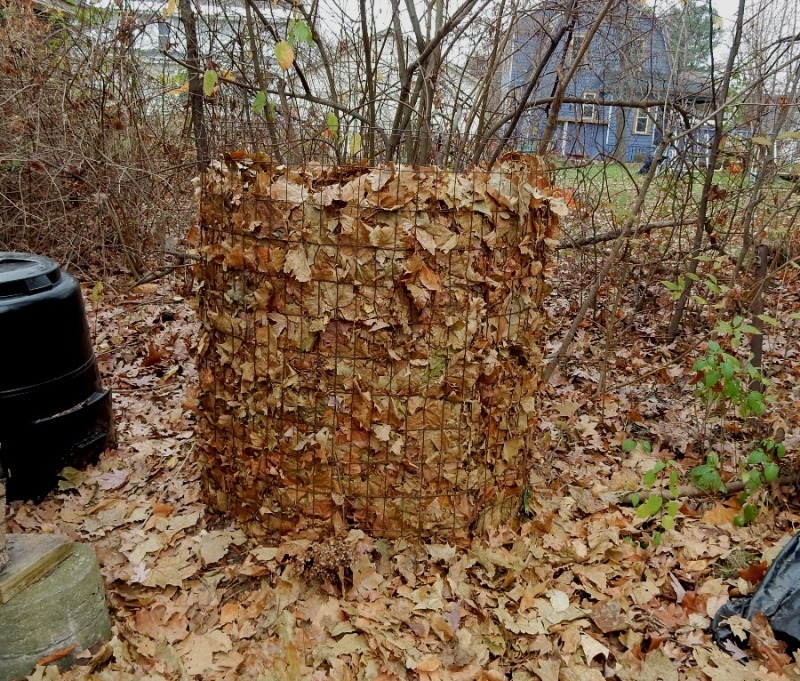
Creating a well-structured compost pile is essential for efficient decomposition and nutrient production, particularly when using autumn leaves. The process involves layering leaves with other compost materials to achieve a balanced carbon-to-nitrogen ratio, which is crucial for microbial activity. Following a systematic approach will help ensure that your compost pile becomes a rich source of organic matter for your garden soil.To construct an effective compost pile, it is important to layer materials thoughtfully.
Generally, a compost pile should consist of a mix of green materials, which are high in nitrogen, and brown materials, which are rich in carbon. Autumn leaves fall under the brown category, making them an excellent addition to your composting project. Below is a step-by-step process for creating your compost pile:
Step-by-Step Process for Layering Leaves with Other Compost Materials
The following steps will guide you in layering your autumn leaves with other compost materials effectively:
1. Choose a Location
Select a dry, shady spot in your yard with good drainage for your compost pile.
2. Begin with Larger Materials
Start with a layer of coarse brown materials such as small branches or straw to improve aeration.
3. Add Leaves
Spread a layer of autumn leaves, ensuring they are shredded or chopped for quicker decomposition.
4. Incorporate Green Materials
Add a layer of green materials such as kitchen scraps, grass clippings, or other nitrogen-rich items.
5. Repeat the Layers
Continue alternating layers of brown and green materials, maintaining a roughly 3:1 ratio of carbon (browns) to nitrogen (greens).
6. Moisten the Pile
Lightly water each layer as you build the pile, ensuring adequate moisture without over-saturation.
7. Turn the Pile
After a few weeks, use a pitchfork or shovel to turn the pile to promote aeration and speed up decomposition.To further illustrate the importance of balancing materials, the following table provides a comparison of the carbon to nitrogen ratios of various compost ingredients:
| Compost Ingredient | Carbon to Nitrogen Ratio |
|---|---|
| Autumn Leaves (shredded) | 30:1 |
| Grass Clippings | 20:1 |
| Kitchen Scraps (vegetable) | 15:1 |
| Cardboard (shredded) | 150:1 |
| Straw | 80:1 |
Establishing ideal conditions for your compost pile is crucial to encourage efficient decomposition. The following factors should be monitored:
Temperature
Maintaining a temperature between 130°F to 160°F (54°C to 71°C) will help kill pathogens and weed seeds.
Moisture
The compost pile should be moist but not soggy. Aim for a moisture level similar to that of a wrung-out sponge.
Aeration
Regularly turning the compost will introduce oxygen, which is necessary for aerobic bacterial activity.By following these guidelines, you will create a thriving compost pile that transforms autumn leaves and other organic materials into nutrient-rich compost, benefiting your garden soil immensely.
Maintaining the Compost Pile
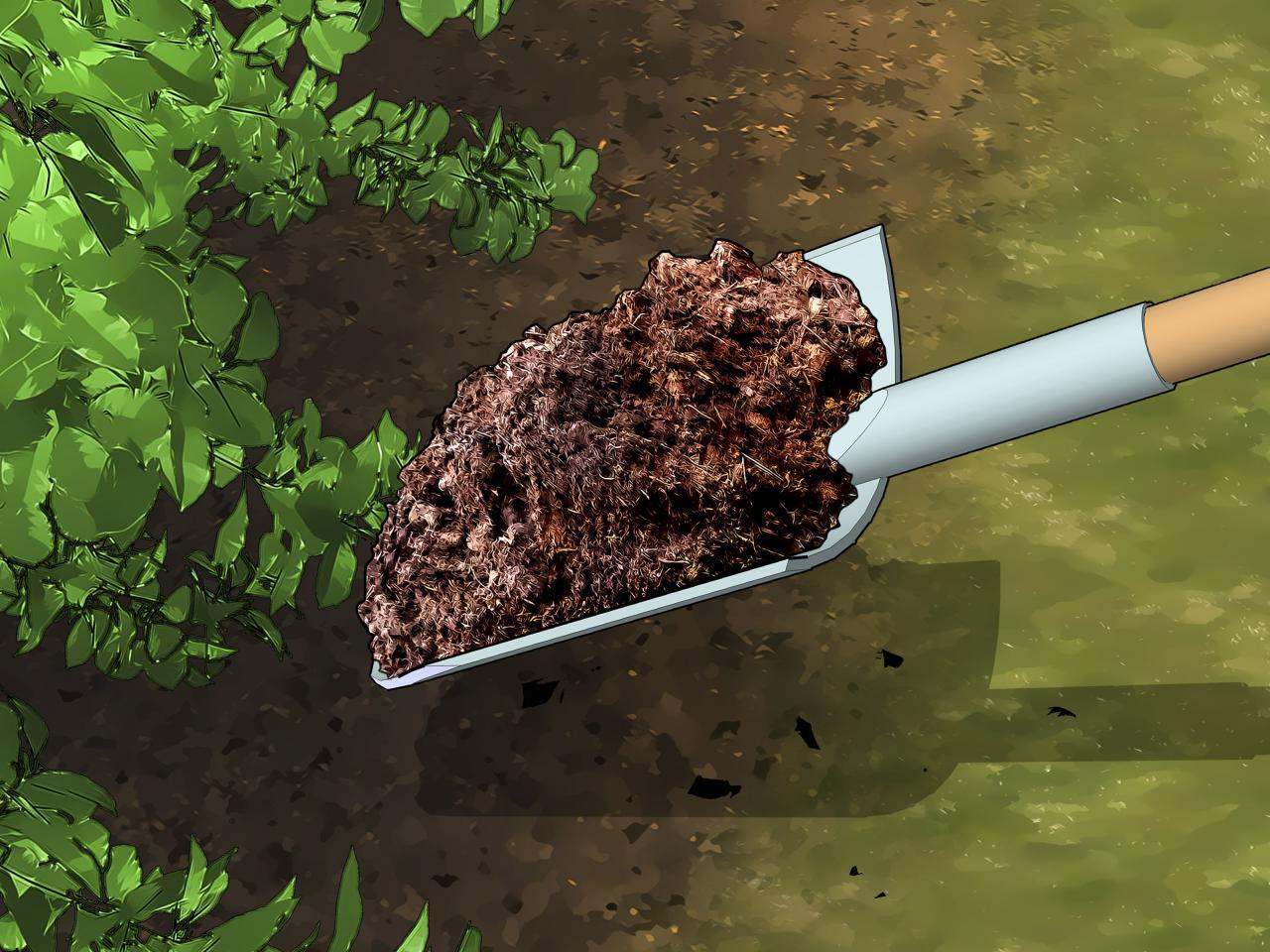
Maintaining a compost pile is essential for effective decomposition and the production of rich, nutrient-dense garden soil. Proper management ensures that the composting process remains active, efficient, and beneficial for your garden. Regular attention to the compost pile promotes balance in moisture, aeration, and temperature, all of which are critical for microbial activity and decomposition.
Turning the Compost
Turning the compost pile is a crucial method to aid in decomposition by introducing oxygen and helping to mix the materials, which promotes even breakdown. Regular turning can be accomplished by using a pitchfork or a compost turner. The frequency of turning can vary; however, a general recommendation is to turn the pile every few weeks, especially during the active summer months.
This practice not only aerates the compost but also helps to redistribute moisture and heat, leading to faster decomposition.
Turning the compost enhances oxygen availability, which is vital for aerobic microorganisms responsible for breaking down organic matter.
Monitoring Moisture Levels
Maintaining optimal moisture levels within the compost pile is vital for effective decomposition. The ideal moisture content resembles that of a damp sponge; it should be moist but not soggy. To monitor moisture levels, consider the following methods:
Visual Inspection
Check the compost pile for signs of dryness or excessive wetness. If it appears dry and crumbly, add water gradually until the desired consistency is achieved. Conversely, if it is too wet and slimy, incorporate dry materials such as straw or shredded paper to absorb excess moisture.
Hand Test
Squeeze a handful of compost material. If water drips from your hand, the pile is too wet. If it crumbles and does not hold together, it requires additional moisture.
Maintaining Aeration
Aeration is essential in ensuring that aerobic bacteria thrive in the compost pile. Aside from regular turning, aeration can also be maintained by incorporating coarse materials such as small branches, straw, or wood chips into the pile. These materials create air pockets, allowing for better airflow and preventing the compost from becoming compacted.
A well-aerated compost pile promotes an increase in temperature and faster decomposition rates, resulting in high-quality compost.
Signs of a Healthy Compost Pile
Recognizing the signs of a healthy compost pile can guide your maintenance efforts and provide insights into the progress of decomposition. A thriving compost pile typically exhibits the following characteristics:
Warmth
A healthy compost pile generates heat due to microbial activity. If you feel warmth radiating from the center of the pile, it indicates that the decomposition process is active.
Earthy Smell
The aroma of a well-maintained compost pile should resemble that of rich, fertile earth. An unpleasant odor, on the other hand, may indicate anaerobic conditions or too much moisture.
Reduction in Volume
As materials break down, the volume of the compost pile will decrease significantly. If you notice that the pile is shrinking over time, it is a positive sign of decomposition.
The time frame for compost to fully mature can vary based on the materials used, temperature, and maintenance practices. Generally, finished compost can be expected within three to six months. Regular monitoring and adjustments will further expedite this process, ensuring that you achieve a high-quality amendment for your garden.
Using Finished Compost in the Garden
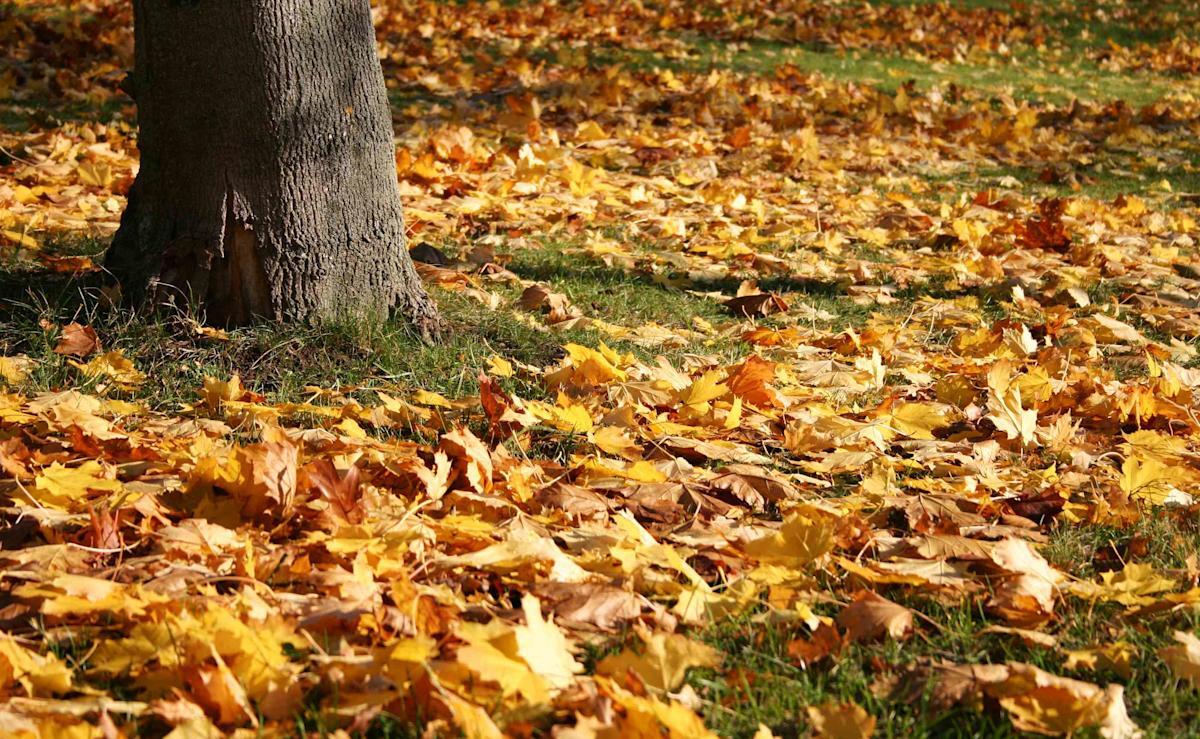
Incorporating finished compost into garden soil is a vital step towards enhancing soil fertility and structure. Composted leaves not only provide essential nutrients but also improve the overall health of your garden. Understanding how to effectively use this organic matter will lead to thriving plants and a productive growing season.
When applying finished compost, it is essential to integrate it into the soil to maximize its benefits. This can be achieved through various methods, depending on the type of garden and the specific needs of the plants. Finished compost should be mixed into the top few inches of soil to ensure that nutrients are readily available to plant roots. The incorporation of compost also improves soil aeration and drainage, further benefiting plant growth.
Application Rates for Various Plants
Determining the appropriate application rates for finished compost can vary significantly based on the specific plants being cultivated. The following guidelines offer a framework for effective compost application:
Understanding the unique nutritional requirements of different plants is crucial. Below is a summary of recommended application rates for commonly grown plants:
- Vegetable Gardens: 1 to 2 inches of compost spread over the garden bed, mixed into the top 6 to 12 inches of soil, is ideal for most vegetables.
- Flower Beds: For flowering plants, 2 to 3 inches of compost can be spread around the base of the plants, ensuring it is well mixed into the soil to promote flowering and growth.
- New Plantings: When planting new trees or shrubs, incorporate 1 part compost to 3 parts native soil in the planting hole to enhance root establishment.
- Raised Garden Beds: For raised beds, a layer of 2 to 3 inches of compost annually will support nutrient levels and improve soil structure.
“A healthy compost layer can enrich the soil, leading to increased vegetable yields and vibrant flower displays.”
Utilizing composted leaves specifically offers numerous benefits for soil structure and fertility. The organic matter in finished compost enhances soil texture, allowing for improved moisture retention while promoting drainage. This is particularly beneficial in clay soils, which can become compacted and waterlogged without proper amendment.
Moreover, composted leaves contribute to the soil’s microbial life, fostering a thriving ecosystem essential for nutrient cycling. As these microorganisms break down organic matter, they release nutrients such as nitrogen, phosphorus, and potassium, which are vital for plant growth. This natural fertilization process reduces the need for synthetic fertilizers, leading to a more sustainable gardening practice.
Troubleshooting Common Issues
Composting is a rewarding endeavor, but it can present challenges that may hinder the process. Understanding these potential issues and knowing how to address them is essential for successful composting. This section highlights common problems that composters may encounter, along with practical solutions to ensure a smooth composting experience.
Odor Issues
Unpleasant odors emanating from a compost pile can indicate an imbalance in the composting materials. Typically, this is a sign that the pile is too wet or lacks sufficient aeration. To resolve odor issues, consider the following solutions:
- Increase aeration by turning the pile more frequently to enhance airflow.
- Add dry materials, such as shredded leaves or straw, to absorb excess moisture.
- Monitor the nitrogen-to-carbon ratio; an ideal ratio is approximately 1:30 (nitrogen to carbon). Adjust the mixture accordingly by adding more carbon-rich materials.
Pest Problems
Pests such as rodents and insects can be attracted to a compost pile due to improper management. To prevent and address pest issues, follow these guidelines:
- Ensure that meat, dairy, and oily foods are excluded from the compost pile, as these attract unwanted animals.
- Turn the compost regularly to disrupt pest habitats.
- Consider using a compost bin with a lid or a closed system to deter pests.
Slow Decomposition
Slow decomposition might occur due to several factors, including inadequate moisture, poor aeration, or an improper carbon-to-nitrogen ratio. To speed up the decomposition process, implement the following strategies:
- Check the moisture level; the compost pile should feel like a damp sponge. If it’s too dry, add water gradually.
- Ensure proper aeration by regularly turning the pile to introduce oxygen.
- Adjust the carbon-to-nitrogen ratio by adding more “green” materials, such as grass clippings or food scraps, to balance the mix.
The importance of adjusting the compost mixture cannot be overstated. Regular monitoring and tweaking of the ingredients not only prevent common problems but also promote a healthy composting environment. Maintaining an ideal mixture will facilitate efficient decomposition and result in rich, fertile compost ready for use in the garden.
Additional Composting Techniques
Exploring alternative composting methods can enhance the effectiveness of utilizing autumn leaves in creating rich garden soil. These techniques not only provide diverse options for composting but also cater to different preferences and space constraints in gardening practices.Vermicomposting is one such method that uses worms to break down organic matter, including autumn leaves, into nutrient-rich compost. This technique is particularly beneficial for those with limited outdoor space, as it can be done indoors or on small patios.
The process involves a bin that houses red wigglers, which consume kitchen scraps and leaves, producing high-quality compost known as worm castings.
Benefits of Compost Bins
Compost bins offer several advantages over traditional compost piles. Here are the key benefits:
- Space Efficiency: Compost bins are designed to contain organic materials within a smaller footprint, making them ideal for urban gardeners.
- Temperature Regulation: Bins often provide better insulation, which helps maintain higher temperatures for faster decomposition during colder months.
- Improved Aeration: Many bins are equipped with aeration systems that enhance airflow, promoting quicker breakdown of materials.
- Less Aesthetic Impact: Bins can be more visually appealing and help contain odors compared to open piles.
Utilizing compost bins can streamline the composting process, allowing for a more organized approach to managing autumn leaves and other organic waste.
Integrating Autumn Leaves into Bokashi Composting
Bokashi composting is an anaerobic method that ferments organic waste, including autumn leaves, using a specific bran inoculated with effective microorganisms. This technique is particularly appealing for those seeking to compost kitchen scraps alongside yard waste. To effectively integrate autumn leaves into a bokashi system, consider the following tips:
- Shred Leaves: Breaking down leaves into smaller pieces increases the surface area for microorganisms to work on, speeding up fermentation.
- Layering: Alternate layers of bokashi bran with layers of leaves in your bokashi bin. This helps maintain moisture and balance the carbon-nitrogen ratio.
- Moisture Management: Monitor the moisture level in the bin. Leaves may absorb moisture, so ensure the mixture remains adequately damp but not overly wet.
By employing these additional composting techniques, gardeners can optimize the use of autumn leaves, contributing to healthy soil and a thriving garden ecosystem.
Ending Remarks
In conclusion, composting autumn leaves is a rewarding endeavor that not only enriches garden soil but also fosters sustainable gardening practices. By following the Artikeld steps from preparation to application, gardeners can turn seasonal waste into a valuable resource. Embrace the art of composting to cultivate healthier plants and contribute positively to the environment.