How to Compost Cardboard and Newspaper invites you to explore an eco-friendly solution to waste reduction. By transforming everyday materials like cardboard and newspapers into nutrient-rich compost, we can significantly decrease landfill contributions while enhancing soil health. With millions of tons of these materials discarded each year, this guide offers invaluable insights into a sustainable practice that benefits both the environment and your garden.
In this discussion, we will delve into the preparation methods for composting these items, various composting techniques, and maintenance tips to ensure successful decomposition. Moreover, we will highlight the advantages of using this compost in your gardening endeavors and address common misconceptions regarding the composting process. Together, we can contribute to a greener planet while nurturing our gardens.
Introduction to Composting Cardboard and Newspaper
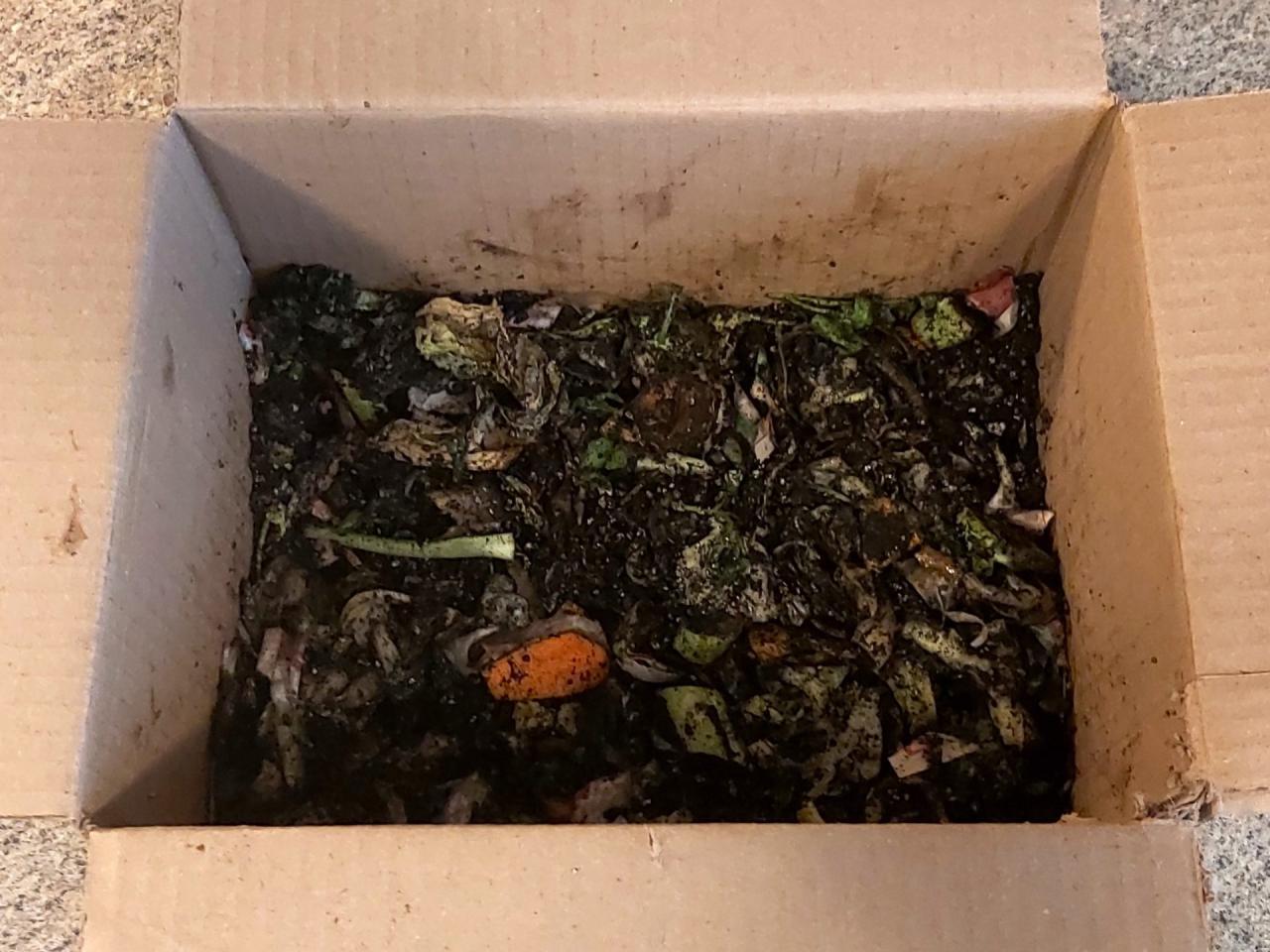
Composting cardboard and newspaper is an effective way to reduce waste, contributing to a more sustainable environment. By diverting these materials from landfills, we can mitigate the negative consequences of their disposal while enhancing soil health through nutrient-rich compost. This practice illustrates a commitment to ecological responsibility and resource conservation.The environmental benefits of composting versus recycling cardboard and newspaper are significant.
While recycling processes involve energy-intensive procedures and often result in lower-quality materials, composting allows for the natural degradation of these items, returning valuable nutrients to the soil. The transformation of organic waste into compost not only reduces the volume of waste sent to landfills but also decreases greenhouse gas emissions associated with decomposition in anaerobic landfill conditions. According to the Environmental Protection Agency (EPA), approximately 15 million tons of cardboard and paper products are disposed of annually in the United States alone, emphasizing the importance of composting these readily available resources.
Statistics on Cardboard and Newspaper Waste
The sheer volume of cardboard and newspaper discarded each year presents an opportunity for impactful environmental change through composting. To highlight the gravity of this situation, consider the following statistics:
- In 2020, about 67.5 million tons of paper and paperboard were generated in the United States, with approximately 22 million tons of that being corrugated cardboard.
- The EPA reports that over 26 million tons of newspaper are discarded annually, a substantial portion of which could be composted effectively.
- Each person generates an average of 1.5 pounds of cardboard and paper waste daily, illustrating the collective impact of individual choices on waste generation.
The information underscores the importance of actionable measures, such as composting, that individuals and communities can undertake to reduce waste significantly. By utilizing cardboard and newspaper in composting efforts, we not only address waste management challenges but also contribute positively to soil health and biodiversity.
Preparing Cardboard and Newspaper for Composting
To effectively compost cardboard and newspaper, it is essential to prepare these materials properly. This preparation involves breaking them down into smaller pieces, ensuring the removal of any non-compostable elements, and maintaining an appropriate balance of carbon and nitrogen within the compost mixture. Each step plays a crucial role in enhancing the decomposition process and promoting a healthy compost environment.
Shredding or Tearing Cardboard and Newspaper
The first step in preparing cardboard and newspaper for composting is to shred or tear them into smaller pieces. Smaller fragments increase the surface area of the materials, which accelerates the decomposition process. Here are the recommended methods for preparing these materials:
- Shredding: Using a paper shredder simplifies the process of breaking down newspaper and cardboard. For cardboard, ensure the shredder is capable of handling thicker materials.
- Tearing by Hand: If a shredder is not available, tearing the materials into strips or small squares by hand is also effective. Aim for pieces no larger than 2 inches in size.
Removing Non-Compostable Elements
Before adding cardboard and newspaper to your compost, it is important to remove any non-compostable elements. This step ensures that your compost remains free from contaminants that may hinder the decomposition process. Focus on the following components:
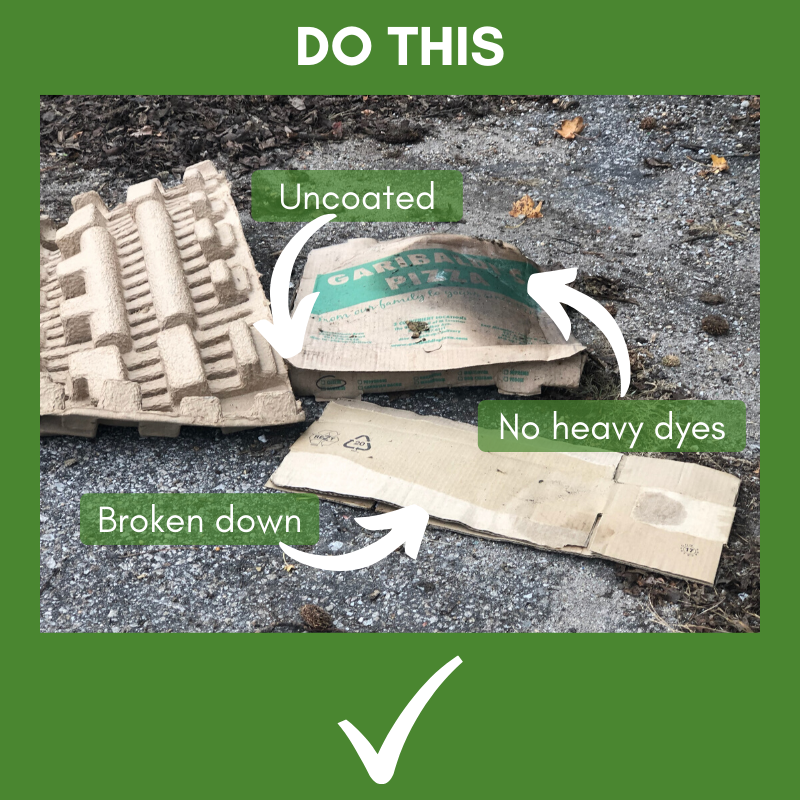
- Plastic Coatings: Many cardboard boxes have a plastic coating for moisture resistance. Always check for this coating and remove it before composting.
- Staples and Clips: Metal staples and paper clips should also be removed. These items do not decompose and can disrupt the composting process.
- Colored Ink: While black and white newspapers are generally safe for composting, colored inks can contain heavy metals. Verify that the newspaper is printed with soy-based inks, which are safe for composting.
Balancing Carbon and Nitrogen Ratios
Cardboard and newspaper are high in carbon, making them valuable for balancing nitrogen-rich materials in your compost pile. Achieving the right carbon to nitrogen (C:N) ratio is essential for efficient composting. The ideal C:N ratio for composting is typically around 30:
1. Here are guidelines to maintain this balance
- Assessing Ratios: For every part of cardboard or newspaper (high in carbon), add one part of nitrogen-rich materials such as kitchen scraps, grass clippings, or manure.
- Monitoring Decomposition: Regularly check the compost pile for signs of imbalance. A pile that is too dry or slow to decompose may require additional nitrogen sources to enhance microbial activity.
- Layering: Layering carbon-rich materials like cardboard and newspaper with nitrogen-rich materials helps maintain balance, promoting efficient decomposition.
Methods of Composting Cardboard and Newspaper
Composting cardboard and newspaper contributes significantly to reducing waste while enriching the soil. Various methods can be employed to integrate these materials effectively into composting systems, ensuring optimal decomposition and nutrient availability. This section explores different composting methods suited for cardboard and newspaper, including hot composting and vermicomposting, while highlighting best practices for effective integration into existing compost piles.
Composting Methods Suitable for Cardboard and Newspaper
There are several effective methods for composting cardboard and newspaper, each with unique advantages. The selection of a method can depend on the available materials, time constraints, and desired outcomes. The following methods are particularly effective:
- Hot Composting: This method involves creating a compost pile that maintains high temperatures (between 130°F to 160°F). The heat accelerates the decomposition process, allowing cardboard and newspaper to break down faster. Ensuring a balanced mix of greens (nitrogen-rich materials) and browns (carbon-rich materials) is crucial for maintaining the necessary heat levels.
- Vermicomposting: Utilizing worms, particularly red wigglers, is effective for composting cardboard and newspaper. Worms consume the materials, breaking them down into nutrient-rich castings. This method is particularly useful for smaller-scale composting and can be done indoors or outdoors.
- Cold Composting: This method involves layering cardboard and newspaper with other organic materials without the intention of maintaining high temperatures. The decomposition occurs more slowly and may take several months to a year, making it suitable for those who prefer a low-maintenance approach.
Layering Technique for Integrating Cardboard and Newspaper
The layering technique is essential for successfully composting cardboard and newspaper. This method enhances air circulation and moisture retention, promoting a balanced composting environment. The following steps Artikel the layering process:
1. Shred Materials
Shred cardboard and newspaper into smaller pieces to facilitate quicker decomposition.
2. Create Layers
Start by placing a layer of coarse materials, such as small branches or straw, at the bottom of the compost pile to promote drainage. Follow this with alternating layers of shredded cardboard, newspaper, and nitrogen-rich green materials, such as kitchen scraps or grass clippings.
3. Moisten Layers
After adding each layer, lightly moisten the materials with water, ensuring they are damp but not soggy.
4. Turn the Pile
Regularly turning the compost pile helps aerate the materials, ensuring even decomposition and preventing odors.
Effectiveness Comparison of Various Composting Methods
Understanding the effectiveness of different composting methods for cardboard and newspaper can aid in selecting the right approach. The table below summarizes key aspects of each method:
| Composting Method | Time to Decompose | Nutrient Availability | Maintenance Level |
|---|---|---|---|
| Hot Composting | 2 to 3 months | High | Moderate to High |
| Vermicomposting | 2 to 4 months | Very High | Low |
| Cold Composting | 6 months to 1 year | Moderate | Very Low |
The choice of composting method depends on individual preferences, resources, and the desired speed of composting. Each method offers unique advantages that can help effectively manage cardboard and newspaper waste while enriching garden soil.
Maintaining Your Compost with Cardboard and Newspaper
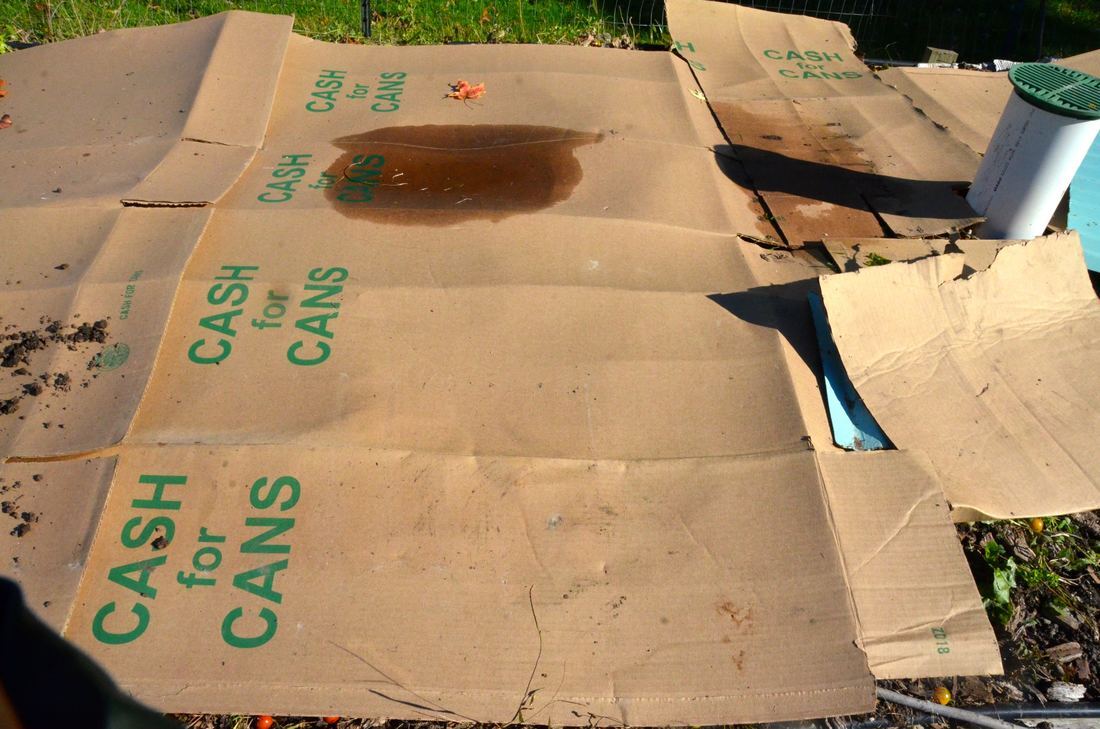
Maintaining a healthy compost pile that includes cardboard and newspaper is crucial for the success of your composting efforts. Proper management ensures that the decomposition process occurs efficiently, resulting in nutrient-rich compost that can enrich your garden. Key factors in this maintenance are aeration and moisture levels, which significantly influence the breakdown of materials within your compost.Aeration and maintaining optimal moisture levels are paramount when composting cardboard and newspaper.
Cardboard, being a carbon-rich material, can become compacted if not properly managed, leading to decreased airflow and a slower decomposition rate. Newspaper, while also high in carbon, can contribute to moisture retention but may also clump together, affecting aeration.
Aeration and Moisture Management
To facilitate decomposition, it is essential to ensure adequate aeration and balance moisture levels within the compost pile. Here are the key aspects to focus on:
1. Aeration
Regularly turning your compost pile is vital. This process introduces oxygen into the mix, which is necessary for aerobic bacteria to thrive. Aim to turn the pile every few weeks, using a pitchfork or compost turner to aerate effectively. Maintain a balanced ratio of carbon (cardboard and newspaper) to nitrogen (green materials such as kitchen scraps) to promote healthy microbial activity.
2. Moisture Levels
The compost pile should be damp, akin to a wrung-out sponge. Too much moisture can lead to anaerobic conditions, while too little moisture can slow down decomposition.
Add water as needed, especially in dry conditions, and monitor the moisture level by checking the pile regularly.
Turning the Compost Pile
Turning your compost pile not only aerates but also encourages even decomposition. Here’s how to effectively turn your compost:
- Start by selecting a time when the pile is warm, indicating active microbial activity.
- Use a pitchfork to lift and turn the compost, moving the outer layers into the center. This redistribution allows the cooler materials to heat up and break down more efficiently.
- Break apart any clumps of cardboard or newspaper to enhance airflow and ensure consistent moisture across the pile.
Common Issues and Troubleshooting
While composting cardboard and newspaper can be highly beneficial, certain issues may arise. Addressing these promptly ensures a thriving compost environment. Here are common problems and their solutions:
Odor Issues
A foul smell often indicates an anaerobic environment due to excess moisture or insufficient aeration. To resolve this, incorporate dry materials, such as shredded leaves or additional cardboard, and turn the pile to introduce airflow.
Slow Decomposition
If the compost is decomposing slowly, it may lack nitrogen. Introduce green materials, like grass clippings or vegetable scraps, to balance the carbon-to-nitrogen ratio.
Excessive Wetness
Overly wet compost may lead to compacted masses that hinder airflow. To troubleshoot, add dry materials and turn the pile to promote evaporation.
Pests
Occasionally, pests may invade your compost pile, primarily if kitchen scraps are not adequately buried. Ensure that all food waste is covered with carbon-rich materials and consider using a compost bin with a lid to deter unwanted visitors.
Maintaining proper aeration and moisture in your compost is essential for transforming cardboard and newspaper into rich, fertile compost.
Uses of Finished Compost from Cardboard and Newspaper
Compost derived from cardboard and newspaper offers a plethora of benefits for gardens and landscaping. When properly processed, this type of compost transforms into a rich, organic material that enhances soil structure and fertility, making it an invaluable resource for gardeners and landscapers alike.Using compost made from cardboard and newspaper can significantly improve soil health and plant growth. The breakdown of these materials introduces essential nutrients and aids in moisture retention, creating an optimal environment for plant roots.
Below are some effective applications and examples of plants that flourish in compost enriched with cardboard and newspaper.
Utilization in Gardens and Landscaping
Implementing compost from cardboard and newspaper in garden beds and landscaping projects can yield impressive benefits. The following points Artikel practical uses and their advantages:
- Soil Amendment: Incorporating compost into the soil improves aeration and drainage, fostering a healthier root system for plants.
- Mulching: A layer of compost can serve as mulch, reducing weed growth and retaining moisture in the soil.
- Compost Tea: Diluting compost in water creates a nutrient-rich tea that can be used as a liquid fertilizer, promoting plant growth.
- Top Dressing: Spreading a thin layer of compost over garden beds supplies nutrients and revitalizes the soil surface.
Plants Thriving in Compost Enriched with Cardboard and Newspaper
Certain plants exhibit remarkable growth when cultivated in environments enriched with compost derived from cardboard and newspaper. These plants benefit from the balanced nutrients and organic matter present in the compost:
- Vegetables: Tomatoes, peppers, and cucumbers thrive in nutrient-rich soil, leading to higher yields and healthier produce.
- Herbs: Basil, parsley, and mint flourish in compost-amended soil due to improved drainage and nutrient availability.
- Flowers: Annuals and perennials, such as marigolds and coneflowers, benefit from enhanced soil structure for vibrant blooms.
Benefits for Soil Health
Using compost made from cardboard and newspaper provides numerous advantages for soil health. The following points highlight the key benefits:
- Enhances soil structure by improving aeration and reducing compaction.
- Increases moisture retention, minimizing the need for frequent watering.
- Supplies essential nutrients, promoting robust plant growth and reducing reliance on chemical fertilizers.
- Encourages beneficial microbial activity, enhancing soil biodiversity and ecosystem health.
- Reduces landfill waste by recycling cardboard and newspaper into valuable compost.
Utilizing compost from cardboard and newspaper not only supports plant growth but also fosters a more sustainable gardening practice.
Frequently Asked Questions about Composting with Cardboard and Newspaper
Composting cardboard and newspaper can be an excellent way to enhance your garden’s soil quality while reducing waste. However, several misconceptions and queries often arise regarding their use in composting. Understanding these can help gardeners utilize these materials more effectively in their compost systems.One common misconception is that cardboard and newspaper take too long to decompose and can disrupt the composting process.
In reality, when shredded and mixed properly, these materials can break down efficiently, playing a valuable role in balancing the carbon-nitrogen ratio in compost. The timeline for decomposition can vary, but generally, cardboard and newspaper can take anywhere from a few weeks to several months to fully break down, depending on factors such as moisture, temperature, and aeration.
Misconceptions about Composting Cardboard and Newspaper
Misunderstandings about composting cardboard and newspaper can deter gardeners from using these materials. Below are some prevalent misconceptions:
- Cardboard and newspaper do not break down: When shredded and layered correctly, these materials can decompose within a few months.
- Using too much cardboard will dry out the compost: Maintaining an appropriate moisture balance is key. Cardboard can absorb moisture, but it should be mixed with wetter materials.
- Ink and adhesives in newspapers are harmful: Most modern inks are soy-based and non-toxic, rendering them safe for composting in moderate amounts.
Timeline for Decomposition
The decomposition timeline for cardboard and newspaper varies based on several factors. Here are key elements influencing the process:
- Shredding the materials significantly accelerates breakdown, reducing decomposition time to weeks rather than months.
- Maintaining optimal moisture levels, ideally between 40-60%, promotes microbial activity, aiding decomposition.
- Temperature plays a crucial role; higher temperatures within the compost pile facilitate faster decomposition.
Testimonials from Successful Gardeners
Many gardeners have shared their positive experiences with composting cardboard and newspaper. These testimonials highlight the benefits and effectiveness of integrating these materials into composting practices.
“Using shredded cardboard in my compost has improved my soil’s texture remarkably. I never thought it could decompose so quickly!”
Jane, Home Gardener
“I was skeptical at first, but adding newspaper to my compost helped achieve a perfect balance of carbon. My plants have never looked healthier!”
Mark, Organic Vegetable Grower
Final Review
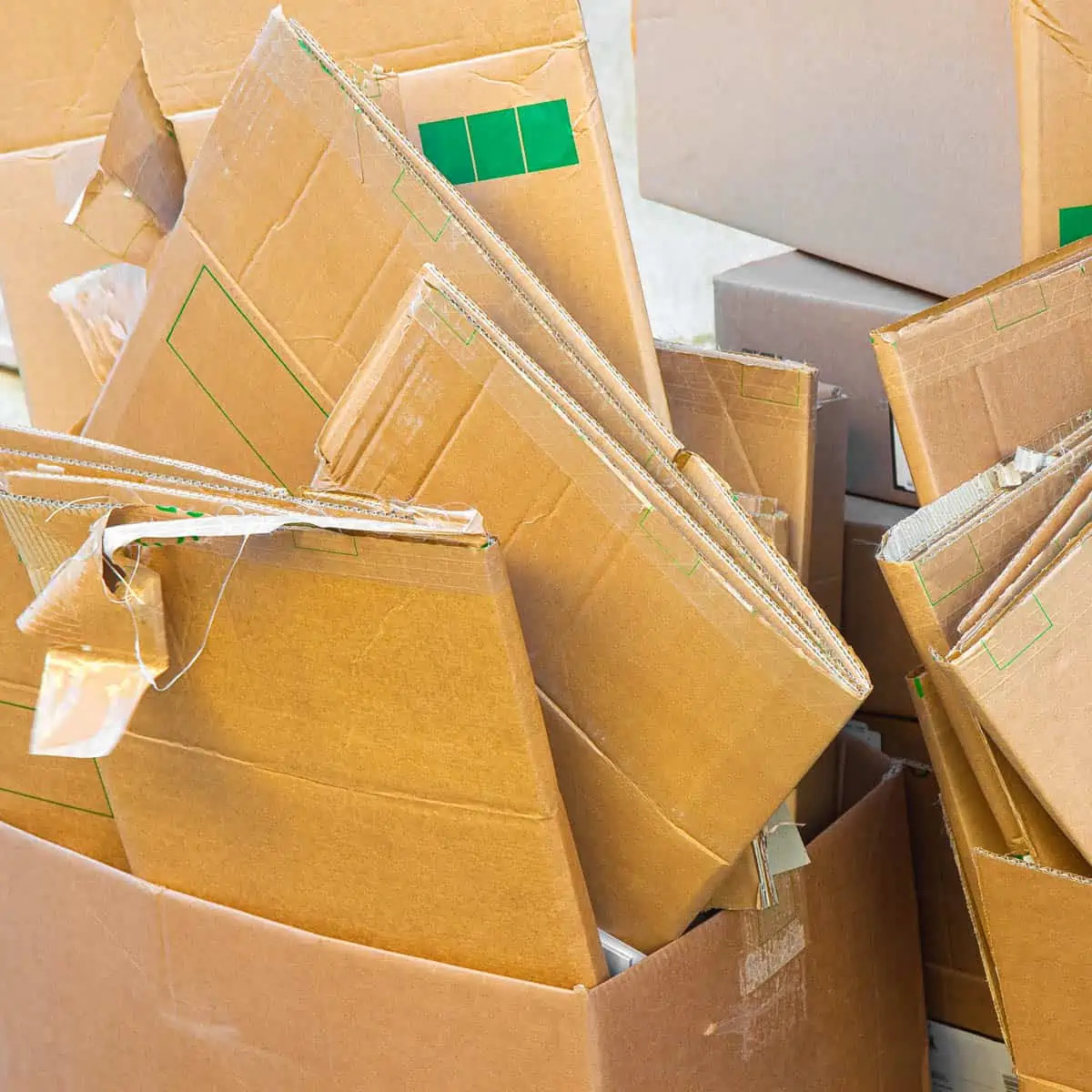
In conclusion, composting cardboard and newspaper is not only a practical way to minimize waste but also an opportunity to enrich your garden’s soil. By following the Artikeld steps and understanding the nuances of composting, you can harness the benefits of these materials and contribute to a more sustainable lifestyle. We hope this guide inspires you to take action and embrace composting as a vital component of your environmental stewardship and gardening practices.