Exploring how to compost coffee grounds and tea bags reveals an innovative approach to enhancing soil health while minimizing waste. These seemingly inconsequential items are rich in nutrients and can significantly contribute to your compost pile, transforming what would otherwise be discarded into a valuable resource. Each year, millions of tons of coffee and tea waste are produced globally, emphasizing the importance of finding sustainable methods to repurpose these materials and reduce their environmental impact.
By understanding the nutritional content of coffee grounds and the various components found in tea bags, gardeners can make informed decisions on how to optimize their compost. This process not only benefits individual gardens but also promotes a holistic approach to waste management, showcasing the potential for positive environmental change through mindful composting practices.
Introduction to Composting Coffee Grounds and Tea Bags

Composting coffee grounds and tea bags offers an effective way to enrich soil health while simultaneously reducing waste. Both coffee grounds and tea bags are organic materials that can significantly enhance the nutrient content of compost, fostering a lively ecosystem for beneficial microorganisms and improving soil structure.The environmental benefits of composting these everyday items are substantial. By diverting coffee and tea waste from landfills, we help reduce methane emissions, a potent greenhouse gas generated during the decomposition of organic matter in anaerobic environments.
As coffee and tea are widely consumed, recycling them through composting not only minimizes waste but also contributes positively to environmental sustainability. In fact, according to the Specialty Coffee Association, approximately 10 million tons of coffee grounds are produced annually, while the World Tea Association estimates that around 3 million tons of tea waste are generated each year. These substantial figures highlight the importance of finding responsible disposal methods, such as composting.
Benefits of Composting Coffee Grounds
Coffee grounds are rich in nitrogen, making them an excellent addition to compost bins. Their incorporation into compost provides several advantages for soil health:
Nutrient-Rich Addition
Coffee grounds contain essential nutrients, including nitrogen, phosphorus, and potassium, which are vital for plant growth.
Improved Soil Structure
The texture of coffee grounds helps to aerate the compost, promoting better drainage and root penetration in the soil.
Attracting Beneficial Organisms
Worms and other soil-dwelling microorganisms thrive in a compost environment enriched with coffee grounds, enhancing soil biodiversity.
Benefits of Composting Tea Bags
Tea bags, when composted properly, can also contribute valuable nutrients to the composting process. Here are key points regarding their benefits:
Organic Matter Contribution
Like coffee grounds, tea bags are composed of organic materials that decompose effectively, adding to the overall organic content of compost.
Microbial Activity
The tannins in tea can promote microbial activity, which is beneficial for breaking down other organic materials in the compost.
Sustainable Waste Management
By composting tea bags, we can significantly reduce the volume of waste sent to landfills, allowing for a more sustainable approach to waste management.
“Composting coffee grounds and tea bags not only enhances soil health but also plays a critical role in reducing environmental impact through effective waste recycling.”
Understanding the Components of Coffee Grounds and Tea Bags
The components of coffee grounds and tea bags play a significant role in composting due to their unique nutritional profiles and organic matter contributions. Understanding these components can help gardeners and composters optimize their composting practices for healthier soil and plants.Coffee grounds are rich in several key nutrients that enhance the quality of compost. They contain approximately 2% nitrogen, which is beneficial for microbial activity in the compost pile.
Additionally, coffee grounds provide essential minerals such as phosphorus, potassium, and magnesium. Their slightly acidic nature can help balance the pH levels in compost, making them particularly useful for acid-loving plants. This nutrient profile not only accelerates decomposition but also enriches the final compost product.
Nutritional Content of Coffee Grounds
The nutritional content of coffee grounds contributes significantly to compost health and fertility. The following are vital components found in coffee grounds:
- Nitrogen: A crucial nutrient for plant growth, nitrogen promotes leafy green growth and is essential for the formation of amino acids.
- Phosphorus: Important for root development and flowering, phosphorus aids in energy transfer within plants.
- Potassium: This nutrient helps regulate various plant functions, including water uptake and enzyme activity.
- Calcium: Coffee grounds also contain calcium, which is important for cell wall structure and overall plant health.
In addition to nutrients, coffee grounds contribute a considerable amount of organic matter to compost, improving soil structure and water retention.
Materials Found in Tea Bags and Their Compostability
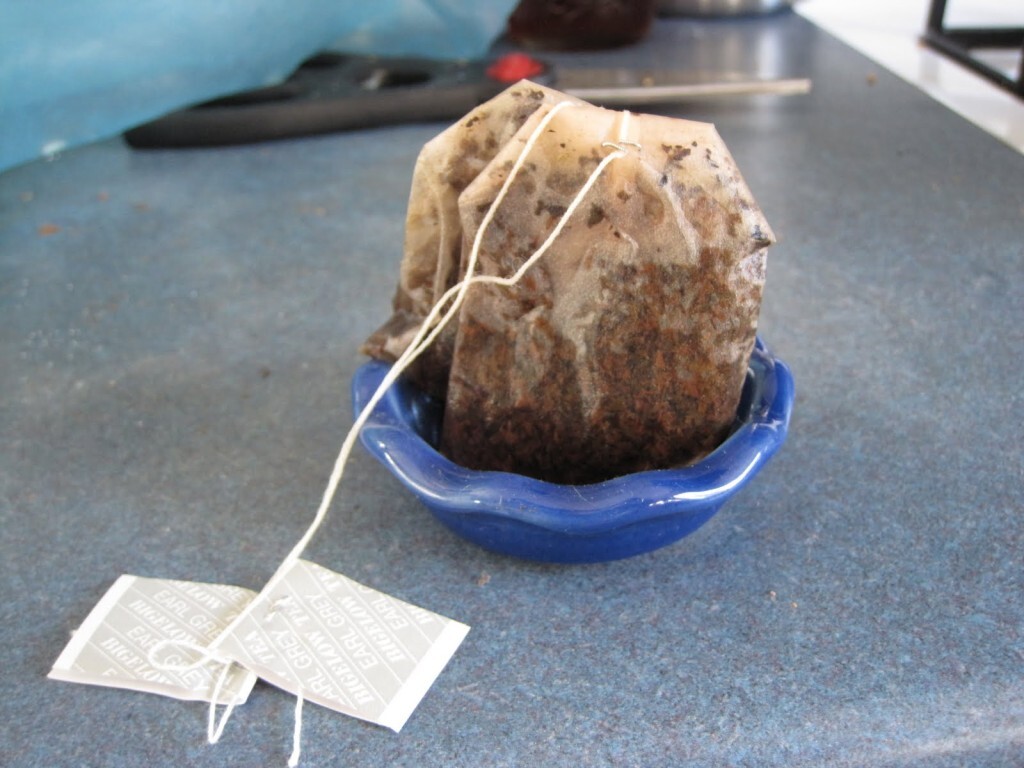
Tea bags, while often overlooked, contain various materials that can influence their compostability. Traditional tea bags are typically made from paper or a blend of paper and plastic, which can complicate composting efforts. The main components of tea bags include:
- Tea Leaves: The primary component, tea leaves are rich in nutrients similar to coffee grounds, including nitrogen, which enhances compost quality.
- Bag Material: Many tea bags are made from biodegradable paper; however, some are manufactured with synthetic fibers such as nylon or polypropylene, which do not decompose effectively in compost.
- Staples: Some tea bags are sealed with metal staples, which should be removed before composting to prevent contamination.
Understanding these components helps composters identify which tea bags are suitable for composting and how to manage them effectively.
Potential Contaminants in Coffee and Tea Waste
When composting coffee grounds and tea bags, it’s essential to be aware of potential contaminants that could affect the composting process. Contaminants may include:
- Pesticides: Coffee and tea may contain pesticide residues, particularly if they are not organic. These residues can be harmful to compost microorganisms.
- Additives and Flavorings: Flavored coffee and tea often contain artificial additives that may not break down properly in compost.
- Plastic and Non-Biodegradable Materials: As mentioned earlier, non-biodegradable tea bags can introduce plastic into the compost, which is undesirable.
Proper sourcing of coffee and tea products, such as selecting organic options and carefully inspecting packaging, can mitigate these contamination risks, ensuring a healthier compost environment.
Methods for Composting Coffee Grounds
Composting coffee grounds is an effective way to recycle organic waste and enrich soil. By utilizing coffee grounds in composting, gardeners and eco-enthusiasts can enhance nutrient availability, improve soil structure, and foster beneficial microbial activity. This section Artikels the step-by-step processes involved in composting coffee grounds, ideal ratios for optimal decomposition, and compares various composting methods.
Step-by-Step Process of Composting Coffee Grounds
The process of composting coffee grounds is straightforward and can be easily integrated into existing composting systems. Follow these steps for effective composting:
1. Collect Coffee Grounds
Gather used coffee grounds from brewing or coffee shops. Ensure that no filters or other non-compostable materials are included.
2. Combine with Other Materials
Mix the coffee grounds with a variety of brown materials (carbon-rich) such as dried leaves, straw, and shredded paper to balance the nitrogen content of the grounds.
3. Layering
Create layers in the compost bin, alternating between coffee grounds (green materials) and brown materials. A 1:3 ratio (one part coffee grounds to three parts brown materials) is recommended.
4. Aerate the Pile
Turn the compost pile regularly to provide oxygen, which is essential for aerobic decomposition. This can be done with a pitchfork or compost aerator.
5. Monitor Moisture Levels
Ensure the compost pile remains moist but not soggy. If it feels dry, add some water or more green materials to increase moisture.
6. Timeframe for Decomposition
Allow the compost to decompose for several weeks to months, depending on the method used and environmental conditions. The compost is ready when it resembles dark, crumbly soil with an earthy smell.
Ideal Ratios of Coffee Grounds to Other Compost Materials
For optimal decomposition, maintaining the correct carbon-to-nitrogen (C:N) ratio is crucial in composting. Fresh coffee grounds have a relatively high nitrogen content, which can be paired with carbon-rich materials to create a balanced mix. The ideal ratio is typically around 1 part coffee grounds to 3 parts brown materials. This balance helps prevent the compost from becoming too acidic or smelly, ensuring efficient microbial activity and speeding up the decomposition process.
Comparison of Different Composting Methods
Selecting an appropriate composting method can significantly impact the efficiency of composting coffee grounds. Below is a comparative table of various composting methods, highlighting their key features:
| Composting Method | Description | Advantages | Disadvantages |
|---|---|---|---|
| Bin Composting | A structured system using a compost bin for controlling conditions. | Easy to manage, reduces odors, and keeps pests away. | Requires initial setup and may need regular maintenance. |
| Worm Composting (Vermicomposting) | Utilizes worms to break down organic materials quickly. | Produces nutrient-rich worm castings, requires less space. | Requires knowledge of worm care and can be sensitive to conditions. |
| Pile Composting | A simple method of creating a compost pile in a designated area. | Low cost, promotes aeration, and can handle larger volumes. | May attract pests and requires space; can produce odors if not managed. |
| Tumbler Composting | Features a rotating container that facilitates aeration. | Quick decomposition, minimal labor, and reduced odors. | Higher initial cost and may limit the volume of compost produced. |
Understanding the characteristics of each composting method can aid in selecting the best approach for composting coffee grounds effectively. Each method has its benefits and challenges, so choosing one that aligns with personal gardening practices is essential to successful composting.
Methods for Composting Tea Bags
Composting tea bags is an effective way to enrich your garden soil while reducing waste. Many tea bags contain beneficial organic materials, but it is essential to ensure that all components are compostable to maintain a healthy compost environment.To properly compost tea bags, begin by checking the packaging and ingredients to identify any non-compostable materials. Most tea bags are made from paper, which is compostable, but some may contain synthetic fibers or staples that should be removed.
Proper preparation will enhance the composting process and prevent contamination.
Types of Tea Bags and Their Compostability
Understanding the different types of tea bags available can help in determining their compostability. Here is a list of common tea bag materials and their suitability for composting:
- Paper Tea Bags: Generally compostable, as they are made of paper and sometimes a biodegradable string.
- Silken or Nylon Tea Bags: Often not compostable, as they are made of synthetic materials that do not break down easily.
- Mesh Tea Bags: Typically made from biodegradable materials, these are compostable. However, check the specific brand for confirmation.
- Plastic Tea Bags: Usually non-compostable, as they are made from plastic that can take years to decompose.
It is crucial to check the labels on tea bags before composting them, as some brands are beginning to offer fully compostable options.
Incorporating Tea Bags into Compost Heaps or Bins
Integrating tea bags into your existing compost heap or bin is a simple process that enhances the nutrient content of the compost. Here are some tips for doing so effectively:
1. Remove Non-Compostable Materials
Before adding tea bags, ensure that any staples, tags, or non-biodegradable materials are removed. This step is vital for maintaining a healthy compost mix.
2. Tear Open the Bags
Consider tearing open the tea bags to allow the contents to decompose more rapidly. This also helps to distribute the organic material evenly throughout the compost.
3. Mix with Green and Brown Materials
Combine tea bags with a balanced mix of green (nitrogen-rich) and brown (carbon-rich) materials in your compost. This balance promotes effective decomposition.
4. Monitor Moisture Levels
Ensure that your compost remains moist but not overly wet. Tea bags can contribute moisture, so adjust accordingly to maintain optimal conditions for microbes.
5. Regular Turning
Regularly turn your compost heap to aerate it, which will speed up the decomposition process and help integrate the tea bags thoroughly.By following these methods, you can effectively compost tea bags, contributing to a more sustainable and eco-friendly gardening practice.
Common Mistakes in Composting Coffee and Tea Waste
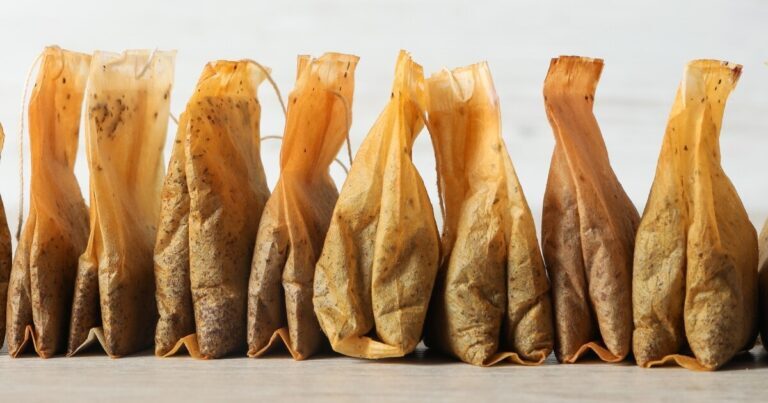
Many enthusiasts of composting often overlook certain critical practices when incorporating coffee grounds and tea bags into their compost piles. Understanding and avoiding these common errors can significantly enhance the effectiveness of composting efforts. This section will identify frequent mistakes, their consequences, and the best practices to ensure successful composting of these organic materials.
Frequent Errors in Composting
Several common mistakes can hinder the composting process when adding coffee grounds and tea bags. Acknowledging these pitfalls is essential for maintaining a healthy compost ecosystem.
- Over-accumulation of Coffee Grounds: Many gardeners believe that since coffee grounds are rich in nitrogen, adding them in large quantities will boost compost quality. However, excessive amounts can lead to an imbalance, resulting in a nitrogen overload that can inhibit microbial activity.
- Neglecting to Mix: Failing to adequately mix coffee grounds and tea bags with other compostable materials can result in clumping. This hampers aeration and slows down the composting process.
- Ignoring Tea Bag Material: While tea bags are often seen as compostable, many commercial brands use synthetic fibers that do not break down. Not checking the materials can introduce non-biodegradable substances into the compost.
- Improper Moisture Management: Coffee grounds can absorb moisture, leading to overly dry compost if not balanced with wet materials. Conversely, wet tea bags can introduce excess moisture, fostering anaerobic conditions.
Effects of Excessive Material Addition
Adding too much coffee or tea waste can detrimentally affect the composting process. An unbalanced compost heap can attract pests, produce unpleasant odors, and slow down decomposition.
“Maintaining the right balance of carbon and nitrogen is crucial for successful composting.”
Without proper ratios, compost can become a breeding ground for undesirable pathogens, leading to health risks. Excess acidity from an overabundance of coffee grounds can also hinder nutrient availability for plants once the compost is applied.
Best Practices for Successful Composting
To avoid common mistakes and optimize the composting process, adopting specific best practices is vital.
- Balance Your Inputs: Aim for a balanced mix of green (nitrogen-rich) and brown (carbon-rich) materials. A good rule of thumb is to maintain a ratio of 2:1, brown to green materials.
- Mix Thoroughly: Regularly turn the compost to ensure that coffee grounds and tea bags are evenly distributed, promoting aeration and effective decomposition.
- Check Tea Bag Composition: Opt for biodegradable tea bags made from natural fibers such as paper or cotton. Always check labels to ensure compostability.
- Monitor Moisture Levels: Use a moisture meter to ensure the compost pile maintains adequate moisture levels, neither too dry nor too wet, to facilitate aerobic decomposition.
Enhancing Compost with Coffee Grounds and Tea Bags
Incorporating coffee grounds and tea bags into your compost not only aids in reducing waste but also significantly enhances the overall quality of the compost. These materials contribute valuable nutrients and improve the structure of the compost, resulting in a rich, fertile product that can benefit your garden.To optimize compost quality with the inclusion of coffee grounds and tea bags, it is essential to understand how to layer these materials effectively within your compost pile.
Coffee grounds are considered a green material, rich in nitrogen, while used tea bags can introduce additional organic matter, including tannins. Proper layering ensures an ideal balance of greens and browns, which is crucial for efficient decomposition.
Layering Coffee Grounds and Tea Bags in Compost
When incorporating coffee grounds and tea bags into your compost, it is beneficial to follow a systematic layering process. Start by adding a layer of browns, which can include dry leaves, straw, or shredded paper, followed by a layer of greens that includes coffee grounds and tea bags. This alternating pattern helps to maintain aeration and moisture levels, facilitating the decomposition process.
Here’s a suggested layering approach:
- Begin with a base layer of coarse browns, such as small branches or straw.
- Add a layer of greens, including coffee grounds and torn tea bags.
- Follow with another layer of browns to cover the greens.
- Repeat the process until your compost pile reaches the desired height.
In addition to coffee grounds and tea bags, several other materials work synergistically to enhance compost quality. The following list highlights additional ingredients that complement coffee and tea waste effectively:
- Fruit and vegetable scraps: Provide essential nutrients and moisture.
- Eggshells: Contribute calcium, beneficial for plant growth.
- Grass clippings: Introduce nitrogen and help maintain moisture levels.
- Shredded paper and cardboard: Offer carbon and improve aeration.
- Wood chips or sawdust: Enhance structure and retain moisture when balanced correctly.
Incorporating these materials with coffee grounds and tea bags not only boosts the nutrient content of your compost but also promotes a more balanced ecosystem in the compost pile. By strategically layering these components, you create an environment conducive to rapid decomposition and nutrient cycling, leading to richer soil for your gardening endeavors.
Practical Applications of Finished Compost

Compost made from coffee grounds and tea bags serves as an excellent organic amendment for gardens, providing essential nutrients and enhancing soil structure. Utilizing this compost effectively can lead to healthier plants and more productive gardens, contributing to sustainable gardening practices.The finished compost derived from coffee grounds and tea bags is rich in nitrogen, phosphorus, and potassium, essential elements for plant growth.
When applied to gardens, it improves soil aeration, moisture retention, and microbial activity. This compost is particularly beneficial for certain types of plants that thrive in nutrient-rich environments.
Types of Plants Benefiting from Compost
Several plant species particularly benefit from the nutrients and properties of compost made from coffee grounds and tea bags. These include:
Vegetables
Leafy greens such as lettuce, spinach, and kale thrive in nutrient-rich compost, promoting robust leaf development and increased yield.
Herbs
Culinary herbs like basil, oregano, and rosemary flourish with added nutrients, enhancing their flavor and fragrance.
Flowering Plants
Flowers such as roses, marigolds, and sunflowers benefit from compost, resulting in more vibrant blooms and healthier growth.
Fruit-bearing Plants
Compost can significantly boost the health and yield of fruit plants like tomatoes, peppers, and strawberries, providing essential nutrients during critical growth phases.The following table Artikels various uses for compost in different gardening scenarios:
| Gardening Scenario | Application Method | Benefits |
|---|---|---|
| Vegetable Garden | Mix compost into the soil before planting or top-dress during the growing season. | Enhances soil fertility and improves water retention. |
| Flower Beds | Incorporate compost into planting holes or apply as mulch. | Promotes vibrant blooms and robust plant health. |
| Container Gardening | Blend compost with potting soil for containers. | Provides necessary nutrients and improves drainage. |
| Compost Tea | Steep compost in water to create a nutrient-rich liquid feed. | Quickly delivers nutrients directly to plant roots and foliage. |
“Applying compost made from coffee grounds and tea bags not only enriches the soil but also supports sustainable gardening practices, promoting healthier ecosystems.”
Case Studies of Successful Composting
:max_bytes(150000):strip_icc()/GettyImages-1477505157-c3b0892b72a545e29864b6a53a33e881.jpg "How to Compost With Coffee Grounds to Benefit Your Garden")
Composting coffee grounds and tea bags has gained popularity in various communities and among individuals dedicated to sustainable living. These case studies illustrate the effectiveness of composting these organic materials while highlighting the challenges faced and innovative solutions implemented by composters.One notable example is a community garden in Portland, Oregon, where local residents have come together to create a thriving composting initiative.
The garden collects coffee grounds and tea bags from nearby cafes and homes, which are then composted alongside other organic waste. The primary challenge they faced was maintaining an adequate balance of carbon and nitrogen in their compost piles, as coffee grounds are high in nitrogen. To address this, the community educated members on the importance of adding carbon-rich materials such as dry leaves and cardboard, leading to a well-aerated and successful composting process.
Individual Success Stories
Numerous individuals have successfully integrated coffee grounds and tea bags into their composting routines at home. One such example is a family in Toronto, Canada, who began composting after recognizing the amount of waste generated from their daily coffee and tea consumption. Initially, they struggled with odors and pests attracted to their compost bin. To mitigate these issues, they implemented a layered approach to composting by alternating coffee grounds and tea bags with brown materials like straw and shredded paper.
This not only created a balanced compost mixture but also significantly reduced unpleasant smells.
Community Initiatives
Several organizations now focus on promoting composting practices at the community level, often providing resources and support to individuals and groups alike. These initiatives often share common goals, including reducing waste and fostering environmental stewardship. Examples of such organizations include:
- Compost Now: A community-based program in the United States that facilitates composting in homes and neighborhoods, providing residents with compost bins and educational workshops.
- The Composting Consortium: A network of composting advocates promoting best practices, offering resources, and creating community connections that facilitate composting.
- Local Municipal Programs: Many cities have launched municipal composting programs that encourage residents to separate compostable materials, including coffee grounds and tea bags, from their regular waste stream.
These initiatives not only make composting accessible but also nurture a sense of community among participants, enhancing their commitment to sustainable practices.
“Incorporating coffee grounds and tea bags into composting efforts contributes significantly to reducing waste and enriching soil health.”
Through these case studies, it becomes evident that successful composting is a combination of community effort, education, and individual commitment. Overcoming challenges such as imbalanced ratios or pest control can be achieved with the right knowledge and practices, paving the way for a more sustainable future.
Concluding Remarks
In summary, composting coffee grounds and tea bags not only enriches your garden but also aligns with broader sustainability goals. By avoiding common mistakes and employing effective composting methods, you can enhance the quality of your compost and contribute to a healthier ecosystem. As you embark on this rewarding journey, remember that every small effort counts in fostering a greener planet, making composting an invaluable practice for both gardeners and the environment alike.