Composting may seem like a daunting task in confined spaces, but it is an essential practice that can significantly contribute to reducing waste and fostering a healthier environment. By learning to compost in a small apartment or on a balcony, individuals can take an active role in sustainability, transforming food scraps and yard waste into valuable nutrient-rich soil. This guide will explore various composting methods suited for limited areas, addressing common challenges and offering practical solutions.
From vermicomposting to bokashi, numerous methods are available for urban dwellers eager to embrace composting. Understanding these options, along with the essential materials required and how to maintain a compost system effectively, can empower anyone to make a positive impact, no matter the size of their living space.
Introduction to Composting in Small Spaces
Composting plays a vital role in reducing waste and promoting sustainability, making it an essential practice for environmentally conscious individuals. With the increasing amount of organic waste generated in urban areas, composting serves as an effective method to recycle kitchen scraps and yard waste, ultimately enriching soil and improving plant health. This practice not only reduces landfill contributions but also enhances local biodiversity and mitigates greenhouse gas emissions.In small apartments and balconies, you can adopt various composting methods that cater to limited spaces.
Techniques such as vermicomposting, bokashi, and compact compost bins are specifically designed to accommodate urban living. These methods allow residents to compost efficiently without occupying excessive space or creating unpleasant odors. However, challenges such as limited space, odor management, and attracting pests may arise. By understanding and implementing strategies to address these issues, anyone can successfully compost in a small environment.
Composting Methods for Small Spaces
When it comes to composting in confined areas, several methods can be effectively utilized. Each method offers distinct advantages that make them ideal for apartment and balcony dwellers. Below are some popular composting options:
- Vermicomposting: This method involves using worms, particularly red wigglers, to break down organic waste. Vermicomposting systems can be compact and odor-free when maintained properly. A basic setup includes a worm bin with bedding material, food scraps, and water. The worms consume the waste and produce nutrient-rich castings.
- Bokashi Composting: This process utilizes anaerobic fermentation to decompose organic material. Bokashi bins are sealed containers that use a special mix of microorganisms to ferment food scraps. This method is beneficial because it can handle a wider range of materials, including dairy and meat, which traditional composting methods typically cannot.
- Compact Compost Bins: Many companies offer specially designed compost bins tailored for small spaces. These bins can be placed on countertops or in cabinets and often come with features to minimize odors and pests. They allow for easy aeration and moisture management, promoting efficient decomposition.
Managing composting in small spaces requires addressing specific challenges such as odor and pest attraction. Proper ventilation, regular turning of the compost, and maintaining the right moisture levels significantly mitigate these issues. Furthermore, incorporating dry materials like shredded cardboard or paper can aid in balancing moisture and reducing odors.
“Composting not only diverts waste from landfills but also enriches the soil, contributing to a healthier urban ecosystem.”
Choosing the Right Composting Method
Composting in small spaces requires selecting methods that are both effective and suitable for limited areas. Two popular composting methods for apartment dwellers are vermicomposting and bokashi. Each method has its own unique characteristics, benefits, and drawbacks, which are important to consider when deciding how to manage organic waste.Vermicomposting is a method that utilizes worms, particularly red wigglers, to break down organic waste into nutrient-rich compost.
This method requires a worm bin, which can fit beneath a kitchen sink or on a balcony. Bokashi, on the other hand, is a fermentation process that involves adding food waste to a sealed container with bokashi bran, which contains effective microorganisms. This method is compact and does not require worms, making it an option for those who may feel uncomfortable with live creatures.
Vermicomposting
Vermicomposting offers a natural and efficient way to compost organic waste in small spaces. It involves the use of worms to decompose kitchen scraps and other organic materials. Here are the key points to consider regarding vermicomposting:
- Requirements: A worm bin, red wiggler worms, and organic waste such as fruit and vegetable scraps, coffee grounds, and shredded paper are essential.
- Space needed: The worm bin can be placed in a small corner of a kitchen, under a sink, or on a balcony, requiring minimal space.
- Time to compost: Decomposition typically takes around 2 to 3 months.
- Output: Produces nutrient-rich worm castings that can enhance soil health.
Vermicomposting can reduce waste by up to 30% and provides a sustainable source of fertilizer for plants.
The advantages of this method include its ability to produce high-quality compost quickly while also being relatively odorless when managed properly. Nevertheless, it can require more maintenance, such as monitoring moisture levels and preventing overfeeding the worms.
Bokashi
Bokashi composting is a unique method that utilizes fermentation rather than decomposition. Here are the essential aspects to note regarding bokashi:
- Requirements: A bokashi bin with a tight-sealing lid, bokashi bran, and various food scraps, including cooked food, meat, and dairy.
- Space needed: The bokashi bin can be kept in a kitchen, pantry, or any small space without concern for smell.
- Time to compost: The fermentation process takes approximately 2 weeks, followed by a few weeks of soil integration.
- Output: Produces a pre-compost that can be buried in soil or added to a traditional compost bin to complete the breakdown.
Bokashi composting allows for a broader range of food waste, including meat and dairy, which are typically not compostable in traditional methods.
This method is particularly advantageous for those who wish to compost a variety of food scraps without the hassles of worms. However, it requires careful management to ensure the fermentation process is effective and to prevent odorous outcomes.
Comparison Table
To further assist in the selection of the appropriate composting method, the following table summarizes the requirements and outputs of vermicomposting and bokashi:
| Criteria | Vermicomposting | Bokashi |
|---|---|---|
| Requirements | Worm bin, red wigglers, organic waste | Bokashi bin, bokashi bran, various food scraps |
| Space Needed | Small (under sink or balcony) | Very small (kitchen or pantry) |
| Time to Compost | 2-3 months | 2 weeks fermentation + integration |
| Output | Nutrient-rich worm castings | Pre-compost for soil addition |
| Maintenance Level | Moderate (monitor moisture and feeding) | Low (sealed bin, minimal attention) |
Both methods offer viable solutions for composting in small spaces, each with distinct features that can cater to different lifestyles and preferences. By understanding the requirements and outputs of each method, apartment dwellers can make an informed decision that aligns with their composting goals.
Essential Materials for Composting
Composting in a small apartment or on a balcony can be both a rewarding and environmentally friendly practice. To successfully create nutrient-rich compost, it is essential to know which materials can be composted, how to balance them, and what to avoid. Understanding these aspects will help you maintain an efficient composting system even in limited spaces.A well-balanced compost pile relies on two types of materials: greens and browns.
Greens are nitrogen-rich, while browns provide carbon. Achieving the right balance between these two types is crucial for the composting process, as it affects the speed and efficiency of decomposition. A general rule of thumb is to maintain a ratio of about 3 parts brown materials to 1 part green materials. This balance will help ensure that your compost breaks down effectively and minimizes odors.
Compostable Materials for Small Apartments
When composting in a limited space, you can utilize a variety of compostable materials. Below is a comprehensive list of items that can be included in your compost bin:
- Fruit and vegetable scraps (peels, cores, and trimmings)
- Coffee grounds and filters
- Teabags (ensure they are biodegradable)
- Eggshells, crushed
- Grass clippings
- Houseplant trimmings
- Shredded paper (non-glossy)
- Cardboard (shredded into small pieces)
- Wood chips or sawdust (from untreated wood)
- Leaves and dried flowers
Incorporating these materials will not only reduce kitchen waste but also provide essential nutrients to your compost.
Materials to Avoid in Small-Scale Composting
While many items can be composted, some materials should be avoided to ensure a successful composting experience. Using inappropriate items can lead to unpleasant odors, pests, and a slow decomposition process. The following list highlights materials that should not be included in your compost:
- Meat, fish, and dairy products
- Oils and greasy foods
- Processed foods or food with preservatives
- Pet waste (especially from carnivorous animals)
- Diseased plants or weeds with seeds
- Charcoal ash
- Non-biodegradable items (plastic, metal, etc.)
Avoiding these materials will help maintain a healthy and efficient composting environment, ensuring that your efforts yield the best results.
Maintaining the right balance of green and brown materials, while avoiding harmful items, is the key to successful composting in small spaces.
Setting Up Your Compost System
:max_bytes(150000):strip_icc()/how-to-compost-in-an-apartment-5216891-01-a52324adff9944d8ab2b14edfda8cefb.jpg "How To Compost In An Apartment: 4 Simple Low-Cost Methods")
Establishing a compost system in a small apartment or on a balcony can significantly reduce waste and contribute to a sustainable lifestyle. It is essential to select the right type of composting system that fits your space and needs. This section will provide a step-by-step guide for setting up your compost bin, along with considerations for maintaining odor control and managing pests in limited spaces.Setting up your compost system involves several crucial steps to ensure efficiency and effectiveness.
Begin by selecting a suitable compost bin that adheres to your space’s limitations. Position the bin in a location that receives adequate airflow and sunlight, as these factors will aid in the composting process. A well-ventilated area can help prevent odors while promoting decomposition. Ensure the bin is easily accessible for adding materials and monitoring progress.
Step-by-Step Guide to Setting Up a Compost Bin
To create an efficient compost system in your apartment or on your balcony, follow these detailed steps:
1. Choose a Compost Bin
Select a bin that fits your space and is suitable for composting. Options include tumblers, worm bins, or small static bins.
2. Locate the Bin
Find a suitable spot that is convenient and receives sunlight. A well-ventilated area encourages aerobic decomposition.
3. Prepare the Bin
If using a static bin, drill holes for aeration. For tumblers, ensure it is easy to rotate for aeration.
4. Layer the Materials
Start with a base layer of coarse materials (e.g., twigs or straw) for drainage, followed by a mixture of green (nitrogen-rich) and brown (carbon-rich) materials.
5. Monitor the Compost
Regularly check the moisture levels, aiming for a consistency similar to a wrung-out sponge. Adjust materials accordingly and aerate the compost every few weeks.
6. Maintain the System
Keep turning the compost to promote even decomposition and manage any odors by ensuring a balanced mix of greens and browns.
Odor Control and Pest Management
In small spaces, managing odors and pests is crucial for a successful composting experience. Effective strategies can help maintain a pleasant environment:
Balance Greens and Browns
Maintaining a proper ratio of nitrogen-rich greens (e.g., vegetable scraps) to carbon-rich browns (e.g., dried leaves) can minimize odors.
Aeration
Regularly turning the compost pile introduces oxygen, which helps break down materials and reduce smells.
Covering the Compost
Use a lid or cover to deter pests. If using an open bin, consider layering materials with browns to mask odors.
Limit Certain Foods
Avoid composting meats, dairy, and oily foods, as these attract pests and produce strong odors.
Comparison of Compost Bin Types
Different compost bin types offer varying advantages and drawbacks. Below is a table outlining the pros and cons of suitable compost bin types for apartments:
| Compost Bin Type | Pros | Cons |
|---|---|---|
| Worm Bin | Compact, efficient, produces nutrient-rich vermicompost | Requires regular maintenance, may attract pests if not managed |
| Compost Tumbler | Easy to aerate, fast composting process | Higher initial cost, requires space for rotation |
| Static Bin | Inexpensive, simple to set up and maintain | Slower composting process, requires manual aeration |
Maintenance and Care for Your Compost
Successful composting in small spaces requires ongoing maintenance to ensure that the composting process remains effective and efficient. Regular care will not only yield nutrient-rich compost but also prevent unpleasant odors and pests. Emphasizing consistent attention to the compost system can significantly improve the quality of the compost produced.Monitoring moisture levels and aeration is crucial to maintaining the health of the compost.
Moisture should be adequate but not excessive; too much water can lead to anaerobic conditions, while too little can cause the compost to dry out. Aeration, through turning the compost regularly, introduces oxygen that is essential for aerobic decomposition processes.
Common Maintenance Tasks
It is important to be aware of potential issues that may arise during the composting process and to address them proactively. Below is a list of common problems and their solutions:
- Odors: A strong smell may indicate that the compost is too wet or has insufficient aeration. To remedy this, add dry materials like shredded paper or cardboard, and ensure regular turning of the compost to increase oxygen flow.
- Pests: Fruit flies or other pests can infest the compost if food scraps are exposed. To prevent this, bury scraps in the compost and ensure the bin is sealed properly.
- Mold Growth: White mold is often a sign of excess moisture but is generally harmless. If you encounter it, simply mix in dry materials to balance moisture levels.
- Slow Decomposition: If the compost is not breaking down as expected, it may require more nitrogen-rich materials, such as green plant trimmings or coffee grounds, along with adequate aeration.
- Excessive Heat: If the compost pile becomes too hot, it can kill beneficial microorganisms. This can be managed by turning the pile to release heat and incorporating cooler materials.
Regular monitoring of moisture and aeration helps ensure a successful composting experience, ultimately leading to rich, organic compost.
Utilizing Finished Compost
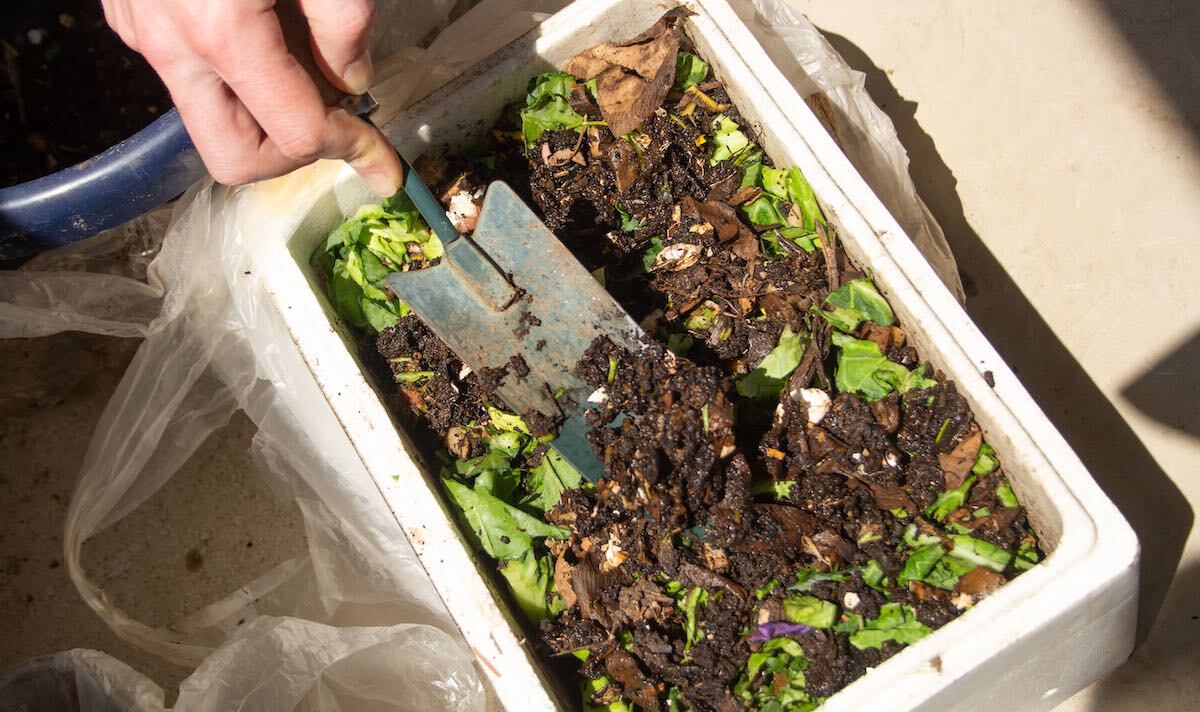
Finished compost represents the culmination of your composting efforts, transforming organic waste into a nutrient-rich resource for your plants. Knowing how to utilize this valuable material effectively can greatly enhance your gardening endeavors, even in small spaces. This section will guide you through determining when your compost is ready for use and explore innovative ways to incorporate it into your gardening practices, particularly in container and indoor settings.
Determining When Compost is Ready
Identifying the readiness of your compost is essential for maximizing its benefits. Finished compost should resemble dark, crumbly soil and have an earthy smell. Key indicators include:
- Color: The compost should be a rich, dark brown, indicating decomposition is complete.
- Texture: It should be crumbly and free of recognizable food scraps or yard waste.
- Smell: A pleasant, earthy aroma suggests the compost is ready, while a foul smell indicates further decomposition is necessary.
- Temperature: The compost no longer generates heat, indicating the microbial activity has slowed down.
Creative Ways to Use Compost in Small Spaces
Utilizing compost in limited spaces can yield remarkable results. Here are several innovative applications for your finished compost within small gardens or container gardening setups:
- Potting Mix Enhancement: Blend finished compost with potting soil to boost the nutrient content of your potted plants.
- Top Dressing: Sprinkle a layer of compost on the surface of your container plants to provide gradual nutrient release and moisture retention.
- Vegetable and Herb Gardens: Incorporate compost directly into the soil for vegetable or herb container gardens, promoting healthy growth.
- Indoor Plant Fertilizer: Mix a small amount of compost into the soil of your indoor plants, supplying them with essential nutrients.
Benefits of Using Compost for Indoor Plants and Balcony Gardens
The benefits of incorporating compost into your indoor and balcony gardens are substantial. Compost serves as a natural fertilizer, enhancing the health of your plants while positively impacting the environment. Key advantages include:
- Nutrient Supply: Compost enriches the soil with essential nutrients, promoting vigorous plant growth.
- Moisture Retention: Compost improves soil structure, enhancing its ability to retain moisture, which is particularly beneficial in container gardening.
- Soil Microbial Activity: The microbes in compost help to foster a thriving soil ecosystem, which is vital for healthy plant roots.
- Reduced Waste: Utilizing finished compost reduces the amount of organic waste sent to landfills, supporting sustainable gardening practices.
Community and Resources for Composting
Incorporating composting into your small apartment or balcony doesn’t have to be a solitary endeavor. Many communities offer resources and programs specifically designed to assist urban dwellers in their composting journey. These initiatives foster a sense of connection among participants while providing valuable support and education about sustainable practices.
Engaging with local composting programs can enhance your experience and enable you to share knowledge and resources with fellow composters. As you build your composting skills, consider exploring workshops, online forums, and educational materials that provide further insights into effective composting techniques.
Local Community Composting Programs
Many cities have developed community composting programs aimed at helping residents, especially those in apartments or small spaces, to compost effectively. These programs may include community drop-off sites, shared compost bins, or local gatherings focused on composting education. Participating in such initiatives can offer not only practical solutions but also the chance to connect with like-minded individuals.
- Community Gardens: Many community gardens provide spaces for composting and may allow residents to contribute organic waste to a communal compost bin.
- Local Waste Management Departments: Check with your local waste management services for any composting programs or resources they may offer.
- Nonprofit Organizations: Some organizations focus on sustainability and may host composting workshops or provide composting bins for urban residents.
Workshops and Online Forums
Participating in composting workshops or engaging in online forums can significantly enhance your composting knowledge and skills. These platforms provide opportunities to learn from experts and share experiences with fellow composters, which can prove invaluable for apartment dwellers.
- Workshops: Look for local workshops focusing on composting in small spaces; these are often hosted by universities, local governments, or environmental organizations.
- Online Forums: Websites and social media platforms often host forums where composters can exchange tips, ask questions, and share successes or challenges.
- Webinars: Many organizations offer webinars on specific composting topics, which are accessible from the comfort of your home.
Online Resources and Recommended Reading
A wealth of information is available online and in print, allowing individuals to dive deeper into the art of composting, especially in small spaces. The following resources can provide valuable insights and guidance:
- Books: “Composting for Dummies” by Katherine A. E. Wooten and “Let It Rot!: The Gardener’s Guide to Composting” by Stu Campbell are excellent starting points.
- Websites: The Composting Council and local gardening extension websites often provide extensive resources, articles, and guides tailored for urban composting.
- Blogs and YouTube Channels: Many composting enthusiasts share their experiences and tips through blogs and video content, offering practical demonstrations.
Wrap-Up
In conclusion, composting in a small apartment or balcony is not only feasible but also highly rewarding. By implementing the discussed methods, maintaining your compost system, and utilizing the resulting compost for your plants, you can contribute to a more sustainable urban environment. Engaging with local community resources further enhances this journey, allowing you to share experiences and tips with fellow composters, ultimately fostering a community focused on sustainability and environmental stewardship.