How to Compost in a Very Dry or Arid Climate invites you to explore the fascinating world of composting in challenging environments. With the growing awareness of sustainable practices, understanding how to effectively compost in arid regions not only enhances soil health but also promotes water conservation and plant resilience. This guide equips you with the essential knowledge to transform organic waste into nutrient-rich compost, despite the arid conditions.
By delving into the fundamentals of composting, suitable materials, and effective techniques for moisture retention, this discussion sheds light on overcoming the unique challenges presented by dry climates. You will learn how to select the right composting system, manage temperature fluctuations, and troubleshoot common issues, ultimately leading to a successful composting experience that benefits both your garden and the environment.
Understanding Composting Basics
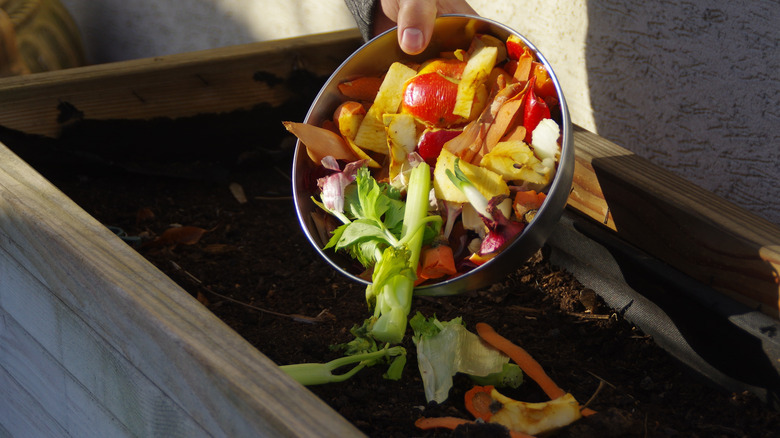
Composting is a natural process that transforms organic waste into nutrient-rich soil amendments. In arid climates, the principles of composting remain foundational but require specific adaptations to mitigate challenges such as low moisture content and high evaporation rates. By grasping these essential components and addressing common misconceptions, gardeners and compost enthusiasts can successfully create compost even in the driest of conditions.The fundamental principles of composting revolve around the decomposition of organic matter facilitated by microorganisms.
In dry climates, maintaining adequate moisture levels is crucial, as these microorganisms thrive in moist environments. The compost pile should ideally consist of a balanced mix of green materials, which are nitrogen-rich (such as vegetable scraps and grass clippings), and brown materials, which are carbon-rich (like dry leaves and cardboard). These components not only provide nutrition for the decomposers but also help to establish a suitable environment for aerobic decomposition.
Essential Components of a Successful Compost Pile in Dry Conditions
Creating a successful compost pile in arid regions involves several key components that must be carefully managed to ensure optimal decomposition. Each component plays a role in maintaining balance within the composting process, particularly concerning moisture retention and aeration.
- Moisture Management: Regularly check the moisture level of the compost pile. It should feel like a damp sponge, requiring periodic watering, particularly during dry spells. This is critical for sustaining microbial activity.
- Carbon to Nitrogen Ratio: Aim for a carbon to nitrogen ratio of approximately 30:1. This balance ensures that there is enough nitrogen to fuel the decomposers while carbon provides structure and aeration.
- Size of Materials: Smaller pieces decompose faster. Chopping or shredding materials before adding them to the pile can accelerate the composting process, making it more efficient in arid climates.
- Aeration: Regular turning of the compost pile enhances aeration, which is essential in dry environments. This helps to maintain oxygen levels, allowing microorganisms to thrive and speeding up decomposition.
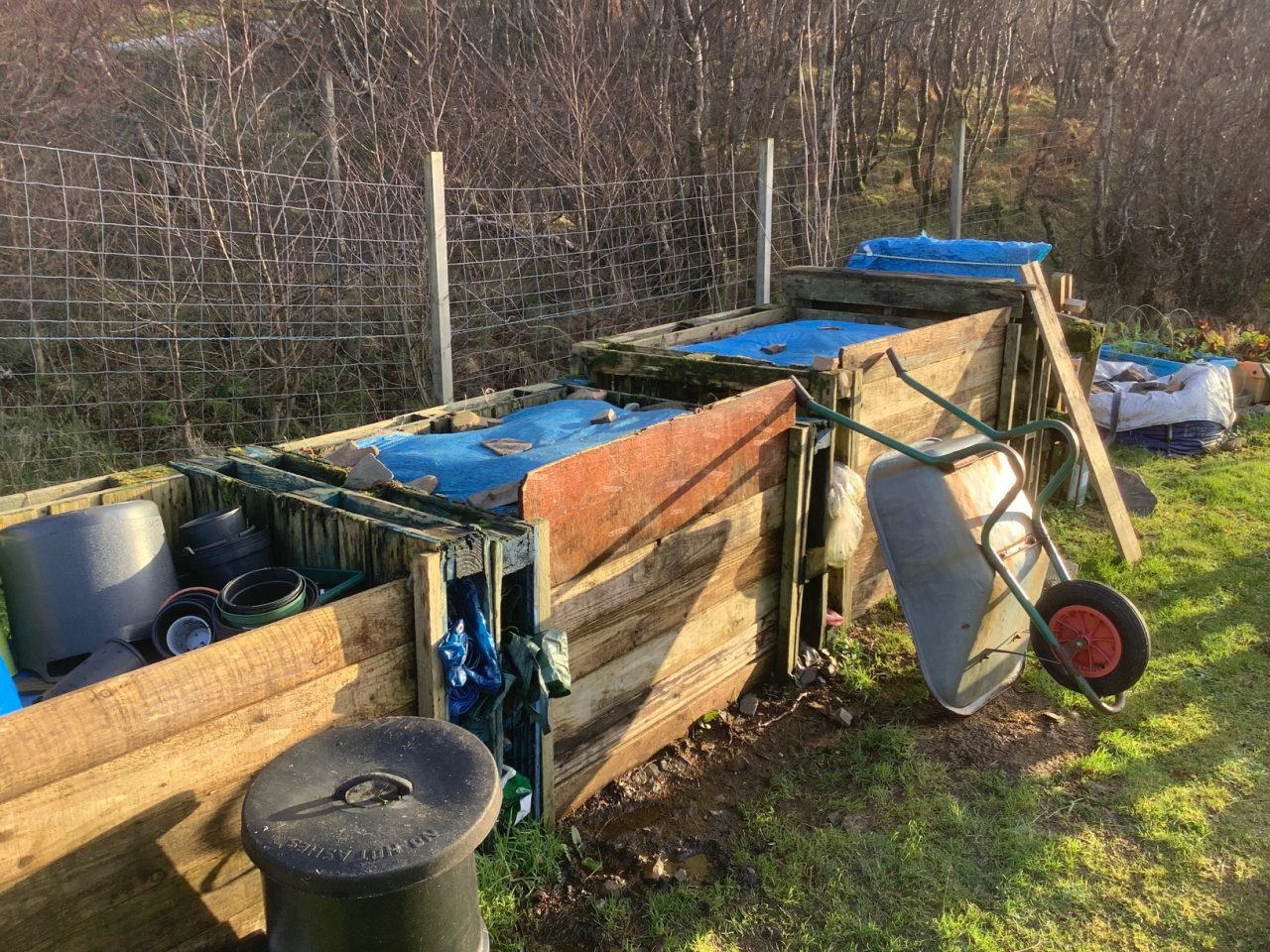
- Covering the Pile: Using a tarp or breathable cover can help retain moisture in the compost pile and protect it from extreme temperatures and direct sunlight.
Common Misconceptions about Composting in Dry Environments
Several misconceptions can hinder the composting efforts of those in arid climates. Understanding and addressing these misunderstandings can lead to more successful composting experiences.
- Composting is impossible in dry climates: While challenges exist, composting is very much achievable with proper techniques, such as adding moisture and managing the materials effectively.
- Only wet materials can be composted: While moisture is essential, dry materials are equally important. Brown materials help balance the moisture content and provide necessary carbon.
- Frequent turning is not needed: In arid climates, turning the compost pile regularly is vital to ensure adequate aeration and prevent the pile from becoming too compacted.
- All organic waste can be composted without consideration: Careful selection of compostable materials is crucial. Avoid adding greasy, oily, or diseased materials, which can introduce pests and bad odors.
Selecting the Right Materials for Dry Climate Composting

In arid climates, selecting the appropriate materials for composting is essential for maintaining moisture and ensuring effective decomposition. The unique challenges posed by low humidity and high temperatures necessitate a thoughtful approach to material selection, enabling composters to create nutrient-rich soil amendments despite the environmental conditions. Understanding which organic materials thrive in these settings is crucial for successful composting.To effectively manage compost in dry climates, it is important to strike a balance between green materials, which are rich in nitrogen, and brown materials, which provide carbon.
This balance facilitates microbial activity, promotes healthy decomposition, and ultimately leads to high-quality compost. In arid conditions, the right composition can significantly affect the moisture retention and breakdown rates of compost materials.
Suitable Organic Materials for Dry Climates
When composting in a dry climate, certain organic materials can help retain moisture and break down efficiently. These materials include:
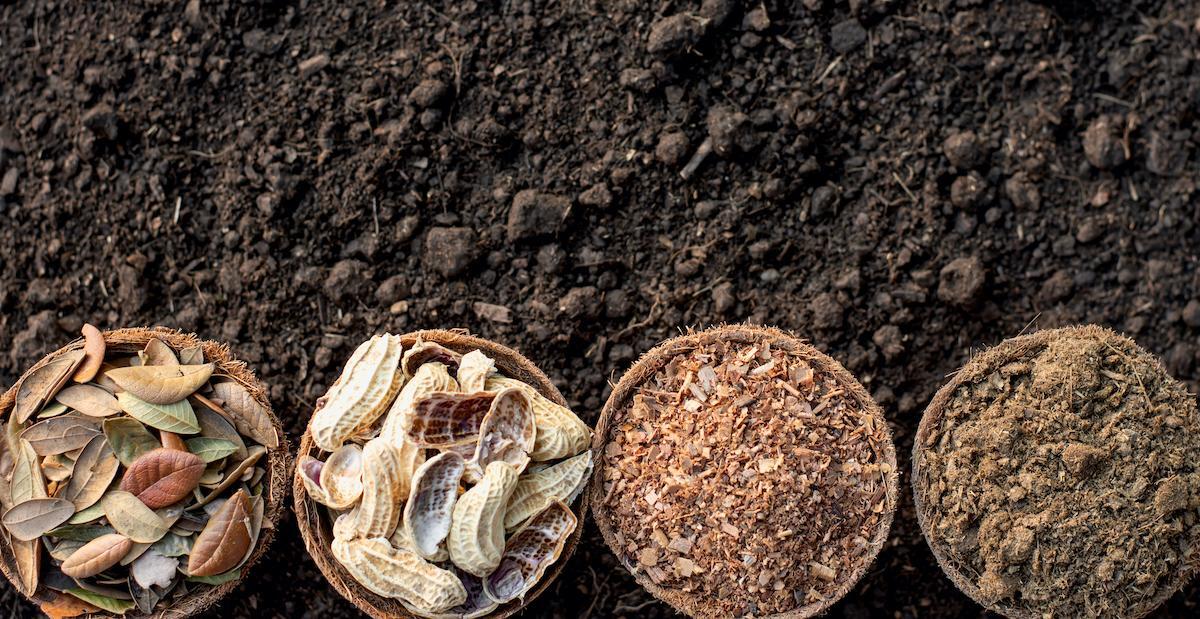
- Leaf litter: Dry leaves can help absorb moisture and provide a carbon source, supporting microbial life.
- Grass clippings: Fresh grass clippings are rich in nitrogen; however, they should be mixed with brown materials to avoid compacting and drying out.
- Kitchen scraps: Vegetable peels, fruit cores, and other food waste can contribute moisture and nutrients to the compost pile.
- Wood chips: They break down slowly but help improve aeration and moisture retention in the compost.
- Straw or hay: These materials are excellent for adding bulk to the compost and increasing its water-holding capacity.
Including these materials can enhance the composting process, enabling the mixture to retain necessary moisture despite the surrounding arid conditions.
Balancing Green and Brown Materials in Compost
Achieving an optimal mix of green and brown materials is vital for effective composting in dry climates. Green materials, rich in nitrogen, fuel the decomposition process, while brown materials provide carbon, ensuring the compost retains moisture and has proper structure.The commonly recommended ratio is approximately 1 part green materials to 3 parts brown materials. This balance helps maintain the correct moisture levels, promotes microbial activity, and minimizes the risk of odor or pest issues.
Consider the following for a successful balance:
“A well-balanced compost pile retains moisture while providing essential nutrients for plant growth, even in arid conditions.”
Unconventional Compost Materials for Low-Humidity Conditions
In addition to standard compost materials, several unconventional options can enhance composting efforts in dry climates. These materials can effectively retain moisture and provide essential nutrients:
- Coconut coir: Derived from coconut husks, coir is an excellent moisture-retentive material that helps maintain aeration in the compost.
- Cardboard and paper: Shredded cardboard and paper can add carbon to the compost while also aiding moisture retention when used in moderation.
- Wood ash: While high in potassium and calcium, wood ash should be used sparingly, as it can alter the pH of the compost.
- Animal bedding: Straw or wood shavings from animal bedding can serve as a source of carbon and help absorb moisture.
- Comfrey leaves: Rich in nutrients, these leaves can break down quickly and provide additional moisture content.
Utilizing these unconventional materials can diversify the compost pile and improve overall effectiveness, making it easier to create rich, healthy compost even in challenging dry climates.
Techniques to Retain Moisture in Compost
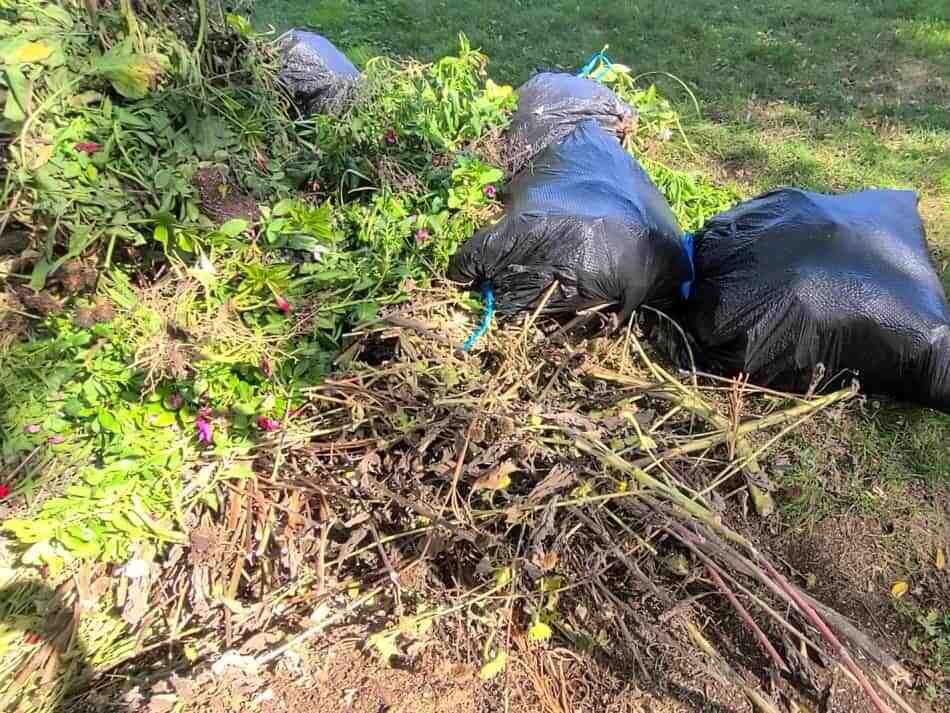
In arid climates, retaining moisture in compost is essential to ensure successful decomposition and nutrient availability. Implementing effective techniques can significantly enhance the moisture levels in compost piles, promoting a healthy microbial environment. By understanding the methods available, composters can maintain optimal moisture conditions even in challenging weather.
Using Mulch and Moisture-Retaining Additives
Incorporating mulch and moisture-retaining additives plays a critical role in enhancing water retention in compost. Mulch can prevent evaporation and maintain a stable temperature within the compost pile. Common materials used for this purpose include straw, wood chips, and dried leaves. These not only help retain moisture but also contribute additional carbon to the compost, improving overall composition.Moisture-retaining additives such as coconut coir, peat moss, or hydrogel products can also be beneficial.
These substances absorb water and release it slowly, ensuring a consistent supply of moisture to the composting materials. The selection of appropriate additives depends on availability and specific composting objectives.
Aeration Techniques in Arid Climates
Aeration is vital in composting, particularly in dry conditions, as it helps facilitate air circulation which is crucial for aerobic decomposition. Proper aeration prevents the compost from becoming overly compacted, which can hinder moisture retention. Techniques to achieve effective aeration include:
- Turning the Compost: Regularly turning the compost pile introduces oxygen and helps redistribute moisture, ensuring that all materials have access to air.
- Layering: Creating layers of different materials—such as alternating greens (nitrogen-rich) and browns (carbon-rich)—can enhance airflow and support moisture retention.
- Using Aeration Tubes: Installing perforated pipes or tubes within the compost pile can promote airflow, especially in larger piles, reducing the risk of anaerobic conditions.
The combination of adequate aeration and moisture management ensures a thriving composting process, even in arid climate conditions.
Monitoring and Maintaining Moisture Levels
Effectively monitoring and maintaining moisture levels in compost is crucial for successful decomposition. The ideal moisture content in compost should be comparable to a damp sponge—moist but not overly wet. To achieve this, consider the following practices:
- Regular Inspections: Observe the compost pile frequently for signs of dryness or excessive moisture. Adjustments can be made based on visual assessments.
- Moisture Meters: Utilizing moisture meters can provide accurate readings of the moisture content in the compost, allowing for precise adjustments to be made.
- Watering Techniques: When adding water, it is important to do so gradually and evenly, ensuring that the moisture penetrates throughout the entire pile without causing waterlogging.
By employing these methods, composters can maintain appropriate moisture levels that enhance the decomposition process and promote a healthier compost environment.
Composting Systems Suitable for Arid Environments
In arid climates, selecting the appropriate composting system becomes crucial for effective waste management and soil enrichment. The unique environmental challenges, including low humidity and high evaporation rates, necessitate a thoughtful approach to composting. Various methods can be employed, each with its specific benefits and drawbacks concerning moisture retention and space utilization.
Comparison of Composting Systems
Different composting systems can be evaluated based on their suitability for dry climates. Below are common systems with their respective pros and cons regarding moisture management:
1. Bin Composting
Bin composting involves using a stationary structure, typically made of wood, plastic, or metal, to contain organic waste. This method can be beneficial in arid environments, as it allows for an organized approach to composting while minimizing moisture loss.
Advantages
Retains moisture better than open piles due to reduced exposure to wind.
Can be strategically placed in shaded areas to further reduce evaporation.
Disadvantages
Requires regular monitoring for moisture levels.
May need additional water inputs during prolonged dry spells.
2. Tumbler Composting
Tumbler composters are enclosed, rotating bins that facilitate aeration and mixing of compost materials. While they can effectively speed up the composting process, their design poses both benefits and challenges in arid regions.
Advantages
Enhanced aeration can improve decomposition rates, which can be beneficial for maintaining moisture levels.
Easier to manage and less prone to pests.
Disadvantages
Higher evaporation rates due to exposure to air, requiring more frequent watering.
Limited capacity may necessitate multiple units for larger composting needs.
3. Vermicomposting
This method employs worms to decompose organic matter, producing nutrient-rich compost. It can be particularly effective in arid climates where traditional composting may struggle.
Advantages
Worms thrive in moist conditions, making it easier to control moisture levels.
Space-efficient and can be performed indoors or in shaded outdoor areas.
Disadvantages
Requires careful moisture management; over-drying can harm the worms.
Initial setup and maintenance may be more complex compared to traditional composting.
4. Hot Composting
Hot composting utilizes larger piles and a balance of green and brown materials to create heat, accelerating the decomposition process. In arid climates, managing moisture becomes essential.
Advantages
Creates high temperatures that can help sterilize materials and break down tough organic matter quickly.
If managed correctly, can maintain moisture within the core of the pile.
Disadvantages
Requires significant attention to maintain optimal moisture levels, especially in dry conditions.
Larger space requirements may be a constraint in urban settings.
Optimal Composting Setup Design
When designing a composting setup for arid regions, several environmental factors should be considered. The following key elements contribute to an efficient and effective composting system:
Location
Positioning compost bins or tumblers in shaded areas can significantly reduce moisture evaporation. Windbreaks, such as fences or hedges, can also help protect the compost from drying winds.
Material Selection
Use a mix of coarse materials (e.g., straw, wood chips) to improve aeration and moisture retention. Incorporating moisture-retaining additives like biochar can enhance the compost’s ability to hold water.
Size and Capacity
Choose systems that fit available space while allowing for adequate airflow and moisture retention. Smaller bins may be suitable for limited spaces, while larger systems require careful moisture management.
Watering Techniques
Implementing drip irrigation or soaker hoses can provide consistent moisture without over-saturating the compost. Regularly checking moisture levels will help maintain the right balance for decomposition.In conclusion, selecting the right composting system for arid environments involves weighing the advantages and disadvantages of each method concerning moisture management. By designing an optimal setup tailored to the unique challenges of dry climates, gardeners can successfully enrich their soil and reduce waste.
Managing Temperature in a Dry Climate Compost
Maintaining optimal temperature levels within a compost pile is crucial for effective decomposition, especially in dry climates where external conditions can significantly impact heat generation. In arid environments, the fluctuations in temperature can pose challenges to the composting process, which requires a balance of moisture and heat to thrive. Understanding how to manage these temperature variations will enhance the efficiency of composting in such regions.Compost piles naturally fluctuate in temperature due to microbial activity and environmental conditions.
In a healthy compost system, temperatures can rise significantly, often reaching between 130°F to 160°F (54°C to 71°C) as decomposition occurs. However, in dry climates, the absence of moisture can impede microbial activity, leading to lower heat generation and slower decomposition. Moreover, higher ambient temperatures can exacerbate moisture loss, creating a cycle that further hinders composting efficiency.
Strategies to Regulate Temperature During Extreme Heat
Managing temperature in compost during periods of extreme heat requires proactive approaches to retain both heat and moisture. Effective strategies can ensure that microbial activity continues without interruption. Some key methods include:
Turning the Compost Pile
Regularly aerating the compost by turning the pile can help distribute heat evenly, preventing hot spots and promoting uniform decomposition. This practice also aids in moisture retention by mixing moist materials with drier ones.
Adding Moisture-Retaining Materials
Incorporating materials such as straw or dried leaves can help absorb moisture and regulate temperature. These materials create air pockets that retain humidity while reducing the risk of overheating.
Covering the Pile
Providing shade for the compost pile during peak heat hours can significantly lower the surface temperature. Using a tarp or other insulating materials can shield the pile from direct sunlight, preserving moisture and heat.
Creating a Compost “Insulation” Layer
Building an insulating layer around the compost can help maintain temperature stability. This might involve using materials such as straw bales or old blankets that provide thermal protection from extreme heat.
The Role of Insulation in Composting
Insulation plays a vital role in maintaining consistent temperature levels within compost piles, particularly in arid regions where heat can fluctuate dramatically. Implementing insulation can optimize the composting process by protecting it from temperature extremes.To effectively insulate compost in dry climates, consider the following techniques:
Use of Organic Mulch
Layering organic mulch on top of the compost pile can help keep heat in and moisture from evaporating. This mulch layer acts as a protective barrier against direct sun exposure.
Building a Compost Bin with Insulation
Consider constructing a compost bin that includes insulation materials such as recycled foam or straw. A well-insulated bin can maintain internal temperatures more effectively than an unprotected pile.
Placement of the Compost Pile
Positioning the compost pile in a shaded area can naturally insulate it from extreme heat. Areas that receive morning sun and afternoon shade are ideal for maintaining moderate temperature levels.By implementing these strategies, composters in dry climates can effectively manage temperature variations, ensuring a robust composting process that leads to nutrient-rich soil amendments.
Troubleshooting Common Issues in Dry Climate Composting
In arid environments, composting can present unique challenges that require specific strategies to ensure successful decomposition. This section will highlight common problems faced during the composting process in dry climates, alongside solutions to mitigate these issues. Understanding these challenges will empower composters to maintain healthy compost piles, even in less-than-ideal conditions.
Identifying and Solving Common Problems
Composting in dry climates often leads to difficulties such as insufficient moisture, pest infestations, and unpleasant odors. Recognizing these problems early allows for prompt intervention. Common issues include:
- Dryness: Insufficient moisture is a frequent issue in arid climates, leading to slow decomposition.
- Pests: Rodents and insects may be attracted to compost piles, which can disrupt the composting process.
- Odors: An imbalance in carbon-to-nitrogen ratios or inadequate aeration may result in foul smells.
To address these issues effectively, consider the following solutions:
- Regularly monitor moisture levels and actively water the compost pile when it appears dry.
- Incorporate materials that retain moisture, such as straw or shredded newspaper, to help maintain humidity.
- Use a closed composting system or bins with tight-fitting lids to deter pests.
- Ensure a balanced mix of green and brown materials to help avoid odor issues; aim for a 2:1 ratio of browns to greens.
Preventing Pest Infestations and Odor Issues
Maintaining a healthy compost pile involves strategies that not only promote decomposition but also deter pests and mitigate odors. Key prevention measures include:
- Turning the compost regularly introduces oxygen, which helps prevent anaerobic conditions that lead to odors.
- Covering the compost with a tarp or using a lid keeps moisture in and pests out.
- Adding a layer of coarse material such as wood chips on top of kitchen scraps can discourage pests.
- Monitoring the compost pile’s temperature helps ensure it remains within an optimal range for decomposition.
Implementing these practices reduces the likelihood of infestations and odor issues, fostering a more efficient composting environment.
Signs of a Healthy Compost Pile
Recognizing the signs of a healthy compost pile is crucial for effective management. A thriving compost pile should display the following characteristics:
- A pleasant earthy smell, which indicates aerobic activity is occurring.
- Warmth in the center of the pile, suggesting microbial activity.
- A dark, crumbly texture that resembles fertile soil.
- Stable moisture content; the pile should feel like a damp sponge, not soggy.
If any issues arise within the compost pile, such as foul odors or an overly dry texture, immediate action is necessary. To restore balance, consider:
- Incorporating more greens to boost nitrogen levels or browns for carbon.
- Watering the pile to add moisture without saturating it.
- Turning the pile to aerate and encourage the breakdown of materials.
By recognizing and addressing these signs, composters can maintain a healthy composting ecosystem even in challenging dry climates.
Benefits of Composting in Arid Regions
Composting in arid regions presents a unique array of ecological, agricultural, and community advantages. By transforming organic waste into nutrient-rich compost, inhabitants of dry climates can significantly contribute to soil health, enhance water conservation, and improve plant resilience in challenging conditions.Composting not only enriches soil but also plays a critical role in fostering a sustainable environment. The ecological benefits are particularly pronounced in arid regions where soil tends to be depleted and water resources are scarce.
By incorporating compost into the soil, it can improve its structure, enhance nutrient availability, and increase organic matter content, all vital for sustaining plant growth amidst drought conditions.
Ecological Advantages
The ecological benefits of composting in arid regions include improved soil health and efficient water conservation strategies. Composting helps to:
-
Enhance Soil Structure:
Compost improves soil aeration and water infiltration, promoting better root growth and resilience against erosion.
-
Increase Nutrient Retention:
Compost acts as a slow-release source of nutrients, ensuring that plants have a steady supply of essential elements even during dry spells.
-
Support Microbial Diversity:
The addition of compost introduces beneficial microorganisms that help break down organic matter, enhancing soil fertility and structure.
-
Facilitate Carbon Sequestration:
Composting contributes to carbon storage in soils, helping mitigate climate change impacts by reducing atmospheric CO2 levels.
Enhancing Plant Growth and Resilience
In arid conditions, plant survival hinges on both the availability of water and the health of the soil. Composting contributes to enhanced plant growth in several ways:
-
Improved Water Retention:
Compost can retain moisture in the soil, reducing the frequency of irrigation required and helping plants withstand longer dry periods.
-
Increased Soil Fertility:
By enriching the soil with organic matter, compost provides essential nutrients, leading to healthier and more robust plant growth.
-
Strengthened Plant Resilience:
Healthy soil promotes deeper root systems, allowing plants to access moisture and nutrients more effectively, thus increasing their resilience against drought.
Community and Economic Benefits
Implementing composting practices within communities in arid areas offers substantial economic and social advantages. These benefits can include:
-
Reduction in Waste Disposal Costs:
Composting minimizes the amount of organic waste sent to landfills, consequently reducing disposal fees for municipalities.
-
Creation of Green Jobs:
The establishment of composting facilities or community composting programs can create local employment opportunities, fostering economic growth.
-
Enhanced Community Engagement:
Composting initiatives can promote community involvement and education, leading to stronger community ties and shared responsibility for environmental stewardship.
-
Improved Local Food Production:
By enriching soils with compost, communities can boost local agricultural productivity, leading to greater food security and self-sufficiency.
Closing Notes
In summary, mastering the art of composting in a very dry or arid climate presents both challenges and opportunities. By implementing thoughtful strategies and selecting appropriate materials, you can create a thriving compost pile that enhances soil quality and contributes to sustainable gardening practices. As you embark on this rewarding journey, remember that the benefits extend beyond just your garden; they contribute to ecological health and community well-being.