How to Compost Meat and Dairy Using a Bokashi System opens a world of possibilities for sustainable living. This innovative method allows you to recycle kitchen scraps that are typically challenging to compost, such as meat and dairy, transforming them into nutrient-rich compost. By understanding the principles of Bokashi composting, you can contribute positively to the environment while enhancing your gardening efforts.
The process is not only efficient but also remarkably simple to set up. With a focus on fermentation and the use of microorganisms, the Bokashi system effectively minimizes odors and attracts beneficial bacteria that support the decomposition of organic materials. Embracing this approach will empower you to tackle food waste more effectively and create a flourishing ecosystem in your garden.
Introduction to Bokashi Composting
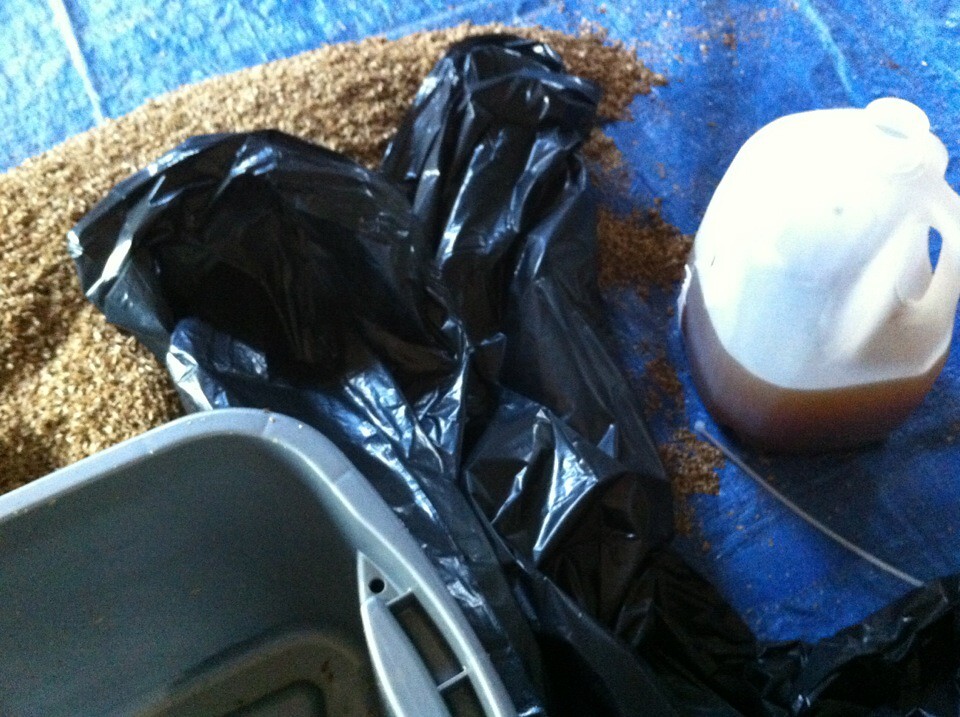
Bokashi composting is an innovative method that utilizes fermentation to break down organic waste, including meat and dairy products, which are typically more challenging to compost through traditional means. This system makes use of a specific blend of microorganisms that work efficiently to hasten the decomposition process, providing a sustainable solution for managing organic waste.The principles of Bokashi composting revolve around anaerobic fermentation, which involves the use of a Bokashi bran—rich in beneficial microbes—to inoculate the organic materials.
This process transforms waste into a nutrient-rich compost that can enhance soil health and plant growth. One of the significant benefits of using the Bokashi system for composting meat and dairy is its ability to effectively neutralize odors and pathogens, thus facilitating the inclusion of food scraps that are often avoided in conventional composting systems.
Bokashi System Setup
Setting up a Bokashi system is straightforward and requires minimal space, making it an accessible option for both urban and rural dwellers. The essential components of the Bokashi composting setup include a Bokashi bucket, Bokashi bran, and a location for composting. A typical Bokashi bucket is a sealed container with a spigot at the bottom for draining excess liquid, known as “Bokashi tea,” which can be used as a liquid fertilizer.
It is crucial to maintain an anaerobic environment to ensure effective fermentation. The process begins by layering food scraps, including meat and dairy, with Bokashi bran in the bucket. Each layer should be compressed to eliminate air pockets, which can hinder fermentation. The fermentation process generally takes about two weeks, during which the contents of the bucket should be kept sealed.
After this period, the fermented material can be buried in soil or added to a traditional compost pile, where it will further break down and enrich the soil. In summary, Bokashi composting presents a practical and effective approach to managing waste, especially for those seeking to compost organic materials that are often excluded from traditional methods. This system not only reduces waste but also promotes a healthier environment by recycling nutrients back into the ecosystem.
Understanding Meat and Dairy in Composting
Composting meat and dairy can be a contentious topic among compost enthusiasts due to the unique challenges and considerations these materials present. While traditional composting techniques often discourage the addition of animal products, the Bokashi system offers a viable alternative that allows for their inclusion. This section delves into the challenges, nutritional benefits, and environmental impacts associated with composting meat and dairy products.The challenges of composting meat and dairy primarily stem from their susceptibility to spoilage and attraction of pests.
Unlike plant materials, these products can generate odors and harbor pathogens if not managed correctly. Furthermore, traditional composting systems may not reach the necessary temperatures to effectively break down these materials, leading to anaerobic conditions that can produce foul smells. However, understanding and managing these challenges can unlock the numerous benefits of incorporating such nutrient-dense materials into compost.
Challenges of Composting Meat and Dairy
When composting meat and dairy products, several issues must be considered to ensure successful integration into the Bokashi system. These challenges include:
- Odor Management: Meat and dairy can produce strong odors as they decompose, which can create unpleasant conditions if not contained properly.
- Pest Attraction: The presence of animal products may attract unwanted pests, including rodents and insects, which can disrupt the composting process.
- Pathogen Risks: Improperly composted meat and dairy can harbor pathogens, posing risks to human health and safety.
- Moisture Regulation: These materials can introduce excess moisture into the compost system, potentially leading to anaerobic conditions if not balanced with dry materials.
Nutritional Benefits of Composting Meat and Dairy
Despite the challenges, composting meat and dairy can yield significant nutritional benefits for the resulting compost. The inclusion of these materials enhances the compost’s nutrient profile, offering vital elements that promote plant growth. Key benefits include:
- Rich in Nitrogen: Meat and dairy are high in nitrogen, which is essential for plant growth and helps to support the overall nutrient balance in compost.
- Micronutrients: These materials provide important micronutrients, including calcium and phosphorus, contributing to healthier soil and plants.
- Organic Matter: The decomposition of meat and dairy adds organic matter, improving soil structure, water retention, and microbial activity.
- Enhanced Soil Fertility: The resulting compost can significantly improve soil fertility, leading to more productive gardens and agricultural systems.
Environmental Impact of Adding Meat and Dairy to Compost
The environmental implications of composting meat and dairy are multifaceted. Properly managed composting systems contribute positively to waste reduction and soil health. Some key environmental considerations include:
- Waste Diversion: Composting meat and dairy diverts organic waste from landfills, reducing methane emissions and contributing to climate change mitigation.
- Soil Health Restoration: The application of nutrient-rich compost enhances soil health, promoting biodiversity and ecosystem resilience.
- Carbon Sequestration: Healthy compost systems can sequester carbon in the soil, helping to combat atmospheric carbon levels.
- Resource Efficiency: Composting these materials makes use of resources that would otherwise contribute to environmental degradation, promoting sustainability.
Setting Up a Bokashi System
Setting up a Bokashi system is an effective and efficient way to compost organic waste, particularly meat and dairy products, that are typically challenging to include in traditional composting methods. This innovative method utilizes fermentation rather than decomposition, making it suitable for various kitchen scraps while minimizing odors and pests.To establish a successful Bokashi system, certain materials and steps are essential.
The principle of Bokashi composting relies on a sealed bin, effective microbial inoculants, and proper layering of waste. Here, we Artikel the necessary components and the process of setting up your Bokashi bin.
Materials Needed for a Successful Bokashi Setup
To effectively initiate your Bokashi system, gather the following materials:
- Bokashi Bin: A sturdy, airtight container with a tight-fitting lid is crucial to creating an anaerobic environment. Look for models with a spigot at the bottom for easy draining of liquid.
- Bokashi Bran: This is a mixture of bran, sugar, and effective microorganisms (EM). It aids in the fermentation process and can often be purchased from gardening or online stores.
- Kitchen Scraps: Collect organic waste that includes fruits, vegetables, meat, and dairy. Ensure that these are cut into smaller pieces to accelerate fermentation.
- Measuring Cup: For accurate portions of Bokashi bran to be added to your scraps.
- Liquid Collection Tray: If your bin does not have a built-in spigot, a tray helps catch the liquid produced during fermentation, which can be diluted and used as fertilizer.
These materials will form the foundation of your Bokashi system, facilitating effective fermentation of organic waste.
Step-by-Step Guide to Setting Up a Bokashi Bin
Establishing your Bokashi system involves a straightforward process:
- Choose a Location: Select a suitable spot in your kitchen or outdoor area that is easily accessible and away from direct sunlight. Consider using a bin that can fit under a sink or in a cabinet.
- Prepare the Bin: Ensure that the Bokashi bin is clean and dry before use. If using a used container, rinse it thoroughly to prevent contamination.
- Layering: Start by adding a layer of Bokashi bran at the bottom of the bin. This prepares the base for fermentation.
- Add Kitchen Scraps: Place your organic waste into the bin, ensuring to chop it into smaller pieces to expedite the fermentation process.
- Sprinkle Bokashi Bran: After every layer of scraps, add a handful of Bokashi bran to inoculate the waste with beneficial microorganisms.
- Seal the Bin: Close the lid tightly to maintain an anaerobic environment. This step is vital to avoid any foul odors and encourage effective fermentation.
- Drain the Liquid: Periodically check the liquid collection tray or spigot and drain any liquid produced during the fermentation process. This liquid can be diluted with water and used as a nutrient-rich fertilizer.
- Fermentation Time: Allow the bin to ferment for approximately 2-4 weeks, depending on the volume of waste and environmental conditions. After this period, the contents should smell slightly sweet and tangy.
Following these steps will ensure your Bokashi system is properly established, ready to process kitchen waste efficiently.
Maintaining a Clean and Odor-Free Environment
To keep your Bokashi system clean and odor-free, consider the following tips:
- Regular Maintenance: Check your bin regularly for leaks or signs of excess moisture. Keeping the bin clean prevents odors and pest attraction.
- Proper Sealing: Always ensure the lid is tightly sealed after adding waste to maintain anaerobic conditions. This helps in reducing any unpleasant smells.
- Balanced Waste Inputs: Aim for a balance of carbon-rich materials (like vegetable scraps) and nitrogen-rich materials (like meat and dairy) to prevent foul odors.
- Monitor Fermentation: If you notice an overwhelming smell, it might indicate too much liquid or lack of Bokashi bran. Adjust accordingly by adding more bran or draining excess liquid.
- Composting in Batches: Limit the amount of waste you add at one time. Smaller, more manageable batches reduce the risk of odor and make it easier to monitor the fermentation process.
Implementing these maintenance strategies will enhance the effectiveness of your Bokashi system and ensure a smooth composting experience, promoting a healthier and more sustainable environment.
Adding Meat and Dairy to Bokashi
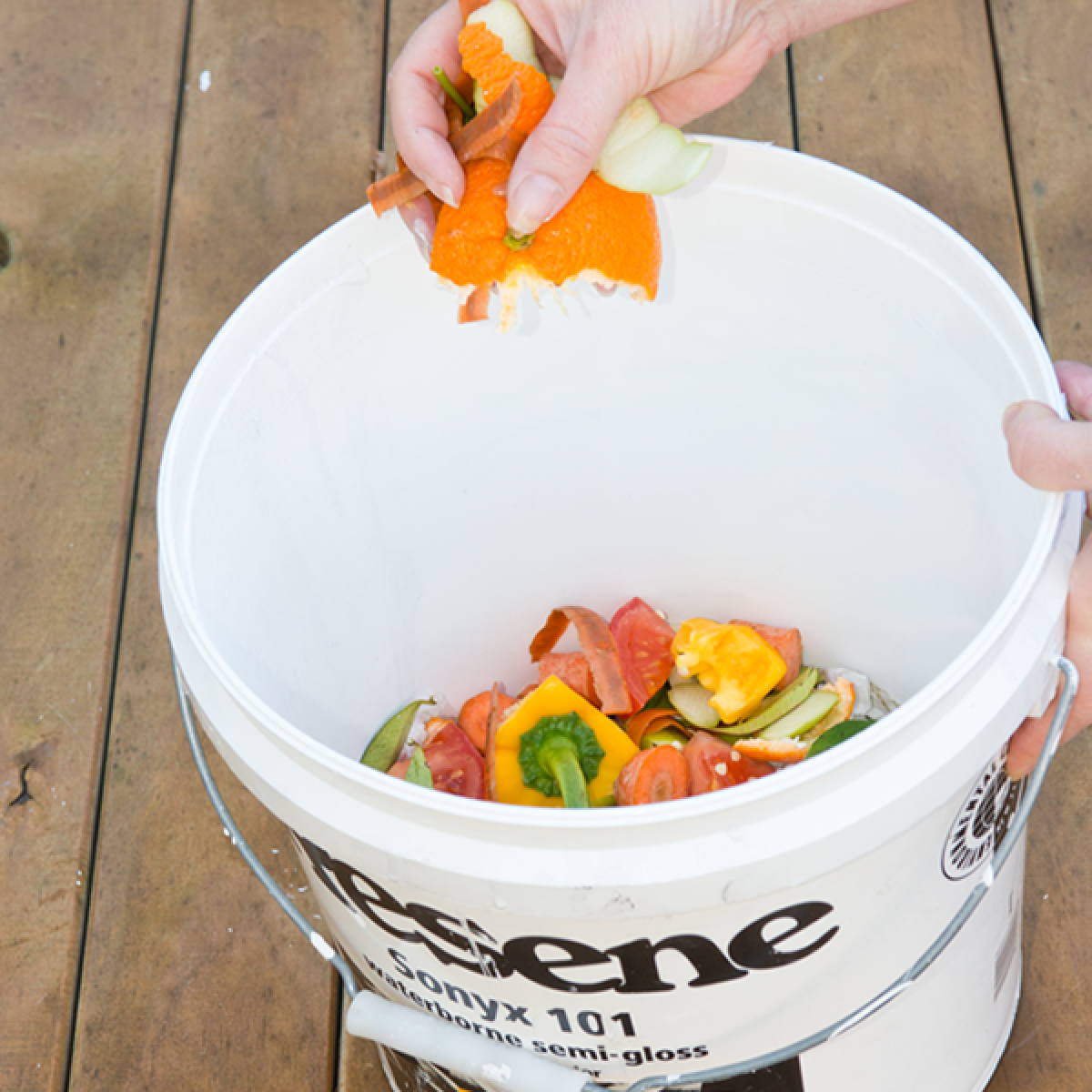
Adding meat and dairy products to a Bokashi composting system can significantly enhance nutrient availability for the resulting compost. While these items are often considered unsuitable for conventional composting due to odor and pest concerns, the Bokashi method provides a unique solution by utilizing fermentation to break down these materials safely and effectively. This section Artikels the process of incorporating meat and dairy into your Bokashi bin, ensuring you can do so without complications.To begin the process of adding meat and dairy to your Bokashi system, it is essential to prepare these materials properly to facilitate their fermentation.
This preparation involves cutting larger pieces into smaller portions to enhance microbial activity and ensure that the Bokashi bran can effectively penetrate the food. Additionally, it is crucial to maintain a balance in your bin, as the introduction of these items can increase moisture levels. Therefore, it is advisable to layer meat and dairy with dry materials such as shredded paper or cardboard.
Preparation Methods for Meat and Dairy
Properly preparing meat and dairy before adding them to the Bokashi bin is vital for optimal fermentation. The following methods can help ensure that these food scraps break down efficiently:
- Chop or shred: Cut meat and dairy products into smaller pieces to increase surface area and facilitate quicker fermentation.
- Minimize moisture: If using particularly watery dairy products, such as yogurt, consider draining excess liquid before adding them to the bin to reduce moisture levels.
- Mix with Bokashi bran: Coat the prepared meat and dairy with a generous layer of Bokashi bran, which contains beneficial microorganisms that kickstart the fermentation process.
- Avoid excessive amounts: Limit the quantity of meat and dairy to prevent overwhelming the Bokashi bin; a good ratio includes about 20% of these materials relative to other kitchen scraps.
The importance of utilizing Bokashi bran enriched with added microorganisms cannot be overstated in this process. The bran contains a combination of beneficial microbes, including lactic acid bacteria, yeasts, and molds, which play a crucial role in the fermentation of meat and dairy products. These microorganisms help to break down fats and proteins more effectively than traditional composting methods, reducing the risk of odors and attracting pests.
“Incorporating Bokashi bran with microorganisms enhances the fermentation process, ensuring that meat and dairy can be transformed into nutrient-rich compost without unpleasant side effects.”
By following these guidelines for adding meat and dairy to your Bokashi system, you can create a more diverse compost that enriches your garden soil and supports plant health.
Fermentation Process

The fermentation process in a Bokashi system is a crucial aspect that enables the effective composting of organic materials, including meat and dairy. This process is facilitated by beneficial microorganisms that thrive in an anaerobic environment, breaking down the waste into a nutrient-rich compost. Understanding this fermentation process is essential for anyone looking to maximize the efficiency and effectiveness of their Bokashi composting efforts.During fermentation, the Bokashi system employs a specific blend of microorganisms, including yeast and lactic acid bacteria, to initiate the breakdown of the waste.
Once food waste is introduced into the Bokashi bin and covered with Bokashi bran, the microorganisms begin to multiply. They consume the sugars and proteins in the waste, producing organic acids, enzymes, and gases that help preserve the material while simultaneously breaking it down. This anaerobic fermentation process typically takes around two weeks, depending on the types of waste added and the environmental conditions within the bin.
Timeline for Fermentation of Meat and Dairy
The fermentation timeline for meat and dairy products in a Bokashi system varies based on several factors, including temperature, moisture levels, and the specific types of waste being composted. Generally, meat and dairy waste can ferment in approximately 2 to 4 weeks. It is essential to maintain an appropriate environment within the Bokashi bin to ensure optimal fermentation.The following table provides a comparative overview of fermentation times for various types of waste, highlighting the differences between common organic materials:
| Type of Waste | Approximate Fermentation Time |
|---|---|
| Fruit and Vegetable Scraps | 1 – 2 weeks |
| Meat | 2 – 4 weeks |
| Dairy Products | 2 – 4 weeks |
| Bread and Grains | 1 – 2 weeks |
| Coffee Grounds | 1 – 2 weeks |
It is important to monitor the fermentation process regularly to ensure that the conditions remain conducive for the microorganisms to thrive, ultimately leading to successful composting.
Using Bokashi Compost
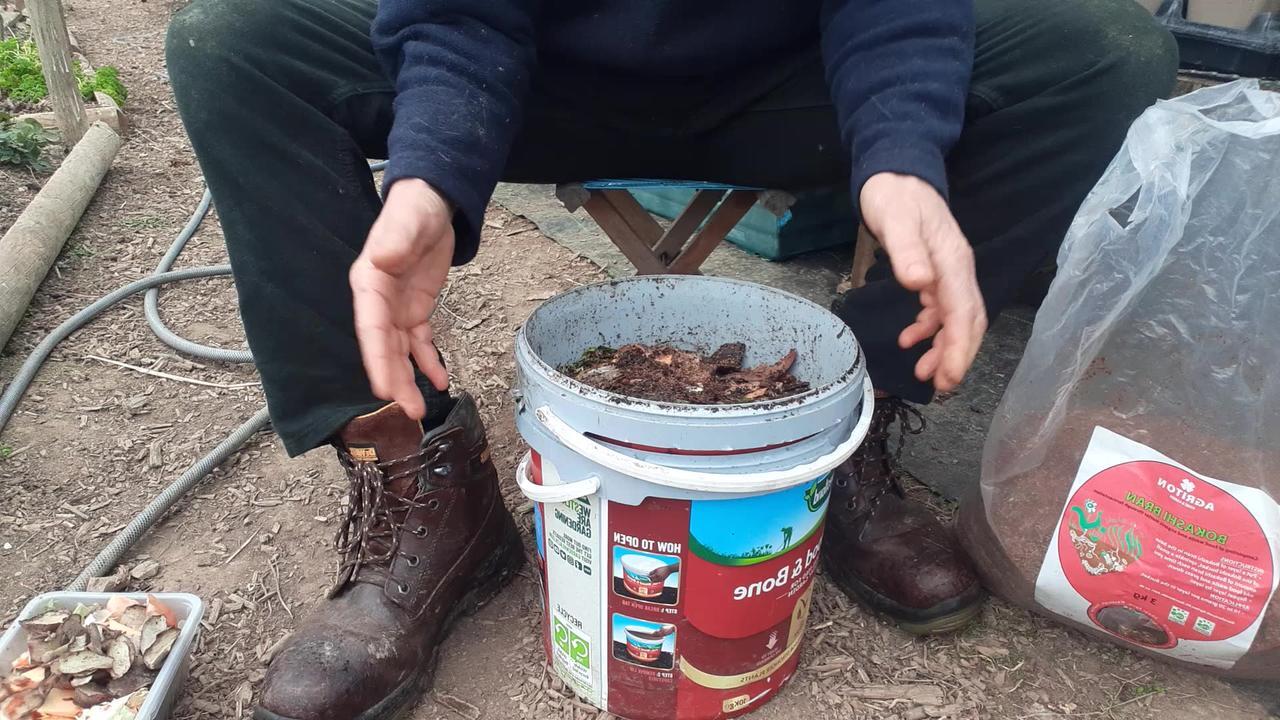
Bokashi compost, harvested from the fermentation process of kitchen scraps, especially meat and dairy, offers a nutrient-rich amendment for gardening and landscaping. Its unique properties allow it to enhance soil health and fertility, making it an excellent choice for various gardening applications. Understanding how to effectively utilize Bokashi compost can lead to vibrant plant growth and improved soil structure.The process of transitioning Bokashi compost to a traditional composting system begins when the fermentation stage is complete.
This step is crucial for ensuring that the compost is safe to use in the garden. The fermented Bokashi material should be buried in the soil or added to a traditional compost pile, where it undergoes further decomposition. This final stage enhances nutrient availability and contributes to a balanced soil ecosystem.
Application in Gardening and Landscaping
Utilizing Bokashi compost in gardening or landscaping can significantly benefit various types of plants. The nutrient density and microbial life present in Bokashi compost enhance soil quality and promote healthy plant growth. Here are examples of plants that particularly thrive when Bokashi compost is incorporated into their growing medium:
- Vegetables: Leafy greens such as spinach and kale, root vegetables like carrots and beets, and fruiting vegetables such as tomatoes and peppers benefit from the rich nutrients provided by Bokashi compost.
- Fruiting Plants: Strawberries and blueberries exhibit improved flavor and yield when grown in soil amended with Bokashi compost, as it boosts the microbial community in the soil.
- Herbs: Culinary herbs like basil, oregano, and parsley thrive in nutrient-rich environments, making Bokashi compost an excellent addition to their growing conditions.
- Flowering Plants: Perennials and annuals benefit from Bokashi compost, as it enhances flowering and overall plant vigor, contributing to more vibrant blooms.
The proper application of Bokashi compost can transform a garden or landscape into a flourishing ecosystem, supporting a variety of plant species. By enriching the soil, Bokashi compost not only improves plant growth but also promotes sustainable gardening practices, creating a beneficial cycle for both plants and the environment.
Troubleshooting Common Issues
Composting meat and dairy using a Bokashi system may present several challenges. Understanding these potential issues and their solutions will help ensure a successful composting experience. This section will address common problems encountered during the Bokashi process, as well as specific remedies to enhance your composting efforts.
Common Problems in Composting Meat and Dairy
While the Bokashi system is designed to handle food scraps, certain complications may arise when composting meat and dairy. Recognizing these common issues is essential for maintaining an effective composting environment. Below are typical problems that may occur:
- Odor Issues: Strong odors are one of the most frequent complaints when composting meat and dairy. This is often due to inadequate fermentation or failure to properly mix materials.
- Pest Attraction: Meat and dairy can attract pests if not sufficiently fermented before being added to the compost bin.
- Inadequate Fermentation: Signs that fermentation is not occurring properly include a lack of acidic smell and no visible changes in the food scraps.
Solutions to Odor Issues in the Bokashi System
Odor control is paramount in ensuring that your Bokashi system remains pleasant and functional. Below are effective strategies for mitigating odor problems:
- Use the Right Amount of Bokashi Bran: Ensure that you are applying an adequate amount of Bokashi bran to your food scraps. A general guideline is to use about one tablespoon of bran for every cup of food waste.
- Mix Materials Thoroughly: Properly mix the food scraps with the Bokashi bran to promote even fermentation and minimize odors.
- Aerate the Bin: Regularly open the Bokashi bin to allow fresh air in, which can help reduce strong smells by facilitating aerobic activity.
- Maintain a Balanced Ratio: Ensure that the balance of wet and dry materials is maintained. Incorporating shredded paper or cardboard can help absorb excess moisture and odors.
Signs of Improper Fermentation
It is essential to identify the signs that fermentation is not taking place, as this can affect the integrity of the composting process. The following indicators may suggest that fermentation is inadequate:
- Visual Inspection: If food scraps appear unchanged or unbroken down after a few weeks, it is a signal that fermentation is not occurring as it should.
- Odor Assessment: A strong, foul odor instead of a pleasantly sour smell indicates that the fermentation process may have stalled.
- Presence of Mold: While some mold is normal during fermentation, excessive mold growth can signal problems with moisture levels or inadequate Bokashi bran application.
Regular monitoring and addressing these issues promptly will enhance the efficiency of your Bokashi composting system, ensuring a successful outcome for your composting endeavors.
Environmental Considerations
The adoption of Bokashi composting presents significant sustainability benefits that contribute positively to our environment. By utilizing this innovative composting method, individuals can not only reduce their carbon footprint but also engage in practices that promote soil health and ecological balance. This section will explore the sustainability advantages of the Bokashi system, contrast it with traditional composting methods, and highlight how it effectively reduces food waste.
Sustainability Benefits of Bokashi Composting
Bokashi composting is recognized for its ability to handle a diverse range of organic materials, including meat and dairy products, which are typically challenging for traditional composting systems. This method involves anaerobic fermentation, which produces a nutrient-rich pre-compost that can be further processed into soil amendment. The sustainability benefits include:
-
Reduction of methane emissions:
Traditional composting can generate methane, a potent greenhouse gas, especially when organic materials like meat and dairy decompose anaerobically. Bokashi minimizes this risk through its fermentation process, leading to lower emissions.
-
Enhanced nutrient cycling:
Bokashi composting preserves vital nutrients in food waste, returning them to the soil effectively. This promotes plant growth and reduces the need for synthetic fertilizers.
-
Improved soil health:
The use of Bokashi compost enhances soil structure, increases microbiome diversity, and improves moisture retention, fostering healthier ecosystems.
Comparison with Traditional Composting Methods
When comparing Bokashi composting with traditional composting methods, several key differences emerge. Traditional composting relies on aerobic microorganisms that thrive in oxygen-rich environments, making it unsuitable for high-fat and protein-rich materials. Bokashi composting, in contrast, employs a range of anaerobic bacteria that can effectively break down these materials. Notable distinctions include:
- Bokashi composting can process meat and dairy, whereas traditional composting typically cannot.
- The fermentation process of Bokashi occurs quickly, often within weeks, compared to the months required for traditional composting.
- Odor management is more effective in Bokashi systems, as the process minimizes unpleasant smells commonly associated with decomposing organic waste.
Reducing Food Waste through Bokashi Systems
Implementing a Bokashi system offers a practical solution for significantly reducing food waste. The method allows households and businesses to utilize food scraps that would otherwise contribute to landfill waste. By fermenting these materials, Bokashi composting not only diverts waste from landfills but also creates valuable compost that can enhance garden productivity. Examples of how Bokashi systems can reduce food waste include:
- Households can compost leftovers, fruit peels, and expired products, transforming them into compost rather than discarding them.
- Restaurants and food services can adopt Bokashi systems to manage waste more sustainably, thus improving their environmental credentials.
- Community initiatives can encourage collective Bokashi composting, raising awareness about food waste issues and providing shared compost resources.
Closing Summary
In conclusion, How to Compost Meat and Dairy Using a Bokashi System equips you with the necessary knowledge to revolutionize your composting practices. By integrating this method into your routine, you not only reduce waste but also enrich your soil with essential nutrients. As you embark on this journey, you’ll discover the profound impact that mindful composting can have on both your garden and the planet.