Composting pet waste is an essential practice that not only promotes environmental sustainability but also ensures the safety and health of our communities. By composting pet waste separately from other organic materials, we can mitigate the negative impacts of improper disposal and transform potential hazards into valuable resources. This guide aims to demystify the process of composting pet waste, addressing common misconceptions while providing practical insights into safe and effective methods.
Understanding the significance of responsible pet waste management is crucial, as improperly disposed waste can contribute to pollution and health risks. This overview invites readers to explore the intricacies of composting pet waste, focusing on the necessary precautions, methods, and materials that make this endeavor both safe and rewarding.
Introduction to Composting Pet Waste
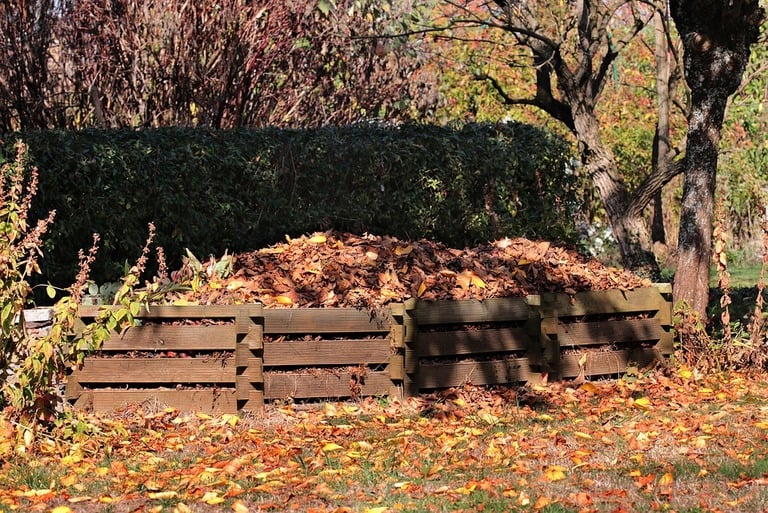
Composting pet waste is an essential practice for responsible pet ownership and environmental stewardship. Unlike regular composting, pet waste requires careful handling and specific methods to ensure safety and effectiveness. Understanding the significance of composting pet waste separately from other organic materials is crucial, as it prevents contamination and promotes healthier composting practices.Improper disposal of pet waste poses significant environmental risks.
When pet waste is discarded in regular trash or left on the ground, it can contaminate water sources and contribute to pollution. This waste can carry pathogens and parasites that may harm wildlife, disrupt ecosystems, and potentially pose health risks to humans. By composting pet waste correctly, we can mitigate these environmental impacts and transform waste into a valuable resource.Common misconceptions surround the practice of composting pet waste.
Many individuals mistakenly believe that any composting method is suitable for pet waste, while in reality, it requires specialized techniques. Additionally, there is a belief that pet waste can simply be mixed with regular compost without any precautions. It is important to clarify that composting pet waste necessitates separate systems designed to reach the necessary temperatures to kill harmful pathogens, thus ensuring safety at the end of the process.
Importance of Composting Pet Waste Separately
Composting pet waste separately is vital for several reasons, primarily due to health and safety concerns as well as environmental protection. The following points illustrate the significance of this practice:
- Maintains compost quality: Composting pet waste separately helps preserve the integrity and quality of compost used for gardens and landscaping, ensuring it remains safe for plant growth.
- Reduces health risks: By using dedicated systems that can achieve the required high temperatures, harmful pathogens are effectively eliminated, minimizing the risk of disease transmission.
- Protects water sources: Correct disposal of pet waste through composting prevents potential runoff that can contaminate local waterways with harmful bacteria and nutrients.
- Encourages responsible pet ownership: Composting pet waste demonstrates a commitment to sustainable practices, fostering a sense of responsibility among pet owners regarding waste management.
“Composting pet waste correctly transforms a potential environmental hazard into a beneficial resource, promoting healthier ecosystems.”
Understanding the environmental impact of improper disposal and the necessity of specialized composting methods is crucial for effective pet waste management. By addressing these misconceptions, we can encourage greener practices that benefit both pet owners and the environment.
Safety Considerations
The management of pet waste is of paramount importance for both human health and environmental sustainability. While composting can be an effective way to reduce waste, it is critical to understand the safety considerations associated with pet waste. This section will explore the health risks related to pet waste, the pathogens it may contain, and the necessity of using separate compost systems specifically designed for pet waste.
Health Risks and Pathogens
Pet waste can pose several health risks to humans, particularly if proper handling and disposal practices are not observed. The main concern arises from the presence of various pathogens that can contaminate soil and water sources. Among these pathogens are bacteria, viruses, and parasites that can lead to serious health issues. To mitigate these risks, it is essential to adhere to recommended safety practices when managing pet waste.
The following lists the types of pathogens commonly found in pet waste and their potential effects:
- Roundworms: These parasites can infect humans, particularly children, causing gastrointestinal distress and other health complications.
- Giardia: A protozoan that can cause gastrointestinal infections, leading to severe diarrhea and dehydration.
- Salmonella: This bacterium can cause food poisoning, presenting symptoms such as fever, abdominal cramps, and diarrhea.
- E. coli: Certain strains of E. coli can cause severe illness, particularly in young children and immunocompromised individuals.
It is crucial to handle pet waste carefully to prevent pathogen transmission. This involves using gloves when picking up waste, washing hands thoroughly afterward, and ensuring waste is properly contained in compost systems designed for this purpose.
Importance of Separate Compost Systems
Using separate compost systems for pet waste is vital to prevent cross-contamination with human food waste and to ensure safe composting practices. Dedicated compost systems for pet waste are designed to manage the specific pathogens and materials contained within it effectively. These systems typically incorporate higher temperatures necessary to kill off harmful pathogens found in pet waste, ensuring that the compost produced is safe and usable for ornamental plants rather than food crops.
Using a separate compost bin allows for a controlled environment where pet waste can decompose safely without posing risks to human health or the environment.Employing a separate composting approach is not only a best practice but also a responsible method of managing pet waste. The guidelines for implementing a pet waste composting system include:
- Designate a specific area away from food gardens for the pet waste compost bin.
- Ensure the compost bin is equipped with a secure lid to deter pests.
- Regularly monitor the compost temperature to ensure it reaches levels necessary for pathogen die-off.
- Consider adding other compostable materials such as straw or leaves to balance the nitrogen content in the pet waste.
In conclusion, understanding and addressing safety considerations associated with pet waste management is vital for public health and environmental safety. By recognizing the health risks, identifying pathogens, and utilizing separate compost systems effectively, pet owners can contribute to a healthier ecosystem.
Choosing the Right Composting Method
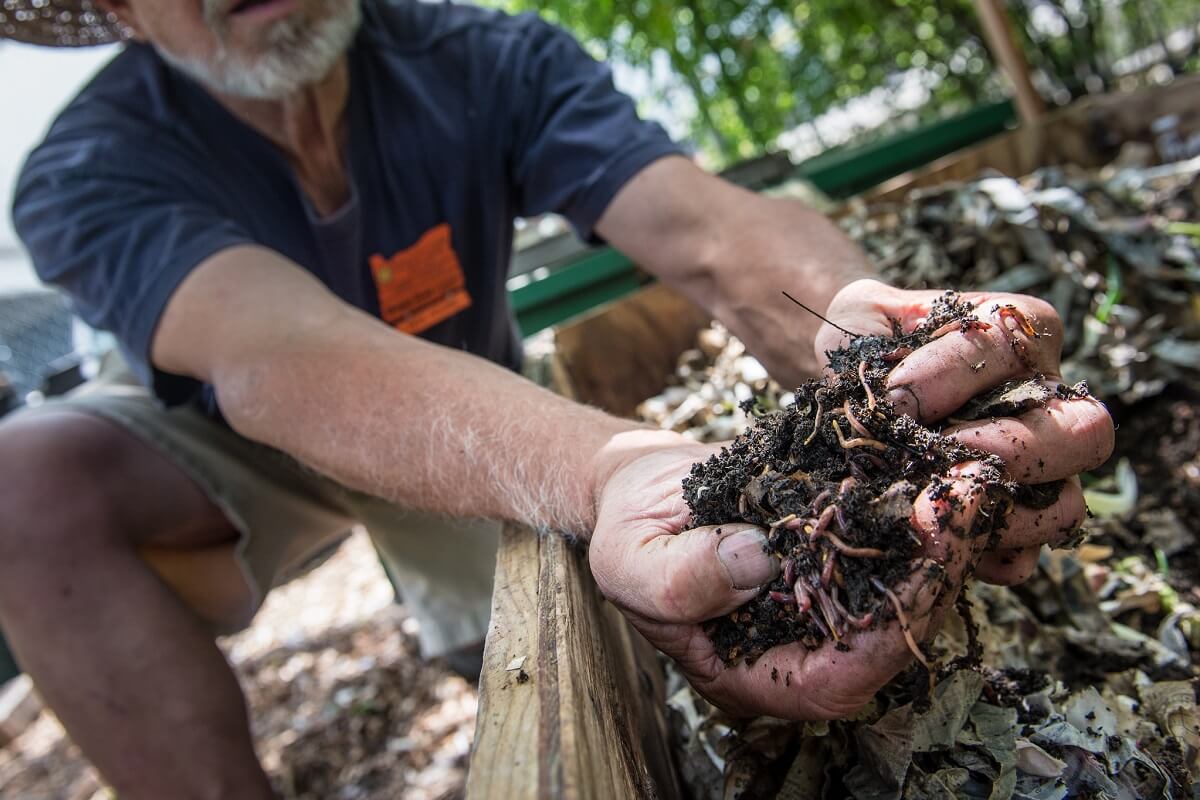
When it comes to composting pet waste, selecting the appropriate method is crucial for ensuring both efficiency and safety. Each composting technique has its unique advantages and challenges, making it essential to consider your specific needs and circumstances. This section will explore various composting methods suitable for pet waste, including traditional composting, bokashi composting, and worm composting, while also providing guidance on setting up a dog waste composter.
Comparison of Composting Methods
Different composting methods offer various benefits and drawbacks when handling pet waste. Understanding these can help you choose the most effective approach. Below is a detailed comparison of three popular composting methods:
- Traditional Composting: This method involves mixing pet waste with carbon-rich materials like leaves or straw and allowing it to decompose naturally.
This method is generally safer if the compost reaches high temperatures (above 140°F) to kill pathogens.
- Bokashi Composting: This anaerobic process uses a special blend of microorganisms to ferment waste, including pet waste.
Bokashi is effective at neutralizing odors and can handle a variety of organic waste.
- Worm Composting (Vermicomposting): This method utilizes worms (typically red wigglers) to break down organic matter, including pet waste. However, it is essential to limit the amount of pet waste due to potential health risks.
Worms thrive on vegetable scraps and can help reduce unwanted odors.
Setting Up a Dog Waste Composter
Creating a dedicated dog waste composter involves several steps to ensure it operates effectively and safely. Follow the step-by-step procedure Artikeld below:
1. Select a Location
Choose a well-drained, shady spot in your yard to avoid odors and promote decomposition.
2. Gather Materials
You will need a dog waste composter, which can be a pre-made composter or a DIY option using a sealed container or barrel.
3. Add Pet Waste
Begin by placing the collected dog waste into the composter. It’s advisable to mix it with carbon-rich materials, such as sawdust or dried leaves.
4. Ensure Aeration
Periodically turn or mix the contents to aerate and speed up the decomposition process. This can be achieved with a shovel or pitchfork.
5. Monitor Temperature
Check the internal temperature of the compost regularly. Aim for temperatures above 140°F to ensure pathogens are killed.
6. Use After Maturation
After several months, when the compost has broken down and resembles soil, it can be used in non-edible garden areas.
Efficient and Safe Composting Methods
Evaluating the pros and cons of each composting method helps in making an informed choice. Here are key factors to consider:
- Traditional Composting:
- Pros: Can handle large amounts of waste, promotes high temperatures for pathogen control.
- Cons: Requires more space and time for the decomposition process.
- Bokashi Composting:
- Pros: Quick fermentation process, effective odor control, and can compost a wider variety of materials.
- Cons: Requires purchasing specific bokashi bran and may need an additional step for final composting.
- Worm Composting:
- Pros: Produces nutrient-rich castings, suitable for small spaces.
- Cons: Limited capacity for pet waste, requires careful management to maintain worm health.
Materials Needed for Composting
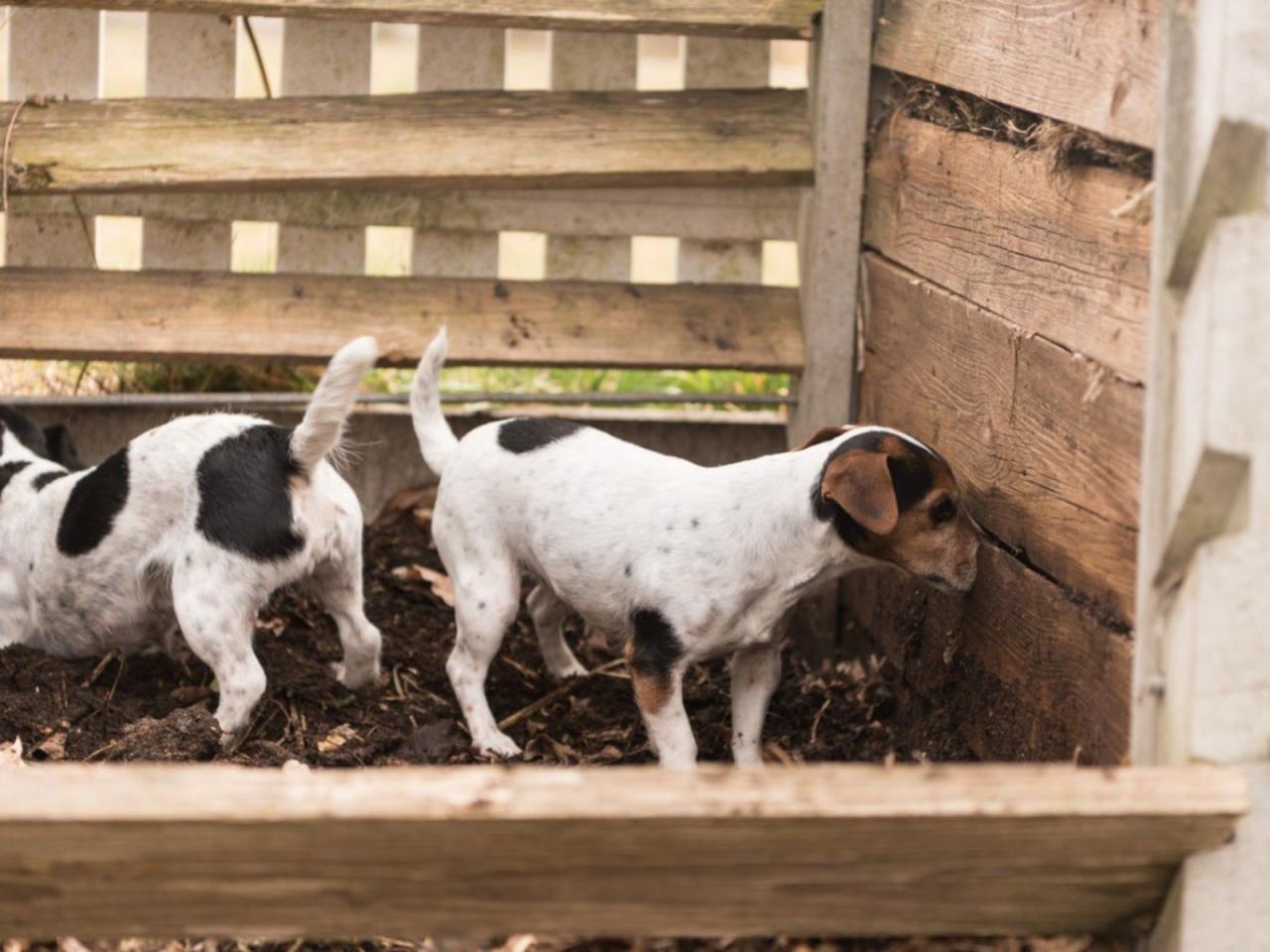
Composting pet waste requires careful consideration of the materials used to ensure safety and effectiveness. Selecting the right components is essential in creating a balanced compost that can break down safely without harming the environment or human health. The composting process relies on a mix of carbon-rich materials, commonly referred to as “browns,” and nitrogen-rich materials, known as “greens.” Browns include dry leaves, cardboard, and sawdust, which provide energy for microorganisms, while greens such as kitchen scraps, grass clippings, and, of course, pet waste contribute the necessary nitrogen to accelerate decomposition.
Striking the right balance between these materials is crucial for successful composting.
Essential Materials for Composting Pet Waste
To compost pet waste safely, incorporating the following essential materials is vital. Each plays a significant role in the overall effectiveness of the composting process:
- Pet Waste: Ensure it is from healthy animals and free from parasites.
- Carbon-rich materials (browns): Examples include dried leaves, shredded newspaper, cardboard, and straw.
- Nitrogen-rich materials (greens): This includes kitchen scraps like vegetable peels, coffee grounds, and grass clippings.
- Composting bin or pile: A designated area or container to hold the compost materials.
- Water: Necessary to maintain moisture levels, crucial for microbial activity.
- Shovel or pitchfork: For turning and aerating the compost pile.
Carbon to Nitrogen Ratios
Understanding the carbon to nitrogen ratio is pivotal for effective composting. Generally, an ideal ratio of 30:1 (carbon to nitrogen) is recommended. This balance prevents the compost from becoming too dry or too wet, promoting efficient decomposition.The table below provides a guideline for recommended carbon to nitrogen ratios for various composting materials:
| Material | Carbon to Nitrogen Ratio |
|---|---|
| Dried leaves | 60:1 |
| Grass clippings | 20:1 |
| Kitchen scraps | 15:1 |
| Cardboard | 350:1 |
| Wood chips | 400:1 |
“A balanced ratio of carbon to nitrogen is essential for creating a healthy compost environment, promoting microbial activity and decomposition.”
Composting Process
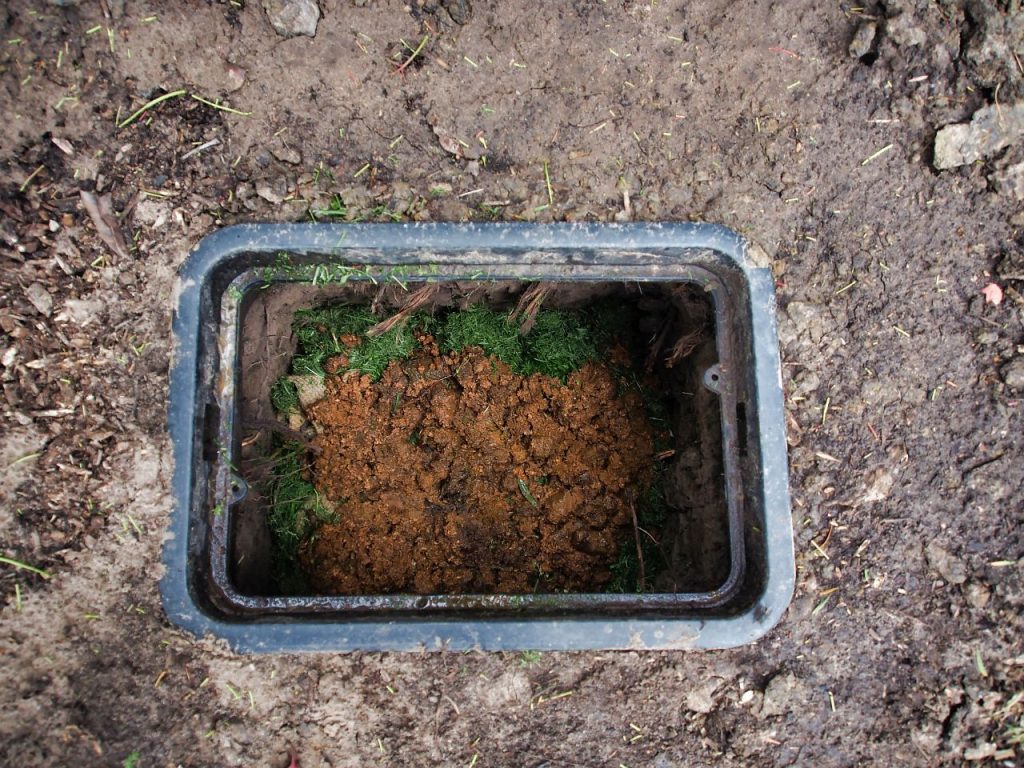
The composting process for pet waste involves several critical steps that ensure safety and effectiveness. Proper implementation of these steps not only helps in reducing waste but also aids in creating nutrient-rich compost for gardening purposes. This section Artikels the detailed procedures needed to compost pet waste safely and efficiently.The composting process is broken down into three primary stages: collection, decomposition, and curing.
Each stage plays a vital role in transforming pet waste into a safe and usable compost product. Understanding the timeline and essential maintenance tips for each stage can significantly enhance the quality of the compost.
Collection of Pet Waste
Collecting pet waste is the first step in the composting process. It’s essential to gather waste regularly to prevent odor and attract pests.
- Use biodegradable bags to collect pet waste during walks or playtime.
- Store collected waste in a designated container until ready for composting.
- Keep the container sealed to minimize odors and pest attraction.
Decomposition Phase
The decomposition phase is where microbial action breaks down the collected pet waste into compost. This phase can take anywhere from a few months to a year depending on several factors.
- Monitor the temperature of the compost pile. A range of 130°F to 160°F (54°C to 71°C) is ideal for effective decomposition.
- Maintain moisture levels; the compost should be about as damp as a wrung-out sponge.
- Aerate the pile by turning it every few weeks to introduce oxygen, which helps speed up the decomposition process.
Curing Stage
After the decomposition process, the mixture enters the curing stage, where it matures and stabilizes.
- Allow the compost to cure for an additional few months. This helps to ensure that all pathogens and contaminants are neutralized.
- Check the texture and smell of the compost; it should be dark, crumbly, and have an earthy scent.
- Keep the pile moist during the curing stage but avoid overwatering.
Monitoring and Maintenance Tips
Monitoring and maintaining the compost pile is crucial for successful composting. Regular checks can prevent issues and enhance compost quality.
“Regular monitoring of temperature, moisture, and aeration is essential for effective composting.”
- Check the temperature weekly with a compost thermometer; adjust materials accordingly to maintain optimal heat.
- If the pile is too wet, add dry materials like shredded newspaper or straw to absorb excess moisture.
- Ensure the compost pile is well-aerated by turning it with a pitchfork or shovel every few weeks.
Over time, with careful management of these steps, the compost produced from pet waste can be a valuable addition to gardens, enriching the soil while reducing waste in landfills.
Harvesting and Using Compost
The process of composting pet waste culminates in the harvesting and utilization of the finished compost. Understanding when the compost is ready for use and how to apply it safely in gardens and landscaping is vital for ensuring both plant health and environmental safety. This section delves into the readiness indicators, appropriate usage guidelines, and suitable plant examples for pet waste compost.To determine when pet waste compost is ready for application, several factors should be considered.
The composting process typically takes several months, depending on conditions such as temperature, moisture, and aeration. The following signs indicate that the compost is finished and ready for use:
- The compost has a dark, crumbly texture similar to rich soil.
- The original materials are no longer recognizable; they have decomposed completely.
- There is no discernible odor, indicating that the composting process has stabilized and pathogens have been eliminated.
- The temperature of the compost has dropped to ambient levels, signifying the end of microbial activity.
The safe application of finished pet waste compost requires careful consideration of where and how it is used. When applying compost to gardens and landscaping, the following practices should be adhered to:
- Use finished compost only on non-edible plants, such as ornamental flowers, shrubs, and trees, to minimize health risks.
- Avoid applying compost directly to the soil of vegetable and herb gardens, where pathogens may pose a risk.
- Incorporate the compost into the soil well ahead of planting to allow any remaining pathogens time to degrade further.
- Monitor the plants regularly for any signs of distress or disease, adjusting care practices as necessary to promote healthy growth.
Certain plants thrive when nurtured with pet waste compost, while others may be sensitive to any potential pathogens. The following plants are generally considered beneficial recipients of pet waste compost:
- Flowering perennials such as echinacea and black-eyed Susans.
- Ornamental shrubs like hydrangeas and azaleas.
- Non-edible landscaping trees, including maples and oaks.
Conversely, it is advisable to avoid using pet waste compost on edible plants such as tomatoes, lettuce, and herbs as they may be more susceptible to pathogen transfer and health risks. Adhering to these guidelines ensures that the use of pet waste compost enhances garden vitality while maintaining safety.
Common Challenges and Solutions
Composting pet waste can present several challenges that require careful consideration and management. Addressing these challenges effectively not only ensures a successful composting process but also promotes a safe and environmentally friendly solution for pet waste disposal. This section Artikels common issues encountered during the composting of pet waste and provides practical solutions to overcome them.
Identifying Common Challenges
Composting pet waste often leads to specific challenges, primarily related to the composition and management of the compost pile. Understanding these challenges can assist in developing effective strategies to mitigate them. Key issues include:
- Odor Control: One of the most significant concerns associated with composting pet waste is the potential for unpleasant odors, which can arise due to anaerobic conditions or imbalance in materials.
- Moisture Levels: Achieving the right moisture balance is crucial; compost piles that are too wet can lead to a foul smell and slow decomposition, while overly dry piles may hinder microbial activity.
- Decomposition Rate: Pet waste may not break down as quickly as other organic materials, causing delays in the composting process.
Managing Odors Effectively
Odor management is essential to maintaining a pleasant composting environment. Several strategies can be employed to minimize unpleasant smells:
- Aeration: Regularly turning the compost pile improves airflow and encourages aerobic decomposition, which helps reduce odors.
- Balance Carbon and Nitrogen: Incorporating adequate amounts of carbon-rich materials, such as dried leaves or shredded paper, can help balance the nitrogen-rich pet waste, reducing odors.
- Covering the Pile: Using a lid or tarp to cover the compost pile can limit exposure to rain and maintain moisture levels, while also containing odors.
Troubleshooting Compost Pile Issues
Maintaining an optimal compost pile requires ongoing attention to various factors. Addressing specific issues can ensure a healthy composting process:
- Too Wet: If the compost pile is too wet, adding dry materials like straw, sawdust, or shredded cardboard can absorb excess moisture and improve aeration.
- Too Dry: For compost piles that are too dry, gradually adding water and mixing in moist green materials can help achieve the right moisture balance.
- Not Breaking Down: If the compost is not decomposing as expected, ensure adequate aeration, maintain the right carbon-to-nitrogen ratio, and consider adding a compost activator to stimulate microbial activity.
“Regular monitoring and adjustment of your compost pile can transform your challenges into successful composting experiences.”
Frequently Asked Questions
Composting pet waste can be a subject filled with misconceptions and legal nuances. Understanding these aspects is crucial for responsible pet ownership and environmentally friendly practices. Below, we clarify common myths and legal considerations while providing resources for pet waste composting support.
Common Misconceptions About Composting Pet Waste
Many individuals harbor misconceptions about composting pet waste, often leading to hesitance in adopting this eco-friendly practice. A prevalent myth is that composting pet waste is inherently unsafe due to the potential pathogens it may contain. However, when done correctly, composting can effectively eliminate harmful bacteria and parasites. Another common belief is that pet waste compost cannot be used at all.
In reality, compost created from pet waste, when managed properly, can be utilized for non-edible plants, enhancing the soil and promoting healthy plant growth.
The key to safe pet waste composting lies in maintaining high temperatures to kill pathogens and ensuring proper aeration in the compost pile.
Legal Considerations for Composting Pet Waste
Legal frameworks surrounding composting pet waste vary widely by region. In some localities, regulations may prohibit composting pet waste due to health concerns and environmental impact. It is essential to understand local laws and guidelines to avoid potential fines or legal repercussions.Examples of legal restrictions may include:
- Prohibitions on pet waste composting in residential areas due to zoning laws
- Specific regulations concerning the disposal of pet waste in public parks
- Local health department guidelines that dictate how and where pet waste can be composted
Before embarking on pet waste composting, individuals should check with local authorities or visit government websites to ensure compliance with regulations.
Resources and Communities for Pet Waste Composting Support
Engaging with supportive communities and resources can enhance your composting journey and provide valuable insights. Numerous organizations and online communities are dedicated to pet waste composting, offering guidance and shared experiences.Consider the following resources for pet waste composting support:
- The Pet Waste Composting Association, which provides educational materials on safe composting practices
- Local gardening clubs that often include forums on sustainable practices, including composting
- Online platforms such as Reddit and Facebook groups where pet owners share tips and experiences related to composting pet waste
Connecting with these resources can foster a greater understanding of pet waste management and provide practical solutions for common challenges faced by pet owners.
Last Word
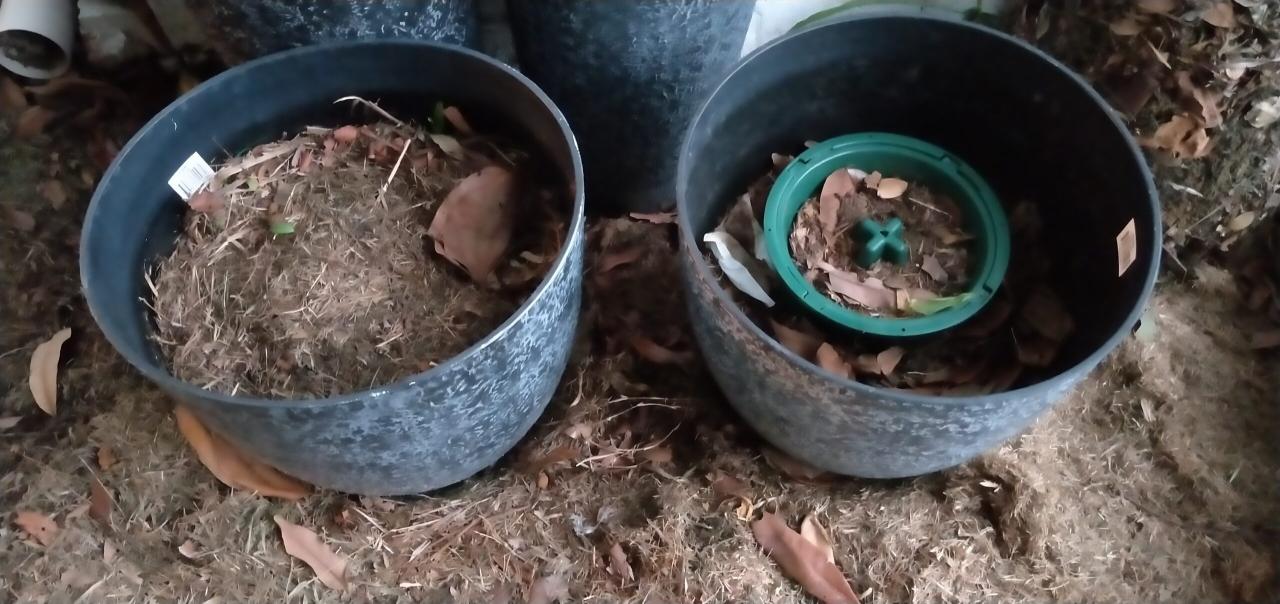
In conclusion, composting pet waste safely and separately is a vital step towards promoting a healthier environment and ensuring that we responsibly manage our pet’s waste. By following the Artikeld methods and considering the materials necessary for successful composting, pet owners can not only reduce their ecological footprint but also enrich their gardens with nutrient-rich compost. Embracing this practice ultimately fosters a greater sense of community responsibility and environmental stewardship.