How to Fix a Compost Pile That Is Too Wet is an essential guide for anyone passionate about composting and sustainability. Maintaining the right moisture balance in a compost pile is crucial for effective decomposition and nutrient-rich soil. When a compost pile becomes overly wet, it can lead to anaerobic conditions, unpleasant odors, and slow down the composting process significantly.
This guide seeks to explore the intricacies of moisture management within composting, highlighting the causes of excess moisture, immediate actions to rectify the issue, and long-term strategies to maintain an optimal balance. Through understanding the conditions of composting and employing effective techniques, gardeners can ensure their composting efforts are successful and productive.
Understanding Compost Pile Conditions
Maintaining an optimal moisture balance in a compost pile is crucial for effective composting. This balance influences not only the speed of decomposition but also the quality of the finished compost. Too much moisture can lead to various problems, which need to be understood to ensure a successful composting process.Excess moisture in a compost pile can disrupt the microbial activity essential for decomposition.
Microorganisms thrive in a well-aerated environment; however, when the pile becomes too wet, it can create anaerobic conditions. This leads to a slowdown or even halt in decomposition, resulting in a smelly, slimy mass rather than nutrient-rich compost. Furthermore, excess moisture can leach valuable nutrients from the composting material, diminishing its overall effectiveness.
Indicators of Excess Moisture in a Compost Pile
Recognizing the signs that a compost pile is too wet is important for timely intervention. The following indicators can help determine whether moisture levels are excessive:
- Odorous Emissions: A strong, foul odor emanating from the pile indicates anaerobic conditions due to excess moisture.
- Soggy Texture: If the materials feel mushy or waterlogged rather than crumbly, it’s a clear sign of high moisture content.
- Surface Puddles: Standing water or puddles on the surface of the compost pile signify that it is retaining too much moisture.
- Slow Decomposition: If the composting process appears stagnant or significantly slowed down, this can be attributed to excessive moisture levels.
- Presence of Pests: An increase in pests such as fruit flies or other insects may indicate a wet environment that attracts them.
Identifying these signs early can help in taking corrective measures, ensuring the composting process remains efficient and effective.
Causes of Excess Moisture in Compost Piles
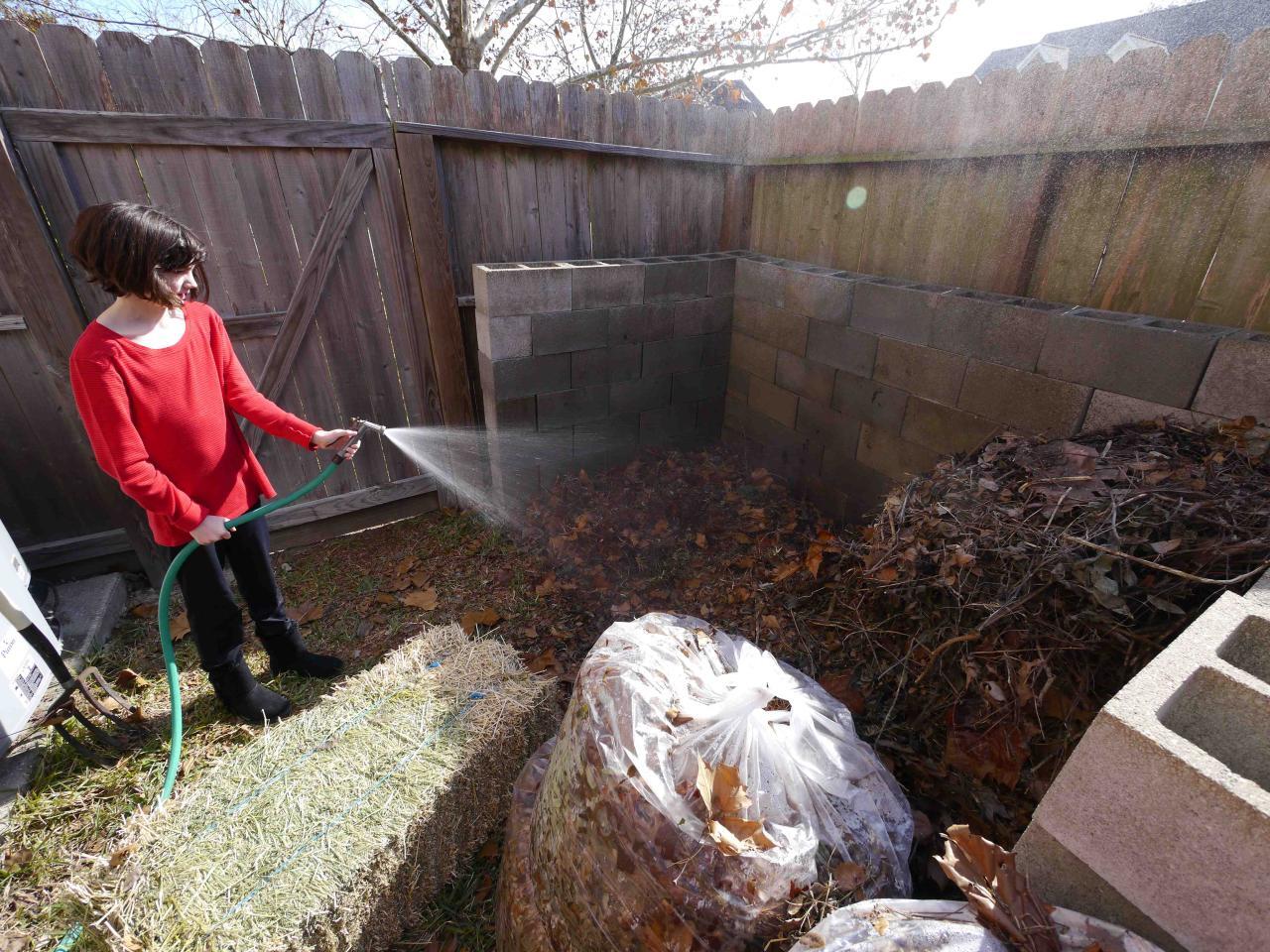
Excess moisture in compost piles can hinder the composting process and lead to unpleasant odors and anaerobic conditions. Understanding the reasons behind an overly wet compost pile is essential for effective management and successful composting. Below are common causes that contribute to increased moisture levels in compost piles.
Weather Conditions Impacting Moisture Levels
Weather plays a significant role in the moisture content of compost piles. Heavy rainfall can saturate compost materials, while high humidity may prevent moisture from evaporating. The following points detail how different weather conditions affect compost moisture:
- Heavy Rainfall: Prolonged periods of rain can lead to excessive water accumulation, especially in open compost piles.
- Humidity: High humidity levels in the atmosphere can slow down the evaporation of moisture, contributing to soggy conditions.
- Temperature Variations: Cooler temperatures can hinder microbial activity, which is essential for compost breakdown, leading to retained moisture in the pile.
Material Contribution to Excess Moisture
Certain materials introduced into the compost pile can lead to increased moisture levels. Understanding these materials can help in planning and balancing the compost mix effectively. Below are materials commonly associated with excess moisture:
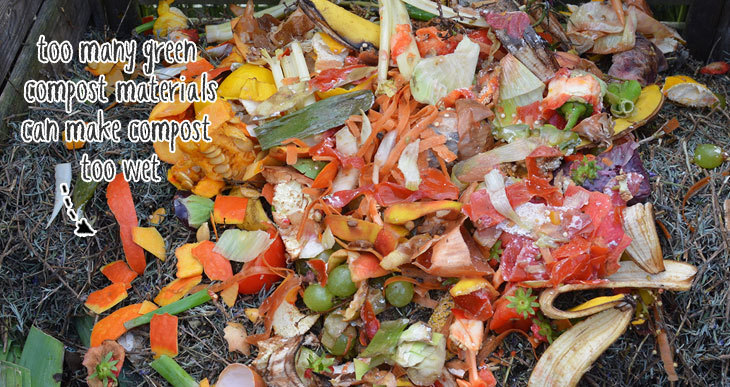
- Green Materials: Nitrogen-rich greens, such as fresh grass clippings and vegetable scraps, tend to retain more moisture compared to dry brown materials.
- Wet Organic Waste: Kitchen scraps that are high in water content, such as watermelon rinds and citrus peels, can significantly add to moisture levels.
- Shredded Paper or Cardboard: While these materials are generally beneficial, if not shredded properly or combined with enough dry materials, they can clump and trap moisture.
Immediate Actions to Take
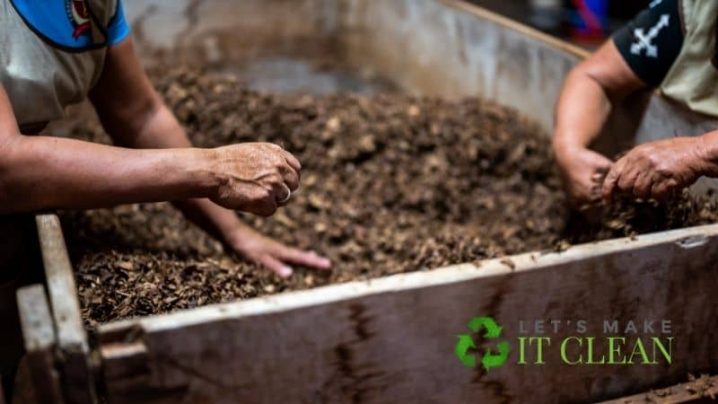
When faced with a compost pile that is too wet, it is essential to take immediate action to restore the balance of moisture. An overly wet compost pile can lead to anaerobic conditions, slowing down the decomposition process and resulting in unpleasant odors. By following a systematic approach, you can effectively assess and remedy the situation, ensuring your compost remains healthy and efficient.Assessing the moisture level in your compost pile is the first critical step.
It helps you determine whether the pile is indeed too wet and to what extent adjustments are necessary. Here’s a step-by-step guide to accomplish this:
Assessment of Moisture Level
To accurately assess the moisture level in your compost pile, follow these steps:
1. Examine the Surface
Begin by inspecting the top layer of your compost pile. A shiny, wet appearance may indicate excessive moisture.
2. Perform the Squeeze Test
Take a handful of compost from various depths within the pile and squeeze it tightly in your hand. If water drips out, the pile is too wet. If it crumbles apart, it is likely too dry.
3. Use a Soil Moisture Meter
For a more precise measurement, you can utilize a soil moisture meter. Insert it into the compost pile at different spots to get readings.
4. Check for Odors
Notice any foul or sour smells emanating from the compost, which are signs of anaerobic conditions due to excess moisture.Once you have assessed the moisture level, it is crucial to aerate the compost to dry it out and promote healthy decomposition. Proper aeration helps introduce oxygen into the pile, facilitating the growth of aerobic bacteria that are essential for composting.
Aeration Procedures
Turning your compost pile is an effective method for aerating it and reducing moisture levels. Here are detailed procedures to follow for optimal results:
1. Gather Tools
Collect a pitchfork or compost aerator to help you turn the compost.
2. Turn the Pile
Start by moving the outer layers of the compost to the center. This redistributes moisture and materials. Turn the pile every two to three weeks to maintain aeration.
3. Fluff the Compost
As you turn the pile, gently fluff it to increase airflow. This can help evaporate excess moisture effectively.
4. Monitor Temperature
Regularly check the temperature of the compost pile. A standard temperature range of 130°F to 160°F indicates active microbial activity, which helps with moisture reduction.In addition to turning the compost, you may need to add materials that can absorb excess moisture and restore the proper balance. Selecting the right materials is essential for managing the compost pile’s moisture levels.
Materials to Absorb Excess Moisture
Incorporating specific materials can help alleviate the moisture issue in your compost pile. Below is a list of effective materials to consider adding:
Dry Leaves
Shredded dry leaves are excellent for absorbing moisture and adding carbon to the pile.
Straw or Hay
Both materials help aerate the compost while also soaking up excess moisture due to their fibrous nature.
Wood Chips or Shavings
These materials provide structure, help to balance moisture content, and promote airflow.
Cardboard
Shredded cardboard can absorb moisture and provide carbon, assisting in the decomposition process.
Newspaper
Similar to cardboard, shredded newspaper can help absorb moisture while adding carbon to the pile.Incorporating these materials, along with proper aeration, will create a balanced environment for microbial activity, promoting efficient composting and eliminating excess moisture.
Long-Term Solutions for Maintaining Balance
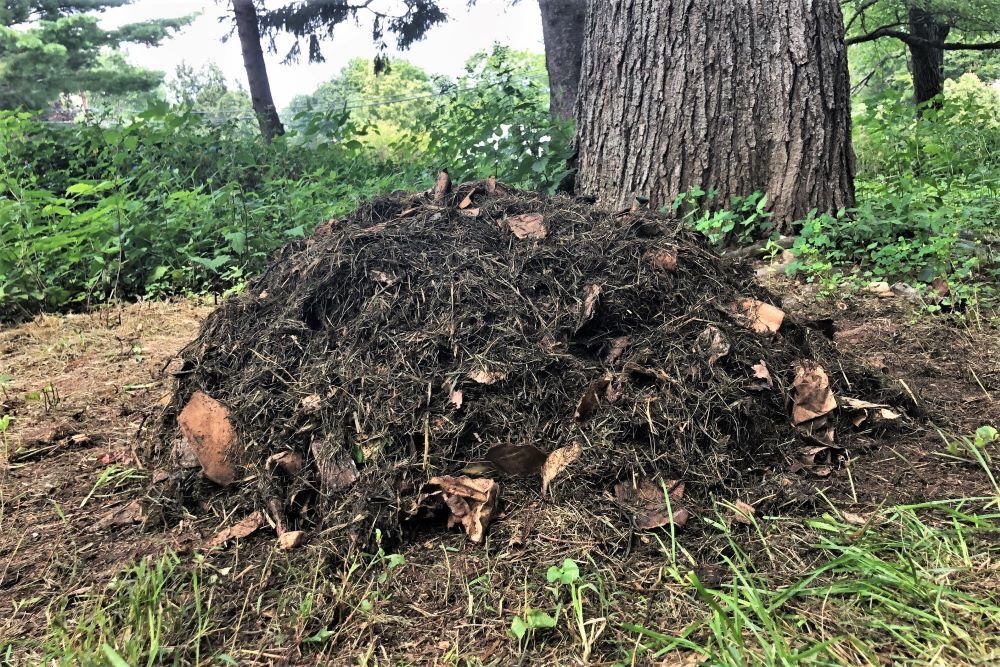
Maintaining the right moisture level in your compost piles is essential for effective decomposition and achieving high-quality compost. By implementing proactive strategies, you can prevent excess moisture issues and create a thriving composting environment. This section discusses various methods to sustain optimal moisture levels in future compost piles, along with a systematic approach for regular monitoring and adjustment of compost conditions.
Methods for Maintaining the Right Moisture Level
Achieving a balanced moisture content in compost is vital for the decomposition process. The following strategies can help ensure that your compost remains in the ideal moisture range:
- Regularly Monitor Moisture Levels: Invest in a moisture meter or use the “squeeze test” method to check the compost’s dampness. The compost should feel like a wrung-out sponge—moist but not dripping.
- Adjusting Material Ratios: Incorporate dry materials, such as straw or shredded paper, to absorb excess moisture. The ideal carbon-to-nitrogen ratio is approximately 30:1, which helps maintain proper humidity.
- Covering the Pile: Use a tarp or lid to protect the compost from heavy rain, while still allowing airflow. This prevents water from saturating the pile while retaining needed humidity.
- Turning the Pile: Regularly turning the compost not only aerates it but also helps distribute moisture evenly. This practice also encourages the breakdown of materials, making it easier to manage moisture content.
Plan for Regular Monitoring and Adjustment
Establishing a routine schedule for checking your compost pile will ensure that conditions remain optimal throughout the composting process. A structured monitoring plan can include the following components:
- Weekly Checks: Inspect the compost pile at least once a week for moisture levels, temperature, and the overall condition of materials. Adjustments should be made accordingly.
- Seasonal Considerations: Adapt your monitoring frequency based on seasonal changes. In wet seasons, decrease the frequency of moisture additions, while in dry periods, ensure adequate watering.
- Record Keeping: Maintain a log of moisture levels, temperatures, and any adjustments made. This historical data can inform future composting efforts and help identify patterns in moisture retention.
Layering Materials to Optimize Moisture Retention
The method of layering materials in the compost pile plays a significant role in moisture management. The following principles can guide you in effectively layering your compost:
- Carbon and Nitrogen Layers: Alternate between dry carbon-rich materials (browns) and nitrogen-rich materials (greens) as you build your compost pile. This balance helps retain moisture while promoting decomposition.
- Chunky Materials: Incorporate larger pieces of material, such as wood chips or small branches, to create air pockets within the pile, allowing for better airflow and moisture retention.
- Moisture-Absorbing Additives: Consider adding materials such as coconut coir or shredded cardboard, which can absorb excess moisture while retaining necessary humidity levels in the compost.
Troubleshooting Persistent Issues
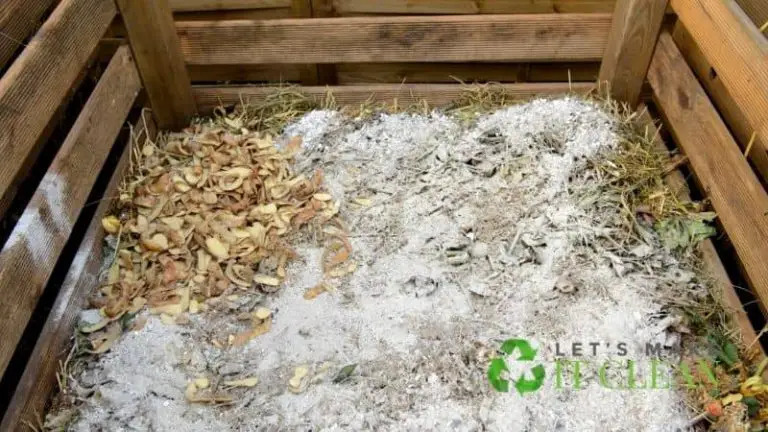
Addressing ongoing moisture problems in compost piles is essential for maintaining their health and effectiveness. Persistent moisture can hinder the composting process, lead to unpleasant odors, and attract pests. Implementing targeted strategies can help mitigate these issues, ensuring a balanced and productive compost environment.Identifying the root cause of continued moisture problems is crucial. Various factors can contribute to excessive wetness, including poor drainage, an improper mix of materials, and external weather conditions.
By understanding these factors, you can take appropriate measures to correct the imbalance.
Strategies for Ongoing Moisture Management
To effectively manage moisture levels in your compost pile, consider the following strategies that can be tailored to specific conditions:
- Regular Turning: Frequent aeration helps to break up clumps and allows moisture to evaporate. Turning the pile every few weeks can enhance airflow and encourage even decomposition.
- Material Adjustments: Adding dry, carbon-rich materials such as straw, shredded leaves, or cardboard can absorb excess moisture and restore balance.
- Improve Drainage: Elevating the compost pile on a base of coarse materials like gravel or using a compost bin with drainage holes can help excess moisture escape.
- Use of Cover: In wet weather, consider covering your pile with a tarp or tarp-like material to shield it from rain while allowing ventilation.
- Moisture Monitoring: Using a compost moisture meter can help track the moisture levels accurately, allowing for timely adjustments.
Adjustments made to compost piles can vary based on weather conditions. For instance, during wet seasons, it may be beneficial to:
- Use tarps to protect the compost from heavy rainfall.
- Increase airflow by adding more brown materials to absorb moisture.
- Monitor temperature regularly, as a cooler pile can retain more moisture.
Conversely, in drier conditions, a different approach may be necessary. This may include regularly watering the pile to maintain moisture levels, especially when the carbon-rich materials seem too dry and are not breaking down.
Composting Techniques for Moisture Control
Various composting techniques can effectively regulate moisture levels within your pile:
- Hot Composting: This method involves maintaining high temperatures through a balanced mix of green and brown materials. The heat generated helps evaporate excess moisture while promoting rapid decomposition.
- Bokashi Composting: This anaerobic process involves fermenting organic matter, which can be particularly useful for managing moisture since it produces less leachate compared to traditional composting methods.
- Continuous Flow Systems: These systems allow for ongoing composting, where materials are added continuously, and moisture can be managed more effectively as the pile is kept in constant motion.
- Vermicomposting: Utilizing worms to break down organic material can help manage moisture levels, as the worms’ activity aerates the compost and reduces water retention.
Incorporating these techniques can provide flexibility in managing moisture across different composting environments, ensuring a more successful composting experience.
Resources for Further Learning
Exploring composting techniques and improving your composting skills can be greatly enhanced through various books and online resources. This section highlights recommended materials and insights from seasoned composters that can provide guidance on best practices for managing moisture levels in compost piles.
Books and Online Resources on Composting
A well-rounded compendium of literature and online tutorials can significantly aid in understanding composting intricacies. Below is a selection of valuable resources:
- The Composting Handbook by Beth G. Smith – This book provides comprehensive coverage on composting methods, troubleshooting, and moisture management.
- Let It Rot! by Stu Campbell – A classic guide that simplifies the process of composting, catering to both beginners and experienced gardeners.
- Composting for Dummies by John M. McMurray – An accessible resource that breaks down the principles of composting in an easy-to-follow format.
- The Rodale Book of Composting by Grace Gershuny and Deborah L. Martin – This book offers insights into sustainable composting practices that enhance soil health.
For online resources, consider visiting:
- The U.S. Environmental Protection Agency (EPA)
-Their website contains extensive information on composting and its benefits. - Composting Council
-A plethora of resources, including guides, articles, and research papers on effective composting methods. - Gardener’s Supply Company
-Offers articles and product suggestions related to composting tools and techniques.
Insights from Expert Composter Practices
Seasoned composters have shared their pivotal insights into moisture management and composting efficiency. These best practices serve as guiding principles:
“A balanced compost pile thrives on a mix of green and brown materials, ensuring adequate aeration and moisture levels.”
“Regularly turning the pile not only aerates it but also helps in redistributing moisture evenly throughout.”
“Monitoring the pile’s temperature can provide indicators of moisture levels; temperatures that are too low may suggest excess moisture.”
Comparison of Composting Methods and Moisture Management
Different composting methods have unique characteristics regarding their effectiveness in moisture management. The following table Artikels various methods and their capabilities in handling moisture levels effectively:
| Composting Method | Moisture Management | Time to Compost | Ideal for |
|---|---|---|---|
| Hot Composting | Requires frequent monitoring; adjustments made by adding dry materials. | 4-6 weeks | Gardens with ample green waste. |
| Cold Composting | Less intensive moisture management; more forgiving but slower process. | 6 months to 2 years | Casual composter or larger volume of yard waste. |
| Vermicomposting | Requires moderate moisture levels; worms thrive in damp, but not soggy conditions. | 2-3 months | Small spaces and indoor composting. |
| Tumbler Composting | Easy to manage moisture levels with controlled aeration; requires balancing inputs. | 4-8 weeks | Those with limited space or mobility. |
Last Recap
In conclusion, addressing the issue of a compost pile that is too wet is vital for optimizing the composting process and ensuring sustainable gardening practices. By implementing the strategies discussed, from immediate moisture assessments to long-term maintenance plans, gardeners can create an efficient composting environment. Embracing these techniques will not only enhance the quality of the compost produced but also contribute to healthier plants and a more sustainable ecosystem.