How to Fix a Smelly Compost Pile is an essential guide for gardeners and compost enthusiasts facing the challenge of unpleasant odors emanating from their compost heaps. Understanding the intricacies of composting is vital, as a healthy compost pile not only enriches your garden but also contributes to sustainable waste management. In this discussion, we will delve into the common causes of odor, methods to assess and correct these issues, and best practices to maintain a balanced compost environment.
By gaining insight into the factors that contribute to a smelly compost pile, such as moisture levels and material balance, you can take proactive steps to foster an ideal composting atmosphere. Whether you’re troubleshooting persistent odors or seeking advice on future composting strategies, this guide will equip you with the knowledge needed to achieve a fragrant and effective compost system.
Understanding the Causes of Smelly Compost
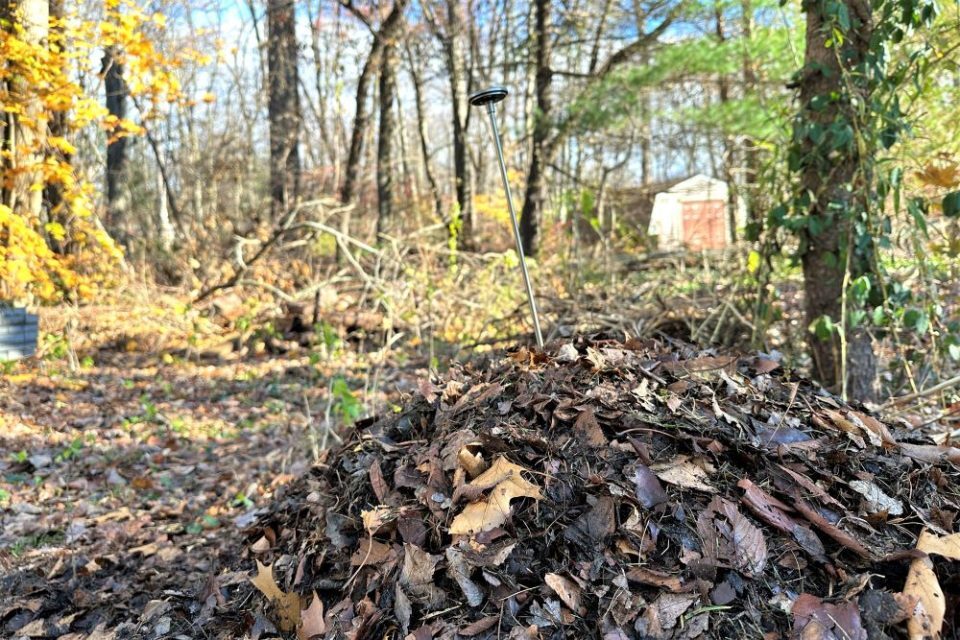
Composting is a natural process that, when done correctly, results in rich, organic material that benefits gardens and landscapes. However, a smelly compost pile can be a distressing sign that something is amiss. Identifying the root causes of unpleasant odors is vital for maintaining an effective composting system and ensuring that it contributes positively to the environment.Several factors can contribute to unpleasant odors in compost piles.
Primarily, these odors often arise from a lack of sufficient aeration, excess moisture, or an imbalance of carbon and nitrogen-rich materials. Understanding these aspects is essential to rectify the situation and prevent future occurrences.
Common Causes of Unpleasant Odors
In order to effectively manage compost odors, it is important to recognize the primary contributors. The following points Artikel key reasons behind the formation of unpleasant smells in compost piles:
- Anaerobic Conditions: When compost is compacted and lacks proper aeration, it can create anaerobic conditions. Under such circumstances, organic materials break down without oxygen, producing foul-smelling gases like methane and hydrogen sulfide.
- Excess Moisture: Too much moisture can lead to soggy compost that does not decompose properly. Waterlogged conditions hinder oxygen circulation, resulting in anaerobic decomposition and, consequently, unpleasant odors.
- Unbalanced Materials: A successful compost pile requires a balanced ratio of carbon-rich (brown) materials and nitrogen-rich (green) materials. A predominance of nitrogen materials, such as kitchen scraps, can lead to a stench similar to that of rotting food.
The role of moisture levels is particularly significant in the odor formation process. Maintaining the appropriate moisture content is crucial for effective composting. Ideally, a compost pile should be as damp as a wrung-out sponge. If it becomes too dry, the decomposition process slows down, while excessive moisture can promote anaerobic conditions.
Impact of Unbalanced Materials on Compost Smell
An unbalanced mixture of compost materials can lead to odors that detract from the intended benefits of composting. Understanding the correct proportions and types of materials to include is vital for odor-free composting.The optimal carbon to nitrogen (C:N) ratio for composting is approximately 30:When this ratio is not adhered to, the odor can become pronounced and unpleasant. Some key points to consider regarding unbalanced materials include:
- Too Much Nitrogen: An excess of nitrogen-rich materials can contribute to a strong, unpleasant smell. Examples of high-nitrogen materials include fresh grass clippings, vegetable scraps, and manure.
- Too Much Carbon: Conversely, a compost pile that is too high in carbon materials, such as leaves, straw, or wood chips, may lead to slow decomposition and a lack of nutrients, ultimately affecting the pile’s overall health.
- Inhomogeneity: A well-mixed compost pile is essential for efficient decomposition. Layering materials without proper mixing can create pockets of imbalance, leading to localized odor issues.
By understanding these factors and implementing corrective measures, composters can alleviate unpleasant odors and maintain a healthy and productive composting environment.
Assessing Your Compost Pile
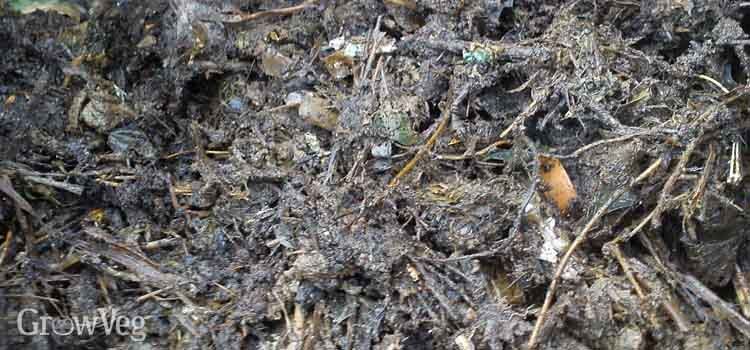
To effectively address odors and other issues in your compost pile, a thorough assessment of its current state is essential. Evaluating your compost helps identify imbalances and factors contributing to unpleasant smells. This section will provide you with methods to assess your compost pile, including tips for evaluating the balance of green and brown materials, as well as checking moisture content and aeration.
Evaluating the Current State of Your Compost
Regular evaluation of your compost pile is crucial for maintaining a healthy composting process. This can be achieved through simple observational techniques and hands-on assessments. Begin by visually inspecting the pile; look for excess moisture, dryness, or uneven layering. A healthy compost pile should be dark, crumbly, and have a pleasant earthy smell.To gain a deeper understanding of your compost’s condition, consider the following methods:
- Perform a smell test: A properly balanced compost pile should emit a mild, earthy aroma. If it smells putrid or like rotting eggs, it is likely anaerobic and requires adjustments.
- Check for temperature: Insert a compost thermometer into the pile. An ideal temperature range for active composting is between 130°F to 160°F (54°C to 71°C). If it’s too low, it may need more green materials or aeration.
- Examine the texture: Dig into the pile and feel the texture of the material. It should be moist but not soggy, and you should be able to see a mix of decomposed and partially decomposed materials.
Determining the Balance of Green and Brown Materials
The balance of green (nitrogen-rich) and brown (carbon-rich) materials is vital for effective composting. An imbalance can lead to odors, poor decomposition, and slow composting processes. A general guideline is to maintain a ratio of approximately 30:1 carbon to nitrogen.To evaluate this balance in your compost pile:
- Identify materials: Take note of the materials you have added. Green materials include kitchen scraps, grass clippings, and manure, while brown materials consist of dry leaves, straw, and cardboard.
- Analyze the proportions: Use a rough estimate of the volume of each type of material. A compost pile should ideally have equal parts green and brown materials, or slightly more brown to ensure adequate carbon content.
- Adjust as necessary: If there is an excess of green materials, add more brown materials to balance the mix. Conversely, if brown materials dominate, incorporate additional greens to enhance nitrogen content.
Checking Moisture Content and Aeration
Moisture content and aeration are essential factors in successful composting. The pile should be damp but not overly wet, as excessive moisture can lead to anaerobic conditions and foul odors. Proper aeration facilitates microbial activity, which is vital for decomposition.To assess moisture content and aeration:
- Conduct a squeeze test: Grab a handful of compost material and squeeze it. If a few drops of water emerge, the moisture level is optimal. If no water is released, the compost may be too dry; if it drips excessively, it is likely too wet.
- Turn the pile: Use a pitchfork or shovel to aerate the pile by turning it every few weeks. This process introduces oxygen, promoting aerobic decomposition and preventing odor issues.
- Monitor drainage: Ensure that your compost bin has adequate drainage. If water pools at the bottom, it may lead to anaerobic conditions. Consider adding materials that improve drainage if necessary.
Correcting Odor Issues
A smelly compost pile can be an unpleasant experience for any gardener or compost enthusiast. Addressing the odors requires understanding the underlying causes and applying corrective measures effectively. By aerating the compost, adjusting the carbon-to-nitrogen ratio, and managing moisture levels, one can restore the compost pile to a healthy state and significantly reduce unwanted smells.
Aerating the Compost Pile
Aeration is crucial in maintaining a healthy compost pile as it enhances oxygen flow, which is essential for aerobic decomposition. When compost is not aerated properly, anaerobic bacteria can thrive, leading to foul odors. The following steps can effectively aerate a smelly compost pile:
1. Turn the Pile
Use a pitchfork or compost aerator to turn the compost pile at least once every few weeks. This process mixes the materials and introduces air into the lower layers.
2. Add Bulky Materials
Incorporating materials such as straw, wood chips, or coarse cardboard can create air pockets that improve aeration.
3. Use a Compost Aerator Tool
These tools can effectively puncture the compost to allow more air into the pile without needing to turn it completely.
4. Monitor Moisture Levels
Ensure the compost is not overly wet, as excess moisture can hinder aeration and lead to a smelly compost pile.
Adjusting the Carbon-to-Nitrogen Ratio
The carbon-to-nitrogen (C:N) ratio is a critical factor in composting. A balanced ratio promotes efficient decomposition and prevents odors. The ideal C:N ratio for composting is typically around 30:If the compost pile is emitting strong smells, it may be due to an imbalance in this ratio. To adjust it, consider the following actions:
Add Carbon-Rich Materials
Incorporate dry leaves, shredded paper, or straw to increase carbon content in the pile. This adjustment helps balance the C:N ratio.
Reduce Nitrogen-Rich Materials
If the pile contains excessive green materials such as grass clippings or food scraps, reduce their quantity to lower nitrogen levels.
Measure and Mix
Maintain a mix of materials by weighing or measuring the inputs, ensuring you achieve the recommended ratio.
“Balancing the carbon-to-nitrogen ratio can significantly enhance composting efficiency and mitigate unpleasant odors.”
Managing Moisture Levels
Moisture is a vital factor in composting, as it facilitates microbial activity. However, too much moisture can create an anaerobic environment, leading to unpleasant odors. Managing moisture levels can be achieved by following these guidelines:
1. Add Dry Materials
In case of excess moisture, adding dry materials such as shredded cardboard, straw, or sawdust can absorb moisture and help balance the pile.
2. Cover the Pile
If rainwater or high humidity is contributing to moisture issues, consider covering the compost pile with a tarp or plastic sheeting to shield it from the elements.
3. Check for Drainage
Ensure that the compost bin has adequate drainage to prevent water accumulation. If necessary, consider elevating the bin or using a design that allows for better drainage. By implementing these strategies, you can effectively correct odor issues in your compost pile, promoting a healthier and more pleasant composting experience.
Maintaining a Balanced Compost Environment
Creating an effective composting system requires attention to detail and consistent maintenance. A balanced compost environment is essential to prevent odors and ensure the proper breakdown of organic materials. Regular monitoring and management of your compost pile will help maintain its health and effectiveness as a biodegradable waste solution.
Creating a Schedule for Regular Compost Turning and Monitoring
Regular turning of the compost pile is a critical practice that aerates the mixture and promotes even decomposition. Establishing a routine helps in maintaining an optimal environment for the microbes responsible for breaking down organic matter. A recommended schedule is to turn the compost every two to four weeks. This allows for:
- Improved aeration, which reduces anaerobic conditions that cause foul odors.
- Even mixing of materials, ensuring that all components are exposed to moisture and heat.
- Faster breakdown of materials, leading to a quicker turnaround time for compost.
Additionally, monitoring the temperature and moisture of the pile during each turning session is vital. A well-maintained compost pile should reach temperatures between 130°F and 160°F (54°C and 71°C), which facilitates the breakdown process and kills pathogens.
Importance of Proper Ingredient Ratios in Preventing Smells
Maintaining the right ratio of greens (nitrogen-rich materials) to browns (carbon-rich materials) is essential in fostering a healthy compost environment. An ideal balance is approximately 1 part greens to 3 parts browns. This ratio helps in:
- Preventing excessive nitrogen build-up, which may lead to unpleasant odors.
- Facilitating effective microbial activity, speeding up the composting process.
- Ensuring that carbon rich materials break down efficiently without becoming too dry or compacted.
Regularly assessing the composition of your compost will enable you to adjust the ratios as necessary. If you notice a strong odor, it may be an indication of too many greens or insufficient aeration.
Best Practices for Maintaining Adequate Moisture Without Over-saturating
Moisture is vital to sustaining the microbial life that decomposes organic matter. However, maintaining the correct moisture level—around 40-60%—is crucial for promoting aerobic conditions. Implementing the following best practices can help you achieve this balance:
- Monitor moisture levels by conducting a simple squeeze test: if the compost holds together without dripping, the moisture is adequate.
- Add dry browns, such as straw or shredded paper, if the compost becomes too wet. This helps absorb excess moisture and aerates the pile.
- Cover the compost pile with a tarp or lid during heavy rain to prevent waterlogging, which can lead to anaerobic conditions.
By adopting these practices, you can maintain a balanced compost environment that minimizes odors and accelerates the decomposition process, ultimately resulting in rich, nutrient-dense compost for your garden.
Utilizing Additives to Improve Compost Smell
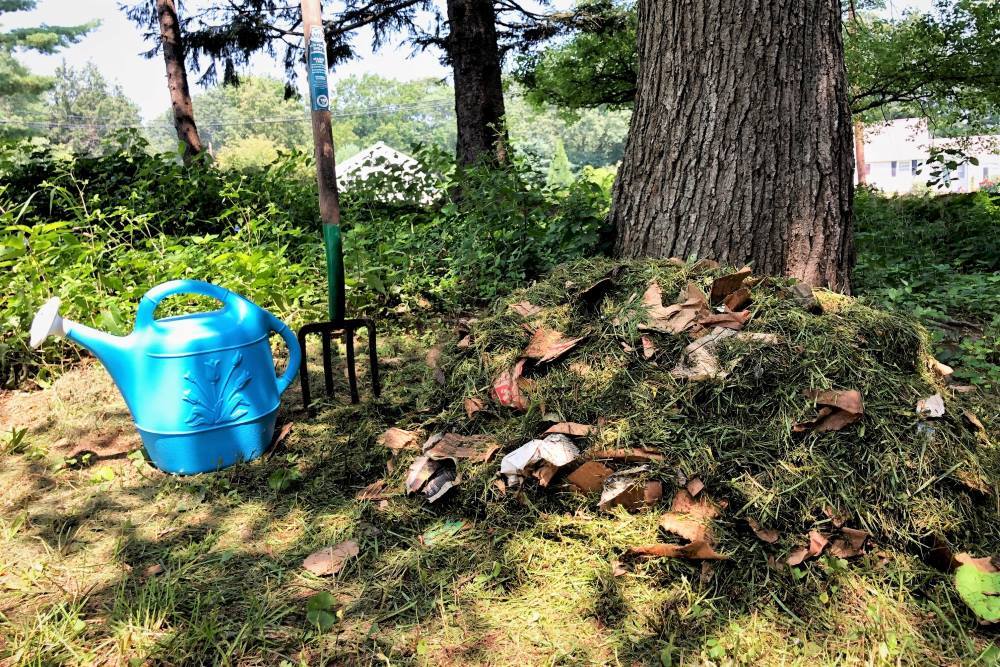
Maintaining an odor-free compost pile can often be achieved through the strategic use of natural additives. These substances not only help neutralize unpleasant odors but also enhance the overall quality of the compost. Incorporating the right materials can create a more balanced environment, promoting efficient decomposition and reducing the chances of foul smells.Natural additives that can help neutralize odors include various organic materials that introduce beneficial bacteria and nutrients.
The following additives are particularly effective:
- Wood Ash: A small amount of wood ash can help absorb odors due to its alkaline nature, which balances the acidity in the compost.
- Coffee Grounds: Rich in nitrogen, coffee grounds can introduce beneficial microorganisms that aid in the composting process while also masking odors.
- Compost Activators: These are commercially available products containing a blend of microbes and nutrients designed to accelerate the decomposition process and eliminate smells.
- Garden Lime: Adding garden lime can reduce acidity and help neutralize odors, promoting a healthier compost environment.
Benefits of Using Compost Activators or Accelerators
Compost activators or accelerators are essential for enhancing the breakdown of organic materials in the compost pile. By introducing a concentrated dose of microorganisms, these activators can significantly speed up the composting process. The benefits of using these products include:
- Faster Decomposition: Activators can reduce the time it takes for organic materials to break down, resulting in finished compost more quickly.
- Odor Control: By promoting the growth of beneficial bacteria, activators help suppress the growth of odor-causing pathogens.
- Improved Aeration: Many activators include bulking agents that enhance the aeration of the compost pile, further supporting aerobic decomposition.
- Nutrient Enhancement: Compost activators often contain added nutrients that enrich the final compost product, making it more beneficial for plants.
Incorporating Shredded Newspaper or Cardboard Effectively
Shredded newspaper and cardboard serve as excellent bulking agents in compost, helping to balance the carbon-to-nitrogen ratio. Incorporating these materials correctly can significantly reduce odors and improve the composting process. When using shredded newspaper or cardboard, consider the following guidelines:
- Shredding: Ensure that the paper or cardboard is shredded into smaller pieces to increase the surface area, allowing for quicker decomposition.
- Layering: Alternate layers of green materials (high in nitrogen) with layers of shredded newspaper or cardboard (high in carbon) to maintain balance.
- Moisture Management: Monitor moisture levels; shredded materials can absorb excess moisture, preventing anaerobic conditions that lead to foul odors.
- Aeration: Regularly aerate the compost pile by turning it, which helps distribute the shredded materials and promotes uniform decomposition.
Troubleshooting Persistent Odor Problems
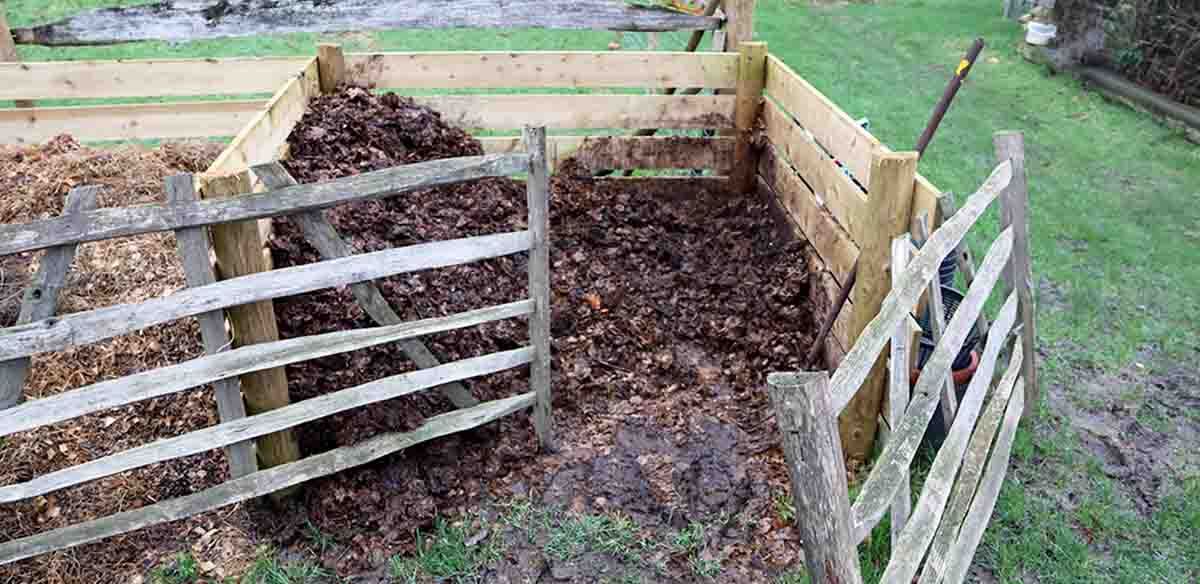
Diagnosing persistent odor issues in compost can be a challenging but essential task for maintaining a healthy composting process. Understanding the nature of these odors and their underlying causes will enable you to effectively address and rectify them, ensuring a more pleasant experience and better compost quality.To systematically approach ongoing compost issues, it is essential to first observe the characteristics of the odors present.
These odors can often indicate specific problems within the compost pile, such as anaerobic conditions or imbalances in the carbon-to-nitrogen ratio. Identifying the type of odor can provide clues to the necessary corrective actions.
Sour Smells and Ammonia Odors
Sour smells and ammonia odors are two common signs of compost problems that require immediate attention. Sour smells typically indicate that the compost is too wet and lacks sufficient aeration, leading to anaerobic decomposition. In contrast, ammonia odors signify an excess of nitrogen-rich materials, causing the compost pile to become imbalanced.To correct these issues, consider the following points:
1. Increasing Aeration
Turn the compost pile regularly to introduce more oxygen, which can alleviate sour smells caused by anaerobic conditions.
2. Adjusting Moisture Content
If the pile is too wet, add dry, carbon-rich materials such as dry leaves or shredded paper to absorb excess moisture.
3. Balancing Ingredients
Evaluate the carbon-to-nitrogen ratio of the compost. Aim for a balanced mix of green materials (high in nitrogen) and brown materials (high in carbon). A good general ratio is 30:1 (carbon to nitrogen).
4. Monitoring Temperature
Higher temperatures can be beneficial for decomposition. If the pile is not heating up, it may be necessary to add more nitrogen-rich materials or aerate the pile further.
5. Diluting Ammonia
If ammonia odors persist, adding bulking agents, such as sawdust or straw, can help absorb the excess nitrogen and mitigate the smell.
When persistent odor problems arise, comprehensive assessment and prompt action are crucial for restoring balance to the compost pile.
In some cases, despite implementing corrective measures, odor issues may persist, indicating a more serious underlying problem. If the compost pile continues to emit strong, unpleasant odors after adjustments have been made, it might be necessary to consider starting a fresh compost pile. This approach allows for a clean slate, where the right balance of materials can be carefully curated from the beginning.When establishing a new pile, ensure a good mixture of materials is maintained from the outset, prioritize proper aeration and moisture levels, and closely monitor the composting process in its early stages.
By doing so, you will likely prevent the recurrence of persistent odor problems and achieve a healthier composting environment.
Best Practices for Future Composting

Creating a successful compost pile requires a thoughtful approach to materials and practices that can significantly reduce odor issues and promote a healthy decomposition process. By following best practices, you can ensure the sustainability and efficiency of your composting efforts while avoiding those unpleasant smells that can arise from improper compost management.Selecting the right materials plays a crucial role in maintaining a balanced compost pile.
Certain materials contribute to odor issues if not managed properly. It is essential to know which items to include and which to avoid, ensuring a healthy microbial environment.
Guide for Selecting the Right Materials
The choice of compost materials influences the effectiveness and smell of your compost pile. Incorporating a diverse array of green and brown materials can help maintain the right carbon-to-nitrogen ratio.
- Green Materials: These are nitrogen-rich items such as vegetable scraps, grass clippings, and coffee grounds. They help initiate the decomposition process and add moisture to the pile.
- Brown Materials: These carbon-rich items include dried leaves, straw, and shredded newspaper. They are essential for proper aeration and help balance moisture levels.
- Avoid: Animal products, oils, and dairy items, as these can attract pests and contribute to foul odors. Additionally, avoid diseased plants and weeds with mature seeds.
To further enhance your composting practices, it is important to consider the impact of seasonal changes on composting, especially in varying climates.
Seasonal Considerations for Composting
Adapting your composting strategy to the changing seasons can aid in maintaining a healthy compost pile throughout the year. Different climates can influence the decomposition rate and the types of materials readily available.
- Spring: Ideal for adding fresh green materials, such as kitchen scraps and grass clippings. Ensure adequate aeration and moisture as temperatures rise.
- Summer: Monitor moisture levels closely; compost can dry out quickly. Incorporate more water-rich items, such as fruit scraps, and turn the pile regularly to maintain aeration.
- Autumn: Gather fallen leaves and other brown materials. Mix them with greens to maintain balance as you prepare for the winter months.
- Winter: Composting may slow down in colder temperatures. Insulate the pile with straw bales or cover it with a tarp to retain warmth and moisture.
Establishing a regular maintenance routine is vital for a successful composting endeavor.
Checklist for Maintaining a Healthy Compost Pile
A consistent approach to monitoring and maintaining your compost pile ensures that it remains productive and odor-free.
- Monitor Moisture Levels: The compost should feel like a wrung-out sponge. If it is too dry, add water or green materials; if too wet, incorporate more brown materials.
- Aerate Regularly: Turn the compost pile every few weeks to introduce oxygen, which is essential for the microbial activity that breaks down organic matter.
- Check Temperature: The ideal composting temperature ranges from 130°F to 160°F (54°C to 71°C). Higher temperatures indicate efficient decomposition. If the temperature drops, consider turning the pile or adding more green materials.
- Balance Carbon and Nitrogen: Maintain a carbon-to-nitrogen ratio of about 30:1 to prevent odors and ensure efficient breakdown.
- Use a Compost Thermometer: A compost thermometer can help monitor internal temperatures, ensuring that the composting process remains active.
Concluding Remarks
In conclusion, addressing and preventing odors in your compost pile is not only feasible but crucial for the success of your composting efforts. By understanding the underlying causes, implementing corrective measures, and maintaining proper care, you can enjoy the benefits of a well-functioning compost system. Embracing these practices will ensure that your composting experience is rewarding, leading to healthy soil and flourishing plants in your garden.