Understanding how to handle diseased plants before composting them is crucial for maintaining the health of your garden and soil. Diseased plants can harbor pathogens that may negatively affect future crops, making it essential to identify and manage these issues proactively. In this discussion, we will explore common plant diseases, how to recognize them, and the best practices for disposal and treatment to ensure that your composting efforts contribute positively to your gardening environment.
From recognizing symptoms of plant disease to employing effective disposal techniques, this guide aims to provide you with comprehensive knowledge. By delving into treatment options and composting practices, you will learn how to foster a healthy gardening ecosystem while mitigating the risks associated with diseased plants.
Introduction to Diseased Plants
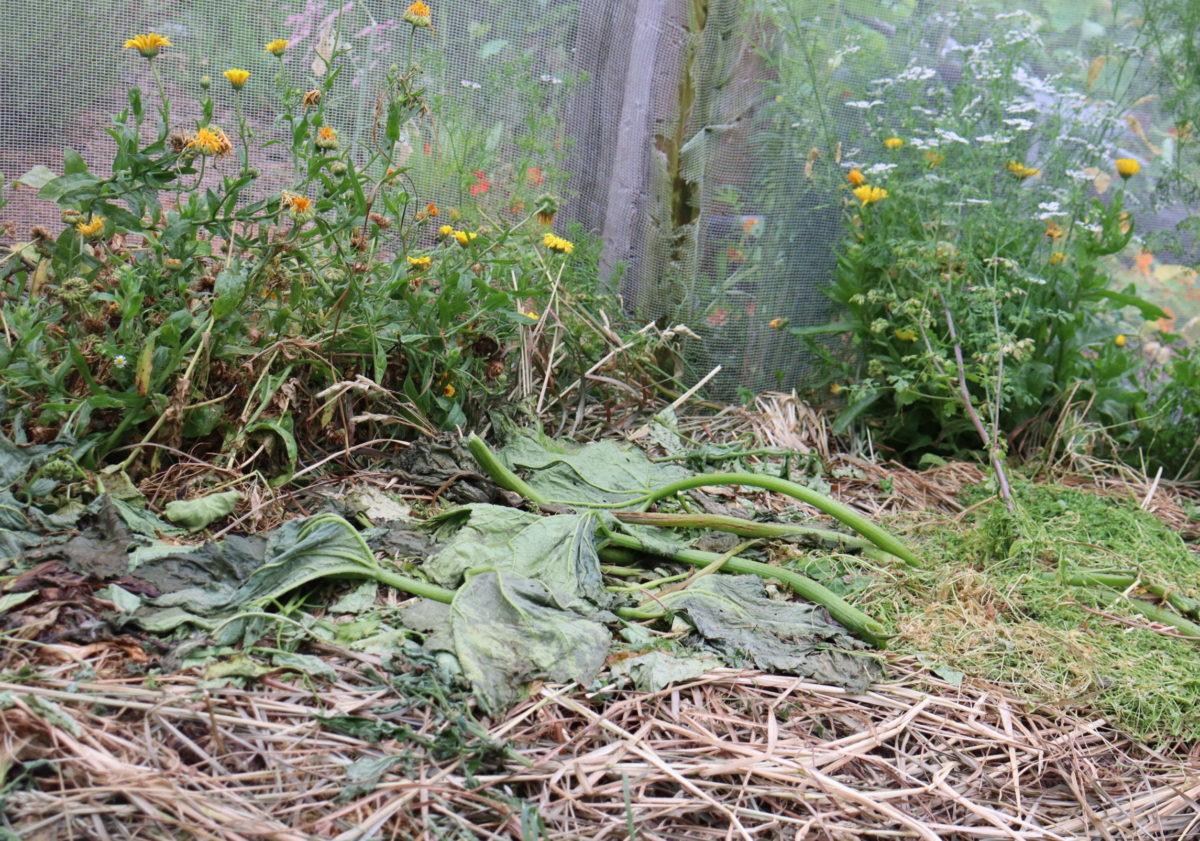
Identifying diseased plants before composting is crucial for maintaining healthy soil and promoting the growth of robust crops. When diseased plant matter is added to compost, there is a significant risk of introducing pathogens into the composting process, which can subsequently affect future plant health. Proper management of diseased plants not only protects the composting environment but also fosters a sustainable gardening practice.Common diseases affecting garden plants can arise from various sources, including fungi, bacteria, and viruses.
Some prevalent examples include powdery mildew, root rot, and bacterial wilt. These pathogens can thrive in compost if the necessary precautions are not taken. The impact of composting diseased plants extends beyond the immediate compost pile; it can lead to soil contamination, reduced nutrient availability, and increased susceptibility to disease in future crops. Understanding and addressing these issues is vital for any gardener aiming for longevity and productivity in their gardening efforts.
Common Diseases Affecting Garden Plants
Awareness of the most common plant diseases helps gardeners recognize symptoms early, thereby minimizing their impact. The following diseases are frequently encountered in garden settings:
- Powdery Mildew: Characterized by white, powdery spots on leaves, this fungal disease thrives in warm, dry conditions and can weaken plants over time.
- Root Rot: Often caused by overwatering, root rot leads to the decay of plant roots, resulting in yellowing leaves and stunted growth.
- Bacterial Wilt: This disease causes plants to wilt suddenly, as bacteria infect the vascular system, hindering water transport.
- Blight: A term that encompasses several fungal and bacterial diseases, blight often results in brown, dead patches on leaves and can spread rapidly.
By recognizing these diseases and their symptoms, gardeners can take proactive steps to manage affected plants, ensuring that only healthy organic material is composted.
“Composting diseased plants without proper measures can lead to the spread of pathogens, compromising future gardening efforts.”
The effects of composting diseased plants can be detrimental to soil health. Pathogens can survive the composting process if temperatures do not reach the necessary levels for pathogen kill-off, leading to long-term issues in soil fertility and crop health. It is essential to implement measures such as hot composting and monitoring compost temperatures to ensure that pathogens are effectively neutralized before the compost is used in gardens.
Identification of Diseased Plants
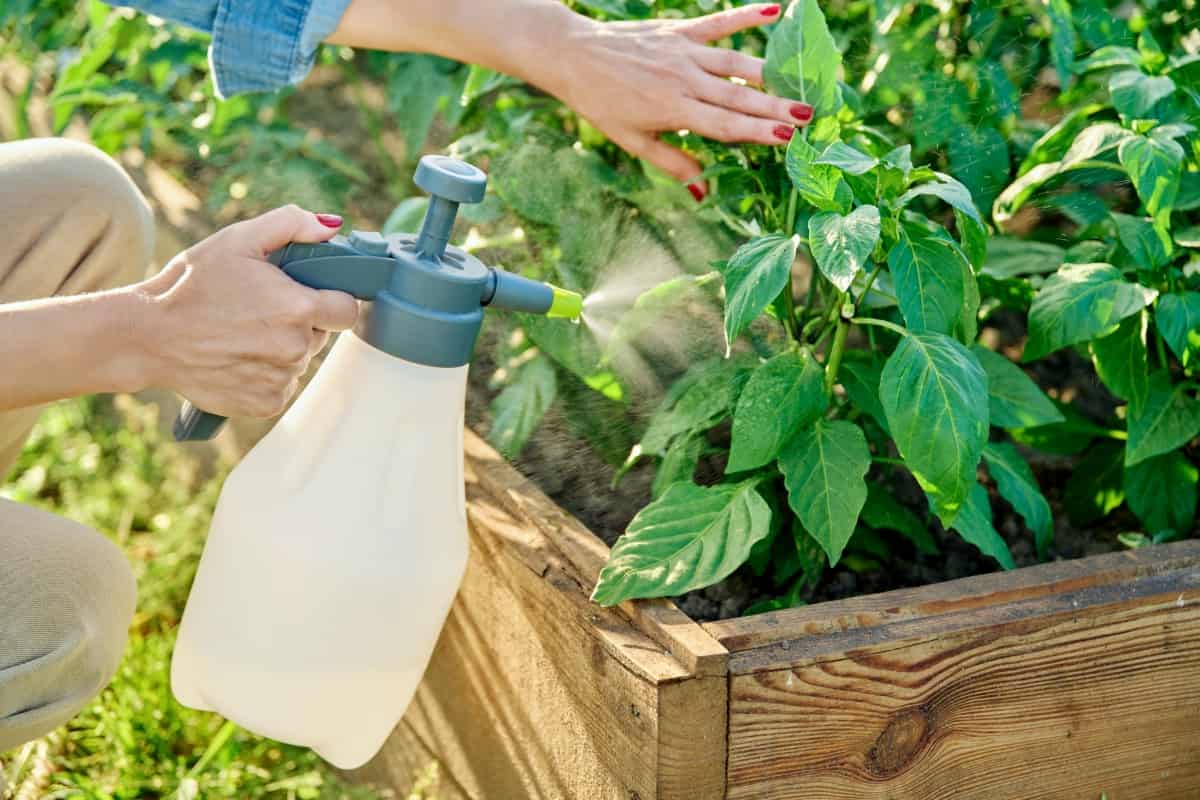
Identifying diseased plants is crucial for maintaining the health of your garden or indoor plants. Recognizing the symptoms early can help you take appropriate actions to manage the issues before they spread. This section will detail the typical signs of plant diseases and how to distinguish them from nutrient deficiencies while also highlighting common pests that may contribute to these diseases.
Symptoms of Diseased Plants
It is essential to be aware of the various symptoms that may indicate a plant is diseased. Early detection will enable timely intervention. The following list Artikels common symptoms to look for:
- Yellowing Leaves: Often a sign of either disease or nutrient deficiency, yellowing leaves can indicate a plant’s struggle.
- Wilting: Plants that become limp or droop may be suffering from root rot or other diseases.
- Spots or Blotches: Dark or discolored spots on leaves can indicate fungal infections or bacterial diseases.
- Blight: Rapid browning and death of plant tissue, particularly on leaves and stems.
- Powdery Mildew: A white powdery substance on leaves, typically indicating a fungal infection.
- Stunted Growth: Plants that do not grow normally may be affected by disease or pests.
Differentiating Disease Symptoms and Nutrient Deficiencies
Identifying whether a plant’s distress is due to disease or nutrient deficiency is vital for appropriate treatment. Nutrient deficiencies often present with distinct patterns:
- Localized Symptoms: Nutrient deficiencies typically show symptoms on older leaves first, while diseases tend to affect new growth.
- Uniformity vs. Spotting: Deficiencies are often uniform across the plant, whereas disease symptoms can manifest sporadically.
- Growth Response: Addressing nutrient deficiencies often results in rapid recovery, while diseases require more intensive management.
Understanding these differences can save time and resources in plant care.
Common Pests Contributing to Plant Diseases
Pests can significantly impact plant health by directly damaging tissues or by transmitting pathogens. Recognizing these pests is essential for effective management:
- Aphids: Small, sap-sucking insects that can transmit viruses and weaken plants.
- Spider Mites: These tiny pests create webbing and cause leaf discoloration and drop.
- Whiteflies: Like aphids, they suck sap and can spread diseases while leaving a sticky residue.
- Thrips: Microscopic pests that feed on plant cells, causing streaks and silvery patches on leaves.
- Fungal Gnats: Larvae can damage roots, leading to root rot and increased vulnerability to pathogens.
Monitoring for these pests and their symptoms can aid in preventing the onset of plant diseases, ensuring a healthier garden or indoor environment.
Methods for Handling Diseased Plants
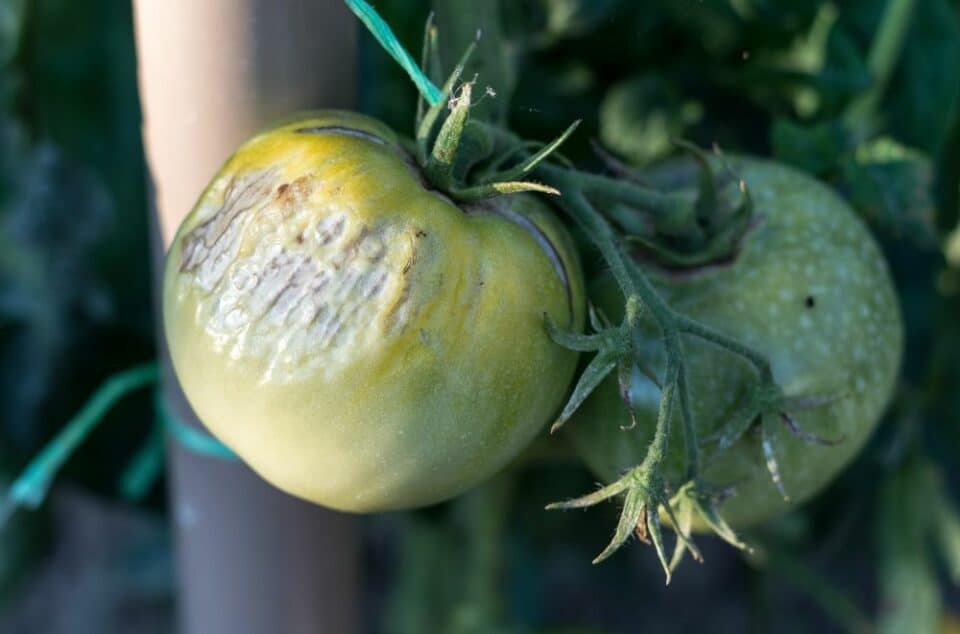
Safely managing diseased plants is crucial for maintaining the overall health of your garden. By following specific steps for removal, proper disposal, and sanitizing tools, gardeners can effectively mitigate the spread of diseases and protect healthy plants.
Steps for Safely Removing Diseased Plants
The removal of diseased plants should be approached with caution to prevent the potential spread of pathogens. Begin by assessing the extent of the disease and planning the removal process accordingly. It is important to wear protective gloves and, if necessary, a face mask to avoid direct contact with pathogens and spores.
- Identify the plants that show clear signs of disease, such as discoloration, wilting, or spots.
- Using sharp, sterile tools, cut the diseased plant at the base, ensuring that healthy tissue is not damaged.
- Collect diseased plant material carefully to avoid scattering spores or pathogens in the garden.
- Inspect surrounding plants for any signs of disease to ensure that the problem is not widespread.
Proper Disposal of Diseased Plant Material
Disposing of diseased plant materials properly is essential to prevent the spread of diseases among plants. Composting diseased plants can inadvertently introduce pathogens back into the garden. Instead, follow these guidelines for effective disposal.
- Do not add diseased plants to your compost pile. Instead, place them in sealed plastic bags.
- Dispose of the bags in the trash or municipal organic waste collection if available.
- Alternatively, incineration may be an option, provided local regulations allow it.
- Ensure the area where the plants were removed is thoroughly cleaned and monitored for any new disease symptoms.
Sanitizing Tools Used on Diseased Plants
Proper sanitation of gardening tools is vital after they have been in contact with diseased plants. This practice helps prevent the transmission of pathogens to healthy plants. Utilize the following methods to effectively sanitize your tools.
- Prepare a solution of 10% bleach (1 part bleach to 9 parts water) or use a commercial tool disinfectant.
- Submerge metal tools in the solution for at least 10 minutes, ensuring all surfaces are covered.
- After soaking, rinse tools thoroughly with clean water to remove any residual bleach.
- Allow tools to air dry completely before storing them in a dry location to prevent rust or further contamination.
“Sanitizing gardening tools is an essential practice to maintain the health of your garden and prevent the spread of diseases.”
Treatment Options Before Composting
Diseased plants pose a significant challenge when it comes to composting. Proper treatment is essential to ensure that pathogens do not spread and compromise the integrity of compost. Various treatment options exist that can either allow diseased plants to be composted safely or help determine whether they should be discarded.
Organic Treatments for Diseased Plants
Organic treatments can be effective in managing diseased plants while also allowing for the possibility of composting. These methods are generally safe for the environment and can mitigate the spread of pathogens. Some common organic treatments include:
- Neem Oil: This natural pesticide derived from the seeds of the neem tree can effectively manage fungal infections and pests. Spraying neem oil on affected plants can help eliminate harmful pathogens, making them safer to compost.
- Garlic and Chili Pepper Spray: A homemade concoction using garlic and chili peppers can serve as an effective organic treatment. The strong compounds in garlic possess antifungal properties, while chili peppers act as a deterrent for pests.
- Compost Tea: Applying compost tea, made from steeping mature compost in water, can enhance plant resilience and potentially treat minor fungal infections. This method also enriches the soil with beneficial microorganisms.
- Trichoderma Species: These beneficial fungi can help suppress plant pathogens by outcompeting them for nutrients and space. Introducing Trichoderma into the soil or onto diseased plants can enhance their health and viability.
Chemical Treatments and Their Implications
While organic treatments are preferred, there are chemical treatments available for managing diseased plants. However, caution is advised, as these can have ramifications for composting. Key chemical treatments include:
- Fungicides: Synthetic fungicides can effectively kill fungal pathogens. However, their use on plants intended for composting can lead to chemical residues that may harm beneficial microorganisms in the compost. It’s crucial to check the label for information on safety regarding composting.
- Herbicides: These are often used to manage invasive weed species but can also damage or kill diseased plants. The use of herbicides can result in contamination of compost, making it unsuitable for future plant growth.
- Insecticides: While they can help control infestations, many insecticides can persist in the environment and hinder composting processes. It’s important to read product labels carefully to understand the implications for composting.
Guide to Determine Plant Viability
Assessing whether a diseased plant can be saved or should be discarded is crucial for effective plant management and composting. Consider the following guidelines:
- Severity of Disease: Evaluate the extent of the disease. If more than 50% of the plant is affected, it is often better to discard it rather than risk spreading pathogens.
- Type of Disease: Some diseases are more detrimental than others. For example, root rot and blights can be severe, while minor fungal issues may be treatable.
- Overall Plant Health: Consider the overall vigor of the plant. If the plant is weak and stunted, it may not be worth saving.
- Presence of Spores: If visible spores or signs of pathogen reproduction are present, the plant should be discarded to prevent spread.
Composting Diseased Plants: Best Practices
Composting diseased plants can be a delicate process, requiring careful consideration to prevent the spread of pathogens. Understanding when it is safe to compost certain diseased plants and the best practices for managing them is crucial for maintaining healthy compost and gardens.Certain diseases can be safely composted if specific conditions are met. For instance, plants infected with diseases that are not highly aggressive or do not produce resilient spores can often be composted successfully.
However, it is essential to follow guidelines to ensure pathogens are effectively eliminated during the composting process.
Safety and Guidelines for Composting Diseased Plants
It is important to adhere to specific guidelines when composting diseased plants to prevent the proliferation of infections. The table below Artikels various plant diseases and their respective composting guidelines, indicating whether they can be composted safely and any necessary treatments required before composting.
| Disease | Composting Status | Treatment Required |
|---|---|---|
| Powdery Mildew | Safe to compost | None |
| Blight (Tomato, Potato) | Not safe unless heated | Hot composting required |
| Root Rot | Not safe | Do not compost |
| Rust | Safe to compost | None |
| Downy Mildew | Safe to compost | None |
Maintaining proper composting temperatures is essential to ensure that pathogens are effectively killed during the composting process. The ideal temperature for composting diseased materials generally falls within the range of 130°F to 160°F (54°C to 71°C). At these temperatures, most pathogens, including bacteria, fungi, and viruses, are destroyed effectively.To achieve and maintain these temperatures, consider the following practices:
Regularly Turn the Compost Pile
This aerates the material, promoting even heating and preventing cool spots.
Monitor Moisture Levels
The compost should be moist but not overly wet. Aim for a balance where it feels like a damp sponge.
Use a Thermometer
Regularly check the internal temperature of the compost to ensure it reaches the necessary levels for pathogen destruction.By adhering to these best practices, gardeners can compost diseased plants without risking the health of their gardens and contribute positively to sustainable gardening practices.
Preventing Future Plant Diseases
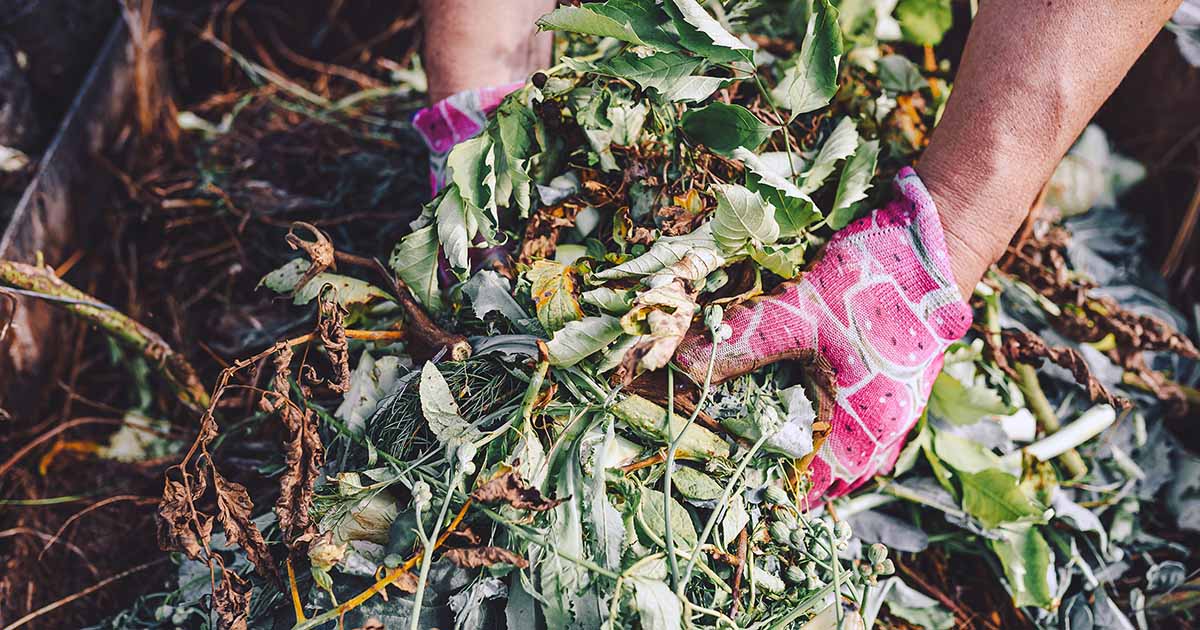
Maintaining a healthy garden environment is crucial for preventing future plant diseases. By implementing best practices in garden maintenance, along with strategies for enhancing soil health, gardeners can significantly reduce the likelihood of disease occurrence. Understanding the importance of plant diversity and effective crop rotation can further bolster plant resilience and promote a thriving garden ecosystem.
Best Practices for Garden Maintenance
Implementing effective garden maintenance practices is essential for keeping plants healthy and minimizing disease risk. Regular monitoring and proper care can help in early detection and management of potential threats.
- Regular Inspection: Frequently check plants for any signs of disease or distress, such as discoloration or unusual growth patterns. Early detection allows for swift action, preventing the spread of diseases.
- Proper Watering: Water plants at the base rather than overhead to avoid creating a moist environment that fosters fungal diseases. Aim to water in the morning to allow foliage to dry throughout the day.
- Sanitation Practices: Keep the garden clean by promptly removing dead or diseased plant material. This reduces the chances of pathogens lingering in the garden.
- Optimal Spacing: Ensure adequate spacing between plants to promote good air circulation, which helps reduce humidity and the risk of fungal infections.
Importance of Crop Rotation and Plant Diversity
Crop rotation and plant diversity are two effective strategies for reducing plant diseases and promoting soil health. These methods disrupt the life cycles of pathogens and pests that thrive in monoculture systems.
- Crop Rotation: Changing the types of plants grown in a specific area each season reduces the buildup of soil-borne pathogens. For instance, rotating between legumes and brassicas can help mitigate diseases specific to a crop family.
- Plant Diversity: Incorporating a variety of plants in the garden increases biodiversity, which enhances ecosystem resilience. Different plants can attract beneficial insects and reduce pest populations naturally.
- Intercropping: Growing complementary plants together (such as planting garlic with roses) can deter pests and diseases while maximizing space and resources.
Soil Health Management
Healthy soil forms the foundation of robust plant life. Managing soil health effectively can enhance the resilience of plants against diseases.
- Soil Testing: Regularly test soil to assess nutrient levels and pH balance. This information helps tailor amendments to foster a healthy growing environment.
- Organic Matter Addition: Incorporate compost or well-rotted manure to improve soil structure, enhance nutrient availability, and increase microbial activity, which aids in disease suppression.
- Mulching: Use organic mulches to conserve moisture, suppress weeds, and create a barrier against soil-borne diseases. Mulches also contribute nutrients back to the soil as they decompose.
- Cover Crops: Planting cover crops during the off-season can prevent soil erosion, improve soil fertility, and disrupt pest cycles, further promoting a healthier garden ecosystem.
Practicing good garden maintenance, embracing crop diversity, and managing soil health are vital strategies for preventing future plant diseases.
Resources for Further Learning
The journey toward understanding and managing plant diseases, along with effective composting practices, can be greatly enhanced through the use of various resources. These resources not only provide valuable information but also connect gardeners with communities and experts who can offer additional support and guidance.Books and websites focused on plant diseases and composting are essential for anyone looking to deepen their knowledge.
They serve as comprehensive references that cover a wide range of topics, from identifying specific diseases to understanding their impact on plant health and the environment. Additionally, they often provide practical solutions for managing these issues effectively.
Recommended Books and Websites
A selection of trustworthy books and websites can significantly improve one’s understanding of plant diseases and the composting process. Below is a compilation that offers both foundational knowledge and advanced insights:
- Books:
- The Plant Lover’s Guide to Disease Resistance by Paul C. Rogers – This book provides insights into identifying plant diseases and strategies for resistant plant varieties.
- Composting for Dummies by John M. McCarty – A user-friendly guide that simplifies the composting process and includes tips on dealing with diseased materials.
- Plant Pathology by George N. Agrios – A comprehensive text covering various plant diseases, their causes, and methods of management.
- Websites:
- eXtension – A hub for research-based information from land-grant universities, covering a multitude of topics including plant diseases and composting.
- Gardening Know How – An online resource that offers articles on disease identification and care, along with composting techniques.
- University of Minnesota Extension – Provides valuable information on plant disease identification and management strategies.
Local Gardening Clubs and Online Forums
Joining local gardening clubs or participating in online forums can greatly enhance one’s gardening experience by fostering community support and shared knowledge. These platforms allow gardeners to connect, share experiences, and seek advice on handling plant diseases and composting practices.Local gardening clubs often host workshops and events where members can learn from each other. Online forums provide a wider reach, allowing individuals to post questions and receive input from gardeners around the globe.A few notable communities include:
- Local Clubs: Check local horticultural societies or botanical gardens for memberships that offer resources and networking opportunities.
- Online Platforms:
- GardenWeb – A popular online community where gardeners discuss various topics, including plant diseases and composting.
- Reddit’s r/gardening – A forum for sharing advice, experiences, and photos related to gardening.
Extension Services for Personalized Help
Extension services play a crucial role in providing personalized assistance to gardeners. These services are affiliated with land-grant universities and offer expert advice tailored to the local environment and specific gardening challenges. Gardeners can access a wealth of resources, including:
- Plant Diagnostics: Many extension services offer diagnostic services to help identify diseases affecting plants.
- Workshops and Seminars: Regularly scheduled events focused on plant health, composting, and sustainable gardening practices.
- Resource Guides: Publications and online content tailored to specific regional issues, ensuring that the information is relevant and actionable.
Last Recap
In conclusion, effectively managing diseased plants before composting them is a vital step in promoting a thriving garden. By employing the knowledge and techniques discussed, you can ensure that your composting practices do not compromise soil health or future plant growth. Embracing preventive measures, such as crop rotation and proper garden maintenance, will further safeguard your plants against disease, leading to a more robust and bountiful gardening experience.