How to Keep Rats and Rodents Out of Your Compost delves into the essential strategies for safeguarding your compost from unwanted pests. Composting is a vital practice for sustainable gardening and waste management, but it is also an inviting habitat for rats and rodents if not properly managed. Understanding the behaviors that attract these pests and implementing effective preventative measures can ensure a healthy compost pile that benefits your garden.
This guide will explore rodent behavior, best composting practices, physical barriers, natural deterrents, and community involvement, offering a comprehensive approach to maintaining a rodent-free composting environment. By engaging in regular maintenance and utilizing effective strategies, you can create an effective compost system that remains productive and free of unwanted visitors.
Understanding Rodent Behavior
Rats and rodents are known for their adaptability and resourcefulness, traits that allow them to thrive in various environments. Understanding their behavior is essential for preventing infestations, particularly in compost areas where they can find ample food and shelter. This section delves into the typical behaviors of these pests, the factors that attract them to compost piles, and the signs of infestation that can occur.Rodents exhibit certain behaviors that lead them to compost areas, primarily driven by their instinctual needs for food, water, and shelter.
They tend to forage for food scraps, which are often plentiful in compost, and typically prefer environments that offer safety and concealment for nesting. These behaviors are crucial for their survival, influencing their patterns of movement and habitation.
Factors Attracting Rodents to Compost Piles
Several factors contribute to the attraction of rodents to compost piles. Understanding these factors can help in mitigating potential infestations. The following points illustrate the key attractants:
- Food Availability: Compost piles often contain vegetable scraps, fruit peels, and other organic matter that serve as a food source for rodents. The decomposition process can enhance the aroma, making it even more enticing.
- Moisture: Compost piles retain moisture, which is essential for rodents. They seek out damp environments to stay hydrated, especially in dry conditions.
- Cover and Shelter: The structure of compost piles provides an ideal habitat for rodents to hide and nest. Layers of organic material create a safe environment away from predators.
- Warmth: Decomposing organic matter generates heat, offering a warm refuge for rodents, particularly in cooler months.
The presence of these factors significantly increases the likelihood of rodent activity in compost areas. By recognizing their motivations, one can implement strategies to deter them effectively.
Signs of Rodent Infestation in Compost
Identifying the signs of rodent infestation in compost is crucial for early intervention. The sooner one can detect these signs, the more effective the control measures will be. The following indicators are commonly associated with rodent presence:
- Droppings: Small, dark droppings scattered around the compost pile are a clear sign of rodent activity. These droppings are usually elongated and can vary in size, depending on the species.
- Gnaw Marks: Rodents have continuously growing teeth, prompting them to gnaw on various materials. Look for bite marks on compost bins, barriers, or other items adjacent to the pile.
- Nesting Materials: Rodents often collect soft materials for nesting. If you find shredded paper, dried grass, or fabric near the compost, it may indicate nesting activity.
- Footprints: In soft compost or surrounding soil, rodent footprints may be visible, often showing small toe impressions typical of rodents.
Vigilance in monitoring these signs can help manage and prevent rodent infestations in compost areas, ensuring the compost remains a healthy and productive environment for organic waste recycling.
Best Practices for Composting
Composting is an effective way to recycle organic waste, yet it can inadvertently attract unwelcome rodents if not managed properly. Implementing best practices can significantly reduce the likelihood of rodent infestations while promoting a healthy composting environment. This section Artikels essential techniques and materials that help create a rodent-resistant compost pile.
Composting Techniques that Minimize Rodent Attraction
Employing proper composting techniques is crucial for deterring rodents. A well-maintained compost pile that is aerated and balanced can minimize odors and attractants that entice rodents. Consider the following best practices:
- Maintain a balanced carbon-to-nitrogen ratio, ideally between 25:1 and 30:1. This encourages efficient decomposition and limits the production of odors that attract rodents.
- Regularly turn the compost pile to promote aeration and even decomposition. This not only speeds up the composting process but also helps maintain an elevated temperature that can deter pests.
- Cover the compost pile with a lid or tarp, particularly in urban areas where rodent populations are more prevalent. This physical barrier can help keep rodents at bay.
- Keep the compost moist but not overly wet. Excess moisture can create a favorable environment for rodents and other pests.
Compost Materials Less Appealing to Rodents
Selecting appropriate compost materials is vital in reducing rodent attraction. Some organic materials are less appealing to rodents and should be prioritized in your composting efforts. The following items are recommended:
- Brown materials such as dried leaves, straw, and paper. These materials help balance nitrogen-rich green materials, creating an optimal compost environment without attracting rodents.
- Fruit and vegetable peels should be used sparingly. While they are compostable, their strong odors can attract rodents. Consider burying them within the pile.
- Do not include meat, dairy, or oily foods in your compost, as these materials are highly attractive to rodents and can lead to odors.
Importance of Compost Temperature and Moisture Levels
Maintaining appropriate temperature and moisture levels is essential for effective composting and rodent management. High temperatures not only facilitate the breakdown of organic materials but also deter various pests, including rodents.
Maintaining a compost temperature between 130°F to 160°F (54°C to 71°C) helps kill pathogens and discourages rodents from nesting in the compost.
To achieve and sustain the right conditions, regularly monitor the moisture content. A compost pile should feel moist but not soggy, akin to a damp sponge. Adjust moisture levels as needed by adding water or dry materials to maintain the ideal balance. By following these practices, composters can create an efficient, healthy composting system while minimizing rodent-related issues.
Physical Barriers
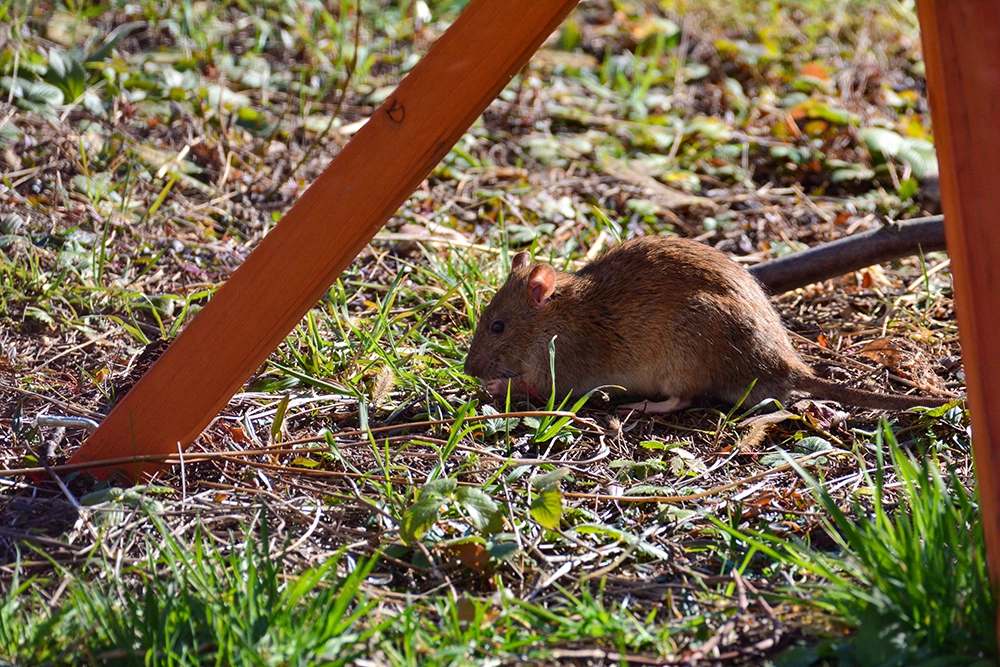
Implementing effective physical barriers is crucial in preventing rodents from accessing compost bins. These barriers not only protect the compost from unwanted visitors but also ensure that the composting process remains efficient and hygienic. By understanding the design and materials suitable for crafting a rodent-proof compost bin, gardeners can maintain a healthier composting environment.
Effective Physical Barriers
Physical barriers are essential in deterring rodents from infiltrating compost bins. The following methods can be employed to create a secure composting area:
- Wire Mesh: Utilizing galvanized hardware cloth with holes no larger than 1/4 inch can effectively keep rodents at bay. The mesh should be used to line the bottom and sides of the compost bin.
- Solid Base: Constructing the compost bin with a solid wood or concrete base prevents rodents from burrowing underneath. Raised bins also diminish the risk of rodent access.
- Secure Lids: Incorporating tight-fitting lids or covers can deter rodents from entering the compost. A lid that can be securely latched is ideal for preventing access.
Designing a Rodent-Proof Compost Bin
Creating a compost bin designed specifically to thwart rodent entry involves careful consideration of materials and dimensions. A well-constructed bin should adhere to the following specifications:
The materials selected must be durable and resistant to gnawing. Here is a suggested design Artikel:
- Dimensions: A compost bin measuring 3 feet long by 3 feet wide and 3 feet high is typically sufficient. This size allows for effective aeration and material breakdown while remaining manageable for maintenance.
- Materials: Choose untreated wood or recycled plastic for the body of the compost bin. Wood should be thick enough (at least 1 inch) to deter rodents, while plastic options should be heavy-duty to withstand wear.
- Access Points: Ensure that access openings are strategically placed and fitted with secure closures to prevent any opportunistic rodent entry. Doors should be designed to close tightly.
Examples of Successful Composting Enclosures
Numerous gardeners have successfully implemented composting enclosures that deter rodents. Here are a few documented examples:
- Community Garden Projects: In several urban community gardens, compost bins constructed with heavy-duty wire mesh and wooden frames have shown a significant reduction in rodent activity.
- Home Garden Solutions: Homeowners have reported success using enclosed composters made from recycled plastic, which not only deter rodents but also provide an efficient, odor-free composting solution.
- Commercial Composting Systems: Many commercial composting facilities utilize large, enclosed bins built with reinforced steel and mesh to prevent rodent access effectively.
Natural Deterrents
Natural deterrents serve as an effective method to keep rodents away from compost without the need for toxic chemicals. Utilizing these methods not only protects your compost but also promotes a healthier ecosystem. By incorporating certain plants and scents that rodents find unpleasant, you can create a compost environment that is less inviting to these pests.The effectiveness of natural deterrents can vary based on the type of plant or scent used.
Some plants emit strong odors that are inherently repugnant to rodents, while others may have textures or properties that deter them from entering the compost area. Below is a table comparing various natural deterrents, their forms, and their effectiveness against rodents.
| Natural Deterrent | Form | Effectiveness |
|---|---|---|
| Mint | Plant/Essential Oil | Highly Effective |
| Lavender | Plant/Essential Oil | Moderately Effective |
| Garlic | Plant/Extract | Moderately Effective |
| Wormwood | Plant/Tea | Effective |
| Cayenne Pepper | Spice/Powder | Highly Effective |
| Human Hair | Organic Material | Effective |
The use of plants such as mint and lavender not only enhances the aesthetic appeal of your garden but also acts as a natural rodent repellent. These plants release strong scents that are unpleasant to rodents, effectively deterring them from nesting nearby. In addition, the application of garlic and cayenne pepper can disrupt the sensory perception of rodents, further discouraging them from approaching the compost.
Utilizing natural deterrents fosters a sustainable approach to rodent control, ensuring your compost remains a thriving habitat for beneficial organisms while keeping unwanted pests at bay.
Regular Maintenance Practices
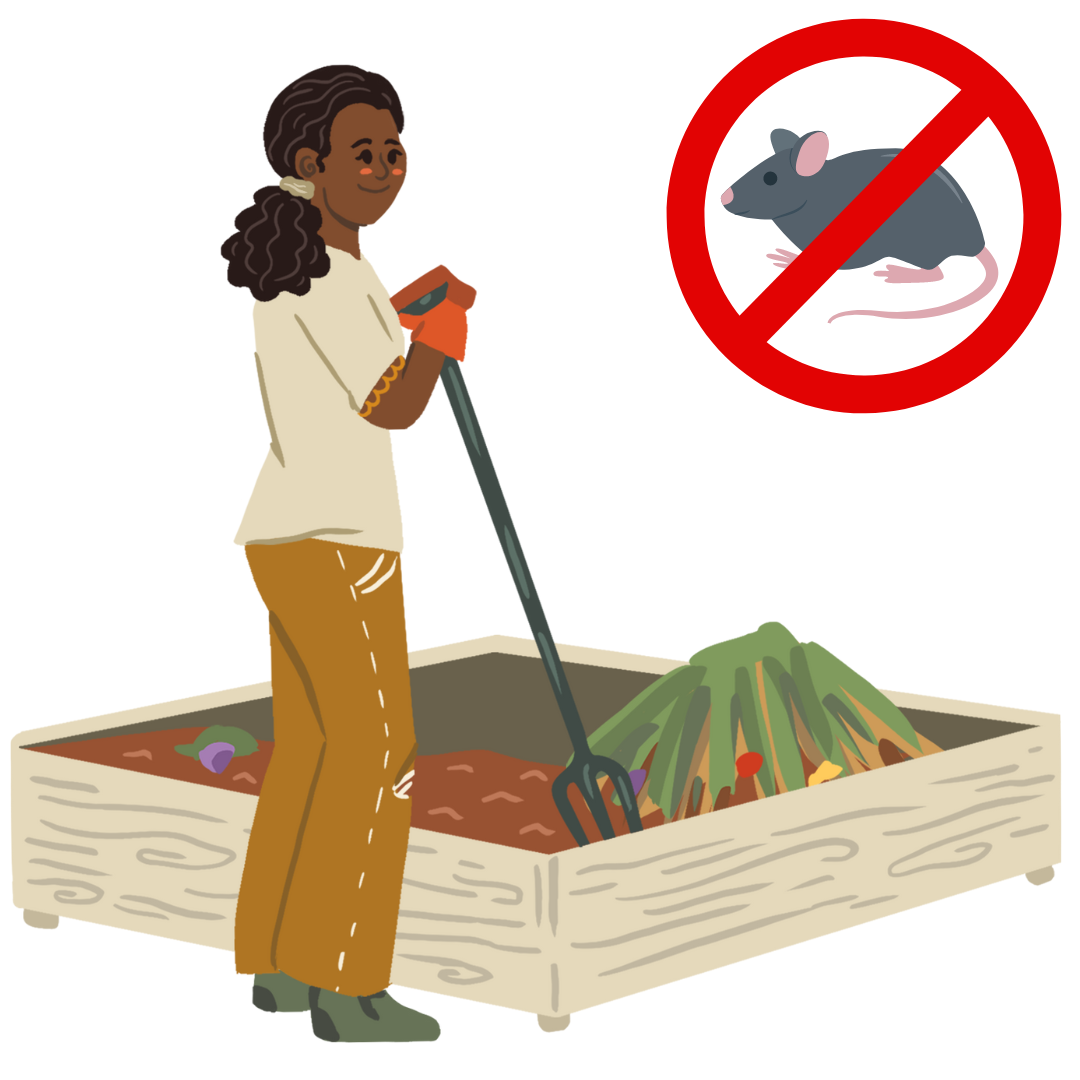
Regular maintenance of your compost is crucial for preventing rodent infestations and ensuring a healthy composting process. By creating a schedule and being proactive in monitoring your compost, you can reduce the likelihood of rodents finding a home in your compost pile. This section will Artikel essential maintenance practices to keep your compost rodent-free and thriving.
Schedule for Regular Compost Maintenance
Establishing a consistent schedule for compost maintenance can help you identify and address potential rodent issues before they escalate. Regularly monitor your compost pile to maintain its health and prevent rodent attraction. A suggested maintenance schedule includes:
- Weekly checks: Inspect the compost for any signs of rodent activity, such as droppings or burrows.
- Monthly aeration: Turn the compost pile to introduce air and promote the breakdown of organic materials.
- Quarterly assessments: Evaluate the compost’s moisture levels and temperature, ensuring they remain optimal for decomposition.
- Seasonal clean-ups: Remove any exterior debris or organic material that may attract rodents to the compost area.
Steps to Take if Rodent Activity Is Detected
Immediate action is necessary if rodent activity is noticed in your compost pile. Taking the right steps can prevent further infestation and preserve the integrity of your compost. Recommended actions include:
- Inspect the area: Identify the extent of the infestation and look for any burrows or signs of nesting.
- Remove accessible food sources: Ensure that all materials in the compost are well-managed, and avoid adding high-protein scraps that may attract rodents.
- Secure the compost: Enhance physical barriers, such as enclosing the compost pile with wire mesh or using rodent-proof bins.
- Monitor for further activity: Continue to inspect the compost regularly for any signs of returning rodent activity.
Checklist for Maintaining a Rodent-Free Compost Pile
A well-organized checklist can streamline your compost maintenance routine and ensure all essential tasks are completed. This checklist can serve as a guide:
- Inspect the compost for signs of rodents.
- Ensure proper aeration of the compost pile.
- Maintain balanced moisture levels in the compost.
- Secure the compost with physical barriers.
- Remove any attractants from the compost area.
- Rotate or turn the compost regularly to promote decomposition.
- Document any rodent sightings or signs and plan follow-up actions.
A consistent approach to compost maintenance not only protects against rodents but also enhances the overall quality of your compost. By following these practices, you can enjoy a successful composting experience while keeping pests at bay.
Community Involvement
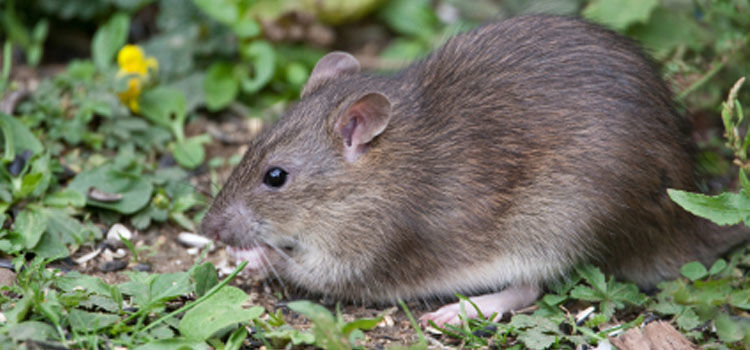
Community involvement in composting initiatives plays a crucial role in reducing the attraction of rodents to compost sites. By fostering collective responsibility and sharing knowledge, communities can enhance their composting practices while minimizing potential rodent problems. This collaborative approach not only leads to more effective composting but also strengthens community bonds through shared environmental stewardship.Engaging the community in composting efforts encourages the dissemination of best practices and promotes a culture of awareness regarding rodent management.
Educating residents on the significance of maintaining rodent-free compost can significantly decrease the likelihood of infestations. Community workshops, informative flyers, and local events can serve as excellent platforms for sharing knowledge and resources.
Strategies for Educating Communities
Implementing effective educational strategies about rodent prevention in composting can empower individuals to contribute positively to their environment. Consider the following approaches:
- Organize community workshops that focus on the fundamentals of composting and share techniques to deter rodents, such as proper composting methods and the use of physical barriers.
- Develop informational materials like brochures or online resources that Artikel best practices for composting while highlighting the importance of keeping compost areas rodent-free.
- Host community composting days where residents can collaborate in building and maintaining community compost bins, allowing participants to learn hands-on techniques for effective compost management.
- Establish a local composting ambassador program, engaging volunteers to spread knowledge and create awareness about rodent prevention in composting.
Community success stories demonstrate the effectiveness of collective efforts in achieving rodent-free composting. For instance, a neighborhood in Portland, Oregon, began a community composting initiative that included regular maintenance and educational workshops. The program not only reduced rodent activity but also transformed vacant lots into productive green spaces. Another example is a community in San Francisco, where residents collaborated to create a large-scale composting program that implemented stringent physical barriers and natural deterrents.
This initiative resulted in a significant decrease in rodent sightings, showcasing the powerful impact of community engagement on waste management practices.
“Communities that work together in composting not only prevent rodent problems but also cultivate a sense of ownership and pride in their environment.”
Concluding Remarks
/154942615-56a6d32f5f9b58b7d0e4fed9.jpg "How to Keep Rats Out of a Compost Pile")
In conclusion, maintaining a compost pile that is free from rats and rodents is achievable through informed practices and community effort. By understanding rodent behavior, employing physical barriers, and utilizing natural deterrents, you can create a thriving compost system that contributes positively to your gardening endeavors. Encouraging community involvement not only enhances individual composting efforts but also fosters a shared commitment to sustainable waste management.