How to Keep Your Compost Active During the Winter is an essential guide for gardeners and eco-enthusiasts alike, emphasizing the significance of maintaining composting practices even in the coldest months. Composting not only reduces waste but also enriches soil health, making it a vital process regardless of the season.
Throughout winter, the activity within a compost pile can significantly decline due to lower temperatures. However, understanding the chemistry of composting, choosing the right location, and employing effective techniques can ensure that your compost remains active, contributing positively to the environment while preparing your garden for spring.
Importance of Composting in Winter
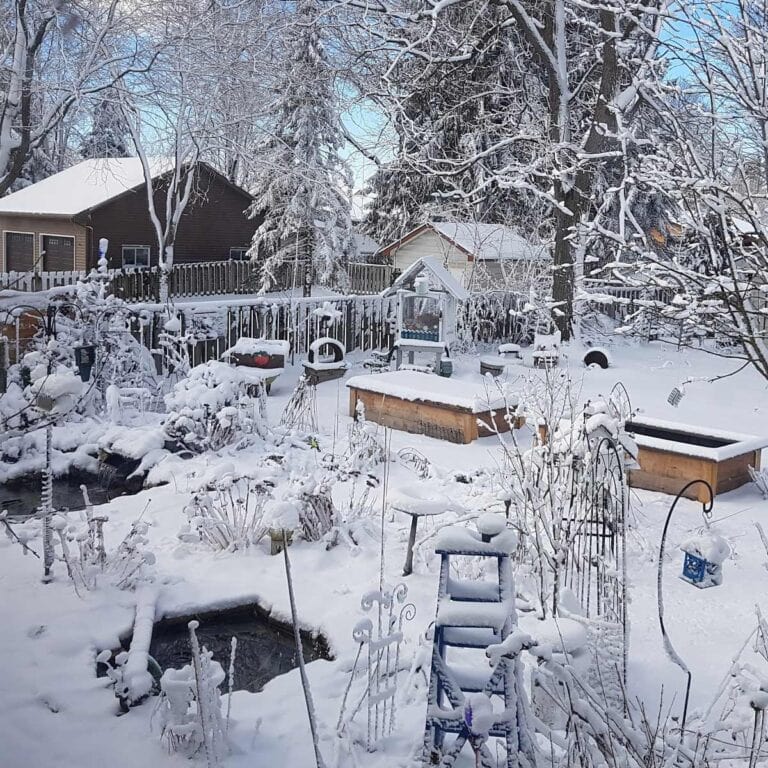
Maintaining compost activity during the winter months is crucial for both the environment and personal gardening practices. While it may seem challenging due to the cold temperatures, winter composting offers several benefits that contribute to a healthier ecosystem and sustainable waste management.Composting during winter not only supports the continuous breakdown of organic materials but also enhances soil health when spring arrives.
The microbial activity that persists in compost even during colder months helps in creating nutrient-rich compost that can significantly improve soil structure and fertility. Furthermore, winter composting plays a vital role in reducing greenhouse gas emissions, as organic waste is less likely to decompose anaerobically in a compost pile compared to traditional landfilling methods.
Benefits of Winter Composting for Soil Health
Maintaining compost during winter can lead to better soil health through various processes. The key benefits include:
- Nutrient Retention: Compost retains essential nutrients that are beneficial for plant growth. Even in winter, composting helps preserve these nutrients, making them readily available for plants when spring arrives.
- Improved Microbial Activity: Despite lower temperatures, certain microbes remain active in compost. These microorganisms are essential for breaking down materials, which contributes to a rich compost mix ready for use in gardens once the weather warms.
- Soil Structure Improvement: Adding compost to soil enhances its overall structure. This leads to better aeration and water retention, both of which are crucial for healthy plant development.
“Healthy compost contributes to healthy soil, which is a foundation for sustainable gardening.”
Environmental Impact of Winter Composting
The environmental advantages of winter composting extend beyond soil health and include significant contributions to waste reduction and greenhouse gas mitigation. Key environmental impacts are as follows:
- Waste Reduction: Composting in winter ensures that organic waste, such as kitchen scraps and yard debris, does not end up in landfills. This practice helps divert waste from landfills, reducing methane emissions associated with organic waste decomposition in anaerobic conditions.
- Carbon Sequestration: By composting organic materials, carbon is sequestered in the soil rather than being released into the atmosphere as carbon dioxide. This process contributes to climate change mitigation efforts.
- Enhanced Biodiversity: Composting enriches soil life, supporting diverse organisms that contribute to a balanced ecosystem. This biodiversity is vital for both plant health and overall environmental resilience.
The integration of winter composting practices not only fosters a sustainable approach to waste management but also reinforces the importance of environmental stewardship throughout the year.
“Composting is a simple yet powerful way to make a positive impact on the environment.”
Understanding Composting Chemistry
Composting is a biological process that involves the breakdown of organic materials by microorganisms, resulting in nutrient-rich compost. During winter, maintaining an active compost system requires a grasp of its underlying chemistry. Key elements such as temperature, moisture, and nutrient balance play vital roles in sustaining microbial activity, even in colder conditions.Microorganisms, including bacteria, fungi, and other decomposers, are essential for the composting process.
They break down organic matter, transforming it into compost through a series of biochemical reactions. The efficiency of these microorganisms in winter largely depends on specific conditions within the compost pile.
Key Elements for Active Composting
Understanding the balance of key elements is crucial for keeping compost active during winter. The following points highlight these essential components:
- Temperature: The internal temperature of the compost pile is a critical factor. Composting microorganisms thrive at temperatures between 130°F and 160°F (54°C to 71°C). Insulating the pile with straw or using thermal blankets can help maintain this heat during winter.
- Moisture: The moisture content should be monitored closely. Compost piles should be kept as damp as a wrung-out sponge, as excessive moisture can lead to anaerobic conditions, while insufficient moisture can slow down microbial activity.
- Oxygen Supply: Aeration is vital for aerobic decomposition. Turning the compost pile regularly helps to introduce oxygen, which is necessary for the microorganisms to thrive, even in colder months.
- Nutrient Balance: The right balance of carbon and nitrogen is essential for effective composting. A well-balanced pile encourages vigorous microbial activity.
Role of Microorganisms in Composting
Microorganisms play a pivotal role in the composting process. They serve as the primary agents of decomposition, breaking down complex organic materials into simpler compounds. Their activity can be influenced by environmental factors, particularly during winter.Microorganisms can be categorized into two main groups: mesophilic and thermophilic. Mesophilic bacteria are active at moderate temperatures (between 68°F and 113°F or 20°C and 45°C) and initiate the composting process.
As the pile heats up due to microbial activity, thermophilic bacteria take over, thriving in higher temperatures. Maintaining these temperature ranges becomes increasingly important during winter months to ensure that thermophilic bacteria remain active.
Optimal Carbon-to-Nitrogen Ratio for Winter Composting
The carbon-to-nitrogen (C:N) ratio is a fundamental aspect of compost chemistry that influences the rate of decomposition. The optimal C:N ratio for effective composting lies between 25:1 and 30:1. Achieving this ratio is especially important in winter, as it ensures that microorganisms have the necessary nutrients to sustain their activity.When formulating the compost pile, it is essential to consider the types of materials used.
Carbon-rich materials, such as leaves, straw, and wood chips, should be balanced with nitrogen-rich materials, such as grass clippings, kitchen scraps, and manure.
The ideal C:N ratio not only promotes efficient decomposition but also helps in maintaining the temperature of the compost pile during colder months.
By understanding the chemistry of composting and maintaining the right conditions, compost enthusiasts can ensure that their compost remains active and effective, even in the winter.
Choosing the Right Location for Winter Composting
Selecting an appropriate site for winter composting is crucial for maintaining an active compost pile during the colder months. The location can significantly influence the efficiency of the decomposition process, particularly in winter when temperatures drop and microbial activity slows down. It is essential to consider various factors, such as sunlight exposure, wind protection, and moisture retention, to ensure that your compost remains healthy and effective.The impact of sunlight exposure on compost activity during winter cannot be understated.
Sunlight plays a vital role in warming the compost pile, which in turn encourages microbial activity. Therefore, placing the compost bin in a spot that receives direct sunlight for a significant portion of the day can help keep the internal temperature of the pile elevated. A location sheltered from harsh winds will also assist in retaining heat and preventing the compost from freezing.
Factors to Consider When Selecting a Composting Site
Several key considerations should be taken into account when determining the best location for winter composting. These factors will help optimize the composting process and maintain activity levels.
- Sunlight: Choose a location that gets at least six hours of direct sunlight each day. This exposure can raise the temperature of the compost pile and stimulate microbial activity, even in cold weather.
- Wind Protection: Locate the compost bin near a natural windbreak, such as a wall, hedge, or fence, to shield it from cold winds that can lower temperatures and slow decomposition.
- Accessibility: Ensure that the composting site is easily accessible for adding materials and turning the pile. This will encourage regular maintenance even during winter months when outdoor activities are often limited.
- Drainage: Select a well-drained area to prevent the compost from becoming waterlogged, which can lead to anaerobic conditions and unpleasant odors, especially during winter when moisture can freeze.
- Proximity to Kitchen: A location close to your kitchen will make it convenient to add kitchen scraps, which are essential for maintaining a balanced carbon-to-nitrogen ratio.
Methods for Insulating Compost Bins
Insulating compost bins is an effective strategy for retaining heat during winter, ensuring that microbial life remains active. Several methods can be employed to enhance insulation and promote a consistent composting process.
- Use of Insulating Materials: Surround the compost bin with bales of straw, hay, or even blankets to provide additional insulation. These materials help trap heat within the compost pile.
- Compost Bin Design: Opt for compost bins made from materials that facilitate insulation, such as wood or insulated plastic. Construct the bin with solid walls to reduce heat loss.
- Covering the Pile: Use a tarp or breathable cover to protect the compost from snow and moisture while still allowing airflow. This can prevent freezing and maintain activity levels.
- Layering Materials: Incorporate larger, coarse materials like wood chips or straw into the compost mix. These materials create air pockets that help retain heat and promote aeration.
- Regular Turning: Turn the compost pile regularly to aerate and mix the materials, which helps distribute heat more evenly throughout the pile.
Effective insulation and thoughtful site selection during winter can significantly enhance the success of composting operations.
Methods to Keep Compost Warm
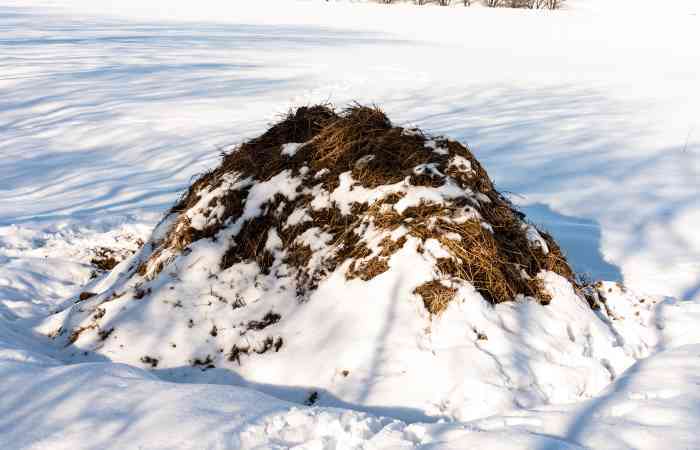
Composting during the winter months can be challenging due to the lower temperatures that hinder microbial activity. However, with effective strategies, it is possible to maintain a warm and active compost pile. This section will provide insight into various methods to keep your compost warm, including layering materials for heat retention, utilizing thermal composting techniques, and incorporating heat-generating materials.
Layering Materials for Heat Retention
Proper layering of compost materials is crucial for promoting heat retention within the pile. The goal is to create a balanced mix that allows for optimal aeration while trapping heat. The following points Artikel effective layering strategies:
- Carbon-Rich Materials: Start with a base layer of carbon-rich materials, such as dry leaves, straw, or shredded paper. These materials provide the necessary structure and aeration for the compost pile.
- Nitrogen-Rich Materials: Alternate layers of nitrogen-rich materials, including kitchen scraps, grass clippings, and manure. These materials are essential for generating heat through microbial activity.
- Thicker Layers: Ensure that the layers are thick enough (about 6-8 inches) to promote insulation and retain warmth. Thin layers may not provide sufficient heat retention.
- Moisture Control: Maintain moisture levels within the compost pile. A well-balanced moisture content promotes microbial activity, which in turn generates heat. Aim for a moisture level similar to that of a wrung-out sponge.
Thermal Composting Techniques
Thermal composting is a method that allows compost piles to reach high internal temperatures, which aids in decomposition even in cold weather. Implementing the following techniques can significantly enhance the thermal action of your compost:
- Increase Pile Size: Larger compost piles generate more heat due to the increased mass. Aim for a pile that is at least three feet wide and tall; this size is ideal for retaining heat.
- Turn the Pile Regularly: Regularly turning the compost helps to aerate the materials and redistribute heat. This practice also encourages even decomposition, preventing cold spots.
- Insulation Strategies: Consider insulating the compost pile with straw bales or blankets during extreme cold spells. This helps to reduce heat loss and maintain a stable temperature.
- Monitor Temperature: Use a compost thermometer to monitor the temperature within the pile. Ideally, the internal temperature should remain between 130°F to 160°F (55°C to 70°C) for optimal microbial activity.
Materials that Generate Heat
Certain materials can be added to the compost pile to enhance heat generation. Incorporating these materials into your composting strategy can significantly impact the warmth and activity of the pile:
- Manure: Fresh manure from herbivorous animals (like cows or horses) is an excellent source of nitrogen and also generates heat during breakdown. Ensure it is well-mixed into the compost.
- High-Carbon Materials: Adding additional high-carbon materials, such as dried leaves or straw, can enhance insulation while allowing for effective microbial breakdown.
- Food Scraps: Including kitchen scraps, especially those high in nitrogen (e.g., vegetable peels), can boost microbial activity and heat output.
- Coffee Grounds: Coffee grounds not only add nitrogen but also help to maintain a balanced pH level, which is beneficial for microbial activity.
“Maintaining heat in a compost pile during winter is not just about adding materials; it’s about creating the right environment for microorganisms to thrive.”
Altering Compost Ingredients for Winter
To maintain an active compost pile during the winter months, it is essential to adjust the ingredients added to the mixture. Cold weather impacts the decomposition process, and certain materials can facilitate the breakdown of organic matter even in low temperatures. Understanding which materials to incorporate or avoid and how to manage moisture effectively will ensure a thriving compost system throughout the winter season.When composting in winter, it is crucial to identify materials that will contribute to an effective breakdown of organic waste.
High-nitrogen materials, known as “greens,” play a vital role as they provide the necessary protein for microbes, which generate heat during decomposition. Conversely, some materials should be avoided during winter due to their tendency to retain moisture or create overly compacted piles.
Recommended High-Nitrogen Materials
To optimize composting in winter, incorporating certain high-nitrogen materials can significantly enhance microbial activity and maintain warmth. Below are examples of suitable high-nitrogen ingredients that can be added to winter compost piles:
- Fresh grass clippings: These are readily available during the last mowing of the season and can provide a substantial nitrogen boost.
- Food scraps: Kitchen waste, particularly from vegetables, fruits, and coffee grounds, offers high nitrogen content and is easy to collect.
- Green leaves: If available, adding freshly fallen green leaves can introduce nitrogen and improve aeration.
- Manure: Well-aged manure from herbivores like cows, horses, or rabbits introduces both nitrogen and beneficial microorganisms.
Maintaining appropriate moisture levels within the compost pile during winter is essential for effective decomposition. Cold weather can lead to drying out of the compost, which hinders microbial activity. Therefore, monitoring and adjusting moisture levels is necessary for a healthy compost environment.
“Proper moisture levels should be maintained at around 40-60% to facilitate efficient microbial activity.”
In winter, consider the following strategies to maintain adequate moisture in your compost pile:
- Regularly check the compost pile and water it as needed, especially after adding dry materials.
- Cover the compost pile with a tarp or a compost blanket to protect it from snow and rain, preventing excess wetness.
- Incorporate moisture-retaining materials, such as shredded cardboard or leaves, which can help maintain humidity levels while providing carbon.
By thoughtfully adjusting the ingredients in your compost pile during the winter months, including specific high-nitrogen materials and managing moisture effectively, you can keep your compost active and productive year-round.
Monitoring Compost Temperature
Monitoring the temperature of your compost is crucial for ensuring it remains active and effective, especially during the winter months. Temperature serves as an indicator of microbial activity within the pile, guiding your interventions to maintain optimal conditions. By utilizing a compost thermometer correctly, you can gain valuable insights into the health of your compost and make necessary adjustments to enhance its efficiency in breaking down organic materials.
Using a compost thermometer involves inserting the probe deep into the center of the compost pile, which is where the highest temperatures are generally found. This placement allows for accurate readings of the internal temperature, which can fluctuate based on various factors such as composition and weather conditions. The thermometer should be left in place for a few minutes to stabilize before reading the temperature.
Typically, a good compost thermometer will provide readings that are easy to interpret and can range from ambient temperatures to over 160°F (71°C).
Temperature Ranges for Successful Composting
Understanding the ideal temperature ranges for composting helps in monitoring activity levels and determining necessary adjustments. Composting operates effectively within specific temperature thresholds that indicate active decomposition processes.
The temperature ranges that indicate successful composting are as follows:
- Below 90°F (32°C): This range typically signifies that microbial activity is low, which can stall the composting process.
- 90°F – 110°F (32°C – 43°C): This is the optimal range where beneficial bacteria begin to thrive, and decomposition accelerates.
- 110°F – 130°F (43°C – 54°C): At this level, thermophilic bacteria are actively breaking down materials, which is essential for killing pathogens and weed seeds.
- 130°F – 160°F (54°C – 71°C): This temperature range indicates a robust composting process, but monitoring is crucial to prevent overheating.
- Above 160°F (71°C): Excessive heat can inhibit microbial activity, creating a risk of insufficient aeration and potential pile collapse.
Maintaining an ideal temperature range is vital for effective composting. If temperatures fall outside the optimal range, adjustments may be necessary to encourage microbial activity.
Adjusting Compost Conditions Based on Temperature Readings
When monitoring compost temperature, it is important to have strategies in place for adjustments based on your findings. If the temperature is not within the ideal range, consider the following methods to modify conditions:
- Increasing Aeration: If temperatures are too high, turn the compost pile to introduce more oxygen, promoting aerobic activity and cooling the pile.
- Adding Moisture: If the compost is too dry, adding water can help raise temperatures by facilitating microbial activity. Aim for a moisture level similar to a damp sponge.
- Including High-Nitrogen Materials: To boost temperatures when they are low, adding materials such as kitchen scraps or grass clippings can introduce more nitrogen, enhancing microbial activity.
- Insulating the Pile: In colder climates, covering the compost with a tarp or straw can help retain heat, preventing the temperature from dropping too low.
- Layering Ingredients: Adjust the composition by layering carbon-rich materials (like dried leaves) and nitrogen-rich materials to optimize decomposition rates and heat generation.
Implementing these strategies based on temperature readings not only enhances the composting process but also contributes to successful winter compost management.
Composting Techniques for Winter
Composting during the winter months presents unique challenges but also opportunities for innovation. Employing effective composting techniques can ensure that your compost remains active and productive even in colder temperatures. Here, we explore various methods to enhance winter composting, focusing on insulation, vermicomposting, and the use of compost activators.
Building Insulated Compost Bins or Piles
Creating an insulated compost bin or pile is crucial for maintaining heat during the winter months. Insulation helps retain warmth generated by microbial activity, which is essential for effective decomposition. Here are some methods for building insulated compost systems:
- Use of Insulated Materials: Incorporate materials such as straw bales, old blankets, or even foam insulation boards around the compost bin. These materials act as thermal barriers, preventing heat loss.
- Size Matters: A larger compost pile retains heat better than a smaller one. Aim for a minimum size of three feet by three feet to ensure adequate mass for heat retention.
- Location Selection: Place the compost bin in a sheltered area, such as near a wall or under a tree, to protect it from harsh winds and extreme weather conditions. A sunny spot is ideal for maximizing warmth.
- Covering the Pile: Use a tarp or heavy-duty plastic to cover the compost pile. This will not only insulate but also protect the materials from snow and rain, which can lead to excessive moisture.
Benefits of Using Worms in Winter Composting
Vermicomposting, or composting with worms, is an effective technique to maintain decomposition rates during winter. Worms, particularly red wigglers, continue to break down organic materials even in cooler temperatures, although their activity slows down. The benefits of integrating worms into your winter composting strategy include:
- Enhanced Decomposition: Worms accelerate the breakdown of organic matter, leading to richer compost. This process can occur even when external temperatures drop.
- Nutrient-Rich Castings: Worm castings are a superior form of fertilizer that enrich the compost. This nutrient density can be particularly beneficial for spring gardening.
- Minimized Odors: Worms help maintain an aerobic environment in the compost, reducing the likelihood of unpleasant odors that can occur in colder, anaerobic conditions.
- Pest Deterrent: Worms create an environment less conducive to pests like fruit flies, as they consume and process food waste efficiently, leaving little to attract unwanted insects.
Use of Compost Activators to Enhance Decomposition Rates
Compost activators are substances that can significantly speed up the decomposition process by providing essential nutrients and moisture to the compost pile. Utilizing these activators is particularly beneficial during winter, as microbial activity tends to decrease. Key compost activators include:
- Nitrogen-Rich Materials: Adding green materials such as grass clippings, kitchen scraps, or manure provides the necessary nitrogen that fuels microbial activity.
- Commercial Activators: Products specifically designed for composting, such as compost starter powders or liquid activators, can be mixed into the pile to enhance decomposition rates.
- Moisture Management: Maintaining adequate moisture levels is crucial. Activators can help retain moisture or provide it directly, ensuring that microbes remain active.
- Aerating the Pile: Regularly turning the compost pile helps introduce oxygen, which is vital for microbial metabolism. This can be facilitated by adding activators that encourage aeration when mixed in.
Troubleshooting Common Winter Composting Issues
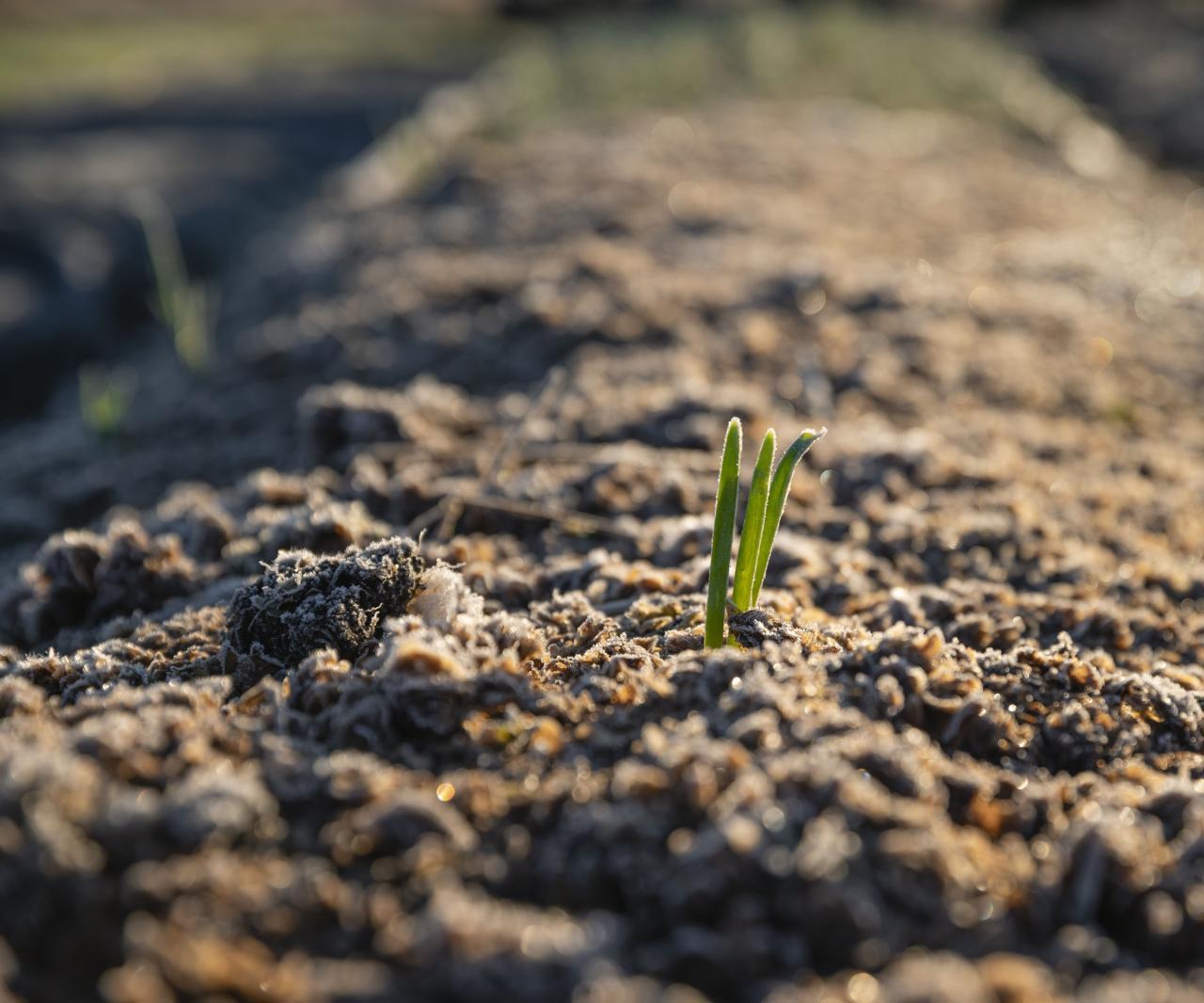
Maintaining an active compost pile during winter can present challenges that require attention and proper management. Addressing these common issues effectively ensures that your composting efforts remain productive, even in the cold months. This section Artikels solutions for some of the most frequent problems encountered during winter composting.
Signs of Inadequate Composting Activity in Winter
Recognizing the signs that your compost pile is not functioning properly is crucial for effective winter composting. Common indicators include:
- Cold Pile: If the center of the compost pile feels cold to the touch, it may not be decomposing adequately.
- Minimal Odor: A healthy compost pile typically emits a mild earthy smell. A lack of odor could indicate inactivity.
- Visible Material: Large chunks of organic matter that do not appear to be breaking down suggest insufficient microbial activity.
- Wetness or Freezing: Excess moisture or frozen sections within the pile can hinder decomposition.
Identifying these signs early allows for timely intervention to restore composting activity.
Solutions for Dealing with Frozen Compost Piles
Frozen compost piles can halt the composting process and pose a challenge during winter months. Addressing frozen compost involves the following strategies:
- Insulation: Adding insulating materials, such as straw or leaves, around the compost pile can help retain heat.
- Active Turning: Regularly turning the pile can introduce warmer air and help break up frozen clumps.
- Smaller Batches: Creating smaller, well-aerated piles can help them stay warmer and reduce the risk of freezing.
By implementing these solutions, you can effectively manage and prevent freezing issues in your compost pile.
Handling Odors and Pests During Winter Composting
Even in winter, compost piles can develop odors and attract pests. Proper management strategies include the following:
- Balancing Carbon and Nitrogen: Maintaining the right ratio of carbon-rich (brown) and nitrogen-rich (green) materials minimizes unpleasant odors.
- Covering the Pile: Using a tarp or lid can protect the compost from snow and rain, reducing moisture that leads to odor.
- Pest Deterrents: Incorporating materials like citrus peels or strong-smelling herbs can help deter pests.
By taking these proactive steps, you can maintain a healthy compost pile while minimizing odors and pest problems throughout the winter months.
Conclusion

In conclusion, keeping your compost active during winter may seem challenging, but with the right knowledge and practices, it is entirely feasible. By monitoring temperatures, adjusting ingredients, and utilizing effective composting techniques, you can maintain a thriving compost pile that benefits your garden and the ecosystem. Remember, winter composting not only aids in waste reduction but also supports sustainable gardening practices.