How to Keep Your Compost Pile from Drying Out is an essential guide for gardeners and compost enthusiasts seeking to optimize their composting practices. Maintaining the right level of moisture not only accelerates the decomposition process but also ensures the health of the microorganisms that contribute to nutrient-rich compost. Understanding the intricacies of moisture management will equip you with the knowledge necessary to create a thriving compost ecosystem.
In this discussion, we will explore the importance of moisture in composting, signs of a dry compost pile, and effective techniques to retain moisture. By implementing proper watering strategies and utilizing the right composting systems, you will be able to maintain an optimal environment for your compost, regardless of seasonal challenges.
Importance of Maintaining Moisture in Compost
Maintaining appropriate moisture levels in compost is critical for the success of the aerobic decomposition process. Moisture serves as a medium for microbial activity and nutrient transport, significantly influencing the overall health of the compost pile. Understanding the importance of moisture not only enhances compost quality but also accelerates composting efficiency, leading to rich, fertile soil.Moisture plays an essential role in the composting process by facilitating the breakdown of organic materials.
Microorganisms, such as bacteria and fungi, thrive in moist environments, allowing them to effectively decompose organic matter into nutrient-rich compost. When moisture levels are optimal, these microorganisms can efficiently metabolize carbon and nitrogen, leading to rapid composting. Conversely, inadequate moisture can slow down these processes considerably, leading to incomplete decomposition.
Effects of Moisture Levels on Microbial Activity
The presence of moisture substantially affects the activity levels of microorganisms within the compost pile. Microbial populations, particularly beneficial bacteria, require water to carry out metabolic functions and reproduce. When moisture is present in adequate amounts, microbial activity increases, enhancing the decomposition process. The following points illustrate the relationship between moisture levels and microbial activity:
- Optimal moisture levels, typically between 40% to 60%, create an ideal environment for microbial growth.
- Excess moisture can lead to anaerobic conditions, resulting in unpleasant odors and slower decomposition rates.
- Dry compost piles suffer from reduced microbial activity, which can halt the composting process altogether.
- Moisture levels below 30% can lead to the death of beneficial microbes, drastically slowing down or stopping the breakdown of organic matter.
Consequences of a Dry Compost Pile
A dry compost pile can have several detrimental effects, impacting both the decomposition process and the quality of the finished compost. Insufficient moisture can lead to a series of consequences that hinder the composting process:
- Reduced decomposition rates result in a longer time frame for the compost to mature, delaying its availability for garden use.
- The presence of dry materials can lead to an unbalanced carbon-to-nitrogen ratio, further stalling microbial activity.
- A lack of moisture may encourage pest infestations and the growth of undesirable plants within the compost pile.
- Dry conditions can result in a dusty compost pile, which may inhibit the proper aeration needed for aerobic decomposition.
Maintaining moisture in compost is not just beneficial; it is essential for fostering a healthy microbial environment that drives the decomposition process.
Signs Your Compost Pile is Dry
Maintaining the correct moisture level in your compost pile is essential for successful decomposition. When your compost pile is too dry, the microorganisms that break down organic matter cannot thrive, leading to a halt in the composting process. Recognizing the signs of insufficient moisture is crucial to ensuring a healthy and productive composting environment.Identifying the indicators of a dry compost pile can help you take corrective actions before the situation worsens.
Several visual cues and practical methods can assist you in assessing the moisture levels effectively.
Indicators of Insufficient Moisture
Understanding the signs of a dry compost pile is vital for maintaining its health. Here are some key visual cues and methods to check moisture levels:
- Crumbly Texture: If your compost appears dry and crumbly, similar to dry soil, this is a strong indication that moisture levels are insufficient. Properly hydrated compost should have a more cohesive texture, easily clumping together when squeezed.
- Dusty Appearance: A noticeable dust layer on the top of your compost pile suggests that the materials are too dry. Healthy compost usually has a moist, earthy appearance without any dust.
- Odor Issues: A dry compost pile may emit a strong, unpleasant smell due to the lack of moisture necessary for aerobic bacteria to thrive. Ideally, compost should have a pleasant, earthy scent.
- Slow Decomposition: If you notice that materials are decomposing much slower than expected, this can be a sign of dryness. A well-balanced compost pile should break down organic matter within weeks to months, depending on the materials used.
To effectively check moisture levels in your compost pile, you can employ the following methods:
- The Squeeze Test: Take a handful of compost and squeeze it tightly. If a few drops of water escape, the moisture level is adequate. However, if no water is released and the compost easily falls apart, it indicates dryness.
- Visual Inspection: Look for color variations within the pile. Dark brown or black areas typically signify moist, nutrient-rich portions, while lighter, grayish areas may indicate dryness.
- Soil Moisture Meter: Utilizing a soil moisture meter can provide accurate readings of the moisture content in your compost pile. Insert the probe into various sections of the pile to gauge moisture levels effectively.
Regularly monitoring and adjusting moisture levels is essential to ensure a thriving composting process.
Techniques to Retain Moisture in Compost
To maintain an effective compost pile, it is crucial to implement techniques that help retain moisture. The right balance of wet and dry materials fosters the decomposition process and ensures that beneficial microorganisms thrive. Effective moisture retention not only accelerates composting but also improves the overall quality of the compost produced.
Covering Compost Piles
Covering compost piles is a practical method to minimize water evaporation, especially in dry or windy conditions. By shielding the pile from direct sunlight and rain, the moisture can be retained for longer periods. Using materials such as tarps, old blankets, or even a layer of straw can provide excellent coverage. These materials create a barrier that helps maintain humidity levels within the compost pile, promoting a conducive environment for microbial activity.
Additionally, ensuring that the cover is secured against the wind will protect the pile from being exposed to drying conditions.
Incorporating Wet Materials
Including wet materials in the compost mix is another effective way to enhance moisture content. Wet ingredients not only contribute to the moisture level but also introduce essential nutrients to the compost. Common wet materials include vegetable scraps, fruit peels, and grass clippings. These materials can help balance out dry components such as dry leaves or shredded paper, creating a more efficient composting environment.
It is important to monitor the moisture level and adjust the ratio of wet to dry materials as needed.
Recommended Materials for Maintaining Moisture
In order to effectively retain moisture within a compost pile, certain materials are particularly beneficial. The following list Artikels recommended materials that can be included to enhance moisture retention:
- Grass Clippings: Freshly cut grass is high in moisture content and breaks down quickly.
- Fruit and Vegetable Scraps: These provide both moisture and valuable nutrients.
- Coffee Grounds: Rich in nitrogen, coffee grounds can retain moisture while aiding decomposition.
- Seaweed: Often found near coastal areas, seaweed is an excellent source of moisture and beneficial minerals.
- Wet Cardboard: Shredded and soaked cardboard can add bulk and moisture to the compost.
By utilizing these techniques and incorporating the recommended materials, gardeners can successfully retain moisture in their compost piles, promoting a healthy and efficient composting process.
“Proper moisture management is key to successful composting, fostering a thriving environment for microorganisms that aid in decomposition.”
Proper Watering Strategies
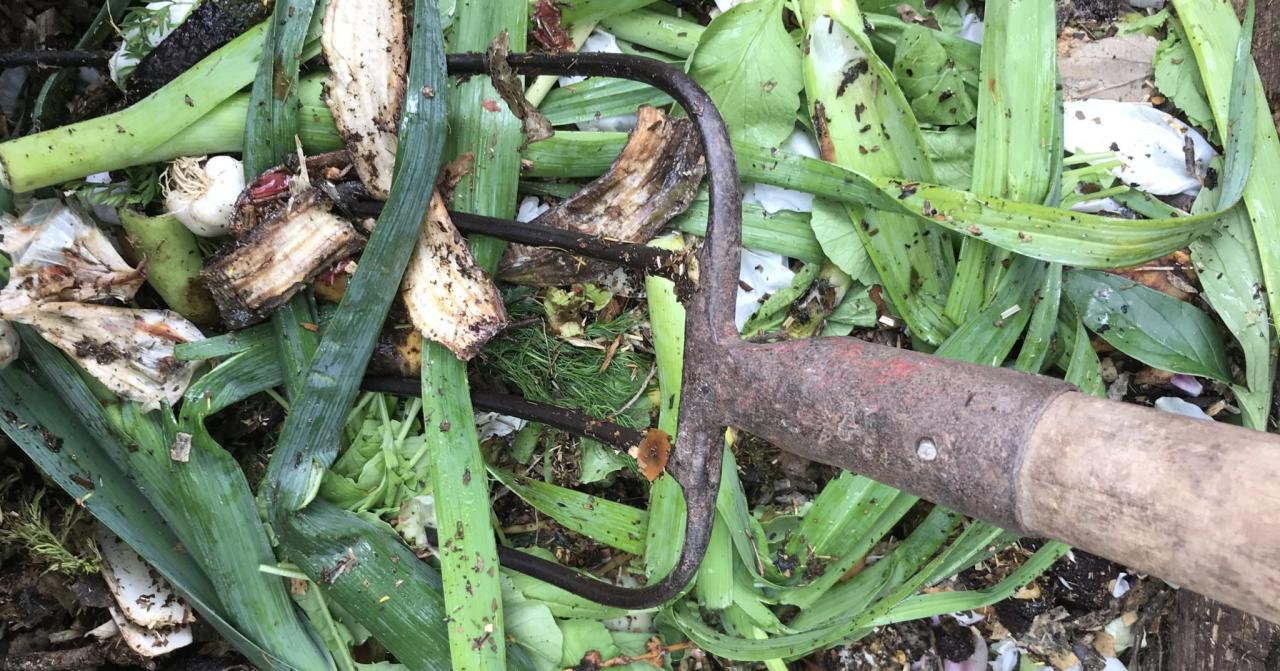
Maintaining the right moisture level in a compost pile is essential for fostering the decomposition process. Proper watering strategies can significantly influence the effectiveness of composting, ensuring that the materials break down into nutrient-rich soil. To achieve optimal results, one must consider the correct methods of watering, frequency, and scheduling for moisture checks.
Watering Techniques for Compost
Watering a compost pile requires a thoughtful approach to ensure that moisture is evenly distributed throughout the materials. It is important to use a gentle watering technique to avoid compacting the compost. The following methods can be employed for effective watering:
- Sprinkling with a Hose: Use a garden hose fitted with a spray nozzle to evenly distribute water across the compost pile. This method allows for gentle application without disturbing the structure of the pile.
- Soaker Hoses: Installing soaker hoses within the compost pile can provide consistent moisture. This method allows water to seep through the hose, ensuring that moisture penetrates deep into the materials.
- Watering Can: For smaller compost piles, a watering can can be an effective tool. It allows for precise application of water directly to the areas that may require more attention.
- Drip Irrigation: For larger compost setups, a drip irrigation system can maintain a steady moisture level. This system can be set on a timer for efficiency.
Frequency and Amount of Watering
Determining the frequency and amount of water needed for optimal moisture in a compost pile is essential to prevent drying out. A general rule is to keep the compost pile as moist as a wrung-out sponge. The following guidelines can help establish a reliable watering routine:
- Frequency: Check the compost pile for moisture at least once a week. During dry spells, or in hot weather, more frequent checks may be necessary, potentially 2-3 times a week.
- Amount of Water: When watering, aim for about 1 to 2 inches of water per week, depending on the size of the pile and environmental conditions. This amount may need to increase during warmer months.
Moisture Check and Adjustment Schedule
Regular moisture checks and adjustments are crucial for maintaining a healthy compost pile. Establishing a schedule can streamline this process and ensure consistency.
- Weekly Checks: Set aside time once a week to assess the moisture content of the compost. Use your hands to feel the materials; they should be moist but not soggy.
- Record Keeping: Maintain a log of moisture checks, noting any changes in weather conditions and their impact on the compost pile. This helps identify patterns and establish a more effective watering routine.
- Adjustments: If the pile feels dry, increase the watering frequency and amount for the next few weeks. Conversely, if it feels overly wet, allow it to dry out slightly before resuming regular watering.
Regularly monitoring and adjusting the moisture levels is key to achieving a successful composting process.
Utilizing Composting Systems
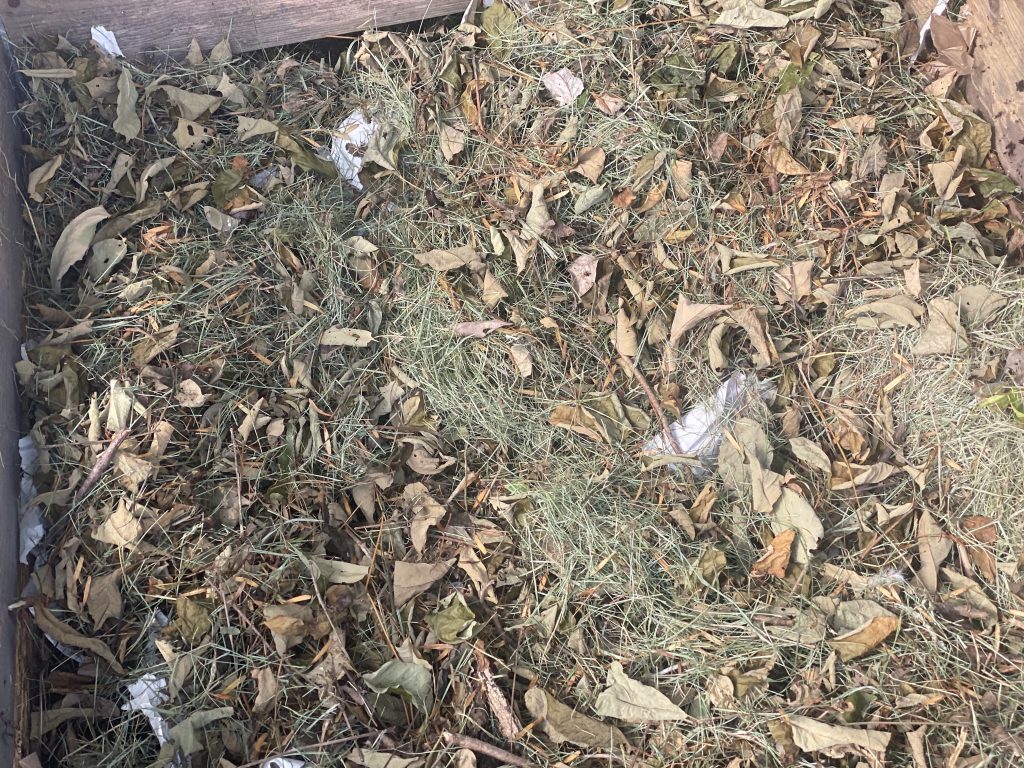
Creating an effective composting system is essential for maintaining the appropriate moisture levels in your compost pile. Different composting systems have unique designs and functionalities that can significantly influence moisture retention. By understanding the advantages and disadvantages of various composting methods, gardeners can select the most suitable system to foster a thriving compost environment.
Comparison of Composting Systems
There are several types of composting systems that can help retain moisture effectively. The choice between these systems often depends on available space, intended use, and personal preferences. Below are some common composting systems:
- Open Piles: These are the simplest form of composting, where organic materials are piled in a designated area. They are easy to assemble and manage but are highly susceptible to moisture loss, especially in dry climates.
- Enclosed Bins: These bins provide protection from the elements and conserve moisture more effectively than open piles. They often feature lids or covers that can help maintain humidity, while also minimizing odors and pests.
- Tumbler Systems: Compost tumblers are enclosed units that can be rotated to mix the materials. They help maintain moisture through their sealed design and can accelerate the composting process, but may require more physical effort to manage.
- Vermicomposting Systems: Utilizing worms to break down organic waste, these systems maintain moisture naturally due to the moist environment required for worm health. They are ideal for small spaces and produce nutrient-rich compost.
- Continuous Flow Systems: These systems allow for ongoing composting, where new materials can be added at one end, while finished compost can be retrieved from the other end. Their design usually features a cover that helps retain moisture.
Benefits of Enclosed Bins versus Open Piles
The choice between using enclosed bins or open piles can significantly impact the effectiveness of moisture retention. The following points Artikel the benefits of each system:
- Moisture Retention: Enclosed bins retain moisture significantly better than open piles, as they limit exposure to wind and sunlight, which can dry out the compost.
- Temperature Regulation: Enclosed systems tend to maintain a more consistent internal temperature, facilitating faster decomposition and reducing moisture loss.
- Pest Control: Enclosed bins deter pests and scavengers, which can be attracted to open piles left exposed.
- Aesthetics: Enclosed systems can be more visually appealing in a garden setting, as they can be designed to blend with the surroundings.
- Odor Management: They also mitigate odors that can arise from decomposing organic matter, making them more suitable for urban environments.
Designing a Composting System with Moisture-Retaining Features
Incorporating moisture-retaining features into a composting system enhances its overall efficiency. When designing such a system, consider the following aspects:
- Material Selection: Use a mixture of green (nitrogen-rich) and brown (carbon-rich) materials to balance moisture levels. Incorporating materials like straw or shredded paper can aid in moisture retention.
- Covering Systems: A sturdy lid or tarp can be installed on top of enclosed bins to prevent rainwater from washing away nutrients while retaining necessary humidity.
- Drainage Solutions: Ensure that the composting system has adequate drainage to prevent waterlogging while still keeping the overall mixture moist.
- Regular Monitoring: Implement a routine to check moisture levels. A moisture meter or simple hand test can help determine if the compost pile needs additional watering.
- Use of Compost Tea: Creating compost tea from well-aged compost can not only provide moisture but also enrich the compost pile with beneficial microbial life.
Maintaining moisture in compost not only aids in the decomposition process but significantly enhances the quality of the resulting compost, enriching the soil for better plant growth.
Seasonal Considerations for Compost Moisture
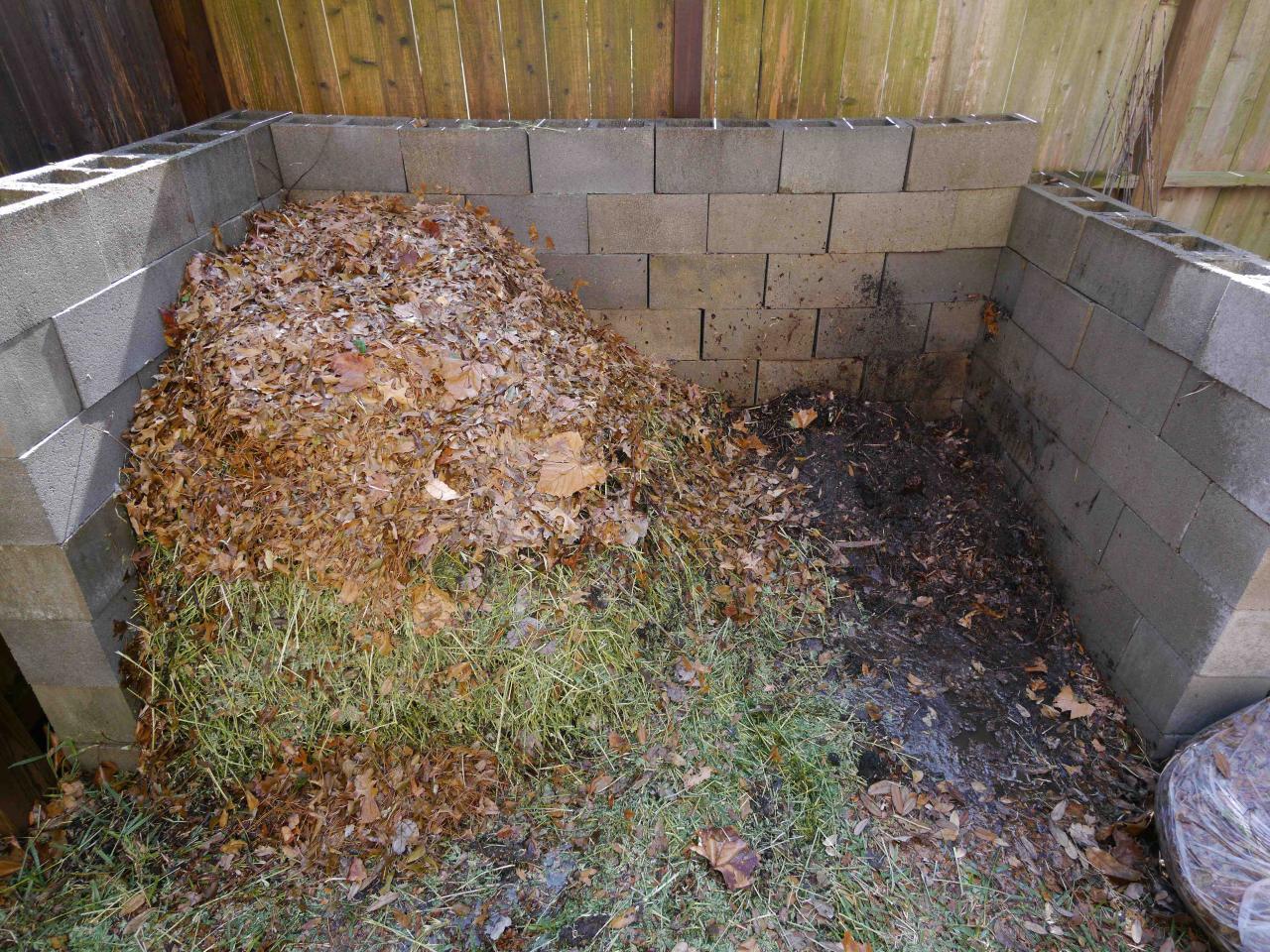
Maintaining the ideal moisture levels in a compost pile is essential throughout the changing seasons. Seasonal variations in temperature and precipitation can significantly impact compost moisture, necessitating tailored strategies for each phase of the year. This section will provide insights on how to effectively manage compost moisture during both dry and wet seasons, ensuring that your composting efforts yield optimal results.
Strategies for Maintaining Moisture During Dry Seasons
In dry seasons, compost piles are vulnerable to losing moisture quickly due to increased evaporation. It is important to adopt specific strategies to retain adequate moisture levels. Some approaches include:
- Regular Monitoring: Check the moisture level of your compost pile frequently by grabbing a handful of material; it should feel like a damp sponge. Adjust moisture as needed.
- Mulching: Adding a layer of organic materials such as straw, leaves, or grass clippings on top of the compost can reduce evaporation.
- Covering: Use tarps or compost covers to shield the pile from direct sun and wind, which can dry out the compost.
- Adding Moisture-Rich Materials: Incorporate kitchen scraps, such as vegetable peels, which can introduce additional moisture.
- Watering: Gently water the compost pile during dry spells to maintain the desired moisture content, ensuring not to over-saturate the pile.
Adaptations Necessary in Wetter Climates
In wetter climates, compost piles may become over-saturated, which can lead to anaerobic conditions and unpleasant odors. To prevent these issues, adaptations are necessary. Consider the following practices:
- Choosing the Right Location: Position compost piles in a slightly elevated area to facilitate drainage and reduce water pooling.
- Using Aeration Techniques: Turn the compost regularly to improve aeration and prevent compaction, which can trap moisture.
- Adding Dry Materials: Incorporate materials like shredded paper, cardboard, or sawdust to absorb excess moisture and balance the overall moisture content.
- Using a Compost Bin: Enclosed compost systems can help manage moisture levels more effectively by controlling airflow and drainage.
- Monitoring Temperature: Warmer temperatures can help evaporate excess moisture; ensure your compost pile is adequately aerated to facilitate this process.
Identifying Plants or Materials to Balance Moisture Levels Seasonally
Certain plants and organic materials can help balance moisture levels in compost piles across seasons. Utilizing these can enhance the composting process significantly. Key examples include:
- High-Nitrogen materials: Items like grass clippings and manure can boost microbial activity while adding moisture.
- High-Carbon materials: Leaves, straw, and wood chips help absorb excess moisture during wet seasons.
- Composting Plants: Incorporating moisture-retaining plants, such as comfrey or yarrow, can support biodiversity in the compost and aid in balancing moisture.
- Seasonal Adjustments: Different materials might be more readily available at various times of the year; plan your composting inputs to align with seasonal waste availability.
Common Mistakes to Avoid
Maintaining an optimal moisture level in your compost pile is crucial for successful decomposition. However, certain common mistakes can lead to dry compost, inhibiting microbial activity and slowing down the composting process. Understanding and avoiding these errors will ensure a healthier, more productive compost pile.One frequent mistake is the overuse of dry materials in the compost. Ingredients such as straw, shredded paper, and dry leaves are high in carbon but can absorb moisture from the pile, leading to dryness.
It is vital to balance these dry materials with adequate nitrogen-rich ingredients like kitchen scraps or fresh grass clippings, which provide the necessary moisture and nutrients for decomposition.
Impact of Using Too Many Dry Materials in the Compost
Excessive dry materials can create a compost pile that is not only dry but also can hinder the composting process. When the carbon-to-nitrogen (C:N) ratio is off balance, decomposition slows significantly. The ideal C:N ratio should be around 30:1; however, a higher ratio (too many dry materials) can lead to a shortage of nitrogen, a critical component for microbial growth.
To prevent this situation, consider the following guidelines for balancing your compost ingredients:
- Monitor your C:N ratio closely, aiming for a mix of 30 parts carbon to 1 part nitrogen.
- Incorporate green materials, such as kitchen scraps, to counterbalance the dry elements.
- Layer your compost pile: alternate dry and wet materials to promote even moisture distribution.
- Regularly turn your compost to aerate it and redistribute moisture evenly.
Maintaining a balanced carbon-to-nitrogen ratio is essential for efficient composting; too much carbon can lead to dryness and slow decomposition.
Benefits of a Moist Compost Pile
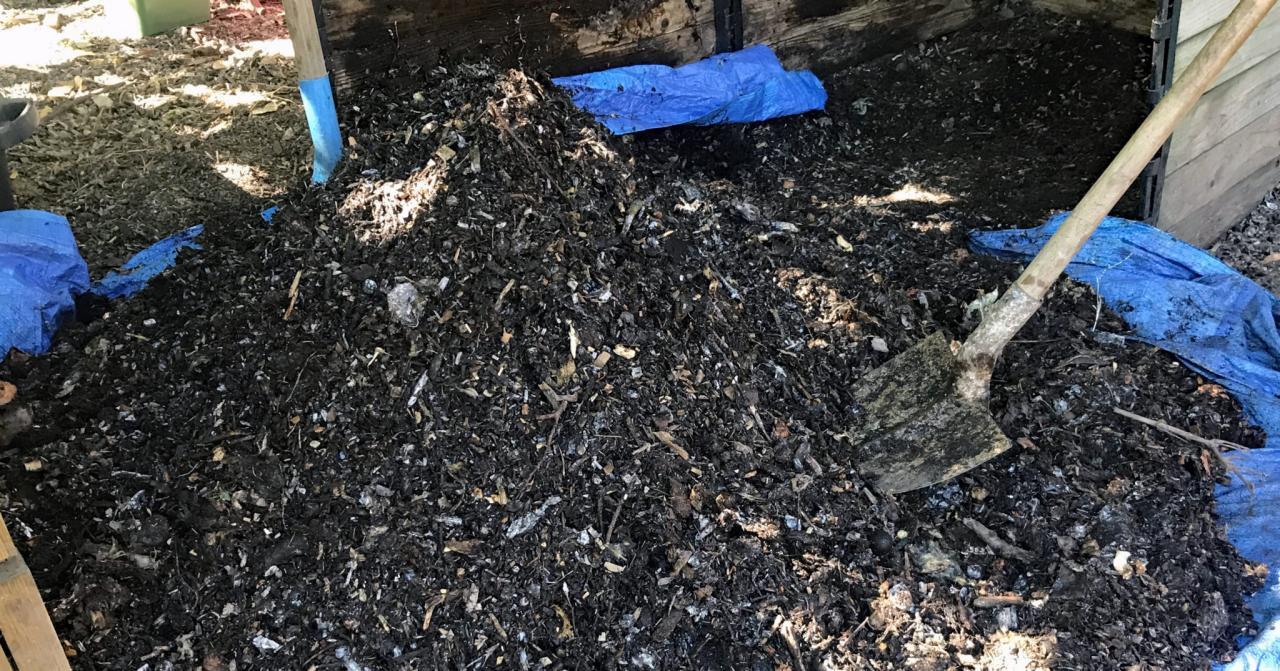
Maintaining a well-moistened compost pile is essential for achieving optimal composting efficiency. Moisture plays a crucial role in the decomposition process, ensuring that microorganisms thrive and break down organic materials effectively. The benefits of maintaining adequate moisture levels in a compost pile extend beyond just the compost itself; they significantly enhance nutrient quality and positively impact the environment.A well-moistened compost pile not only speeds up the decomposition process but also enhances the nutrient quality of the final product.
When moisture levels are adequate, beneficial microorganisms and fungi can flourish, breaking down organic matter into rich, nutrient-dense compost. This process facilitates the transformation of raw materials into bioavailable nutrients, which are essential for plant growth.
Environmental Impact of Maintaining Moisture in Composting
The environmental implications of a properly managed compost pile are profound. By retaining moisture, composting contributes to a more sustainable ecosystem. Here are several benefits associated with maintaining moisture in composting:
-
Reduction of methane emissions:
Moist compost piles tend to decompose aerobically, reducing the production of methane, a potent greenhouse gas emitted during anaerobic decomposition.
-
Soil health improvement:
Well-maintained compost enriches soil structure, promotes water retention, and supports a diverse range of soil microorganisms.
-
Waste reduction:
By efficiently composting kitchen scraps and yard waste, moisture-retentive composting minimizes the volume of organic waste sent to landfills.
-
Carbon sequestration:
Healthy composting practices contribute to the storage of carbon in the soil, mitigating climate change impacts.
Benefits for Gardeners Using Well-Managed Compost
Gardeners who utilize well-managed compost reap numerous benefits, transforming their gardening practices and enhancing plant health. Below are key advantages that come from using nutrient-rich, moist compost:
-
Enhanced soil fertility:
Nutrient-dense compost improves soil nutrient content, fostering robust plant growth and higher yields.
-
Improved moisture retention:
Compost increases the water-holding capacity of the soil, reducing the need for frequent watering.
-
Pest and disease resistance:
Healthy compost supports beneficial microorganisms that can help deter pests and diseases.
-
Natural fertilization:
Compost serves as a slow-release fertilizer, providing essential nutrients to plants over time without the risk of chemical runoff.
-
Sustainable gardening:
Utilizing homemade compost fosters sustainable gardening practices and encourages a circular economy by recycling waste materials.
Last Point
In conclusion, keeping your compost pile moist is fundamental to successful composting and the production of high-quality organic matter. By recognizing the signs of dryness, employing effective moisture retention techniques, and avoiding common pitfalls, you can ensure that your composting efforts yield the best results. Embrace these practices to not only enhance your compost but also contribute positively to the environment through sustainable gardening.