How to Know What You Should Never Put in Your Compost is a vital topic for anyone interested in promoting environmental sustainability through effective waste management. Composting not only reduces landfill contributions but also enriches soil, enhancing plant growth. However, many individuals unknowingly introduce materials that can compromise the quality of their compost, leading to detrimental effects on both plants and the environment.
Understanding what should not be included in your compost is crucial for maintaining a healthy composting system. By identifying harmful substances and exploring safe alternatives, you can ensure that your compost remains rich in nutrients and free from contaminants. This informative guide will clarify misconceptions and equip you with the knowledge to enhance your composting practices responsibly.
Introduction to Composting
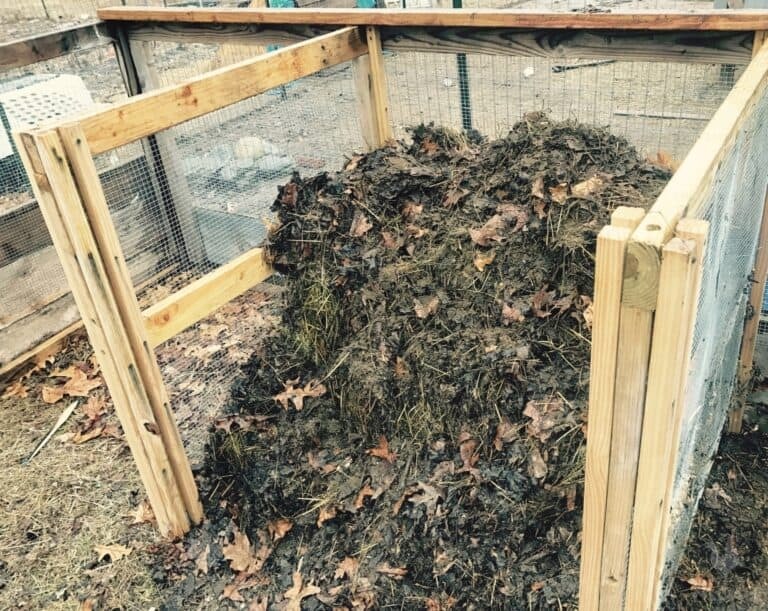
Composting is a natural process that transforms organic waste into nutrient-rich soil amendments, playing a vital role in promoting environmental sustainability. By recycling kitchen scraps, yard waste, and other biodegradable materials, composting reduces landfill waste, lowers greenhouse gas emissions, and enhances soil health. This age-old practice not only contributes to a more sustainable ecosystem but also supports local gardening and farming efforts.A successful compost pile requires a mix of carbon-rich (browns) and nitrogen-rich (greens) materials, which provide the necessary nutrients for microorganisms to thrive.
Common compostable items include vegetable scraps, fruit peels, coffee grounds, grass clippings, and dried leaves. It is important to maintain an appropriate balance of these materials to facilitate efficient decomposition and achieve optimal results.
Common Misconceptions about Composting
Despite its growing popularity, several misconceptions about composting persist, which can deter individuals from participating in this environmentally friendly practice. Understanding these misconceptions is essential for fostering effective composting practices.
- Composting is too complicated: Many people believe that composting requires extensive knowledge or sophisticated techniques. In reality, it can be as simple as collecting organic waste in a bin and allowing it to decompose over time.
- Compost smells bad: When managed properly, compost should not emit unpleasant odors. Odors typically arise from an imbalance of materials, often due to too much nitrogen or insufficient aeration.
- Only certain materials can be composted: While some materials are unsuitable for composting, a wide range of organic waste can be included in a compost pile. This includes fruit and vegetable scraps, eggshells, grass clippings, and dried leaves.
- Composting is only for gardeners: While compost is beneficial for gardening, anyone can participate in composting, regardless of whether they have a garden. Compost can enrich local soil ecosystems, enhance community gardens, and even be used for potted plants.
- Compost takes too long to make: While traditional composting can take several months, there are methods, such as vermicomposting with worms or using compost tumblers, that can accelerate the process and yield usable compost within weeks.
Composting is a sustainable practice that significantly contributes to reducing waste and enhancing soil health.
Materials to Avoid in Compost
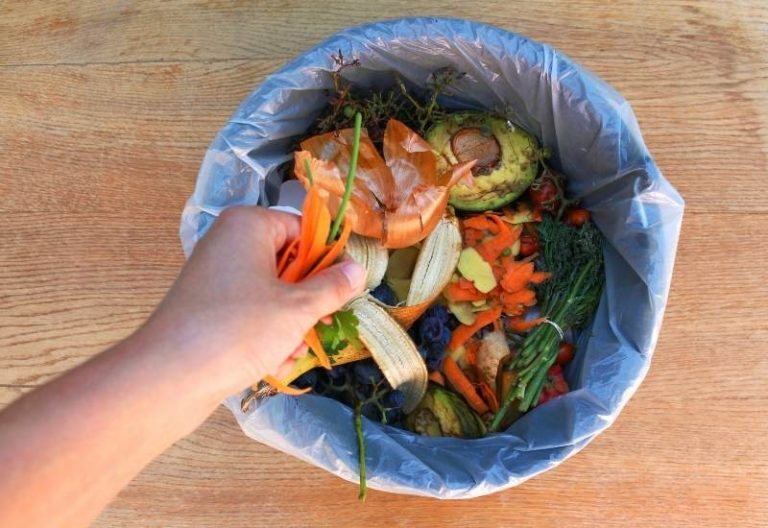
Composting is an excellent way to recycle organic waste and enrich the soil. However, not everything can be composted, and certain materials can significantly harm the quality of your compost. This section Artikels the items that should never be added to compost and explains their adverse effects.Certain materials, when added to compost, can hinder the composting process, introduce pathogens, or create toxic substances that may contaminate the final product.
Recognizing these materials is essential for maintaining a healthy compost pile. Below are specific items that should be avoided.
Harmful Substances that Contaminate Compost
To ensure the quality and safety of the compost, it is vital to avoid the following materials. Each item listed can adversely affect the decomposition process and compromise the health of plants and soil.
- Meat and Fish: These items can attract pests and create unpleasant odors. Decomposing animal products may introduce pathogens into the compost.
- Dairy Products: Similar to meat and fish, dairy can attract unwanted animals and contribute to foul smells. They also lead to an imbalance in the composting process.
- Oils and Fats: These substances can create a barrier preventing oxygen from reaching the organic matter, disrupting the composting process. They can also promote the growth of harmful bacteria.
- Pet Waste: Animal feces can contain harmful pathogens and parasites. Composting pet waste is not advisable as it poses health risks to humans and plants.
- Pesticides and Herbicides: Chemicals used in gardening and agriculture can remain in plant materials and potentially harm beneficial microbes in the compost, affecting the entire ecosystem.
- Coal Ash: This material can contain toxic substances that may leach into the compost, posing risks to plants and soil health.
- Glossy or Coated Paper: Items such as magazines and shiny receipts often contain inks and coatings that are not biodegradable, possibly introducing harmful chemicals into the compost.
Adding unsuitable materials to your compost can lead to contamination, affecting soil health and plant growth.
Understanding the impact of these materials is crucial in creating high-quality compost. It is essential to be selective about what you add to your compost pile to ensure a successful and sustainable composting process.
Risks of Contaminated Compost
The use of compost can significantly enhance soil vitality and plant growth; however, contaminated compost poses serious health risks and environmental concerns. Understanding the implications of using compost that contains harmful materials is crucial for maintaining both individual health and overall ecosystem integrity.Contaminated compost can harbor a range of pathogens and toxins, which can adversely affect soil health and crop production.
When prohibited materials, such as meat, dairy, or certain chemical residues, are added to compost, they can introduce harmful bacteria and parasites into the soil environment. This contamination not only compromises the quality of the compost but can also lead to the proliferation of diseases that may affect plants, animals, and humans.
Health Risks Linked to Contaminated Compost
The health risks associated with contaminated compost stem from various pathogens and toxic substances that may be present. Some key risks include the following:
Pathogenic Infections
The presence of harmful microorganisms, such as E. coli and Salmonella, can lead to foodborne illnesses. These pathogens can be transferred to edible plants grown in contaminated soil, posing a direct risk to human health.
Chemical Exposure
Contaminated compost may contain residues from pesticides, herbicides, or heavy metals. Consuming crops grown in such soil can lead to chronic health issues, including neurological damage and reproductive problems.
Soil Imbalance
The introduction of toxins can disrupt beneficial microbial communities in the soil, which are essential for nutrient cycling and plant health. This imbalance can result in reduced soil fertility and impaired plant growth.Evidence from studies highlights the consequences of using contaminated compost. According to research conducted by the U.S. Environmental Protection Agency (EPA), the improper use of contaminated organic materials can lead to significant health risks in agricultural settings.
For instance, a study revealed that approximately 1 in 6 Americans may contract foodborne illnesses annually, with a percentage of these cases linked to contaminated agricultural products grown in unsafe soils.Incorporating contaminated compost into gardens or farms can also have long-term repercussions on soil ecosystems. A study published in the Journal of Environmental Quality found that soils treated with compost containing heavy metal residues showed decreased microbial diversity, which is critical for maintaining soil health.
This can lead to increased vulnerability to pests and diseases, further endangering crop yields.In summary, while composting is a valuable practice for sustainable agriculture, it is imperative to be cautious about the materials included in compost. The risks associated with contaminated compost can have far-reaching implications for health and environmental sustainability.
Safe Alternatives to Prohibited Items

When it comes to composting, knowing which materials to avoid is as crucial as understanding what can be safely included. Many individuals often mistakenly consider certain items suitable for composting, leading to potential contamination and risks to the composting process. Fortunately, several safe alternatives exist to replace these prohibited items, promoting an effective and sustainable composting practice.Biodegradable options can effectively substitute for non-compostable materials, allowing for a more environmentally friendly waste management system.
Here are some compostable alternatives to commonly prohibited items:
Compostable Alternatives for Common Prohibited Items
Certain materials that are often deemed unsuitable for composting can be replaced with more appropriate options. Understanding these alternatives not only preserves the integrity of your compost but also contributes positively to the environment.
- Meat and Dairy Products: Instead of adding meat scraps or dairy, which can attract pests and cause odor, consider using plant-based scraps, such as vegetable peels and fruit cores.
- Pet Waste: While dog and cat feces should never be composted, using rabbit or chicken manure can be a safe alternative due to their lower risk of pathogens.
- Oily Foods: Instead of greasy leftovers, utilize kitchen scraps like bread and grains, which break down easily without introducing harmful oils.
- Coal and Charcoal Ash: For a safe substitute, opt for wood ashes from untreated wood, which can enhance soil pH without the toxins found in charcoal.
- Plastic Bags: Instead of plastic, use biodegradable bags made from cornstarch or paper that can break down in the composting process.
Biodegradable Options for Non-Compostable Items
Biodegradable materials can serve as effective replacements for items that cannot be composted. These options break down naturally and are beneficial for the environment, reducing landfill contributions.
- Biodegradable Packaging: Replace traditional plastic packaging with compostable materials made from plant fibers or bioplastics.
- Compostable Utensils and Plates: Choose utensils and plates made from sugarcane or bamboo, which decompose without leaving harmful residues.
- Natural Cleaning Products: Instead of chemical-laden products, use biodegradable soaps and cleaners that do not harm the composting ecosystem.
- Organic Fertilizers: Opt for organic fertilizers over synthetic options, as they improve soil health without introducing harmful chemicals.
Handling Waste That Cannot Be Composted
For items that are unsuitable for composting, proper disposal is essential to minimize environmental impact. Here are effective methods to handle such waste:
- Recycling: Items like plastic, metal, and glass can often be recycled, diverting them from landfills.
- Upcycling: Consider repurposing non-compostable materials into new products, such as turning glass jars into storage containers.
- Waste-to-Energy Programs: Participate in local initiatives that convert waste into energy, reducing landfill usage and generating power.
- Local Landfill Alternatives: Research local waste management facilities that may have specific programs for handling problematic waste types.
By opting for sustainable alternatives and managing non-compostable waste responsibly, individuals can significantly reduce their environmental footprint while contributing to a healthier planet.
Best Practices for Composting
Creating an effective composting system requires careful planning and attention to detail. By following best practices, you can ensure that your compost is nutrient-rich and beneficial for your garden or landscape. This guide Artikels the necessary steps and tips for maintaining a balanced compost mix.
Step-by-Step Guide for Setting Up a Composting System
Establishing a composting system involves several key steps that will lead to a successful outcome. These steps include choosing the right location, selecting the appropriate materials, and creating an efficient compost pile.
- Select a Location: Choose a well-drained area with partial sunlight that is easily accessible for adding materials and turning the compost.
- Choose a Compost Bin: You can use a store-bought compost bin or create a simple one using wood pallets or wire mesh. Ensure it’s large enough to accommodate the amount of organic waste you produce.
- Add Materials: Layer brown materials (carbon-rich) such as dried leaves and straw with green materials (nitrogen-rich) like kitchen scraps and grass clippings for a balanced mix.
- Monitor the Pile: Turn the compost regularly to aerate it and speed up the decomposition process. This also helps to maintain a good mix of materials.
- Maintain Moisture Levels: Ensure the compost remains moist, similar to a damp sponge, by adding water or dry materials as necessary.
Maintaining a Balanced Compost Mix
To avoid contamination and ineffective composting, it is crucial to maintain a balanced mix of materials. A proper ratio of carbon to nitrogen, commonly referred to as the C:N ratio, should be approximately 30:1.
“A balanced compost mix leads to faster decomposition and healthier compost.”
Some tips for maintaining this balance include:
- Mixing a variety of materials rather than relying on a single type.
- Avoiding excessive amounts of green materials, which can lead to odor and slow decomposition.
- Incorporating brown materials gradually to ensure a consistent carbon-to-nitrogen ratio.
- Regularly checking for imbalances and making adjustments by adding more brown or green materials as needed.
Importance of Monitoring Temperature and Moisture Levels
Regular monitoring of temperature and moisture levels in your compost pile is vital for successful decomposition and preventing issues such as odors and pests. The ideal temperature range for composting is between 130°F to 160°F (54°C to 71°C).
“Maintaining the right temperature and moisture promotes the growth of beneficial microorganisms essential for composting.”
Key points to consider for effective monitoring include:
- Using a compost thermometer to check the internal temperature regularly. If the temperature is too low, consider turning the pile to introduce more oxygen.
- Ensuring moisture levels are adequate; if the pile is too dry, add water gradually, and if too wet, add dry materials to absorb excess moisture.
- Observing the texture and smell of the compost. A well-maintained compost should have a pleasant earthy aroma without any foul odors.
Case Studies of Successful Composting
Composting has gained immense popularity due to its environmental benefits and the potential to reduce waste. Various individuals and communities have embraced composting, successfully navigating common challenges and achieving remarkable results. These case studies provide valuable insights into effective composting practices and the lessons learned from both successes and failures.
Urban Community Composting Initiatives
One notable example of successful composting can be found in urban community initiatives, such as the San Francisco Compost Program. This program encourages residents to compost food scraps and yard waste, significantly reducing landfill contributions. Through education and engagement, the city has fostered a culture of composting, leading to a reported diversion rate of over 80% for organic waste.Key methods employed include:
- Community Workshops: Regular workshops are conducted, teaching residents the fundamentals of composting, from what materials to include to how to maintain a healthy compost pile.
- Compost Drop-off Locations: Easily accessible drop-off sites allow community members without space for personal composting to participate actively.
- Partnerships with Local Businesses: Collaborations with restaurants and grocery stores help capture organic waste, further enriching the community composting efforts.
The success of this initiative demonstrates the effectiveness of education and collaboration in overcoming common composting challenges.
Residential Composting Success Stories
Numerous individuals have successfully implemented composting in their backyards, showcasing how personal commitment can yield significant results. For instance, a family in Portland, Oregon, turned their small backyard into a thriving composting site, using a simple bin system.The methods they used included:
- Layering Technique: They employed a layering approach, alternating between green materials (nitrogen-rich) and brown materials (carbon-rich) to optimize composting efficiency.
- Regular Monitoring: This family monitored moisture levels and temperature, ensuring that their compost pile remained aerated and active.
- Use of Kitchen Scraps: They incorporated kitchen scraps, including vegetable peels and coffee grounds, which significantly accelerated the breakdown process.
Their journey reflects the importance of patience and attention to detail, emphasizing that consistent care leads to successful compost production.
Lessons Learned from Composting Failures
Not every composting attempt has been met with success, and several individuals have shared valuable lessons from their failures. For instance, a community garden project in a city faced challenges due to improper material selection and lack of maintenance.Some of the critical lessons learned include:
- Avoiding Contaminants: Ensuring that only acceptable materials were added to the compost pile is vital; contaminants can lead to unpleasant odors and slow down the composting process.
- Regular Turning: Failing to turn the compost pile regularly can result in anaerobic conditions, leading to odors and ineffective composting.
- Understanding Ratios: Balancing green and brown materials is crucial; improper ratios can lead to a pile that is too wet or too dry, inhibiting decomposition.
These experiences highlight the importance of ongoing education and awareness in successful composting practices.
Resources for Further Learning
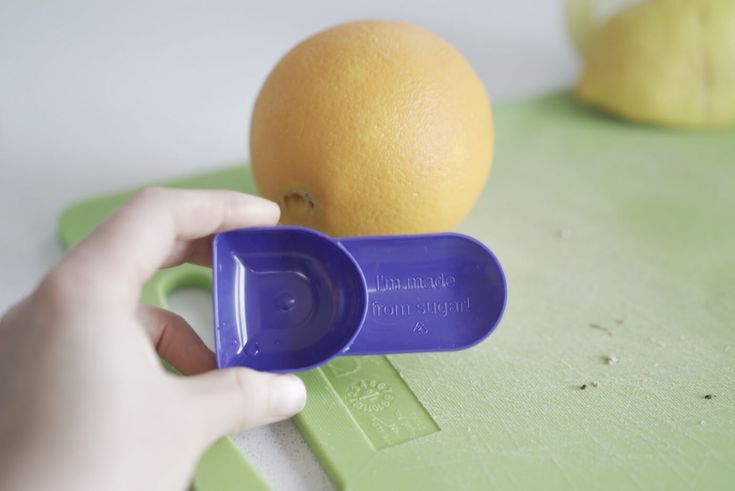
Composting is a rewarding practice that not only benefits the environment but also enhances soil health. For individuals seeking to deepen their understanding of composting, numerous resources are available. These include books, websites, and organizations dedicated to providing guidance on effective composting practices. Engaging with these resources can empower composters of all levels to create nutrient-rich soil amendments responsibly and sustainably.Many resources cater to different aspects of composting, from beginner-friendly guides to advanced techniques in urban settings.
Below is a comparison of various resources that illustrate their focus areas and the unique advantages they offer to composters.
Comparison of Composting Resources
The table below Artikels a selection of books, websites, and organizations that provide valuable information on composting. Each resource is categorized based on its target audience or specific focus, enabling individuals to select the most relevant materials for their needs.
| Resource | Type | Focus Area |
|---|---|---|
| The Compost Gardener by Ben Raskin | Book | Beginner-friendly composting techniques |
| Compost Bin Design by the U.S. Environmental Protection Agency | Website | Compost bin design & maintenance |
| Worms Eat My Garbage by Mary Appelhof | Book | Vermicomposting for beginners |
| Composting in Small Spaces by the Cornell Waste Management Institute | Website | Urban composting strategies |
| The Rodale Book of Composting | Book | Comprehensive composting practices |
| Local Community Composting Programs | Organization | Community composting initiatives |
Engaging with local composting workshops and community programs can further enhance knowledge and skills in composting. These initiatives often provide hands-on experience, allowing participants to learn from experts and share ideas with fellow composters. To maximize the benefits of these programs, consider the following tips:
- Research local workshops through city or community websites that promote sustainability.
- Join community gardening groups or environmental organizations to find composting events.
- Participate actively during workshops by asking questions and connecting with instructors.
- Network with other participants to share resources and experiences.
- Encourage friends or family members to join, fostering a community of composters.
Engaging with educational resources and local programs not only enhances composting knowledge but also builds a supportive community committed to sustainable practices.
Closing Summary
:max_bytes(150000):strip_icc()/thingstonevercompost-e693cac2fe544c6b8a50489412d18205.png "29 Things You Can't Compost | What Not to Compost | Balcony Garden Web")
In conclusion, knowing how to identify materials that should never find their way into your compost is essential for ensuring both the effectiveness of your composting efforts and the safety of your garden. By adhering to best practices and opting for safe alternatives, you can not only improve your compost quality but also contribute positively to the environment. Embracing these guidelines will lead to a more fruitful gardening experience while promoting sustainable living.