How to Know When Your Compost is Ready to Use offers a comprehensive guide for gardeners eager to enhance their soil’s health. Understanding the nuances of compost readiness is key to maximizing the benefits of your composting efforts, transforming kitchen scraps and yard waste into nutrient-rich organic matter.
This discussion will delve into the vital signs of mature compost, including its appearance, texture, and odor, while also covering essential testing methods and best practices for incorporating finished compost into your garden. By grasping these concepts, you can ensure that your gardens thrive with the enriching power of well-prepared compost.
Understanding Composting Basics
Composting is a natural process that transforms organic waste into nutrient-rich soil. This process not only diverts waste from landfills but also enriches the garden with essential nutrients. Understanding the fundamentals of composting is vital for every gardener looking to improve soil quality and promote sustainable gardening practices. The composting process involves the decomposition of organic materials through the activity of microorganisms, fungi, and other decomposers.
These organisms break down the materials and, over time, convert them into humus, a dark, crumbly substance that enhances soil structure, moisture retention, and nutrient availability. The importance of composting extends beyond individual gardens; it plays a significant role in reducing greenhouse gas emissions and fostering a healthier environment.
Compostable and Non-Compostable Materials
A wide variety of materials can be composted, but it is equally important to understand which items should be avoided to maintain a healthy composting environment. The following list offers examples of materials suitable for composting:
- Fruit and vegetable scraps
- Coffee grounds and filters
- Eggshells
- Grass clippings
- Leaves and garden trimmings
- Shredded newspaper and cardboard
- Wood chips and sawdust (from untreated wood)
Conversely, the following materials should not be included in a compost pile:
- Meat, bones, and dairy products
- Oils and fats
- Pet waste
- Pesticides and herbicides
- Diseased plants or weeds with seeds
Excluding these materials helps to prevent odors, pests, and pathogens from contaminating the compost, ensuring a successful composting process.
Carbon-to-Nitrogen Ratio Impact on Compost Quality
The carbon-to-nitrogen (C:N) ratio is a crucial factor in composting that affects the decomposition rate and overall quality of the compost produced. The ideal C:N ratio for composting is generally around 30:1, meaning that there should be approximately 30 parts carbon for every 1 part nitrogen in the compost mix.Carbon-rich materials, often referred to as “browns,” include dried leaves, straw, and wood chips.
Nitrogen-rich materials, known as “greens,” encompass fresh grass clippings, vegetable scraps, and manure. An imbalance in this ratio may lead to a slow decomposition process or unpleasant odors.To illustrate, a compost pile that consists primarily of kitchen scraps (high in nitrogen) may generate excess moisture and foul smells if not balanced with sufficient carbon sources. Conversely, a pile predominantly made up of dry leaves (high in carbon) may decompose too slowly, hindering the composting process.
Therefore, achieving a balanced C:N ratio is essential for creating a robust compost system that yields high-quality compost for gardening use.
Signs of Ready Compost
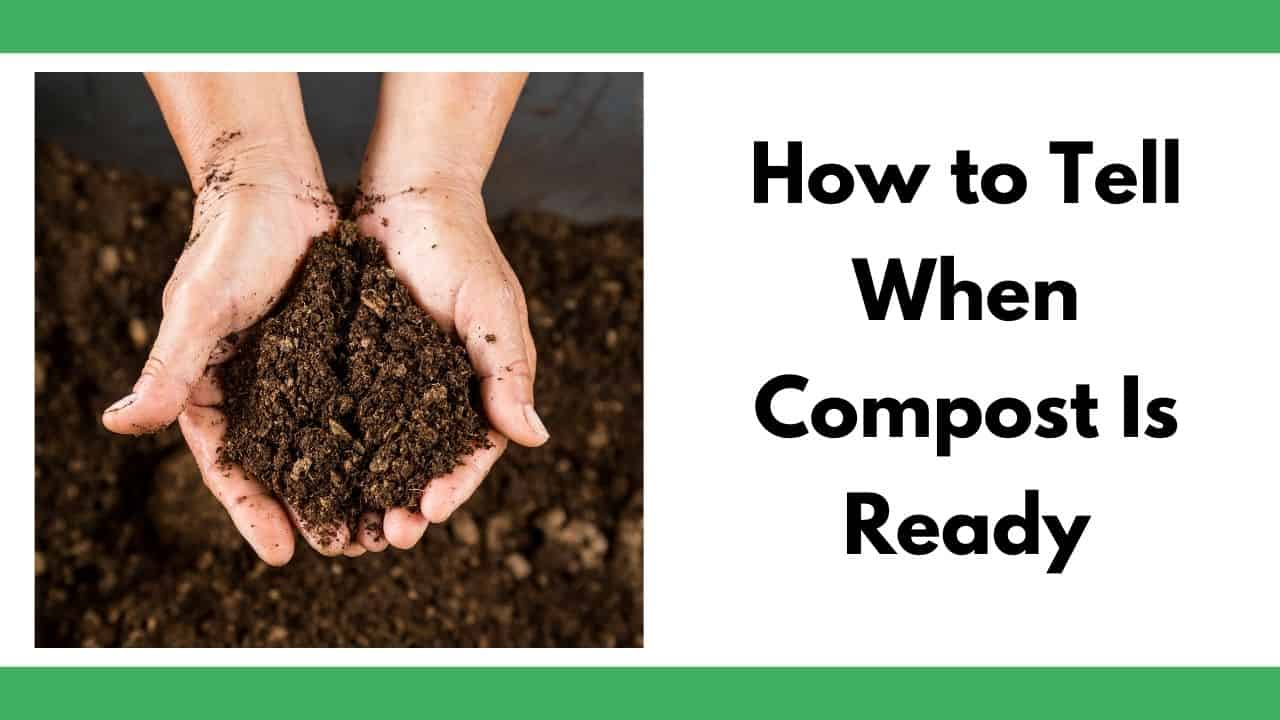
Determining when compost is ready for use involves recognizing several key indicators of maturity. Understanding these signs not only ensures the effectiveness of the compost but also promotes healthier soil and plants. This section Artikels the visual characteristics, odor, and temperature changes associated with finished compost.
Visual Characteristics of Mature Compost
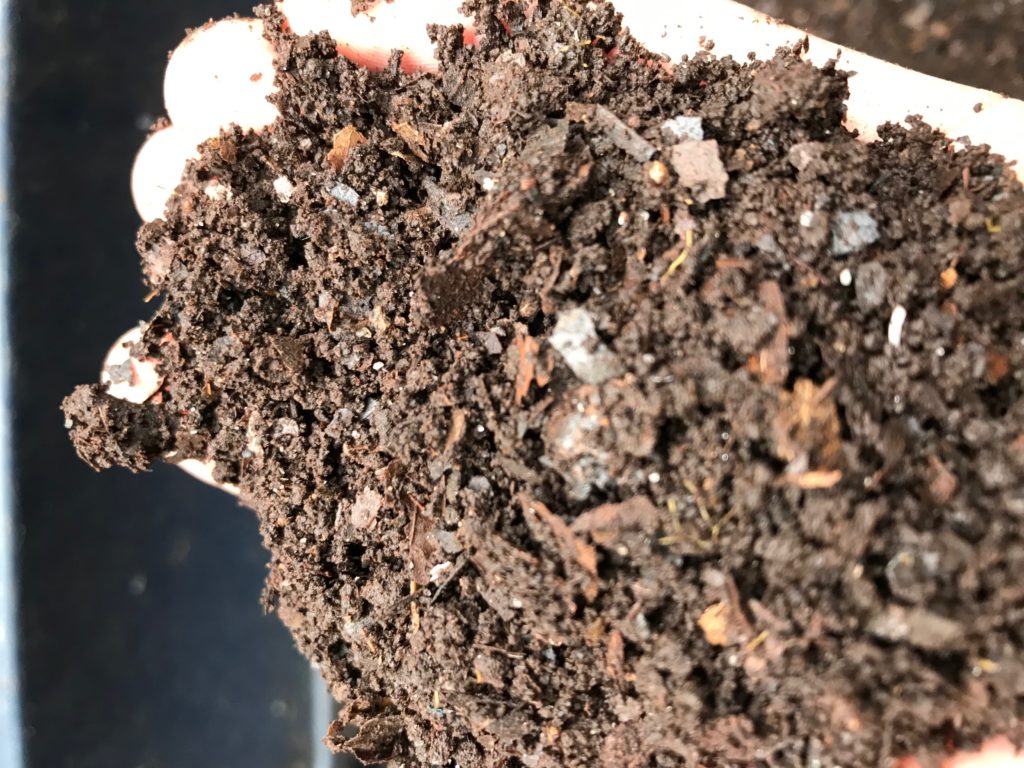
The appearance of mature compost is a significant indicator of its readiness. Finished compost typically exhibits a rich, dark color, resembling that of fertile soil. The texture should be crumbly and cohesive, with a uniform consistency that allows for good aeration and drainage. Key visual signs to look for include:
- Color: Dark brown to black, indicating a high level of decomposition.
- Texture: A fine, crumbly consistency without large chunks of undecomposed material.
- Presence of Earthworms: Healthy compost often attracts earthworms, which are beneficial for soil health.
Odor of Finished Compost
The smell of finished compost is a crucial aspect that sets it apart from raw compost materials. Mature compost typically has a pleasant, earthy aroma, which indicates that the organic matter has decomposed properly. In contrast, raw compost materials may emit foul odors due to anaerobic decomposition or the presence of unprocessed organic matter. The difference in odor can be summarized as follows:
- Earthy Aroma: A sign of healthy microbial activity and complete decomposition.
- Absence of Foul Smells: Finished compost should lack odors associated with rotting or decay, which suggests that it is no longer fermenting.
Temperature Changes in Compost
Temperature is another important factor that indicates the readiness of compost. During the composting process, temperatures can rise significantly due to microbial activity. As compost matures, the temperature begins to stabilize and decrease. Key temperature changes to note include:
- Initial Heat: Compost temperatures typically reach between 130°F to 160°F (54°C to 71°C) during active decomposition.
- Cooling Phase: As compost matures, temperatures drop to ambient levels, usually around 70°F to 100°F (21°C to 38°C).
- Stabilization: When the compost remains at a consistent temperature close to the ambient temperature for several weeks, it indicates that microbial activity has slowed, and the compost is ready for use.
Recognizing these signs ensures that your compost is not only ready for application but also maximizes its benefits for your garden or landscaping projects.
Testing Compost Readiness
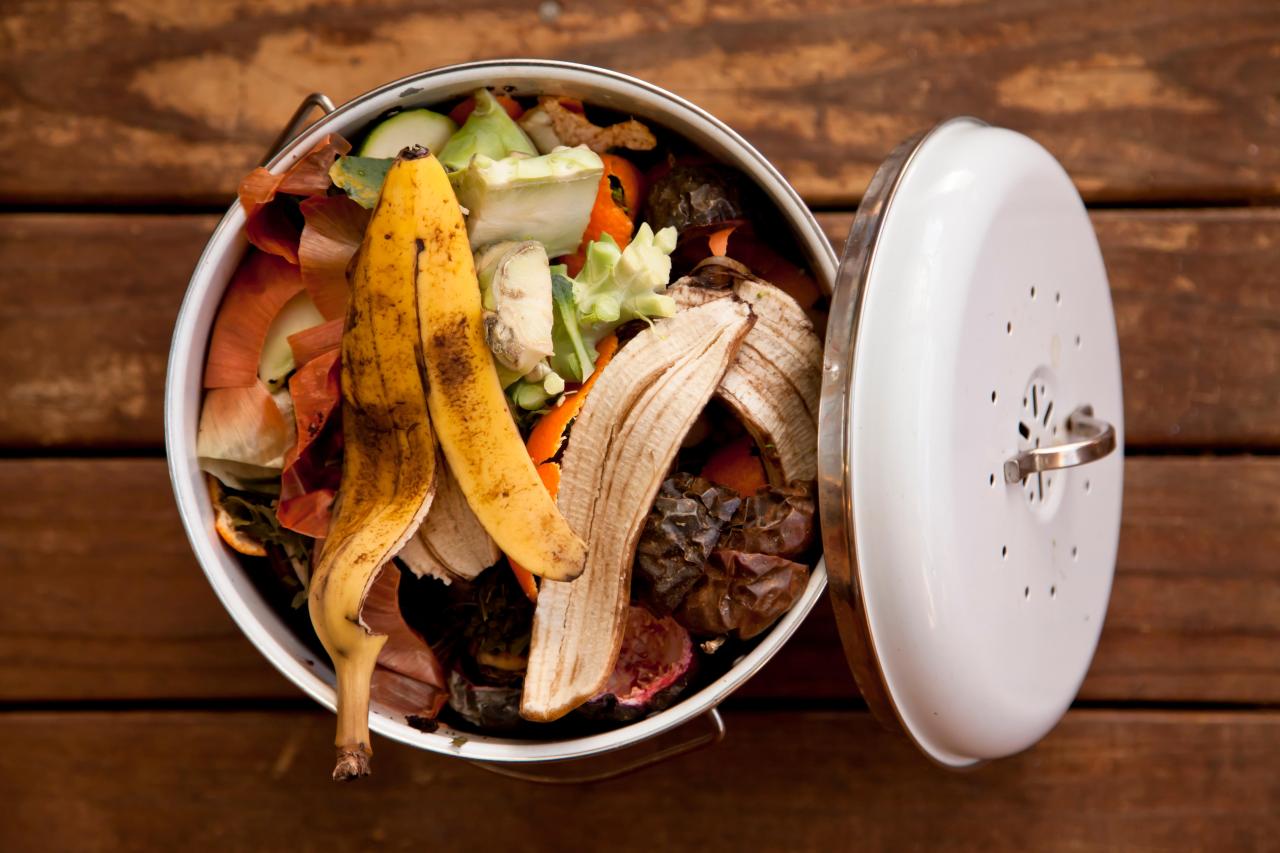
To determine whether compost is ready for use, several methods can be employed to evaluate its moisture levels, texture, and the time it has been composting. Understanding these factors is essential in ensuring that your compost is nutrient-rich and suitable for enhancing soil health.
Moisture Level Testing
Moisture is a critical aspect of compost readiness, as it influences the microbial activity necessary for effective decomposition. The ideal moisture content in compost should be similar to that of a damp sponge—moist but not dripping wet. To assess the moisture levels, consider the following methods:
Visual Inspection
Observe the compost for signs of excessive moisture, such as pooling water or a sour odor. Well-balanced compost should have a consistent dark color and appear crumbly.
Squeeze Test
Take a handful of compost and squeeze it firmly. If a few drops of water escape, the moisture level is adequate. If it is dry and crumbles, more water may be needed; conversely, if it drips excessively, it may be too wet and require aeration or bulking agents.
Soil Moisture Meter
For a more precise measurement, a soil moisture meter can be inserted into the compost. This tool provides a clear reading of moisture content, allowing for informed adjustments.
Compost Squeeze Test
The compost squeeze test is a straightforward procedure that helps evaluate the texture and moisture content of your compost. Performing this test can provide insight into the readiness of the material for application. Here’s how to conduct the squeeze test:
- Gather a handful of compost from various spots within the bin to ensure a representative sample.
- Firmly squeeze the compost in your palm, exerting pressure to compact it.
3. Observe the results
If the compost holds its shape but crumbles easily when touched, it indicates good structure and moisture balance.
If it forms a solid ball and remains compacted, it may be too wet and requires aeration.
If it falls apart immediately and feels dry, additional moisture is needed for optimal microbial activity.
This test not only assesses moisture but also provides insight into the overall texture and aeration of the compost, which are vital for plant health.
Influence of Time on Compost Readiness
The duration of the composting process plays a significant role in determining when compost is ready for use. Several factors influence this timeframe, including temperature, material composition, and moisture levels.
Temperature
Active composting typically occurs at temperatures between 130°F to 160°F (54°C to 71°C), which accelerates the decomposition process. Higher temperatures can shorten the time needed for compost to mature.
Material Composition
The types of materials used in the compost can also impact readiness. Nitrogen-rich greens (like kitchen scraps) and carbon-rich browns (such as dry leaves) should be balanced for efficient breakdown. A well-balanced mix can lead to faster composting.
Typical Duration
Generally, compost can take anywhere from two months to two years to decompose fully, depending on the methods used and conditions present. Regular monitoring, along with the assessment of moisture and texture, can inform adjustments and help achieve the desired compost quality in a timely manner.
The interplay of moisture, texture, and time is crucial in identifying when compost is truly ready for use, ensuring maximum benefits for your garden.
Using Finished Compost
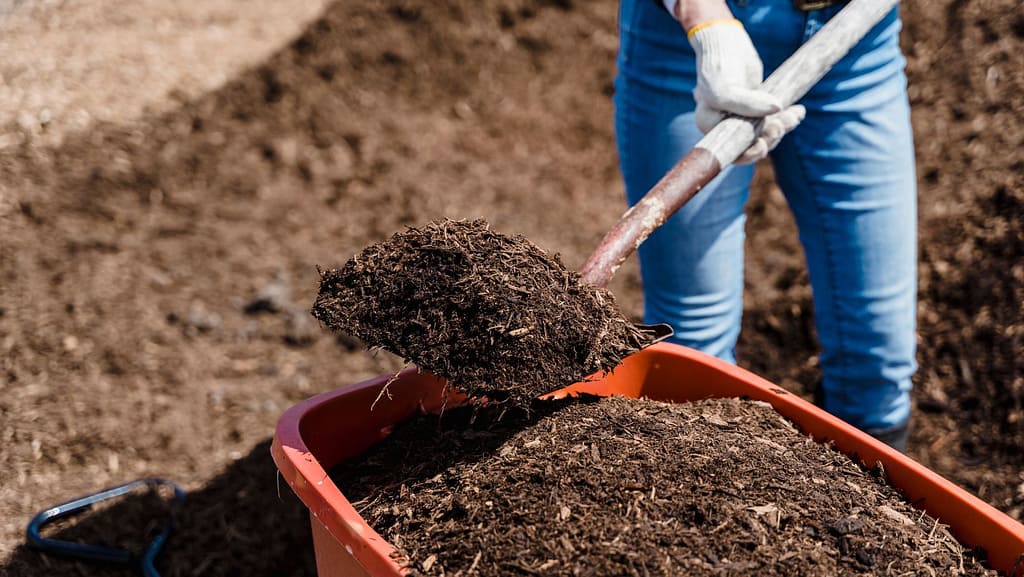
Incorporating finished compost into your garden soil is a fundamental aspect of sustainable gardening practices. It enriches the soil, improves its structure, and enhances its nutrient content, promoting healthy plant growth. Understanding the best methods and practices for applying compost can greatly benefit the overall health of your garden.When utilizing finished compost, it is essential to adopt effective guidelines for its application to ensure maximum benefits for your plants.
These practices help in integrating compost seamlessly into your gardening routine and contribute positively to soil health.
Guidelines for Incorporating Compost into Garden Soil
The following guidelines highlight best practices for applying compost to your garden, ensuring that nutrients are effectively utilized by your plants.
- Apply compost to your garden beds in early spring or fall, allowing it to integrate with the soil before planting.
- Spread a layer of compost approximately 1 to 3 inches thick on the soil surface, then work it into the top 6 to 12 inches of soil.
- For container gardening, mix compost with potting soil at a ratio of 1:3 to enhance growth potential.
- Avoid direct contact between compost and plant stems to prevent rot and promote healthy growth.
- Regularly refresh compost layers throughout the growing season, particularly in vegetable gardens, to maintain soil health.
Best Practices for Applying Compost to Plants and Gardens
Adopting best practices for compost application ensures that your plants receive the nutrients they need while maintaining the overall health of the garden ecosystem.
- Moisten the compost lightly before application to aid in soil absorption.
- Incorporate compost directly into the soil rather than simply layering it on top, as this encourages root access to nutrients.
- Consider the specific needs of different plants; some may require more compost than others based on nutrient demands.
- Monitor soil pH and nutrient levels periodically to adjust compost application rates accordingly.
- Utilize compost as a natural mulch around plants, which helps retain moisture and suppress weeds while providing gradual nutrient release.
Comparative Uses of Compost in Different Types of Gardens
The versatility of compost allows it to be beneficial in various gardening scenarios. The following table provides a comparison of its uses in different types of gardens, outlining the unique applications and considerations for each type.
| Garden Type | Compost Use | Considerations |
|---|---|---|
| Vegetable Garden | Mix compost into the soil prior to planting to enrich nutrient levels. | Higher nutrient demand; replenish compost mid-season. |
| Flower Garden | Top-dress with compost around established plants to enhance blooms. | Ensure compost does not touch plant stems to avoid rot. |
| Herb Garden | Integrate compost into the soil for improved flavor and growth. | Monitor moisture levels; herbs typically prefer well-drained conditions. |
| Fruit Garden | Incorporate compost into the planting hole for fruit trees or bushes. | Apply compost before fruiting season to maximize yield. |
| Container Garden | Mix compost with potting soil for optimal drainage and nutrient provision. | Use a lighter compost mix to prevent soil compaction. |
Troubleshooting Common Compost Issues
The composting process is generally straightforward, yet various issues may arise that could hinder its effectiveness. Identifying and addressing these problems is crucial for maintaining a healthy compost heap and ensuring the production of nutrient-rich humus. Understanding potential complications and the solutions to manage them can significantly enhance your composting experience.
Potential Problems During Composting
Several issues may manifest during the composting process, potentially affecting the decomposition of organic materials. Recognizing these concerns can help you implement timely solutions. The most common issues include excessive heat, unpleasant odors, slow decomposition, and the presence of pests.To illustrate, the following factors can contribute to these problems:
- Excessive heat: Overactive compost heaps can generate excessive heat, leading to the loss of beneficial microorganisms and nutrients.
- Bad odors: A foul smell often indicates an imbalance in nitrogen and carbon, or insufficient aeration in the compost.
- Slow decomposition: When compost materials do not break down efficiently, it may signify a lack of moisture, inadequate aeration, or an improper carbon-to-nitrogen ratio.
- Pests: The presence of pests can occur if the compost is too moist or if inappropriate materials are included.
Solutions for Overactive Compost Heaps
When a compost heap becomes overactive and generates excessive heat, it is important to cool it down to preserve functionality. Here are effective strategies to manage this issue:
“Proper aeration and balance of materials are essential for a successful composting process.”
To remediate an overactive compost heap:
- Turn the pile regularly to introduce oxygen and distribute heat evenly.
- Add dry, carbon-rich materials such as shredded leaves or straw to balance nitrogen levels.
- Moisten the compost slightly if it appears too dry, ensuring an optimal balance of moisture and aeration.
Solutions for Compost That Isn’t Breaking Down
When compost fails to decompose properly, it may be due to several factors including lack of moisture, insufficient aeration, or an incorrect mix of materials. To enhance the breakdown process, consider the following modifications:
- Check the moisture level: The compost should feel like a damp sponge; if too dry, add water while mixing.
- Aerate the pile: Regularly turning the compost increases oxygen flow, facilitating the activity of microorganisms.
- Adjust the carbon-to-nitrogen ratio: Aim for a balanced ratio of 30 parts carbon to 1 part nitrogen for optimal decomposition.
- Reduce the size of materials: Chopping or shredding larger items increases surface area, promoting quicker breakdown.
Adjusting Your Compost Mix
Optimizing the compost mix can significantly enhance the readiness of the compost. The right combination of materials not only accelerates decomposition but also ensures that the compost is nutrient-dense and beneficial for plants.Incorporate these practices for a better compost mix:
- Balance greens and browns: Combine nitrogen-rich greens (e.g., vegetable scraps, grass clippings) with carbon-rich browns (e.g., dried leaves, cardboard).
- Monitor moisture levels: Maintain adequate moisture throughout the compost, ideally between 40% and 60% moisture content.
- Introduce microbial inoculants: Adding a bit of finished compost or compost starter can boost microbial activity and enhance breakdown.
Benefits of Using Ready Compost
Using ready compost offers a multitude of ecological and agricultural advantages that enhance both gardening practices and environmental sustainability. The incorporation of compost into gardening not only improves plant health but also contributes positively to the ecosystem. This section will delve into the specific benefits that ready compost provides, focusing on its environmental impact, nutrient contributions to plant growth, and its effect on soil structure and health.
Environmental Benefits of Using Compost
Utilizing compost in gardening significantly reduces reliance on chemical fertilizers and minimizes waste. Composting diverts organic materials from landfills, thereby decreasing methane emissions, a potent greenhouse gas.
- Composting enriches soil health, promoting a diverse ecosystem of microorganisms that contribute to nutrient cycling.
- It helps in conserving water by improving soil moisture retention, reducing the need for frequent irrigation.
- Using compost enhances biodiversity by providing a habitat for beneficial organisms, such as earthworms and beneficial bacteria.
- Compost acts as a natural pest deterrent, reducing the need for harmful pesticides and fostering a more balanced ecosystem.
Nutrient Advantages of Ready Compost for Plant Growth
Ready compost is rich in essential nutrients that support robust plant development. Unlike synthetic fertilizers, compost provides a slow-release source of nutrients, ensuring sustained availability for plant uptake.
- Compost typically contains nitrogen, phosphorus, and potassium, which are vital for plant growth and development.
- It also contains micronutrients such as zinc, copper, and iron that are crucial for various physiological functions in plants.
- The organic matter in compost improves nutrient absorption by enhancing soil structure and fostering a healthy root system.
- Plants grown in compost-amended soil demonstrate improved disease resistance and overall vigor.
Impact of Finished Compost on Soil Structure and Health
Incorporating finished compost into soil has profound effects on its structure and overall health, leading to enhanced gardening success.
- Compost improves soil aeration, allowing roots to penetrate easily and enhancing water infiltration.
- It helps in maintaining optimal soil pH levels, making nutrients more available to plants.
- Finished compost increases soil aggregation, which improves its drainage and reduces erosion.
- Regular use of compost leads to a more biologically active soil, fostering a healthy balance of microorganisms.
Frequently Asked Questions About Compost Readiness
The journey of composting is filled with questions and misconceptions that often deter beginners from fully embracing the process. Understanding the nuances of compost readiness is essential for achieving a nutrient-rich end product that enhances soil health. This section aims to demystify some common misconceptions and provide guidance on maintaining an effective compost pile.
Common Misconceptions About Compost Readiness
Many people harbor misunderstandings regarding compost and its readiness for use. Addressing these misconceptions is crucial for achieving successful composting results. Below is a list of prevalent myths along with factual clarifications:
- Compost should smell pleasant at all times: While well-maintained compost can have a mild, earthy odor, a foul smell often indicates poor aeration or too much moisture. Proper management can resolve these issues.
- Compost is ready after a few weeks: Composting is a natural process that can take several months to a year. Patience is essential to allow for the breakdown of materials.
- All materials decompose at the same rate: Different materials have varying decomposition times. For instance, greens break down faster than browns. Understanding this can help in managing pile composition.
- You cannot compost in winter: Composting can continue in colder months. With proper insulation and management, compost piles can remain active, even in freezing temperatures.
- Compost is the same as mulch: While both improve soil health, compost is decomposed organic matter that adds nutrients to the soil, while mulch primarily retains moisture and suppresses weeds.
The Importance of Patience in the Composting Process
Composting is not a quick fix; it is a natural biological process that requires time. Rushing the process can lead to incomplete decomposition, resulting in a product that is less effective for gardening. Patience allows microorganisms to break down organic matter thoroughly, transforming it into nutrient-rich compost. Generally, a compost pile may take anywhere from three months to two years to mature, depending on various factors such as temperature, moisture, and the carbon-to-nitrogen ratio.The breakdown process involves several stages, including the initial heating phase, where microbial activity generates heat, followed by cooling and curing stages.
Each stage is critical for ensuring that pathogens and weed seeds are eliminated, yielding a safe and effective product.
Tips for Maintaining a Compost Pile for Optimal Results
Maintaining a compost pile requires attention to detail and consistent management. Following these tips can help ensure optimal results:
- Aerate regularly: Turning the compost pile every few weeks introduces oxygen, which is vital for aerobic microorganisms to thrive and speed up decomposition.
- Balance greens and browns: A good mix of nitrogen-rich greens (like vegetable scraps) and carbon-rich browns (like dry leaves) is essential for effective composting. Aim for a ratio of roughly 2:1.
- Monitor moisture levels: Compost should be kept moist but not soggy. A good rule of thumb is to maintain moisture levels similar to that of a wrung-out sponge.
- Limit size: Keeping the compost pile at a manageable size, ideally between 3 to 5 feet, ensures adequate heat generation and easier turning.
- Observe temperature: Utilizing a compost thermometer can help track internal pile temperatures. Ideal composting temperatures range from 130°F to 160°F (54°C to 71°C), facilitating the breakdown of organic material and killing pathogens.
End of Discussion
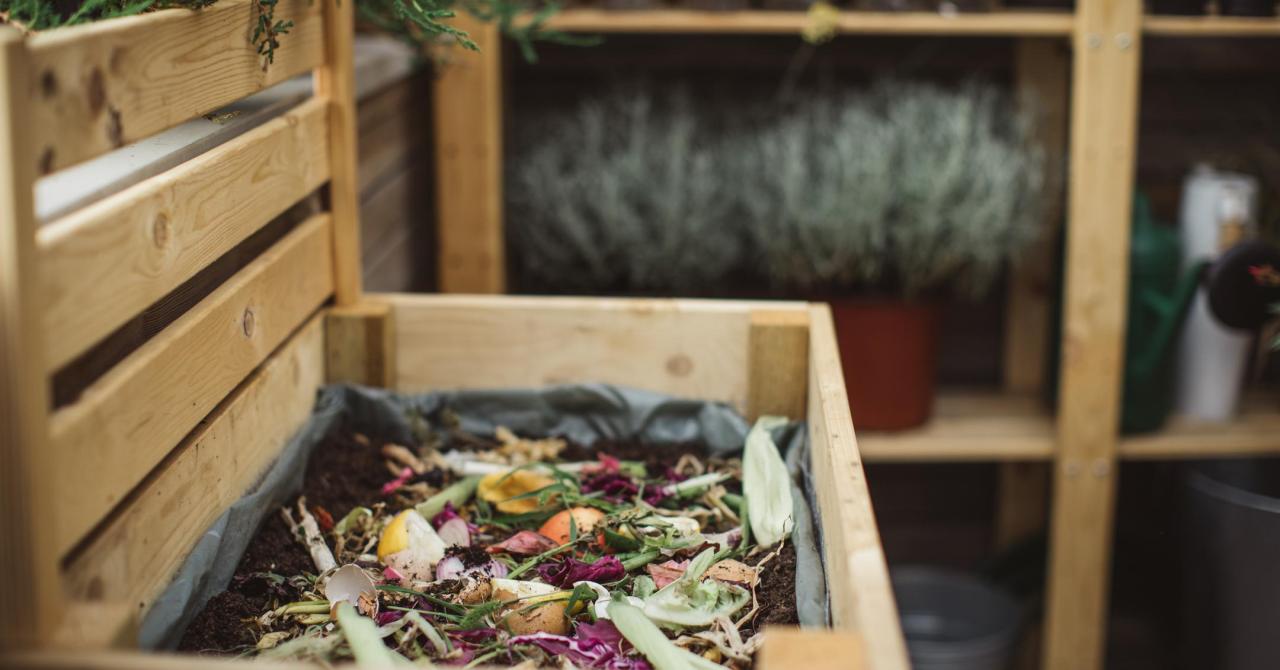
In conclusion, recognizing when your compost is ready to use is an invaluable skill for any gardener. By observing the visual, olfactory, and tactile cues discussed, along with employing simple testing methods, you can confidently utilize your compost to promote healthy plants and vibrant garden ecosystems. Embracing composting not only benefits your gardening endeavors but also contributes positively to the environment.