Effective composting is an essential practice for sustainable gardening, yet it can sometimes come with challenges, particularly concerning pests. How to Make a Compost Pile Without Attracting Pests is a guide designed to help gardening enthusiasts create a thriving compost pile while minimizing the risk of unwanted visitors. By understanding the fundamentals of composting, selecting the right location, and employing proven pest deterrence strategies, anyone can enjoy the benefits of rich, organic compost.
This guide will explore the critical aspects of building a compost pile, including material selection, proper layering, and maintenance techniques that promote decomposition while keeping pests at bay. With a few simple steps and informed choices, you can enhance your gardening efforts and contribute positively to the environment.
Understanding Composting Basics
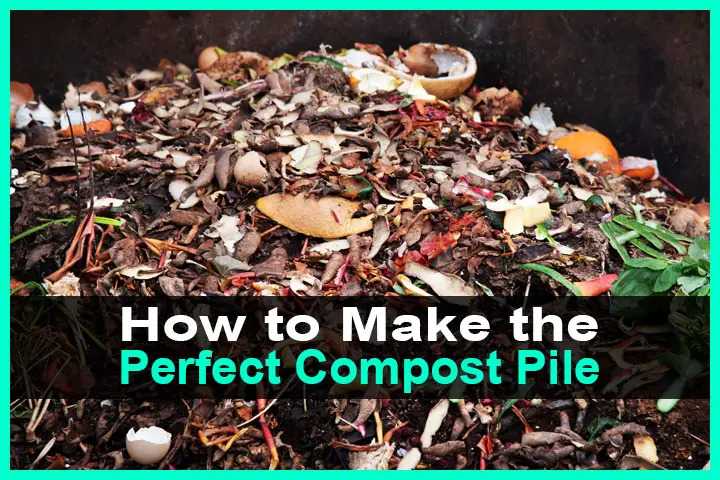
Composting is an essential process that transforms organic waste into nutrient-rich soil. This natural recycling method not only diverts waste from landfills but also enhances soil health, supports plant growth, and fosters biodiversity. Understanding the principles of composting can help individuals establish effective compost piles that minimize pest attraction while optimizing decomposition.The fundamental principles of composting revolve around the decomposition of organic matter through microbial activity.
Microorganisms, such as bacteria and fungi, play a critical role in breaking down materials. For successful composting, it is important to maintain a balance between carbon-rich (“browns”) and nitrogen-rich (“greens”) materials. This balance, often referred to as the carbon-to-nitrogen ratio, ideally should be around 30:1. This means that for every 30 parts of carbon, there should be 1 part of nitrogen.
Importance of Carbon-to-Nitrogen Ratio in Compost
The carbon-to-nitrogen ratio is vital for efficient microbial activity and overall compost health. Carbon provides the energy source for microbes, while nitrogen is essential for their growth and reproduction. An imbalance in this ratio can lead to issues such as slow decomposition or unpleasant odors. To ensure a balanced carbon-to-nitrogen ratio, one can utilize a variety of compost materials categorized as browns or greens.
The following list Artikels common materials suitable for composting along with their respective benefits:
- Browns (Carbon-rich materials): These include dried leaves, straw, cardboard, and wood chips. They help aerate the compost pile and absorb excess moisture.
- Greens (Nitrogen-rich materials): Examples include kitchen scraps, grass clippings, and fresh plant trimmings. These materials provide the necessary nutrients for microbial growth.
- Compost Activators: Items such as aged manure or compost can boost microbial activity, speeding up the decomposition process.
- Minerals: Adding crushed eggshells or rock phosphate can provide essential minerals that enhance soil fertility.
Incorporating a diverse range of materials not only improves the composting process but also enriches the final compost product. Ensuring the right balance of browns and greens is key to creating a thriving compost environment, leading to a productive compost pile that contributes positively to the ecosystem.
Selecting the Right Location
Choosing the optimal location for a compost pile is crucial to ensuring its success and minimizing pest attraction. A well-placed compost pile can facilitate the breakdown of organic materials while also creating a healthy habitat for beneficial organisms. This section Artikels the key considerations for selecting the right location for your compost pile.
Considerations for Location
The placement of your compost pile can significantly impact its efficiency and the potential for pest issues. When selecting a site, consider the following factors:
- Avoiding High Pest Activity Areas: Selecting a location away from areas that attract pests is essential. For instance, avoid placing the compost pile near garbage bins, pet food bowls, or bird feeders, as these can serve as attractants for rodents and other unwanted animals.
- Sunlight Exposure: Compost piles benefit from sunlight, which helps maintain warmth and accelerates decomposition. Aim for a location that receives at least six hours of sunlight each day. This warmth not only promotes microbial activity but also helps to dry excess moisture, reducing the likelihood of a smelly, anaerobic environment.
- Proper Drainage: Good drainage is critical to avoid waterlogging, which can lead to foul odors and pest attraction. Choose a slightly elevated site that allows for proper water runoff during rain. If your chosen location is prone to excess moisture, consider constructing your compost pile on a well-drained surface, such as gravel, to facilitate drainage.
- Accessibility: Ensure the site is easily accessible for regular maintenance, such as turning and monitoring the compost pile. An accessible location encourages consistent upkeep, which is essential for successful composting.
- Distance from Structures: To prevent any potential issues with odors or pest attraction, maintain a reasonable distance from your home or other structures. Ideally, the compost pile should be situated at least 10 feet away from buildings.
Building the Compost Pile
Creating an effective compost pile is essential for achieving nutrient-rich compost that benefits your garden. The process of layering materials appropriately, maintaining moisture levels, and ensuring proper aeration plays a significant role in decomposition. This section will provide a comprehensive guide to successfully build and manage your compost pile.
Layering Materials Effectively
The method of layering materials is crucial in building a healthy compost pile. It is important to alternate between green materials, which are rich in nitrogen, and brown materials, which provide carbon. The following steps Artikel the proper layering technique:
1. Start with Coarse Materials
Begin with a layer of coarse brown materials, such as small branches or straw, at the bottom. This helps with drainage and aeration.
2. Add Green Materials
Next, introduce a layer of green materials like kitchen scraps, grass clippings, or manure. Ensure these materials are chopped or shredded to enhance breakdown.
3. Incorporate Brown Materials
Follow up with another layer of brown materials, including dried leaves, shredded paper, or cardboard. This layer aids in maintaining a balanced carbon-to-nitrogen ratio.
4. Continue Alternating Layers
Repeat the process of alternating green and brown materials, maintaining a ratio of approximately 2:1 of browns to greens.
5. Finish with a Brown Layer
Conclude with a final layer of brown materials to cover the pile, reducing odors and minimizing pest attraction.Maintaining a balanced structure within the pile not only ensures efficient decomposition but also minimizes the risks of attracting unwanted pests.
Maintaining Appropriate Moisture Levels
Moisture is a vital component of the composting process. The right level of moisture fosters microbial activity, which is essential for breaking down organic materials. Here are key practices for maintaining optimal moisture levels:
Monitor Moisture Content
The compost should feel moist but not soggy. A simple test involves grabbing a handful of compost; it should hold together but not drip water.
Water the Pile
If the compost appears dry, lightly water it using a hose or watering can. Ensure to do this gradually to avoid over-saturation.
Cover the Pile
Use a tarp or a compost bin lid to cover the pile during dry spells. This helps retain moisture and protects the compost from excessive rain.
“Aim for a moisture level akin to that of a damp sponge for optimal microbial activity.”
Aerating the Compost
Aeration is essential for maintaining a healthy compost pile, as it promotes oxygen flow and speeds up decomposition. Lack of aeration can lead to anaerobic conditions, causing unpleasant odors and slowing the process. Here are effective methods for aerating your compost:
Turning the Pile
Use a pitchfork or compost aerator to turn the pile every few weeks. This redistributes materials and introduces oxygen. Aim to turn the pile when the temperature rises, indicating active decomposition.
Incorporating Air Channels
When building the pile, include some larger materials that create air pockets. This natural aeration allows for improved airflow throughout the compost.
Using Aeration Tools
Consider employing specialized tools such as compost aerators or augers that penetrate the pile, allowing air to circulate effectively.Implementing these aeration techniques not only enhances decomposition but also minimizes the likelihood of attracting pests, ensuring a productive composting experience.
Strategies to Deter Pests
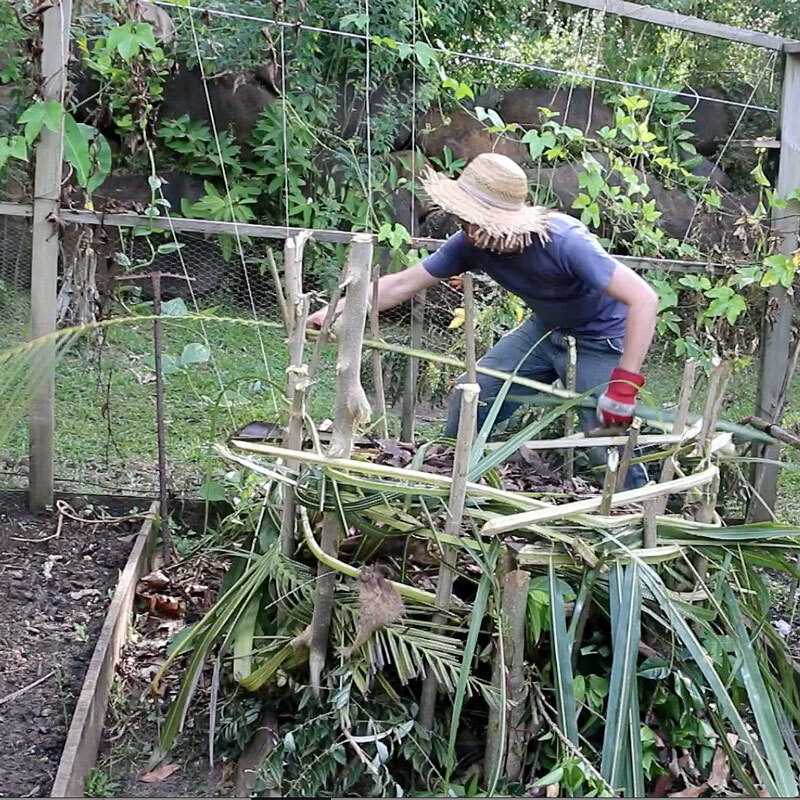
Creating a compost pile is an excellent way to recycle organic waste and enrich your garden soil. However, one of the most common concerns for gardeners is the attraction of pests that can compromise the integrity of compost. Implementing effective strategies to deter pests not only keeps your compost healthy but also ensures a clean and safe environment for your plants.
This section will explore various natural deterrents, signs of pest activity, and methods to cover your compost pile.
Natural Deterrents to Keep Pests Away
Utilizing natural deterrents is essential for maintaining a pest-free compost pile. Certain plants and substances can dissuade pests from invading your compost, creating a more balanced ecosystem.
- Essential Oils: Oils such as peppermint, eucalyptus, and citronella can repel various pests. Mixing a few drops with water and spraying it around the compost area can act as a natural barrier.
- Herbs: Planting pest-repelling herbs like basil and lavender near the compost can help deter unwanted insects and rodents.
- Garlic Spray: A mixture of garlic and water can serve as an effective repellent. The strong scent is off-putting to many pests.
- Diatomaceous Earth: Sprinkling this natural powder on the compost can deter crawling insects due to its abrasive quality.
Signs of Pests and Prevention Methods
Recognizing the signs of pests early is vital for effective management. Common indicators include unusual smells, visible insects, or signs of digging around the compost pile.
- Visible Insects: Regularly inspect your compost for any signs of insects like fruit flies, ants, or beetles.
- Unpleasant Odors: A foul smell may indicate that pests have taken residence. Good aeration and the right mix of materials can help prevent this.
- Dig Marks: Rodents may dig into compost piles. Keeping the pile well-covered can minimize this issue.
- Attractiveness of Food Sources: Certain food scraps, like meat and dairy, attract pests. Avoid adding these to the compost to deter infestations.
Methods of Covering Compost Piles
Covering compost piles is a significant step in minimizing pest access. Various materials and methods can create an effective barrier against unwanted intruders.
- Compost Bin: Using a closed compost bin can significantly reduce pest access while promoting aeration and moisture retention.
- Mesh or Wire Covers: Placing a layer of mesh or wire over the compost can keep larger pests, such as raccoons and squirrels, at bay while allowing air circulation.
- Tarp or Canvas: Covering the compost with a tarp or heavy canvas can help keep out rain and pests. Ensure it is secured to prevent it from blowing away.
- Wooden Pallet Base: Building a compost pile on a wooden pallet can elevate it, making it less accessible to ground-dwelling pests.
Implementing these strategies not only protects your compost but also enhances its quality, ensuring a rich source of nutrients for your garden.
Monitoring and Maintenance
Regular monitoring and maintenance of your compost pile is essential for ensuring its effectiveness and minimizing pest attraction. By checking the compost pile’s temperature and maintaining a balanced environment, you can promote healthy decomposition while deterring unwanted pests. This section Artikels the key practices for effective compost pile maintenance.
Importance of Temperature Monitoring
Maintaining the appropriate temperature within your compost pile is critical to the composting process. A well-structured pile typically reaches temperatures between 130°F and 160°F, which not only facilitates optimal decomposition but also helps to kill pathogens and weed seeds. Regularly checking the temperature ensures that the microbial activity is sustained without overheating, which can lead to anaerobic conditions and unpleasant odors.To effectively monitor the temperature, consider using a compost thermometer, which allows for easy insertion into the center of the pile.
Regular checks (weekly, if possible) will help you maintain the ideal conditions necessary for a successful composting process.
Checklist for Maintaining a Balanced Compost Environment
A balanced compost environment is crucial for healthy decomposition and pest prevention. The following checklist will assist you in maintaining the right conditions for your compost pile:
Carbon to Nitrogen Ratio
Ensure you maintain an ideal ratio of approximately 30:1. Incorporate brown materials (carbon-rich) such as dried leaves, straw, and wood chips, alongside green materials (nitrogen-rich) like kitchen scraps and fresh grass clippings.
Moisture Level
The compost should be damp but not soggy. Aim for a moisture content similar to a wrung-out sponge. Add water if it feels too dry, or mix in dry materials if it becomes overly wet.
Aeration
Turn the compost pile every 1-3 weeks to introduce oxygen, which is essential for aerobic decomposition. This also helps to mix materials and distribute heat evenly.
Size of Materials
Chop or shred larger materials to accelerate decomposition and reduce the risk of attracting pests.
Observation of Pests
Keep an eye out for any signs of pests. If you see any, take immediate action to address the issue before it escalates.
Troubleshooting Common Composting Problems Related to Pests
Despite best efforts, pests may still find their way into a compost pile. Identifying and addressing common composting issues will help you maintain a healthy environment. Here are some common problems and their solutions:
Fruit Flies and Gnats
These pests are often attracted to overly moist compost. To minimize their presence, ensure proper aeration and adjust moisture levels as needed. Add dry materials to soak up excess moisture.
Rodents
If rodents are a concern, consider adjusting the compost materials. Avoid adding highly aromatic substances like citrus peels, and ensure that food scraps are buried within the compost pile to reduce access. Regularly turning the pile can also help deter these pests.
Odors
Unpleasant smells can attract pests and indicate an imbalance. Address this by ensuring adequate aeration and adding carbon-rich materials. A well-aerated compost pile should have a pleasant earthy smell rather than a foul odor.
Regular monitoring and maintenance are fundamental for maintaining the health of your compost pile and preventing pest issues.
Benefits of Composting
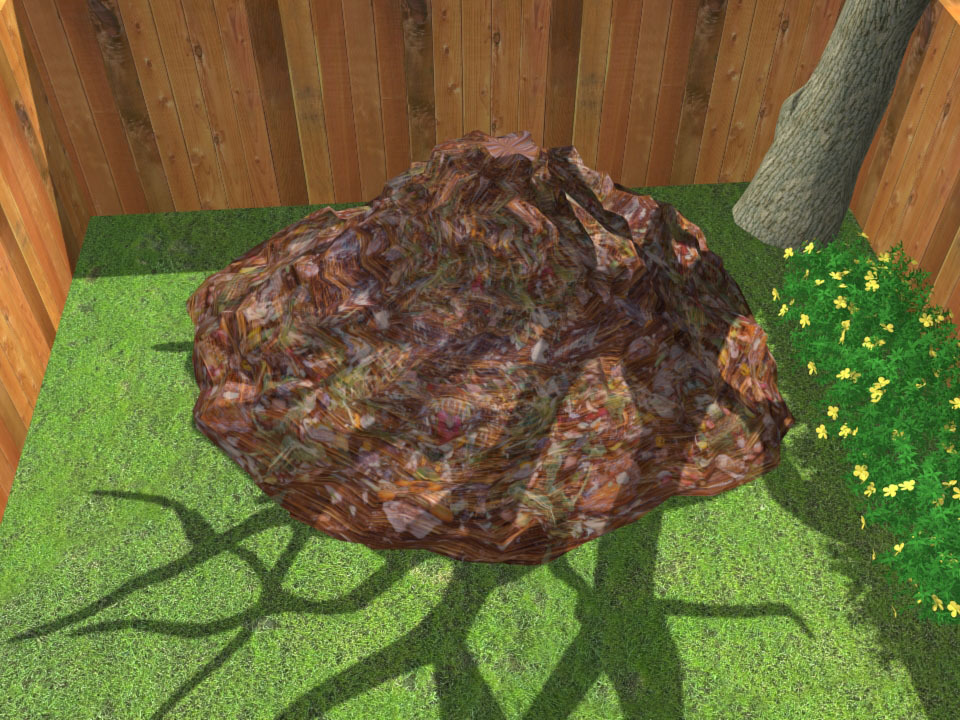
Composting offers a multitude of benefits that positively impact the environment, enhance soil health, and provide economic advantages. As an environmentally friendly practice, it plays a crucial role in promoting sustainable agriculture and responsible waste management.The environmental benefits of composting are significant and far-reaching. Composting reduces the amount of organic waste that ends up in landfills, which in turn decreases greenhouse gas emissions, particularly methane, a potent contributor to climate change.
By recycling organic materials, composting also conserves natural resources by reducing the need for chemical fertilizers and pesticides, which can harm ecosystems and waterways.
Environmental Benefits
Composting contributes to several key environmental improvements, which include the following:
- Reduction of landfill waste: Composting diverts organic waste from landfills, significantly decreasing landfill size and extending their lifespan.
- Decreased greenhouse gas emissions: Anaerobic decomposition in landfills produces methane. Composting, through aerobic processes, minimizes this emission.
- Conservation of natural resources: By utilizing compost, the need for synthetic fertilizers and pesticides diminishes, preserving soil biodiversity and water resources.
Soil Health and Plant Growth Improvement
Compost acts as a natural soil conditioner that enhances soil structure, moisture retention, and nutrient availability. The incorporation of compost into garden beds or agricultural fields results in numerous benefits for plant growth and overall soil health.In particular, compost enriches the soil with vital nutrients, including nitrogen, phosphorus, and potassium, which are essential for healthy plant development. Additionally, it supports microbial activity and fosters a diverse ecosystem in the soil, promoting plant resilience against pests and diseases.
- Improved soil structure: Compost improves soil aeration and drainage, allowing roots to grow freely and absorb nutrients more effectively.
- Enhanced moisture retention: Organic matter in compost helps retain water in the soil, reducing the need for frequent irrigation.
- Increased nutrient availability: Compost releases nutrients slowly, providing a steady supply for plants over time.
Economic Advantages of Using Compost
Utilizing compost instead of chemical fertilizers presents notable economic benefits for both home gardeners and commercial farmers. The cost savings from reduced fertilizer purchases and improved crop yields can significantly impact one’s budget.The use of compost can lead to healthier plants and increased crop yields, which translate into higher profits for farmers. Additionally, composting can lower waste disposal costs as organic matter is diverted from landfills.
- Cost savings on fertilizers: Compost provides a free or low-cost source of nutrients, reducing dependency on expensive chemical fertilizers.
- Lower waste disposal expenses: Composting cuts down on the volume of waste that needs to be transported and processed.
- Increased yield and quality: Healthier soils yield more robust crops, often resulting in higher market value.
Community and Resources
The journey of composting is enriched through community involvement and the use of local resources. Engaging with fellow enthusiasts not only enhances knowledge but also fosters a supportive environment for sustainable practices. Numerous organizations and initiatives are dedicated to educating individuals about composting, ensuring that they have the necessary tools and support to implement effective composting strategies.
Local Resources for Composting Education
Various local resources play an essential role in providing composting education. Libraries, community centers, and agricultural extension offices often offer workshops, literature, and hands-on training for residents interested in composting. Here are some valuable resources to explore:
- Local Libraries: Many libraries host free workshops and have a selection of books and pamphlets on composting techniques.
- Extension Offices: Agricultural extension services frequently provide resources and expert advice to the community, including composting guidelines.
- Community Gardens: These gardens often serve as educational hubs where individuals can learn about composting through practical experiences.
Community Initiatives and Programs
Community initiatives focused on composting promote environmental sustainability and educate residents on the importance of reducing waste. Many towns and cities have established programs aimed at increasing awareness and participation in composting practices. Some notable initiatives include:
- Municipal Composting Programs: Several municipalities offer curbside compost collection services, making it easier for residents to participate.
- Workshops and Demonstration Days: Local organizations often schedule events where community members can learn about composting while engaging in hands-on activities.
- Incentive Programs: Some communities provide incentives, such as discounts on compost bins, for residents who commit to composting.
Connecting with Local Gardening Groups
Joining local gardening groups is an effective way to gain support and share knowledge about composting. These groups often consist of experienced gardeners and novice enthusiasts alike, creating a collaborative environment for learning. To connect with local gardening groups, consider the following approaches:
- Online Social Platforms: Websites like Facebook and Meetup host various gardening groups where members share tips and experiences about composting.
- Local Gardening Clubs: Many towns have dedicated gardening clubs that meet regularly to discuss sustainable practices, including composting.
- Community Events: Attending farmer’s markets, plant fairs, or local environmental events can help you meet like-minded individuals who are passionate about gardening and composting.
“Engaging with your community not only enhances your composting knowledge but also builds a network of support for sustainable practices.”
Closure
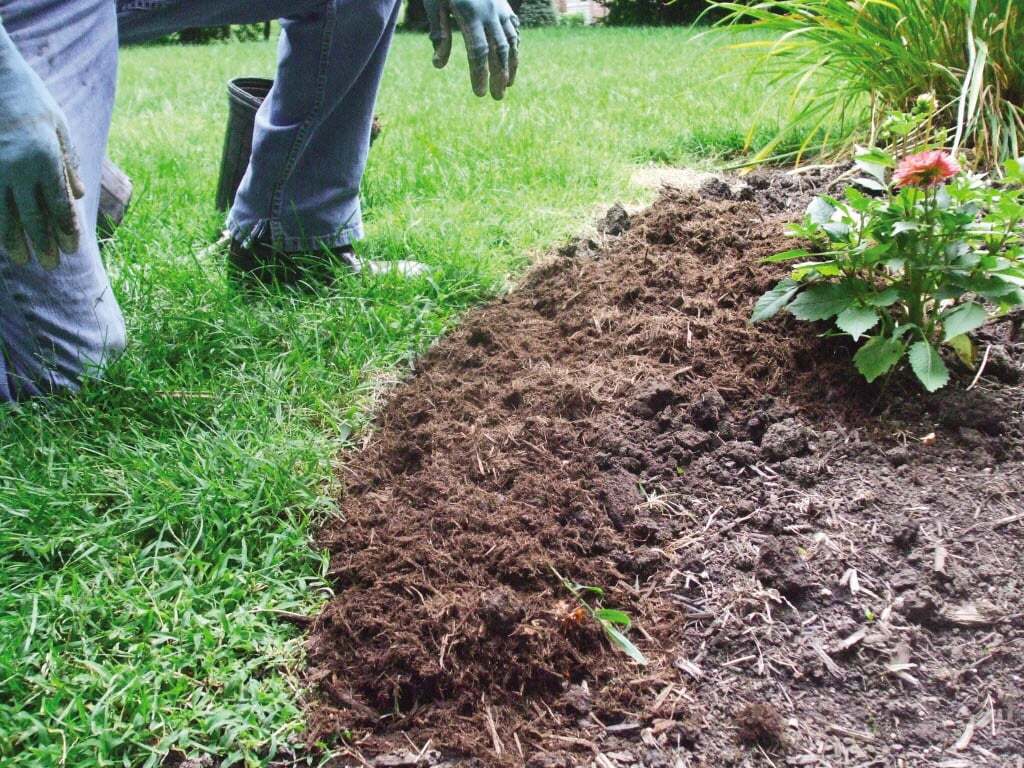
In conclusion, mastering the art of composting without attracting pests not only enriches your garden but also supports ecological health. By implementing the strategies Artikeld in this guide, such as careful location selection and effective pest deterrents, you can create a productive compost pile that nourishes your plants while safeguarding your gardening space from unwanted visitors. Embrace the challenge of composting, and enjoy the rewards of a healthy, pest-free garden.