Understanding how to make a simple compost bin from wire fencing opens the door to sustainable gardening practices that benefit both the environment and your plants. Composting not only reduces waste but also enriches soil health, providing nutrients essential for plant growth. By learning to create a compost bin from readily available materials, you can contribute to a greener planet while enjoying the satisfaction of recycling organic matter.
This guide will walk you through the fundamental aspects of composting, emphasizing the advantages of having a proper compost bin and the variety of materials suitable for composting. You will discover how to construct a functional and aesthetically pleasing compost bin that integrates seamlessly into your garden space.
Introduction to Composting
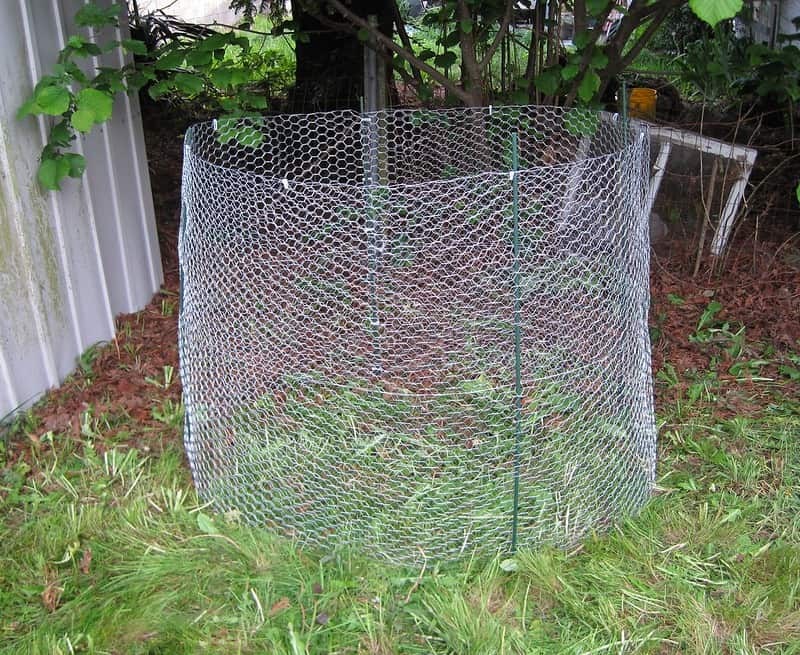
Composting is an environmentally friendly practice that transforms organic waste into nutrient-rich soil conditioner. The process not only reduces landfill waste but also enhances soil health, promoting sustainable gardening and farming practices. By composting, individuals contribute to a circular economy, where waste is repurposed into a valuable resource for the environment.The benefits of composting extend beyond waste reduction. It enriches the soil with essential nutrients, enhances moisture retention, and fosters a diverse ecosystem of beneficial microorganisms.
Composting can significantly improve soil structure, which in turn boosts plant growth and resilience. This practice also helps in reducing greenhouse gas emissions associated with organic waste decomposing in landfills.
Types of Materials for Composting
A successful composting process relies on the appropriate balance of materials. The types of materials that can be composted are broadly categorized into greens and browns. Each category plays a crucial role in the composting process.Greens are nitrogen-rich materials that contribute to microbial activity. Common greens include:
- Fruit and vegetable scraps
- Grass clippings
- Coffee grounds
- Fresh leaves
Browns are carbon-rich materials that provide energy for microbes and help maintain aeration within the compost. Examples of browns include:
- Dried leaves
- Cardboard
- Wood chips
- Pine needles
It is important to maintain a balanced ratio of greens to browns, typically recommended at 1 part greens to 3 parts browns. This balance ensures optimal composting conditions, promoting efficient decomposition and reducing odors.
Importance of a Compost Bin
A compost bin plays a vital role in the composting process by providing a contained environment for organic materials to decompose. It helps to maintain the right conditions for composting, including adequate moisture, temperature, and aeration. Using a compost bin offers numerous advantages:
- It prevents pests and animals from accessing food scraps, reducing the likelihood of unwanted visitors.
- It keeps the compost contained, which minimizes mess and odors in the garden area.
- It accelerates the decomposition process by retaining heat and moisture, creating an ideal environment for microorganisms.
- It allows for easier management of composting materials, facilitating regular turning and monitoring of the compost.
In conclusion, a compost bin not only aids in efficient composting but also enhances the overall gardening experience by promoting healthy soil and plant growth.
Materials Needed for a Wire Fencing Compost Bin

Creating a wire fencing compost bin is an economical and effective way to manage organic waste while producing nutrient-rich compost for your garden. To build this structure, you will require specific materials that are both functional and durable, enabling you to efficiently recycle kitchen scraps and yard waste. Below are the essential materials, along with alternatives and tips for sourcing them.The primary materials for a wire fencing compost bin include various types of wire fencing and essential tools that facilitate construction.
While standard options provide reliable results, some alternatives can reduce costs without compromising quality.
Necessary Materials and Alternatives
When selecting materials, consider the following components that contribute to the structure and function of your compost bin:
- Wire Fencing: Choose from types such as galvanized wire fencing, welded wire panels, or chain-link fencing. Galvanized wire is rust-resistant, while welded wire panels offer added durability.
- Wooden Stakes or Posts: Use these to secure the fencing and maintain the shape of the bin. Reclaimed wood or old fence posts can serve as cost-effective alternatives.
- Zip Ties or Wire Fasteners: These are used to connect the fencing materials. They provide flexibility and ease of assembly. Reused plastic straps from packaging can replace new zip ties.
- Tools: Essential tools include wire cutters, pliers, a hammer, and a measuring tape. Borrowing tools from neighbors or friends can help save on costs.
To create a compost bin that is both functional and budget-friendly, consider repurposing materials you may already have at home. For instance, old wooden pallets can be transformed into compost bin walls, and leftover fencing from previous projects can be utilized effectively.
Tips for Sourcing Materials Locally
Finding the right materials locally can enhance your project while supporting your community. Here are some practical tips to source materials:
- Local Hardware Stores: Check local hardware stores or garden centers for discounted fencing materials or seasonal sales.
- Online Marketplaces: Websites like Craigslist or Facebook Marketplace often have free or inexpensive fencing materials available from individuals who have leftover supplies.
- Community Recycling Centers: Many communities have recycling centers that sell reclaimed materials, including wood and metal fencing, at lower prices.
- Neighborhood Groups: Join local gardening or sustainability groups online where members may share surplus materials or trade items.
Utilizing these tips not only helps in obtaining the necessary materials but also fosters a sense of community while promoting sustainability. By being resourceful and creative, you can build a functional wire fencing compost bin tailored to your gardening needs.
Designing the Compost Bin
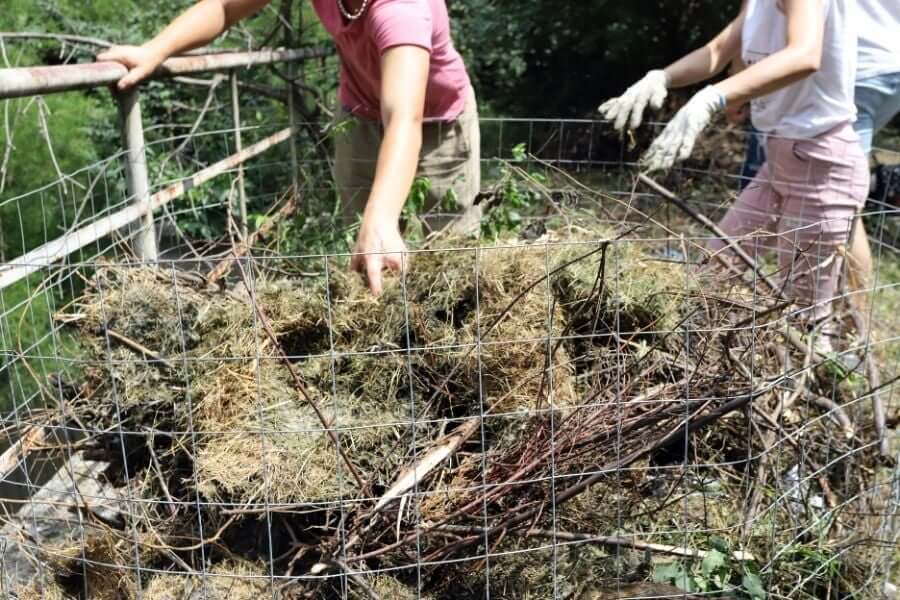
When creating a simple compost bin from wire fencing, careful consideration of its design is essential for ensuring functionality and longevity. A well-designed compost bin not only facilitates efficient composting but also enhances the overall aesthetic of your garden. This section Artikels the steps needed to plan the dimensions of your compost bin, the structural aspects to consider for stability and airflow, and ways to integrate the compost bin aesthetically into your garden environment.
Planning the Dimensions
Determining the right dimensions for your compost bin is fundamental to accommodate the volume of organic waste you expect to process. A typical compost bin constructed from wire fencing should be at least three feet wide, three feet deep, and three feet high. To tailor the size to your needs, consider the following steps:
- Estimate the volume of compostable material you generate weekly. A bin of approximately 3 feet x 3 feet may hold around one cubic yard, which is sufficient for most households.
- Ensure accessibility for turning and maintaining the compost. The bin should allow sufficient space to comfortably manage the composting process.
- Maintain a manageable size to encourage effective decomposition. A bin that is too large may hinder the composting process, while too small a bin may not accommodate your needs.
Structural Considerations for Stability and Airflow
Stability and airflow are crucial components in the design of a compost bin. A well-structured compost bin not only ensures safety but also enhances the breakdown of organic materials. Consider the following aspects for better airflow and stability:
Proper airflow ensures that oxygen reaches the composting materials, facilitating aerobic decomposition.
- Use sturdy wire fencing that can withstand the weight of the compost and environmental elements. Reinforced wire or heavy-duty fencing is ideal for maintaining stability.
- Design the bin with vertical slats or spaces between the wires to allow for adequate air circulation. This design prevents the compost from becoming compacted.
- Consider a reinforced base to prevent sagging. Placing wooden pallets or gravel beneath the bin can provide additional support and enhance drainage.
Aesthetic Integration in the Garden
Integrating your compost bin into the garden environment can create a visually appealing and harmonious landscape. Thoughtful design choices can transform a functional structure into an attractive garden feature.To harmonize your compost bin with the surrounding landscape, consider the following options:
- Paint the wire fencing with weather-resistant paint in colors that complement your garden. Earthy tones or greens can help the bin blend into the natural environment.
- Surround the compost bin with flowering plants or shrubs to soften its appearance. Native plants, in particular, can enhance local biodiversity.
- Incorporate decorative elements such as trellises or climbing plants to create vertical interest and disguise the compost bin.
By thoughtfully planning the dimensions, ensuring structural integrity, and integrating aesthetic elements, your wire fencing compost bin can be a functional and attractive addition to your gardening space.
Constructing the Compost Bin
The construction of a compost bin using wire fencing is a practical and straightforward process that enhances your gardening practices. A well-assembled compost bin not only organizes your composting materials but also ensures efficient decomposition, making it an essential component for any sustainable gardening effort. This section Artikels the steps involved in assembling the wire fencing into a functional compost bin, the methods to secure it, and how to create an access point for easy maintenance.
Assembling the Wire Fencing
Assembling the wire fencing into a compost bin requires careful planning and execution. Begin by cutting the wire fencing to your desired size, keeping in mind that a bin of 3 feet in diameter and 3-4 feet in height is generally effective for composting. Once you have the right dimensions, follow these steps:
1. Shape the Bin
Form the wire fencing into a circular or square shape, ensuring the ends meet closely without significant gaps. This shape will facilitate airflow and aid in the composting process.
2. Secure the Ends
Use zip ties or heavy-duty wire to secure the ends of the fencing together. This method provides a flexible yet strong binding that can withstand the weight of the compost materials.
3. Reinforce the Structure
To enhance stability, insert wooden stakes or rebar into the ground around the perimeter of the wire fencing. This will prevent the bin from collapsing and will keep the structure upright under pressure from decomposing materials.
Securing the Fencing
Securing the wire fencing is crucial for maintaining the integrity of the compost bin. The following methods are effective in reinforcing the structure and preventing collapse or damage during use:
Staking
Place sturdy stakes at regular intervals around the compost bin. Drive them into the ground to provide additional support. The stakes should be at least two feet in length to ensure they are anchored firmly.
Cross Bracing
For larger bins, consider adding cross bracing with additional pieces of wire fencing or wood. This technique prevents the fencing from bowing outward as the compost materials settle and decompose.
Weight Distribution
As you add compost materials, ensure they are evenly distributed within the bin. This balanced approach prevents unequal pressure that could lead to structural failure.
Creating Access Points
An access point is essential for adding new materials and ensuring the compost is adequately turned during the decomposition process. Here’s how to create an efficient access point in your wire fencing compost bin:
1. Cut a Doorway
Leave a section of the wire fencing uncut or create a hinged flap by cutting along one side. This flap should be large enough to allow for easy insertion of compost materials while still being securely attached at one side.
2. Secure the Flap
Use hooks or a latch to secure the flap when it is closed. This will prevent it from swinging open unexpectedly and maintain the bin’s structure while allowing for convenient access.
3. Turning the Compost
When it’s time to turn the compost, simply open the access flap and use a pitchfork or shovel to aerate and mix the materials. This process aids in even decomposition and ensures a properly aerated environment for the microbes that facilitate composting.The successful construction of a compost bin from wire fencing not only contributes to effective waste management but also promotes a healthier garden environment.
Maintaining the Compost Bin

Successful composting requires attention and care, especially when it comes to maintaining the compost bin. This process not only promotes efficient decomposition but also improves the quality of the finished compost. Proper management of moisture, aeration, and temperature, along with recognizing the signs of a healthy compost bin, are vital for producing rich, organic matter that can enhance your garden or landscaping efforts.
Managing Moisture Levels
Moisture is a critical component in the composting process, as it aids in the breakdown of organic materials. It is essential to maintain an appropriate moisture level within the compost bin to ensure that microorganisms can thrive and efficiently decompose the materials.To maintain the right moisture levels, consider the following practices:
- Monitor moisture regularly: The compost should feel like a damp sponge when squeezed, not dripping wet or overly dry.
- Add water if needed: If the compost appears too dry, add a small amount of water, mixing it thoroughly to ensure even distribution.
- Cover during rain: If your compost bin is exposed to heavy rain, consider covering it with a tarp to prevent excess moisture from seeping in.
- Use dry materials: Incorporate dry materials such as straw, shredded leaves, or cardboard to absorb excess moisture if the compost is too wet.
Aerating the Compost and Maintaining Temperature
Aeration plays a significant role in the composting process by providing oxygen to the microbes responsible for decomposition. Proper aeration not only helps in maintaining the compost’s temperature but also prevents foul odors associated with anaerobic conditions.Implement the following methods for effective aeration:
- Turn the compost regularly: Using a pitchfork or compost aerator, turn the compost every few weeks to introduce air and mix materials evenly.
- Create airflow pathways: Ensure that the compost bin has sufficient airflow by leaving gaps in the materials or using a bin with adequate ventilation.
- Monitor temperature: A healthy compost pile should reach temperatures between 130°F to 160°F (54°C to 71°C) during active decomposition. Use a compost thermometer to check regularly.
Signs of a Healthy Compost Bin and Troubleshooting Issues
Understanding the signs of a healthy compost bin is crucial for successful composting. A well-maintained compost bin will exhibit specific characteristics that indicate effective decomposition.Some indicators of a healthy compost bin include:
- Earthy odor: A pleasant, earthy smell signifies that decomposition is proceeding well.
- Dark, crumbly texture: Finished compost should appear dark brown and crumbly, resembling rich soil.
- Temperature fluctuations: A healthy compost pile will experience regular temperature changes as materials break down.
If you encounter common issues, such as foul odors or the presence of pests, consider the following troubleshooting tips:
- Add more browns: If the compost smells unpleasant, it may be too wet or imbalanced. Introduce more carbon-rich materials (browns) to restore balance.
- Increase aeration: If the compost is compacted, turn it more frequently to improve airflow and promote aerobic decomposition.
- Manage pest attraction: Ensure that the compost consists of acceptable materials and avoid adding meat or dairy products, which can attract pests.
Harvesting and Using the Compost
The process of harvesting and utilizing compost is a rewarding step in the journey of sustainable gardening. Recognizing when your compost is ready for use enhances the value of your gardening efforts and promotes healthy plant growth. The transformation from organic waste to nutrient-rich compost requires careful observation and understanding of the signs indicating readiness.Determining when compost is ready involves looking for specific characteristics that indicate the decomposition process is complete.
A well-prepared compost will have a dark brown color, an earthy smell, and a crumbly texture. The original materials should no longer be identifiable, indicating that they have broken down sufficiently. The ideal compost is generally ready after three to six months, depending on factors such as the materials used, moisture levels, and temperature.
Guidelines for Sifting and Storing Finished Compost
Proper sifting and storage of compost ensures that it remains in optimal condition for future use. Before applying compost to your garden, it is essential to sift out any larger, undecomposed materials. This process aids in achieving a uniform texture and enhances the overall quality of the compost.When sifting compost, utilize a screen or mesh that allows finer particles to pass through while retaining larger fragments.
Here are recommended steps for sifting and storing finished compost:
- Ensure the compost is dry and crumbly before sifting to prevent clumping.
- Use a garden fork or shovel to scoop the compost onto the screen.
- Gently shake or tap the screen to allow finer materials to fall through.
- Collect the sifted compost into clean, dry storage containers, preferably made of breathable materials such as burlap or cardboard.
For storage, choose a cool, dry place that protects the compost from moisture and pests. Avoid plastic bags, as they can create an anaerobic environment that may lead to further decomposition. Ensure that the storage containers are labeled for easy identification.
Incorporating Compost into Garden Soil or Potted Plants
Incorporating compost into your gardening practices nourishes the soil and enhances plant health. Compost enriches soil structure, improves moisture retention, and supplies essential nutrients, leading to robust plant growth.When applying compost to garden soil, consider the following best practices:
- Mix compost into the top 6 to 12 inches of garden soil to ensure even distribution of nutrients.
- For established plants, create a thin layer of compost around the base, taking care not to disturb the roots.
- In potted plants, blend compost with potting soil at a ratio of 1:3 or 1:4 to prevent over-fertilization.
For direct planting using compost, create planting holes and fill them with compost before placing seedlings or seeds. This method provides immediate access to nutrients and can improve seed germination rates.Utilizing compost in your gardening practices not only supports sustainable agriculture but also enhances the overall health of your garden, paving the way for a flourishing ecosystem.
Creative Uses for Wire Fencing Beyond Composting
Wire fencing is not only an excellent material for creating compost bins but also offers a plethora of creative gardening applications. By repurposing wire fencing, gardeners can enhance their landscape, support plant growth, and contribute to an eco-friendly environment. This section explores innovative ways to utilize wire fencing in various gardening projects, providing functional and aesthetic enhancements to outdoor spaces.
Gardening Projects Utilizing Wire Fencing
Wire fencing can serve multiple purposes in a garden setting. Its versatility allows it to be transformed into functional structures and decorative elements, which can significantly improve garden aesthetics while serving vital roles. Below are some creative gardening projects that can efficiently utilize wire fencing:
- Plant Supports: Wire fencing can be shaped into trellises or support structures for climbing plants such as peas, beans, and tomatoes. This not only aids plant growth by keeping them upright but also maximizes vertical space in small gardens.
- Garden Borders: Create attractive borders around garden beds or pathways using wire fencing. This helps define spaces and can even deter small animals from entering the beds.
- Vertical Gardens: Use sections of wire fencing to create a vertical garden by attaching pots or soil-filled pockets. This is particularly beneficial in urban gardens where ground space is limited.
- Enclosures for Small Animals: Construct a secure area for pets or small animals using sturdy wire fencing. This allows for safe outdoor time while protecting them from potential predators.
- Artistic Features: Wire fencing can also be integrated into artistic installations, such as sculptures or decorative arches. By weaving in flowers or greenery, these installations can become stunning focal points in the garden.
Plant Support and Decorative Features
Using wire fencing for plant support and as decorative elements can significantly enhance the overall look of a garden. Its adaptability allows for various designs that can blend functionality with beauty. Here are some ways to implement wire fencing for these purposes:
- Wire Trellis: Create a simple and effective trellis by bending sections of wire fencing into an A-frame or vertical design. This structure can support flowering vines or heavy fruit-bearing plants, adding height and visual interest to the garden.
- Hanging Planters: Attach hanging planters to sections of wire fencing to create a cascading effect. This not only saves ground space but also adds layers of color and texture to the garden.
- Garden Arches: Form arches with sturdy wire fencing to create enchanting entryways or pathways. These can be draped with climbing plants such as wisteria or roses, making a beautiful entrance to garden areas.
Upcycling Leftover Materials from the Compost Bin Project
After constructing a compost bin from wire fencing, there may be leftover materials that can be creatively upcycled. Fostering a zero-waste approach, gardeners can make use of these remnants through various projects, ensuring that no materials go to waste.
- Garden Art: Pieces of wire fencing can be cut and shaped into whimsical garden art, such as decorative flowers or abstract sculptures, adding a personal touch to the landscape.
- Plant Supports: Smaller sections of wire can be repurposed into stakes or supports for delicate plants, ensuring they remain upright and healthy as they grow.
- Compost Sifters: Utilize leftover wire mesh to create a sifter for compost, allowing gardeners to separate fine compost from larger debris for better soil amendment.
- Climbing Frames for Vegetables: Create additional support structures for vegetable plants by cutting and assembling leftover wire fencing into frames, which can be placed throughout the garden.
Final Conclusion
In conclusion, embarking on the journey of constructing your own compost bin from wire fencing not only enhances your gardening experience but also promotes environmental responsibility. With the knowledge gained from this guide, you are now equipped to create an efficient composting system that nurtures your plants and reduces waste. Embrace the creativity involved in this project and consider the many ways wire fencing can serve you beyond composting, contributing to a more sustainable gardening practice.