How to Make Nutrient-Rich Compost Tea for Your Plants serves as an essential guide for gardeners aspiring to enrich their plants with organic nutrients. Compost tea, a liquid produced by steeping compost in water, is celebrated for its ability to enhance soil health and promote vigorous plant growth. This nutrient-packed elixir not only provides a natural alternative to chemical fertilizers but also boosts disease resistance in plants, making it a valuable addition to any gardening practice.
This informative guide will delve into the various ingredients needed to brew nutrient-rich compost tea, the methods of preparation, and the optimal conditions for brewing. By understanding the science behind compost tea, gardeners can make informed choices that foster a thriving garden ecosystem.
Introduction to Compost Tea
Compost tea is a nutrient-rich liquid created by steeping compost in water, allowing beneficial microorganisms and nutrients to be extracted and made available for plant uptake. This natural fertilizer not only enhances soil health but also promotes vigorous plant growth by providing essential nutrients in a form that plants can easily absorb. Utilizing compost tea in gardening and agriculture has gained popularity due to its effectiveness in improving plant resilience, health, and overall yield.The primary ingredients for making compost tea include high-quality, well-aged compost, water, and, optionally, additional organic materials such as molasses or seaweed.
The compost serves as the primary nutrient source, while the water acts as a solvent to extract soluble nutrients and beneficial microbes. Optionally adding molasses or seaweed can further enhance the microbial activity and nutrient profile of the tea, providing a more comprehensive feeding solution for your plants.
Differences Between Compost Tea and Regular Fertilizer
Understanding the distinctions between compost tea and conventional fertilizers is crucial for optimizing plant growth and soil health. While both aim to nourish plants, their composition and mode of action differ significantly.Compost tea is a biological product that introduces beneficial microorganisms into the soil ecosystem. These microorganisms play a vital role in breaking down organic matter, improving soil structure, and enhancing nutrient availability.
In contrast, regular fertilizers often contain synthetic or chemical nutrients that may quickly boost plant growth but can lead to soil degradation and a decline in microbial diversity over time.The following points highlight the key differences between compost tea and regular fertilizer:
- Nutrient Availability: Compost tea provides nutrients in a slow-releasing form accompanied by beneficial microorganisms, while regular fertilizers often deliver nutrients rapidly but may not promote soil health.
- Soil Health: Compost tea improves soil structure and enhances microbial biodiversity, whereas synthetic fertilizers can lead to nutrient leaching and soil compaction.
- Environmental Impact: Compost tea is an eco-friendly alternative that reduces the need for chemical inputs, whereas regular fertilizers can contribute to water pollution and other environmental issues.
- Application: Compost tea can be applied as a foliar spray or soil drench, facilitating better nutrient uptake, while regular fertilizers are typically applied directly to the soil with less consideration for natural soil ecology.
“Compost tea not only nourishes plants but also revitalizes the soil, creating a thriving ecosystem for optimal growth.”
Benefits of Nutrient-Rich Compost Tea
Compost tea offers a variety of benefits that enhance both soil health and plant vitality. By utilizing organic materials, this natural fertilizer not only nourishes plants but also promotes a thriving ecosystem within the soil. Understanding the advantages of compost tea can help gardeners make informed decisions regarding their cultivation practices.One of the primary benefits of compost tea is its ability to improve soil health.
By introducing beneficial microorganisms, compost tea fosters a balanced soil ecosystem. This microbial activity enhances nutrient availability and aids in the breakdown of organic matter, promoting soil structure and aeration. Moreover, healthy soil is more resilient to erosion and compaction, creating a more suitable environment for root development and overall plant health.
Impact on Plant Growth and Disease Resistance
The relationship between compost tea and plant growth is profound, as it provides essential nutrients that are crucial for robust development. Key benefits include:
- Enhanced Growth Rates: Nutrient-rich compost tea contributes to faster growth rates in plants by delivering a balanced supply of nitrogen, phosphorus, and potassium, which are vital for various physiological processes.
- Improved Nutrient Uptake: The presence of beneficial microorganisms in compost tea enhances the bioavailability of nutrients in the soil, allowing plants to absorb them more efficiently.
- Increased Disease Resistance: Compost tea can bolster a plant’s natural defenses against diseases. The microorganisms help suppress harmful pathogens and promote beneficial ones, resulting in healthier plants.
Nutrients Found in Compost Tea and Their Roles
Compost tea contains a range of essential nutrients that contribute to the overall health of plants. Understanding these nutrients and their roles is crucial for harnessing the full potential of compost tea:
- Nitrogen: Vital for leaf and stem growth, nitrogen plays a central role in photosynthesis and overall plant vigor.
- Phosphorus: Important for root development and blooming, phosphorus aids in energy transfer within the plant, promoting flowering and fruiting.
- Potassium: Enhances overall plant health, potassium regulates various physiological processes, including water retention and enzyme activation.
- Micronutrients: Elements like iron, manganese, zinc, and copper found in compost tea contribute to enzymatic functions and overall plant metabolism.
The diversity of nutrients in compost tea not only supports plant growth but also plays a crucial role in maintaining soil quality and ecological balance. Through regular application of compost tea, gardeners can cultivate resilient plants that are better equipped to thrive in their environments.
Ingredients for Compost Tea
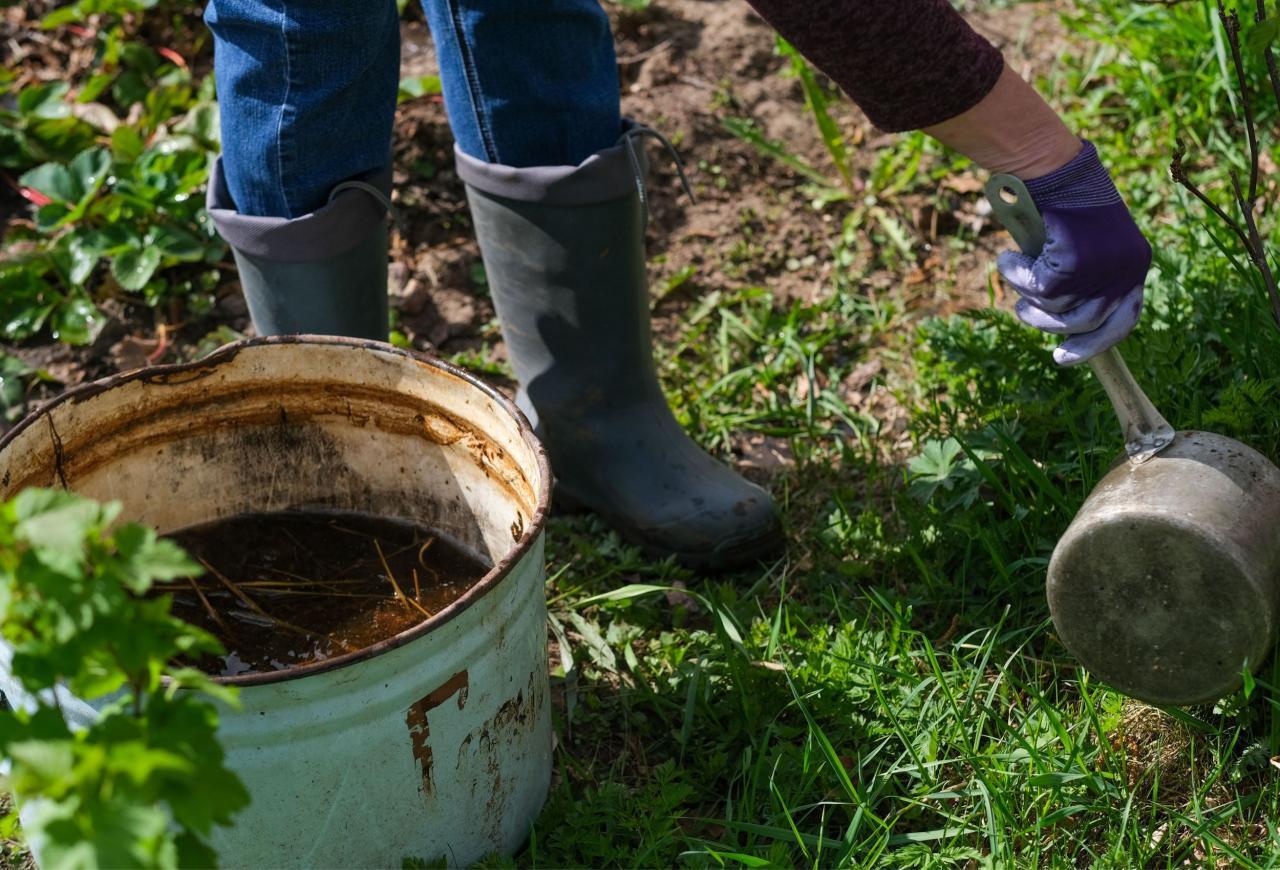
Compost tea is an exceptional liquid fertilizer obtained from steeping compost in water. The quality of compost tea largely depends on the ingredients used during its preparation. Utilizing a carefully selected mix of organic materials can significantly enhance the nutrient profile and microbiological activity of the tea, which ultimately benefits the plants. A diverse range of organic materials can be utilized for making compost tea.
The choice of these materials not only influences the nutrient content but also affects the microbial diversity present in the final product. Below is a list of common organic materials that can be effectively used to create nutrient-rich compost tea.
Common Organic Materials for Compost Tea
The initial selection of ingredients is crucial for producing high-quality compost tea. Utilizing a variety of organic materials ensures a well-rounded nutrient profile. The following ingredients are commonly used in compost tea preparation:
- Finished Compost: The foundation of compost tea, finished compost provides essential nutrients and beneficial microorganisms.
- Worm Castings: Rich in nutrients and beneficial microbes, worm castings enhance the tea’s fertility.
- Seaweed Extract: A natural source of micronutrients and growth hormones that promote plant health.
- Fish Emulsion: Provides a high nitrogen content, ideal for promoting leafy growth.
- Bone Meal: A slow-release source of phosphorus, essential for root and flower development.
- Molasses: Acts as a food source for beneficial bacteria, enhancing microbial activity in the tea.
The importance of using high-quality compost cannot be overstated. High-quality compost is mature, well-aerated, and has a balanced carbon-to-nitrogen ratio. Such compost is teeming with beneficial microorganisms that play a pivotal role in plant health. Poor-quality compost may contain pathogens or weed seeds, which can adversely affect plant growth.
Alternative Ingredients to Enhance Nutrient Content
In addition to the common ingredients mentioned, there are several alternative materials that can further elevate the nutrient content of compost tea. Incorporating these ingredients can lead to a more powerful and effective fertilizer.Including the following alternatives can provide additional benefits:
- Comfrey Leaves: Known for their high potassium content, they can enhance flowering and fruiting in plants.
- Nettle Leaves: Rich in nitrogen and vitamins, nettles can stimulate plant growth and improve soil health.
- Horsetail: This plant contains silica, which strengthens plant cell walls and can enhance disease resistance.
- Herbal Tea Bags: Used tea bags from herbal infusions can add various nutrients and beneficial compounds to the compost tea.
- Green Manure: Plants like clover and vetch can be included after being chopped and incorporated into the mixture to provide nitrogen and organic matter.
By carefully selecting and incorporating these high-quality materials, gardeners can create a nutrient-rich compost tea that effectively supports plant health and growth. The variety of ingredients used not only contributes to the nutritional value of the tea but also promotes a vibrant ecosystem in the soil, resulting in thriving plants.
Methods of Making Compost Tea
Compost tea is a nutrient-rich liquid produced by steeping compost in water. There are various methods to create compost tea, each with its own advantages and techniques. Understanding these methods can help gardeners choose the best option for their specific needs and resources.
Brewing Compost Tea Using the Bag Method
The bag method of brewing compost tea is straightforward and effective, making it accessible for gardeners of all skill levels. This method involves creating a ‘tea bag’ with compost that is steeped in water.To brew compost tea using the bag method, follow these steps:
1. Gather Materials
Collect a high-quality compost, a breathable fabric bag (like a tea bag or cheesecloth), and a container for steeping.
2. Prepare the Bag
Fill the fabric bag with 1-2 cups of compost. Ensure that the bag is securely tied to prevent compost from escaping.
3. Add Water
Place the filled bag in a container and pour in 5 gallons of water. Use dechlorinated or aged water for best results.
4. Steep the Bag
Allow the bag to steep in the water for 24-48 hours, stirring occasionally to enhance nutrient extraction.
5. Remove the Bag
After steeping, remove the bag and discard the compost or use it in your garden.
6. Application
Dilute the tea further if necessary and apply it directly to the soil or as a foliar spray on plants.This method is simple and allows for easy removal of the compost, while still delivering a nutrient-rich solution for your plants.
Aerated Compost Tea and Its Advantages
Aerated compost tea (ACT) is another popular method that enhances the microbial content of the tea, making it even more beneficial for plants. This method involves using an air pump to introduce oxygen into the brewing process.The process of making aerated compost tea includes the following steps:
1. Prepare Equipment
Gather a container (5 gallons), an aquarium air pump, air stones, and high-quality compost.
2. Add Compost and Water
Place 1-2 cups of compost in the container and fill it with dechlorinated water.
3. Introduce Aeration
Attach air stones to the air pump and place them at the bottom of the container. Turn on the pump to aerate the mixture.
4. Steep for 24-48 Hours
Allow the mixture to aerate for 24-48 hours, ensuring the compost is well-dispersed and oxygenated.
5. Strain the Tea
After aerating, strain the liquid to separate it from the compost solids.
6. Apply to Plants
Use the aerated compost tea as a soil drench or foliar spray to promote healthy plant growth.The primary advantage of aerated compost tea is the increase in beneficial aerobic microorganisms, which can help suppress disease and improve soil structure.
Using Different Brewing Equipment to Make Compost Tea
Various brewing equipment can enhance the efficiency and quality of compost tea production. Here are some commonly used tools:
Compost Tea Brewer
These devices are specifically designed for brewing compost tea and often include air pumps and filtration systems. They can produce larger quantities and better aeration, resulting in higher microbial activity.
Buckets with Air Stones
Simple buckets equipped with air stones can create a cost-effective brewing setup. This method is suitable for small quantities and can be easily managed in a home garden.
Large Containers or IBC Totes
For those looking to brew larger batches of compost tea, using large containers or Intermediate Bulk Containers (IBCs) allows for substantial production. This is ideal for community gardens or larger landscaping projects.Using appropriate brewing equipment can optimize the quality of compost tea, ensuring a nutrient-rich solution that promotes plant growth and enhances soil health.
“High-quality compost tea can significantly improve soil fertility and promote plant vitality.”
Brewing Time and Conditions

The brewing process is a crucial step in creating nutrient-rich compost tea, as it significantly impacts the quality and potency of the final product. By understanding the optimal brewing time and conditions, gardeners can ensure that they extract the maximum nutrients from the compost, resulting in beneficial tea for their plants.The ideal brewing time for compost tea generally ranges from 24 to 48 hours.
This duration allows for effective extraction of nutrients and beneficial microorganisms from the compost. Brewing for too short a time may not yield a potent mixture, while excessive brewing can lead to anaerobic conditions that produce undesirable odors and harmful pathogens.
Optimal Temperature and Environmental Conditions
Temperature plays a pivotal role in the brewing of compost tea. The ideal brewing temperature is between 65°F to 75°F (18°C to 24°C). Within this range, the beneficial microorganisms can thrive and multiply, leading to a more robust tea. Lower temperatures can slow down microbial activity, while higher temperatures may kill off beneficial organisms.Environmental conditions are equally important. A well-ventilated brewing area will allow for adequate oxygen supply, which is essential for aerobic microbes.
Stagnant air can create an environment conducive to anaerobic bacteria, which can negatively affect the quality of the compost tea.For successful monitoring of the brewing process, consider the following indicators:
- Smell: A pleasant earthy aroma indicates healthy microbial activity, while foul odors may suggest anaerobic conditions.
- Foaming: The presence of foam on the surface is a good sign of active microbial populations.
- Temperature Checks: Regularly monitor the temperature to ensure it remains within the optimal range. Adjust the brewing environment if necessary.
- Aeration: Frequent stirring or using an air pump can enhance oxygenation, further promoting the growth of beneficial microorganisms.
The brewing process is completed when the tea reaches a balanced smell and appearance, which typically indicates that the nutrients and beneficial microbes are ready to be utilized in the garden.
How to Apply Compost Tea
Applying compost tea effectively can significantly enhance the health and vitality of your plants. This nutrient-rich liquid not only provides essential nutrients but also encourages beneficial microbial activity in the soil. Understanding the best methods, timing, and precautions associated with compost tea application is crucial for maximizing its benefits.There are various methods for applying compost tea to different types of plants, whether they are in containers, garden beds, or landscapes.
Each method can optimize nutrient absorption and contribute to overall plant health. The techniques include drenching the soil, foliar spraying, and utilizing it in hydroponic systems.
Methods of Application
The application method chosen can depend on the type of plant, growth stage, and environmental conditions. Below are effective methods for applying compost tea:
- Soil Drenching: Pouring compost tea directly onto the soil allows roots to absorb nutrients efficiently. This method is best used at the base of plants during watering, ensuring even distribution.
- Foliar Spraying: Spray compost tea onto the leaves, which enables plants to absorb nutrients through their foliage. This method is particularly beneficial during growth spurts or when plants show signs of nutrient deficiency.
- Hydroponic Systems: Incorporate compost tea into hydroponic solutions to enrich nutrient profiles, especially for fast-growing plants. Ensure proper filtration to avoid clogging systems.
To achieve the best results from compost tea applications, timing and frequency are essential considerations.
Frequency and Timing of Applications
Regular applications of compost tea can substantially benefit plants. The following recommendations Artikel the optimal frequency and timing:
- Apply compost tea every 2 to 4 weeks during the growing season for established plants. This schedule helps maintain nutrient levels and soil health.
- For seedlings and young plants, a diluted application every 1 to 2 weeks can promote faster growth and resilience.
- It’s best to apply compost tea in the early morning or late afternoon to prevent evaporation and enhance absorption.
Precautions are necessary when using compost tea, particularly for sensitive plants.
Precautions for Sensitive Plants
Certain plants may react negatively to compost tea, necessitating careful consideration during application.
- Dilution: For sensitive species, always dilute compost tea to reduce the concentration of nutrients and prevent potential leaf burn.
- Test Application: Conduct a patch test by applying compost tea to a small area to monitor for adverse reactions before widespread use.
- Opt for Quality Ingredients: Ensure that the compost used to make the tea is free from contaminants, such as pathogens or harmful chemicals, which could harm sensitive plants.
By following these guidelines for applying compost tea, gardeners can effectively nourish their plants while minimizing potential risks, leading to flourishing gardens and thriving crops.
Troubleshooting Common Issues
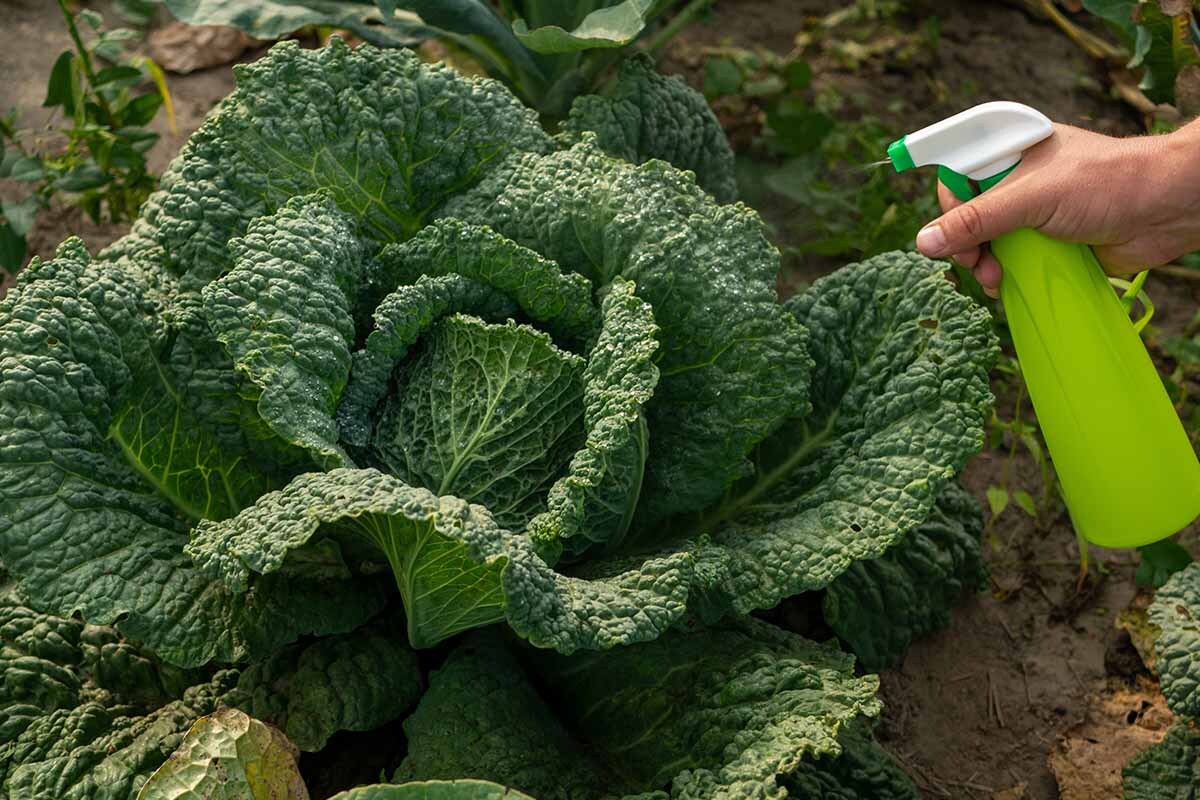
When brewing compost tea, several common issues may arise that can affect both the quality of the tea and its benefits to your plants. Understanding these challenges and their solutions can help you create a more effective compost tea that promotes healthy plant growth. Below are some of the most frequently encountered problems and their corresponding solutions, along with guidelines for assessing the quality of your compost tea before application.
Odor Concerns
A strong, unpleasant odor during the brewing process can indicate problems with anaerobic conditions or the quality of the compost used. To address this issue, ensure that the brewing environment has sufficient aeration, as lack of oxygen can lead to the growth of harmful bacteria that produce foul-smelling gases.
- Use a well-aerated brewing system, such as an aquarium pump, to maintain oxygen levels.
- Check the quality of the compost; it should be mature, well-cured, and free of pathogens.
- If odors persist, consider adding molasses or sugar to promote the growth of beneficial bacteria that help neutralize bad smells.
Unwanted Microbial Growth
Sometimes, undesirable microbial growth, such as mold or excessive algae, can occur during brewing. This can be a sign of over-fertilization or stagnant water. To mitigate these issues, it is crucial to monitor the brewing conditions closely.
- Keep the brewing temperature between 65°F and 75°F (18°C to 24°C) to favor beneficial microorganisms.
- Avoid using compost that contains high levels of nitrogen or fresh materials, which can lead to excessive microbial activity.
- Regularly stir the tea to prevent stagnant conditions and encourage a diverse microbial community.
Assessing Quality Before Application
Evaluating the quality of compost tea prior to application is essential for ensuring its effectiveness. High-quality compost tea should have a pleasant, earthy smell and should not show signs of undesirable growth.
- Perform a visual inspection: the tea should appear dark brown and opaque, indicating a good concentration of nutrients.
- Conduct a smell test: a pleasant, earthy aroma is a positive indicator, while a strong odor suggests issues with fermentation.
- Check for sediment: some sediment is normal, but excessive sediment may indicate poor quality compost or anaerobic brewing conditions.
Regular monitoring and adjustment of brewing conditions can significantly enhance the quality and efficacy of your compost tea, ensuring that your plants receive the nutrients they need to thrive.
Comparison with Other Fertilizers
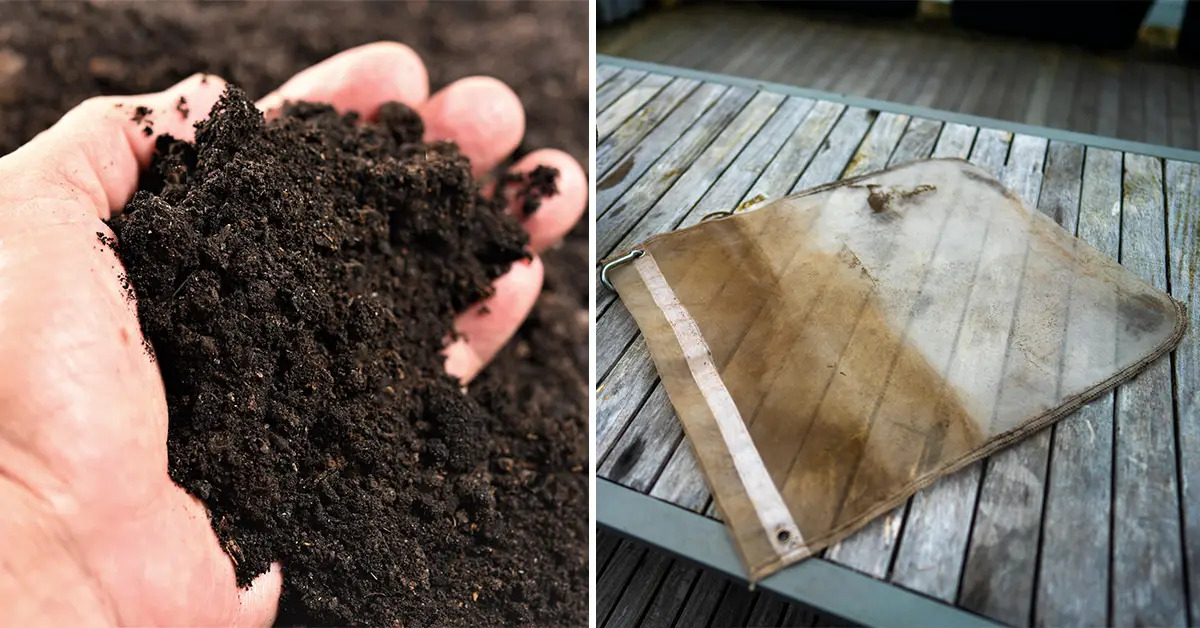
The evaluation of compost tea compared to other fertilizers, particularly synthetic options, provides essential insights into its effectiveness, environmental impact, and cost efficiency. Understanding these differences can guide gardeners and farmers in making informed decisions about their fertilization practices.
Nutrient Profiles of Compost Tea and Synthetic Fertilizers
Compost tea is distinguished from synthetic fertilizers primarily by its nutrient composition and availability. Compost tea typically contains a balanced mixture of macro and micronutrients, including nitrogen, phosphorus, potassium, and essential trace elements. The nutrients in compost tea are often in a form that is more readily available to plants, enhancing absorption and utilization.In contrast, synthetic fertilizers are usually high in specific nutrients, designed for immediate plant uptake.
For instance, a common synthetic fertilizer may have an NPK (Nitrogen-Phosphorus-Potassium) ratio of 20-20-20, delivering a concentrated dose of nutrients. However, these fertilizers can lead to nutrient leaching, potentially harming water quality. A detailed comparison of nutrient profiles reveals the following:
- Compost Tea: Contains beneficial microorganisms, organic matter, and a wide range of nutrients that promote soil health.
- Synthetic Fertilizers: Provide targeted nutrients but lack organic matter and beneficial microbes.
Environmental Impact of Compost Tea Versus Commercial Fertilizers
The environmental implications of using compost tea over commercial fertilizers are significant. Compost tea contributes to soil health by enhancing microbial activity, thus fostering a more sustainable ecosystem. Additionally, it reduces the risk of runoff and soil degradation, protecting waterways from nutrient pollution.Conversely, synthetic fertilizers often contribute to environmental issues such as:
- Nutrient Runoff: Excess nutrients can leach into water bodies, causing algal blooms and harming aquatic life.
- Soil Degradation: Long-term use can weaken soil structure and biodiversity, leading to reduced fertility over time.
Cost-Effectiveness and Sustainability Aspects of Compost Tea
When assessing cost-effectiveness, compost tea stands out as an economical option for many gardeners and farmers. The ingredients for compost tea, typically derived from kitchen scraps and yard waste, are often readily available and inexpensive. Additionally, the sustainability of compost tea is evident in several aspects:
- Reduced Waste: Compost tea production utilizes organic waste, diverting it from landfills.
- Long-Term Soil Health: Regular application improves soil structure and nutrient-holding capacity, potentially decreasing the need for fertilizers over time.
- Economical in the Long Run: While initial setup costs may vary, the reduction in chemical inputs over time often leads to overall savings.
The combination of these factors emphasizes the potential advantages of incorporating compost tea into a fertilization regimen, promoting both environmental stewardship and economic efficiency.
Advanced Techniques for Enhancing Compost Tea
Creating nutrient-rich compost tea can be further optimized with advanced techniques that enhance its microbial content and overall effectiveness. By employing specific methods and additives, gardeners can significantly improve the quality of their compost tea, ultimately benefiting plant growth and soil health. These advanced strategies allow for a more tailored approach, making it possible to meet the unique needs of different plants and gardening conditions.
Methods to Boost Microbial Content in Compost Tea
Enhancing the microbial population in compost tea is crucial for maximizing its benefits. The following methods can be employed to increase the diversity and activity of beneficial microbes in your brew:
- Inoculation with Effective Microorganisms (EM): Adding a commercial EM solution can help introduce a wider range of beneficial bacteria and fungi, accelerating the microbial growth within the tea.
- Use of Molasses: Incorporating unsulfured molasses provides a readily available food source for microbes, promoting rapid growth and activity.
- Adding Aeration: Increasing oxygen levels during the brewing process through airstones or pumps encourages aerobic microbial growth, which is more beneficial than anaerobic bacteria.
- Introducing Worm Castings: Incorporating a small quantity of worm castings can introduce a rich microbial community and enhance the nutrient content of the tea.
Recipes for Nutrient-Enhancing Additives
To further enrich compost tea, specific nutrient-enhancing additives can be mixed in during the brewing process. These additives can provide additional minerals and aid in the enhancement of microbial activity:
- Seaweed Extract: Adding liquid seaweed or kelp extract supplies essential trace minerals and growth hormones, promoting overall plant health.
- Fish Emulsion: A small amount of fish emulsion mixed into the tea can introduce nitrogen and other vital nutrients, supporting robust plant growth.
- Rock Dust: Incorporating rock dust into the compost tea adds a variety of trace minerals, helping to improve soil structure and plant vitality.
- Mushroom Compost: Including mushroom compost can enhance the microbial diversity and nutrient profile of the tea, providing a balanced mix of nutrients for plants.
Techniques for Experimenting with Different Brewing Methods
Experimentation with various brewing methods can yield different results in compost tea quality and efficacy. Consider the following techniques:
- Temperature Control: Brewing compost tea at different temperatures can influence microbial activity. Warmer temperatures may accelerate growth, while cooler conditions can preserve beneficial microorganisms.
- Brewing Duration: Adjusting the brewing time can significantly affect the nutrient extraction from the compost. Shorter brewing times tend to yield a tea rich in soluble nutrients, while longer brewing can enhance microbial content.
- Container Selection: Experimenting with different brewing containers, such as aerated buckets or sealed jars, can alter oxygen levels and microbial growth, affecting the final product.
- pH Adjustments: Monitoring and adjusting the pH of the brew can create an optimal environment for the desired microorganisms, ensuring a balanced and effective compost tea.
Final Thoughts
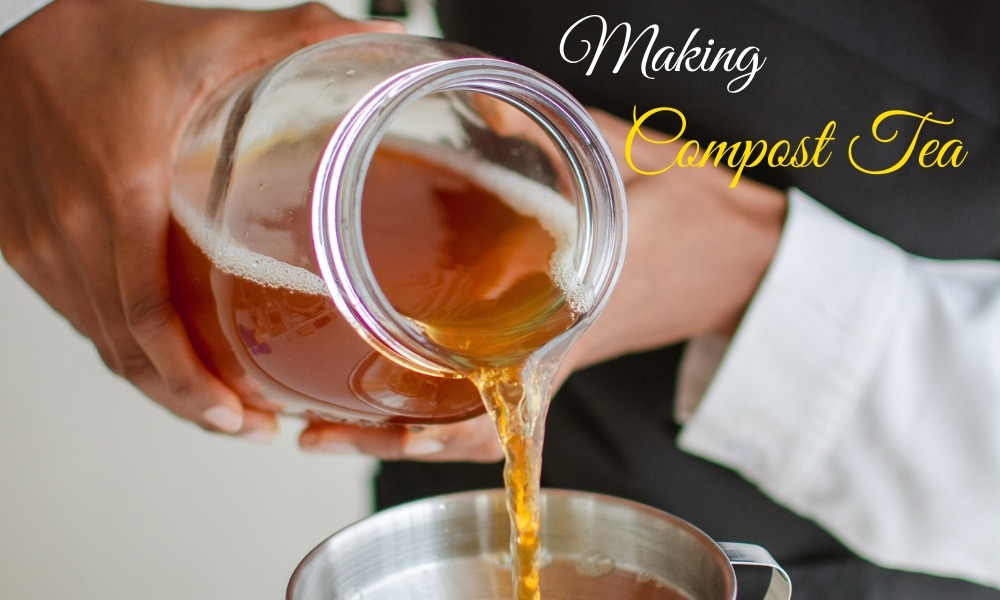
In conclusion, mastering the art of making nutrient-rich compost tea is a rewarding endeavor for any gardener dedicated to sustainable practices. With its unparalleled benefits for soil health and plant vitality, compost tea stands out as a natural solution that promotes growth while minimizing environmental impact. By following the methods Artikeld and experimenting with different ingredients, you can unlock the full potential of your garden, ensuring it flourishes for years to come.