How to Make the Most of Fall Leaves for Composting invites you to explore the transformative potential of autumn foliage in your garden. Composting leaves not only champions sustainability but also enriches soil health, creating a thriving environment for plants. With the proper techniques and knowledge, you can turn seasonal waste into a valuable resource, contributing to a healthier ecosystem while reducing landfill waste.
This guide will delve into the significance of composting fall leaves, the types of leaves best suited for this process, and the essential steps required to prepare them. Additionally, we will explore the intricate balance of carbon and nitrogen that is vital for effective composting, various methods to compost leaves, and troubleshooting common issues you may encounter. By the end of this article, you will be equipped with the knowledge to make the most of your fall leaves, enhancing your gardening endeavors.
Importance of Composting Fall Leaves

Composting fall leaves is more than just a practical gardening task; it is an environmentally responsible action that can significantly benefit nature. As leaves fall and create a colorful carpet across lawns and parks, their composting transforms them from waste into a valuable resource. By understanding the importance of this process, individuals can contribute positively to their ecosystems while enhancing their gardening efforts.Composting leaves provides numerous environmental benefits, including the reduction of landfill waste and the enhancement of soil health.
When leaves are composted, they decompose and release vital nutrients back into the soil, promoting plant growth and biodiversity. This process not only enriches the soil but also reduces reliance on chemical fertilizers that can harm the environment.
Environmental Benefits of Composting Leaves
Composting leaves contributes significantly to waste reduction and environmental sustainability. The following points highlight the positive impact of composting fall leaves:
- Reduction of Landfill Waste: According to the Environmental Protection Agency (EPA), yard debris, including leaves, constitutes approximately 13% of the municipal solid waste stream. Composting this organic matter diverts it from landfills, effectively minimizing waste.
- Nutrient-Rich Soil Amendment: Composting transforms leaves into a rich, organic amendment that improves soil structure, aeration, and water retention. This enhances the soil’s ability to support plant life, creating a healthier ecosystem.
- Carbon Sequestration: Composting is a process that captures carbon from the atmosphere. By composting leaves, carbon is locked into the soil rather than released as greenhouse gases, contributing to climate change mitigation.
- Support for Biodiversity: Healthy compost supports beneficial microorganisms and insects in the soil, fostering a thriving ecosystem that is essential for sustainable gardening and farming practices.
Composting fall leaves not only reduces waste but also enriches our soil and supports a healthier planet.
Impact on Soil Health
The decomposition of leaves during composting creates a rich habitat for microorganisms and earthworms, which aids in soil health. Compost made from leaves enhances the physical, chemical, and biological aspects of the soil.
- Improved Soil Texture: Compost helps in breaking up heavy clay and sandy soils, resulting in improved drainage and aeration, which are crucial for root development.
- Enhanced Nutrient Availability: As leaves decompose, they release essential nutrients like nitrogen, phosphorus, and potassium, which are vital for plant growth. This nutrient availability leads to healthier, more productive gardens.
- pH Balance: Composting can help maintain neutral soil pH levels, which is essential for optimal nutrient absorption by plants, promoting better crop yields.
- Soil Microbial Activity: The presence of diverse organic matter in compost stimulates microbial activity, which is pivotal in nutrient cycling and soil health.
In essence, by composting fall leaves, individuals not only manage waste efficiently but also contribute to the creation of nutrient-dense soil that benefits plants, ecosystems, and the environment at large.
Types of Leaves Suitable for Composting
The selection of leaves for composting plays a critical role in the overall efficiency and effectiveness of the composting process. Different types of leaves vary in their decomposition rates and nutrient content, which can significantly influence the quality of the final compost. Understanding these variations allows composters to optimize their leaf collection for better results.Certain leaves are particularly well-suited for composting due to their rapid breakdown and beneficial nutrient profiles.
The following types of leaves can be effectively utilized in composting, categorized by their decomposition speed and nutrient content.
Leaves That Break Down Faster
The rate at which leaves decompose can impact composting timelines. Leaves that break down quickly generally provide a rich source of nutrients for the compost. The following list details species of leaves that are known for their quick decomposition:
- Maple Leaves: High in nitrogen, these leaves decompose rapidly, making them an excellent choice for compost.
- Oak Leaves: While they take longer to break down compared to others, shredded oak leaves can add valuable nutrients.
- Birch Leaves: These leaves are light and thin, promoting faster decomposition.
- Poplar Leaves: Known for their high moisture content, they break down quickly in compost piles.
Nutrient Content of Different Leaves
The nutrient content of leaves varies significantly by species, influencing the effectiveness of the compost. Leaves offer essential elements such as nitrogen, phosphorus, and potassium, which are vital for soil health. Below is a comparative overview of the nutrient content in commonly composted leaves:
| Type of Leaf | Nitrogen (% dry weight) | Carbon (% dry weight) | Other Nutrients |
|---|---|---|---|
| Maple | 1.6 | 43 | Rich in micronutrients |
| Oak | 0.5 | 58 | Good source of calcium |
| Birch | 1.8 | 45 | Contains potassium and magnesium |
| Poplar | 1.0 | 40 | Low in acid |
This table demonstrates that maple and birch leaves are especially beneficial for compost due to their higher nitrogen content, which aids microbial activity and accelerates decomposition.
Best Practices for Collecting Leaves for Compost
Collecting leaves for compost involves several best practices to ensure quality and efficiency. Proper collection can enhance the composting process and result in superior compost. Here are recommended strategies for collecting leaves:
- Timing: Collect leaves during dry weather when they are easier to rake and gather, as damp leaves can clump and decompose unevenly.
- Shredding: Shred leaves prior to composting to increase surface area, promoting faster breakdown and better aeration in the compost pile.
- Avoid Contaminated Leaves: Ensure that collected leaves are free from pesticides, herbicides, or any signs of disease, which can adversely affect the compost.
- Mix with Other Materials: Combine leaves with green materials, such as kitchen scraps or grass clippings, to balance carbon-to-nitrogen ratios for optimal composting.
By adhering to these best practices, composter enthusiasts can maximize the benefits of fallen leaves, ensuring a productive and nutrient-rich composting experience.
Preparing Leaves for Composting
Incorporating fall leaves into your composting routine can significantly enhance nutrient content while reducing waste. Proper preparation of these leaves is crucial to ensure efficient composting and to expedite the decomposition process. This section will discuss the necessary steps for shredding leaves, methods to ensure their dryness, and the tools and equipment required for effective preparation.
Steps for Shredding Leaves
Shredding leaves is an essential step in the composting process. It increases the surface area of the leaves, allowing microorganisms to break them down more rapidly. Larger, whole leaves can form dense layers in a compost pile, which can hinder airflow and slow decomposition. To shred leaves effectively, follow these steps:
1. Gather the Leaves
Collect leaves from your yard, ensuring they are free from any chemical treatments.
2. Choose a Shredding Method
You can shred leaves using various methods:
A lawn mower with a bag attachment effectively shreds and collects leaves simultaneously.
A leaf shredder or mulcher designed specifically for this task provides uniform shredding.
Manual shredding with garden shears can be done for smaller quantities but may be labor-intensive.
3. Spread the Shredded Leaves
Once shredded, spread the leaves out to allow any residual moisture to evaporate, preparing them for the compost pile.
Ensuring Leaves are Dry Before Composting
Moisture content is a vital factor in composting. Leaves that are too wet can lead to anaerobic conditions, which produce foul odors and slow down the decomposition process. Ensuring leaves are sufficiently dry can be achieved through the following methods:
Sun Drying
Spread leaves in a thin layer on a tarp or a flat surface under direct sunlight for several hours. Sunlight will help evaporate excess moisture effectively.
Air Drying
If sun exposure is limited, place leaves in a well-ventilated area to air dry. This can take a few days but is effective in achieving the desired dryness.
Mixing in a Dry Environment
If you are composting in a humid climate, consider mixing leaves with dry materials such as straw or shredded paper to absorb moisture.
Tools and Equipment for Preparation
Having the right tools can make the process of preparing leaves for composting easier and more efficient. Below is a list of essential tools and equipment:To facilitate the effective preparation of leaves for composting, consider gathering the following tools:
- Lawn Mower: Ideal for shredding leaves quickly and efficiently.
- Leaf Shredder: Provides uniform shredding, ensuring faster decomposition.
- Garden Shears: Useful for manually shredding smaller amounts of leaves.
- Tarp: Helps collect and spread leaves for drying.
- Compost Bin: A designated space for storing and mixing compost materials.
- Rake: Essential for gathering leaves from your yard.
- Gloves: Protect your hands while handling leaves and other compost materials.
By following these preparation steps and utilizing the right tools, you will enhance the composting process, leading to rich, organic compost for your garden.
Balancing Carbon and Nitrogen in Compost
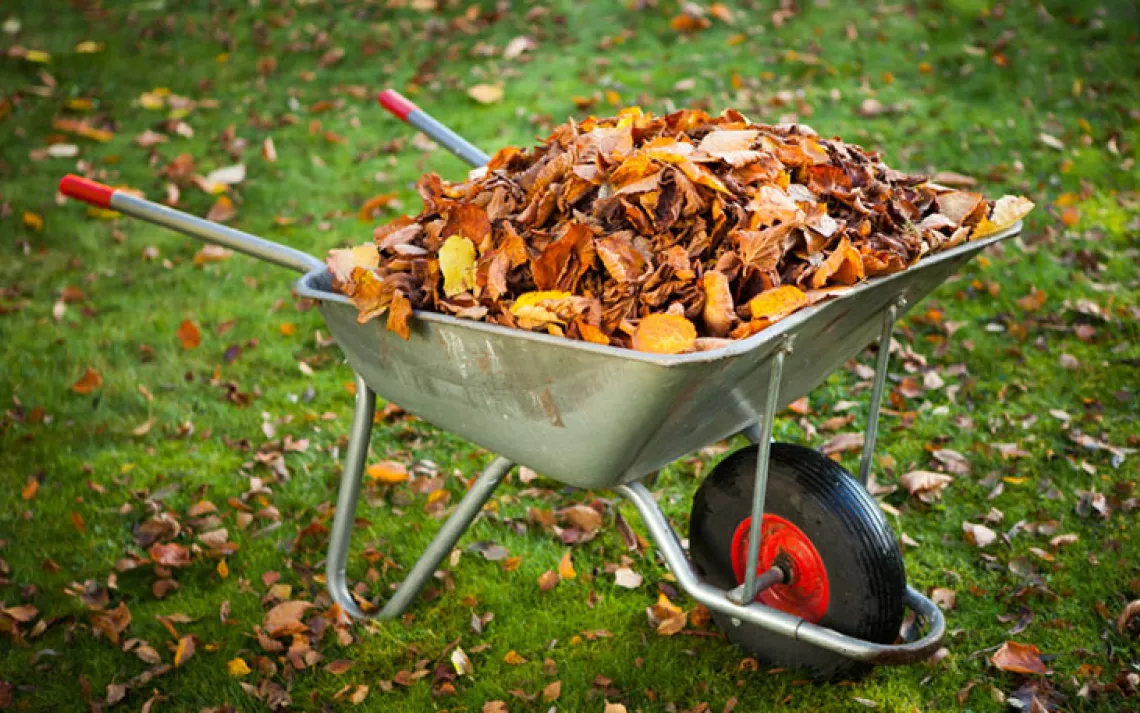
Achieving the right balance of carbon and nitrogen in your compost pile is crucial for creating nutrient-rich compost. This balance, often referred to as the carbon-to-nitrogen (C:N) ratio, influences the process of decomposition and the quality of the final compost. An ideal C:N ratio is typically around 30:1, meaning that for every 30 parts of carbon, there should be 1 part of nitrogen.
Understanding this ratio helps in selecting the right materials to ensure efficient composting.The significance of the carbon-to-nitrogen ratio lies in its direct impact on microbial activity. Microorganisms that break down organic matter require both carbon and nitrogen to thrive. Carbon serves as a primary energy source while nitrogen is essential for protein synthesis. If the compost pile is too high in carbon (too dry), the decomposition process slows down, while an excess of nitrogen (too wet) can lead to odor issues and attract pests.
Examples of High-Nitrogen Materials
Incorporating high-nitrogen materials into your compost can help balance the carbon-rich leaves that you are using. These materials are critical for promoting microbial growth and speeding up the decomposition process. Here are some examples of high-nitrogen materials:
- Grass clippings
- Vegetable scraps
- Coffee grounds
- Manure from herbivores
To better understand the carbon and nitrogen ratios of various composting materials, the following table Artikels common items along with their respective C:N ratios:
| Material | Carbon to Nitrogen Ratio |
|---|---|
| Dry leaves | 60:1 |
| Grass clippings | 15:1 |
| Vegetable scraps | 20:1 |
| Coffee grounds | 20:1 |
| Manure (herbivore) | 30:1 |
| Wood chips | 100:1 |
Maintaining an optimal carbon-to-nitrogen ratio ensures efficient decomposition and results in high-quality compost.
Composting Methods for Leaves
Composting leaves is an excellent way to enrich your garden while reducing waste. Understanding the various composting methods can help you choose the most suitable option for your needs and ensure effective composting. Each method presents unique advantages in terms of speed, effort, and end product quality.
Composting Methods Overview
There are primarily two methods of composting leaves: hot composting and cold composting. Both methods have their respective processes and benefits.
Hot Composting
Hot composting is a method that involves creating a compost pile that generates heat through microbial activity. This technique can produce finished compost in a matter of weeks. Key components include:
- Temperature: The compost pile should reach temperatures of 130°F to 160°F (54°C to 71°C) to effectively kill pathogens and weed seeds.
- Materials: A balanced mix of green (nitrogen-rich) and brown (carbon-rich) materials is crucial, with a recommendation of 2:1 ratio of browns to greens.
- Turning: The pile needs to be turned every few days to aerate it, which helps maintain high temperatures and promotes faster decomposition.
Cold Composting
Cold composting, on the other hand, is a slower process and requires less effort. The compost pile breaks down organic materials at ambient temperatures.Features include:
- Temperature: This method does not require high temperatures for decomposition, making it less labor-intensive.
- Materials: Leaves, food scraps, and other organic matter can be added over time, allowing for a more casual approach.
- Time: It may take several months to a year for the compost to fully decompose and be ready for use.
Setting Up a Leaf Compost Bin
Creating a leaf compost bin is a straightforward process that can yield nutrient-rich compost. The following steps Artikel how to set it up effectively:
- Select a Location: Choose a dry, shady spot in your yard with good drainage.
- Choose Your Bin: Options include a simple wire mesh, a wooden structure, or a commercially available compost bin.
- Layering: Start with a layer of coarse materials like small branches or straw for aeration, followed by a layer of leaves.
- Add Nitrogen-Rich Materials: Incorporate grass clippings or vegetable scraps to balance the carbon content from leaves.
- Aerate the Pile: Regularly turn the pile to introduce oxygen, promoting microbial activity and minimizing odors.
- Monitor Moisture: Keep the compost moist, similar to a damp sponge, but avoid over-saturation.
Compost Tumbler vs. Traditional Pile
When deciding between a compost tumbler and a traditional compost pile, several factors come into play regarding efficiency and ease of use.
Compost Tumbler
A compost tumbler is an enclosed container that allows for easy turning of the compost mix. Its advantages include:
- Speed: The design promotes quicker decomposition due to better aeration and heat retention.
- Convenience: Tumblers are easier to turn than traditional piles, reducing physical strain.
- Odor Control: The closed environment minimizes odors associated with composting.
Traditional Compost Pile
A traditional compost pile is an open system that relies on natural processes. Its benefits include:
- Capacity: Traditional piles can accommodate larger volumes of organic waste.
- Cost-Effective: This method requires no special equipment, making it accessible for all.
- Less Maintenance: There is less need for constant monitoring compared to tumblers.
Through understanding these composting methods, you can optimize your approach to turning fall leaves into valuable compost for your garden.
Troubleshooting Common Composting Issues
Composting is generally a straightforward process, but challenges can arise that may hinder the decomposition of leaves and other organic materials. Understanding these common composting issues and how to address them is essential for maintaining an efficient compost pile. Below, we delve into prevalent problems encountered during composting and provide actionable solutions to ensure a successful composting experience.
Odor Management in Compost
Unpleasant odors emanating from a compost pile can be indicative of imbalanced materials or insufficient aeration. Such odors typically arise when anaerobic conditions prevail, often the result of too many nitrogen-rich materials or inadequate carbon sources.To mitigate odors, consider the following strategies:
- Balance Carbon and Nitrogen: Ensure a proper mix of carbon (browns) and nitrogen (greens) materials. A general rule of thumb is to maintain a ratio of approximately 30 parts carbon to 1 part nitrogen.
- Improve Aeration: Turn the compost pile regularly to introduce oxygen. This process encourages aerobic bacteria, which help break down materials and reduce odors.
- Adjust Moisture Levels: Excess moisture can contribute to odor problems. If the compost feels soggy, add more dry, carbon-rich materials like shredded leaves or straw to absorb the moisture.
Slow Decomposition of Leaves
Leaves are typically rich in carbon, which can sometimes lead to slow decomposition if not balanced with nitrogen-rich materials. If the leaves in your pile are taking longer to break down than expected, consider implementing the following techniques:To enhance the decomposition process:
- Shred Leaves: Smaller pieces decompose more quickly. Using a lawn mower or leaf shredder can significantly reduce leaf size and speed up the process.
- Add Nitrogen-Rich Materials: Incorporate items such as grass clippings, kitchen scraps, or manure to increase the nitrogen content in the compost pile.
- Maintain Optimal Conditions: Ensure the compost pile is adequately aerated and moist. A well-structured pile with sufficient air and moisture will decompose more rapidly.
Maintaining Moisture Levels in Compost
Moisture is a crucial component for a thriving compost pile. However, both over-saturation and dryness can negatively impact the composting process. Achieving the right moisture balance is essential for fostering a productive compost environment.To manage moisture effectively:
- Monitor Humidity: The compost should feel like a damp sponge, not too wet or dry. Regularly check by squeezing a handful of compost; if water drips, it’s too wet.
- Watering Techniques: If the compost is dry, lightly water it. Conversely, if the pile is too wet, add dry materials such as dried leaves or shredded paper to absorb excess moisture.
- Cover the Pile: Using a tarp or compost cover can help regulate moisture levels by preventing excess rain from saturating the pile while retaining necessary humidity.
By addressing these common composting issues, you can create a more efficient compost pile that transforms fall leaves and other organic waste into rich, nutrient-dense compost for your garden.
Using Finished Compost
The transition from raw leaves to nutrient-rich compost is an essential process for any gardener seeking to enhance soil quality and plant health. Recognizing when your leaf compost is ready for application is key to maximizing its benefits in the garden. Finished compost provides a wealth of nutrients and organic matter that can significantly improve soil structure, retain moisture, and promote healthy plant growth.One of the most reliable indicators that leaf compost is ready to use is its dark, crumbly texture.
When finished, the compost should have a pleasant, earthy aroma, and there should be little to no recognizable leaf material. The initial composition of leaves will break down into smaller particles, resulting in a uniform mixture. It’s essential to allow the compost to mature fully to ensure that it is stable and safe for use in your garden.
Applications of Leaf Compost in Gardening
Incorporating leaf compost into your gardening practices can lead to numerous benefits. The following applications illustrate how this enriched organic matter can be utilized:
1. Soil Amendment
Mixing compost into garden beds enhances soil fertility. It improves soil structure, aeration, and drainage while promoting beneficial microbial activity.
2. Mulching
Applying a layer of leaf compost on the surface of garden beds helps retain moisture, suppress weeds, and regulate soil temperature. This protective layer breaks down over time, adding nutrients back into the soil.
3. Potting Mix
Leaf compost can be blended with other components to create a nutritious potting mix for container gardening. Combining it with equal parts of peat and perlite provides an excellent environment for potted plants.
4. Top Dressing
Adding a thin layer of compost around existing plants provides a slow release of nutrients, supporting their growth and health throughout the season.
5. Lawns
Spreading leaf compost over lawns helps to nourish grass, improve soil composition, and promote a lush, green appearance.To highlight the versatility of leaf compost, here is a selection of plants that exhibit exceptional growth in compost-enriched soil:
- Tomatoes
- Carrots
- Leafy greens like spinach and kale
- Radishes
- Herbs such as basil and parsley
- Flowering plants, including marigolds and zinnias
By utilizing finished leaf compost in these various ways, gardeners can cultivate thriving plants while simultaneously contributing to sustainable gardening practices.
Creative Uses for Autumn Leaves Beyond Compost
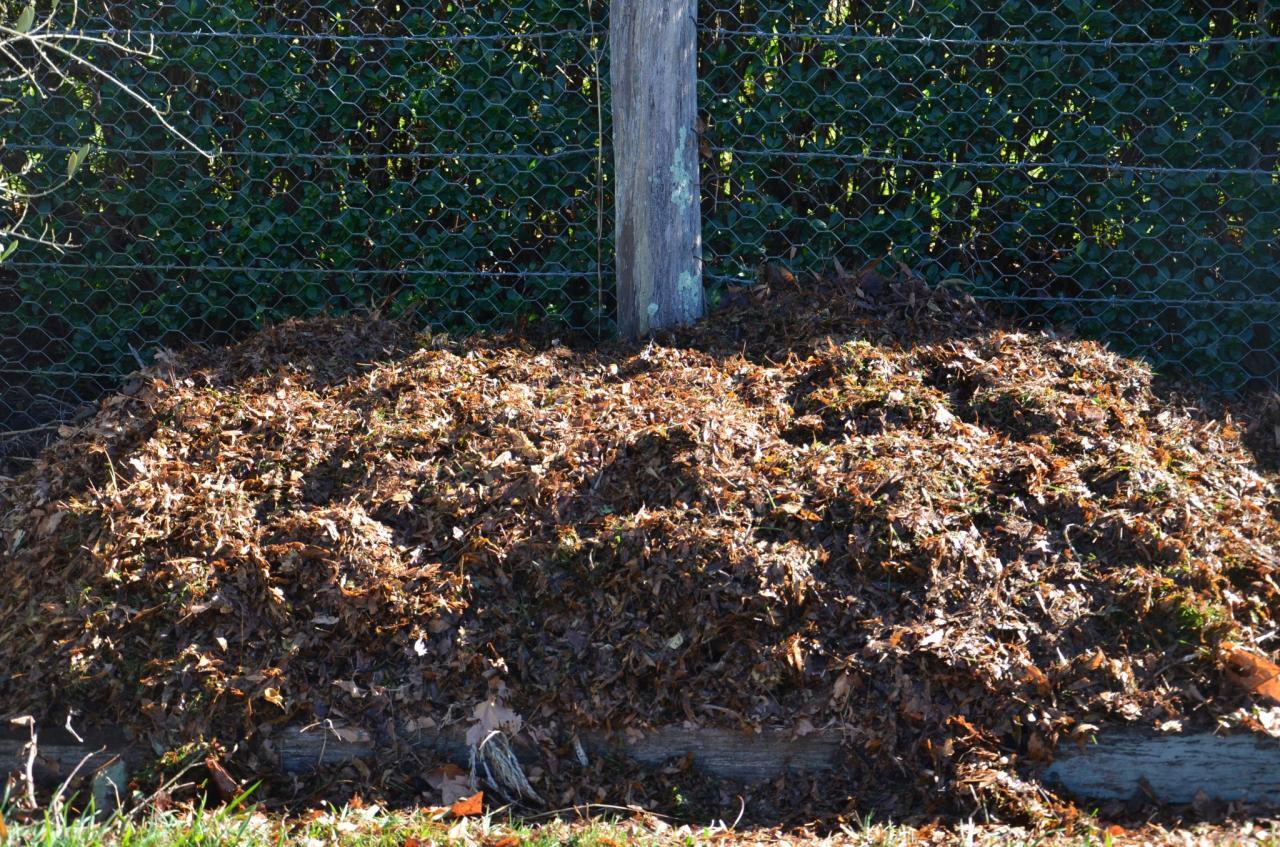
Autumn leaves, often viewed as mere waste, can serve multiple purposes that enhance both aesthetics and functionality in your garden and home. By exploring alternative uses for these fallen treasures, you can contribute to sustainable practices while adding beauty and practicality to your environment.
Landscaping Projects with Leaves
In landscaping, autumn leaves can be utilized in various innovative ways to improve soil health, retain moisture, and enhance visual appeal. Incorporating leaves into your landscape design not only reduces waste but also enriches the surrounding ecosystem.
- Leaf Litter Pathways: Using shredded leaves to create natural walking paths in your garden can provide a rustic charm while suppressing weeds and retaining soil moisture.
- Soil Amendment: Mixing crushed leaves directly into garden beds can improve soil structure and promote beneficial microbial activity, leading to healthier plant growth.
- Decorative Mulch: A layer of colorful leaves can serve as an attractive mulch around flower beds and trees, helping to regulate soil temperature and reduce erosion.
Creating Leaf Mulch and Its Benefits
Leaf mulch is a valuable resource in gardening, offering numerous benefits that support plant health and sustainability. Transforming leaves into mulch can be a straightforward process with a high payoff.To create leaf mulch, follow these steps:
1. Collect and Shred Leaves
Gather fallen leaves and shred them using a lawn mower or leaf shredder. This process accelerates decomposition and makes the leaves more manageable.
2. Layering
Spread a 2- to 3-inch layer of shredded leaves around your plants and in garden beds. Ensure that the layer is not too thick to prevent suffocating plants.
3. Watering
Lightly water the mulch to help it settle and begin the decomposition process.The benefits of using leaf mulch include:
- Weed Suppression: A thick layer of mulch inhibits weed growth by blocking sunlight and preventing seed germination.
- Moisture Retention: Leaf mulch helps retain soil moisture, reducing the need for frequent watering.
- Temperature Regulation: It stabilizes soil temperatures, protecting plant roots from extreme heat or cold.
DIY Crafts and Decorations with Leaves
Autumn leaves can serve as a rich source of inspiration for crafting and home décor projects. Utilizing leaves for creative purposes can bring a touch of nature indoors and create unique artistic expressions.Examples of crafts and decorations include:
- Leaf Pressing: Pressing leaves between the pages of a heavy book allows you to preserve their shape and color, which can then be used in framed artwork or greeting cards.
- Decorative Wreaths: Crafting a wreath from dried leaves adds a seasonal touch to your front door, combining various leaf shapes and colors to create a stunning centerpiece.
- Table Centerpieces: Arranging leaves in decorative bowls or using them in table settings adds a natural element to dining experiences, perfect for autumn gatherings.
By exploring these creative uses for autumn leaves, you can not only enrich your landscape and home but also engage in environmentally friendly practices that benefit both the ecosystem and your personal space.
Conclusion
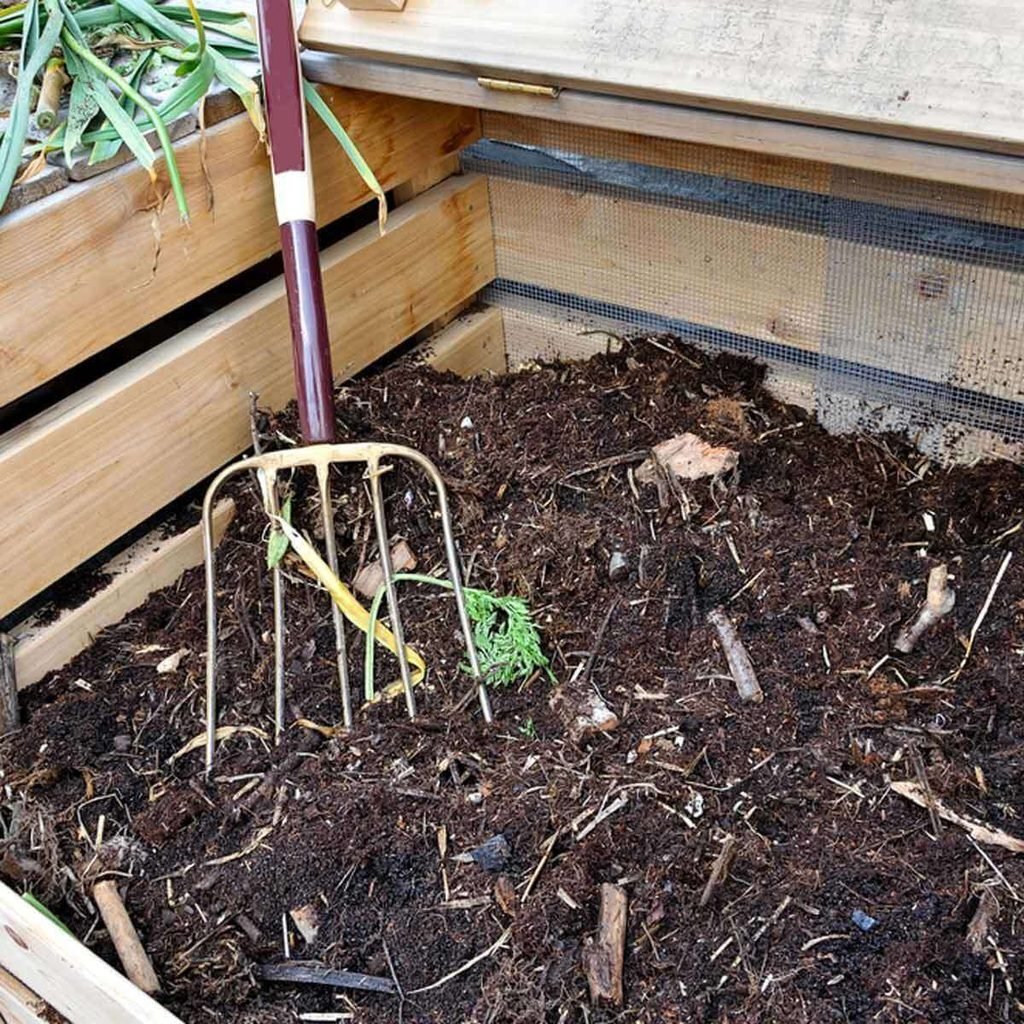
In conclusion, transforming fall leaves into compost is a rewarding endeavor that benefits both your garden and the environment. By understanding the various aspects of composting—from selecting the right leaves to applying finished compost—you can significantly enhance soil health and promote sustainable gardening practices. Embrace the beauty of autumn by utilizing its leaves to enrich your garden, and enjoy the satisfaction of cultivating a vibrant ecosystem right in your backyard.