How to Prepare Your Compost Pile for Spring Planting is essential knowledge for any gardener looking to enhance their spring gardening experience. Composting not only enriches the soil but also promotes sustainable gardening practices that benefit the environment. By understanding the basics of composting, assessing the current state of your compost pile, and preparing it effectively, you can ensure that your garden thrives with robust, healthy plants.
In this guide, we will delve into the key aspects of composting, from the fundamental principles and material selection to the tools required for maintenance and the optimal timing for compost preparation. Whether you are a seasoned gardener or a novice, these insights will equip you with the necessary tools to create a thriving compost pile ready for your spring planting.
Understanding Composting Basics
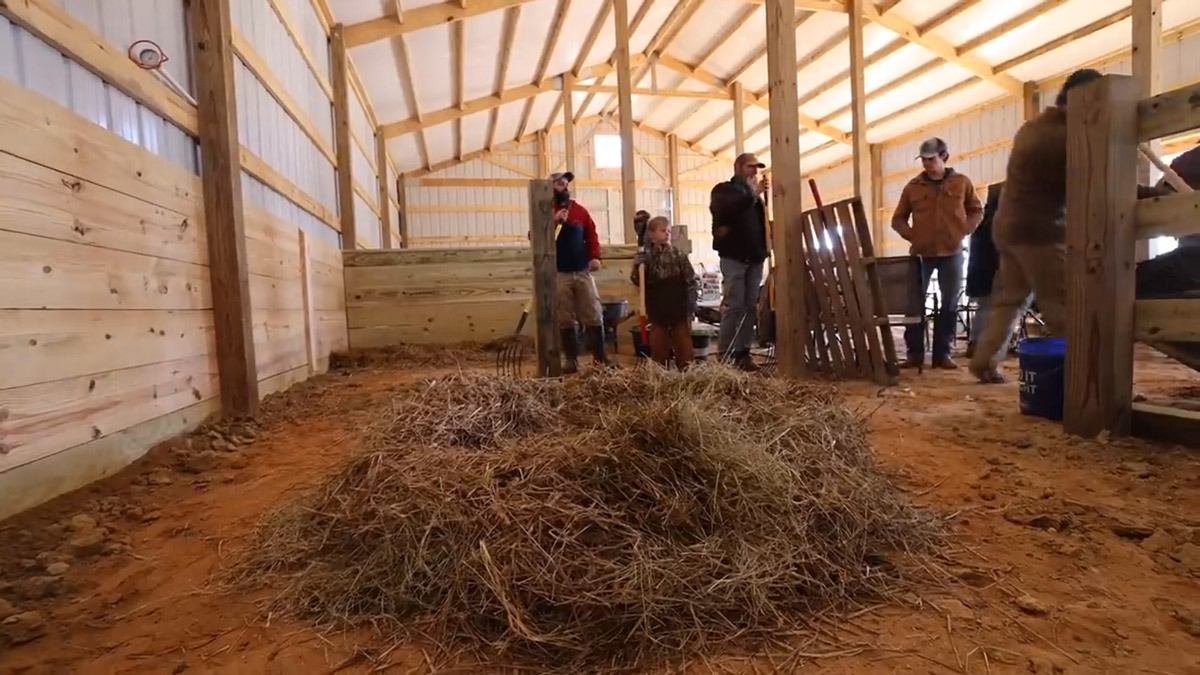
Composting is a natural process that transforms organic waste into nutrient-rich soil amendment, offering numerous benefits for spring gardening. By understanding the fundamentals of composting, gardeners can enhance soil health, improve plant growth, and reduce waste. Proper preparation of a compost pile not only makes for a productive garden but also promotes sustainability by recycling kitchen scraps and yard waste.
The composting process involves the breakdown of organic materials through the action of microorganisms, such as bacteria and fungi, in the presence of oxygen. This aerobic process generates heat, which aids in the decomposition of materials. As compost matures, it develops into dark, crumbly humus that enriches soil through the addition of essential nutrients and improved soil structure. The benefits of composting extend to enhancing moisture retention, suppressing plant diseases, and supporting beneficial soil organisms, all crucial for effective spring planting.
Common Materials for Composting
A variety of organic materials can be composted, each playing a specific role in the composting process. Understanding these materials helps in creating an effective compost pile. Below are common categories of compostable materials:
- Green Materials: These are nitrogen-rich materials that help provide the essential nutrients for microbial activity. Examples include:
- Kitchen scraps (vegetable peels, fruit cores)
- Grass clippings
- Coffee grounds
- Brown Materials: These carbon-rich components serve as a source of energy for microorganisms. They help balance the compost pile’s nitrogen content. Examples include:
- Dried leaves
- Twigs and branches
- Cardboard and paper products
Balancing green and brown materials is crucial for optimal composting. A well-balanced compost pile requires a ratio of approximately 2:1 green materials to brown materials. This balance ensures that the microorganisms have enough nitrogen to thrive while also receiving the necessary carbon for energy.
The ideal compost pile should feel warm to the touch, indicating healthy microbial activity, and should emit a pleasant earthy smell.
Balancing Green and Brown Materials
To maintain the right balance of green and brown materials in your compost pile, it is essential to monitor the inputs carefully. The following practices can help achieve this balance:
- Layering: Alternate layers of green and brown materials as you build your compost pile. This method helps in aerating the pile and promoting even decomposition.
- Shredding: Shredding larger brown materials such as branches or cardboard can speed up decomposition and enable better mixing with green materials.
- Frequent turning: Regularly turning the compost pile aids in aeration and ensures that all materials decompose uniformly. Aim to turn the pile every few weeks to maintain optimal conditions.
Maintaining an ideal balance of materials, along with proper moisture and aeration, ensures a successful composting process that will yield nutrient-rich compost ready for spring planting.
Assessing Your Current Compost Pile
Evaluating the health and maturity of your compost pile is essential for successful spring planting. A well-prepared compost pile not only enriches your soil but also promotes healthy plant growth. By assessing your compost, you can determine its readiness for use and ensure that it has reached optimal conditions for your garden.To effectively assess your compost pile, you should focus on three key factors: the health and maturity of the compost, signs indicating readiness for spring planting, and the measurement of temperature and moisture levels.
Each of these factors plays a crucial role in the overall quality of your compost, which directly impacts its usability.
Techniques for Evaluating Health and Maturity
Understanding the health and maturity of your compost pile involves observing physical characteristics, aroma, and texture. A mature compost should have a dark, crumbly texture, resembling rich soil. The following indicators can help in evaluating the compost:
- Aroma: A pleasant earthy smell indicates healthy decomposition. If the compost has a strong, unpleasant odor, it may be too wet or anaerobic.
- Temperature: A well-functioning compost pile generates heat as microorganisms break down organic matter. Ideal temperatures range from 130°F to 160°F (54°C to 71°C).
- Texture: Mature compost should be granular and crumbly, with little to no recognizable materials like food scraps or leaves.
Signs Indicating Readiness for Spring Planting
Recognizing when your compost is ready for application in your garden is crucial. There are several signs to look for, which include:
- Consistency: The compost should have a uniform consistency, with no large clumps of organic material present.
- Temperature Drop: A significant decrease in temperature, dropping below 100°F (38°C), often indicates that the composting process is complete.
- Decomposition Level: If most of the initial materials have broken down to a fine texture, your compost is likely ready.
Measuring Temperature and Moisture Levels
Monitoring temperature and moisture levels is vital for understanding the composting process. Temperature can be measured using a compost thermometer, which should be inserted into the center of the pile. Regularly checking the temperature informs you about microbial activity:
- Optimal Temperature Range: Maintain temperatures between 130°F to 160°F (54°C to 71°C) for effective decomposition.
- Moisture Content: Compost should feel damp but not saturated. A good rule of thumb is to aim for a moisture level comparable to a wrung-out sponge.
- Testing Moisture: Conduct a squeeze test; if water drips from your compost, it’s too wet, while if it crumbles apart, it may require additional moisture.
“A well-balanced compost pile thrives on the right combination of temperature and moisture, fostering a productive environment for decomposition.”
Preparing the Compost Pile
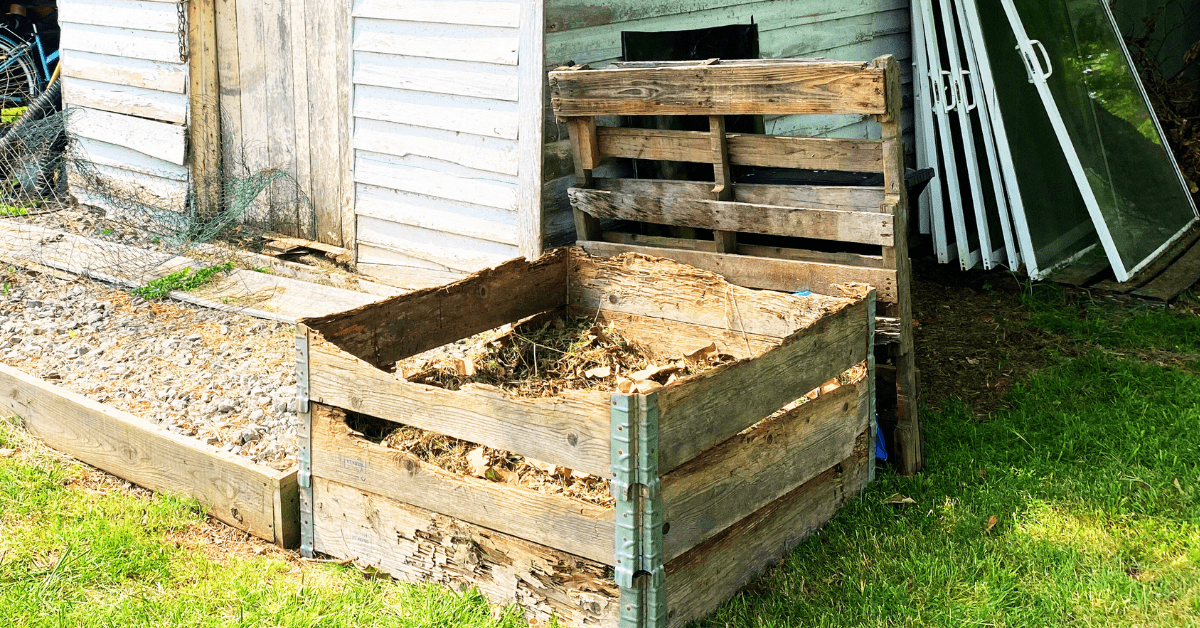
As spring approaches, it is essential to prepare your compost pile to maximize its effectiveness for plant growth. Properly managed compost not only enriches the soil but also fosters healthy plants. This section provides a detailed guide on how to effectively turn and aerate your compost pile, add essential nutrients, and breakdown larger materials for a successful spring planting.
Turning and Aerating the Compost Pile
Aeration is crucial for speeding up the decomposition process and ensuring a balanced microbial environment. Turning your compost pile effectively maintains its temperature, moisture levels, and oxygen supply. Follow these steps to aerate your compost pile:
- Gather your tools: Use a pitchfork or compost aerator to assist in turning the pile.
- Check moisture levels: Before turning, ensure that the compost is damp but not too wet. A moisture level akin to that of a wrung sponge is ideal.
- Begin turning: Insert the pitchfork into the compost pile and lift sections of it to expose the inner layers. Move the outer layers toward the center, where decomposition is typically less active.
- Repeat the process: Turn the pile every few weeks to maintain aeration and promote even decomposition.
- Monitor temperature: Use a compost thermometer to check the internal temperature. Ideally, the center of the pile should reach 130°F to 160°F (54°C to 71°C) to kill pathogens and weed seeds.
Adding Additional Materials and Nutrients for Spring
To optimize your compost for spring planting, enrich it with additional materials that provide necessary nutrients. This will enhance the compost’s fertility and overall quality. Consider the following recommendations when preparing your compost pile:
The ideal compost mixture consists of approximately 30 parts carbon-rich materials (browns) to 1 part nitrogen-rich materials (greens).
- Incorporate nitrogen-rich materials: Add kitchen scraps like fruit and vegetable peels, coffee grounds, and grass clippings to boost nitrogen content.
- Include carbon-rich materials: Shredded leaves, straw, or cardboard can be added to balance the nitrogen and enhance structure.
- Use rock dust: This can add minerals like calcium and magnesium, which are beneficial for plant growth.
- Add aged manure: This is an excellent source of nitrogen and beneficial microbes.
- Consider compost activators: Products containing microorganisms can help speed up the decomposition process.
Breaking Down Larger Compost Materials
Larger compost materials can slow down the decomposition process, so it’s crucial to break them down effectively. Employ the following techniques to enhance the breakdown of these materials:
Chopping or shredding large materials increases surface area, allowing for faster decomposition.
- Chop larger items: Use garden shears or a machete to cut up branches, twigs, and large plant debris into smaller pieces.
- Shred paper and cardboard: A shredder can help break down these materials, making them more manageable within the compost pile.
- Layering technique: When adding large materials, alternate them with smaller, greener materials to help facilitate even breakdown.
- Moisten dry materials: Ensuring that drier substances are adequately moistened will promote microbial activity and enhance decomposition.
- Utilize a compost tumbler: This method allows for easier mixing and turning, which can be particularly effective for breaking down larger items.
Tools and Equipment for Composting
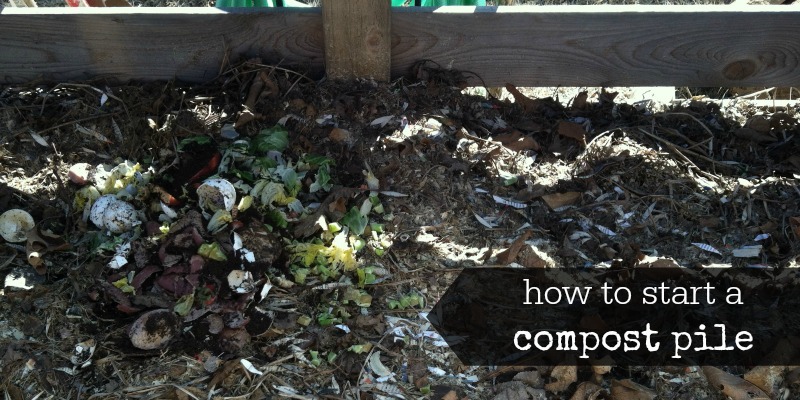
To successfully prepare and maintain a compost pile, having the right tools and equipment is essential. The appropriate gear not only simplifies the composting process but also enhances efficiency and effectiveness, ensuring that the composting material breaks down properly and timely. Below, we will explore the key tools necessary for composting, the advantages of composting bins over traditional piles, and optional equipment that can further aid in the composting endeavor.
Essential Tools for Compost Maintenance
Utilizing specific tools can significantly ease the process of composting. Here is a list of essential tools that are recommended for maintaining and preparing your compost pile:
- Compost Bin: A structure that contains the composting materials, making it easier to manage and maintain.
- Pitchfork or Compost Aerator: A tool used for turning and aerating the compost pile, promoting proper decomposition.
- Shovel: Useful for transferring compost materials in and out of the bin or pile.
- Garden Hoe: Effective for mixing ingredients within the compost pile.
- Thermometer: Helps monitor the internal temperature of the compost to ensure it reaches optimal heat for effective breakdown.
- Gloves: Protects your hands while handling compost materials, especially when dealing with wet or decomposing items.
Benefits of Composting Bins
Composting bins provide a defined space for composting, which has several benefits over traditional piles. The use of bins can lead to a more organized and efficient composting experience. Some of the notable advantages include:
- Space Efficiency: Compost bins can be compactly placed in smaller areas, making them suitable for urban gardening.
- Controlled Conditions: Bins allow for better control of moisture and aeration, which can speed up the decomposition process.
- Pest Prevention: Enclosed bins help keep pests away from composting materials, reducing the risk of infestations.
- Reduced Odor: Properly designed bins can minimize odors that may arise from composting, making it more pleasant for nearby residents.
- Enhanced Aesthetics: Bins can be more visually appealing than piles, contributing to a tidy garden appearance.
Optional Equipment to Enhance Composting Efficiency
While the essential tools are crucial for basic composting tasks, certain optional equipment can enhance the efficiency and convenience of the process. Some items to consider include:
- Compost Tumbler: A rotating bin that allows for easy mixing and aeration of the compost, accelerating decomposition.
- Shredding Machine: Allows for quick processing of larger organic materials, reducing their size for faster decay.
- Moisture Meter: A device for checking the moisture level of the compost pile, ensuring it remains within the ideal range.
- Compost Tea Brewer: Enables the production of nutrient-rich compost tea, which can be used to fertilize plants.
- Worm Bin: If interested in vermicomposting, a designated bin for worms can produce high-quality compost known as worm castings.
Timing Your Composting Activities
Timing is a critical factor in preparing your compost for spring planting. Understanding when to start your composting activities ensures that your compost is fully matured and ready to enhance the soil when planting season arrives. Effective timing not only maximizes the benefits of composting but also aligns with seasonal weather patterns, which can significantly influence the composting process.Planning a timeline for compost management involves recognizing the different stages of composting and the specific actions required at each stage.
A well-structured timeline allows you to monitor the composting process, ensuring that you achieve optimal conditions for decomposition and nutrient development. Below is a suggested timeline for preparing your compost pile leading up to the planting season.
Composting Timeline Leading to Spring Planting
The following timeline Artikels essential composting activities to undertake, particularly in the months leading up to spring planting. Each phase is crucial for ensuring that your compost reaches a mature state, ready for application in your garden.
- Winter (December – February): Begin by assembling materials for your compost pile. Collect kitchen scraps, yard waste, and other organic materials. Aim to build your compost pile during the warmer days of winter, allowing for some microbial activity.
- Early Spring (March): Turn your compost pile to aerate it and promote decomposition as temperatures rise. Monitor moisture levels, ensuring the pile is damp but not overly wet. This is also the time to add any additional nitrogen-rich materials such as grass clippings or manure.
- Mid to Late Spring (April – Early May): Continue to turn the compost every few weeks. Check the temperature; it should ideally reach between 130°F and 160°F (54°C to 71°C) to kill pathogens and weed seeds. If the pile is cooling, consider adding more green materials to revitalize it.
- Pre-Planting (Late April – Early May): By this stage, your compost should have decomposed significantly and resemble dark, crumbly soil. Test its readiness by checking for an earthy smell and a uniform texture. If ready, it can be incorporated into planting beds or stored in a breathable container for later use.
Monitoring composting progress is especially important in different climates, as seasonal variations can impact decomposition rates.
Seasonal Tips for Monitoring Composting Progress
Understanding how to monitor your compost in various climates can aid in optimizing the composting process. Here are essential considerations based on climate:
- Cold Climates: In colder regions, composting can slow significantly. Insulate your compost pile with straw bales or tarp during winter to maintain heat. You may also consider using a compost bin to retain heat more effectively.
- Temperate Climates: In temperate zones, maintain a balance of green and brown materials to ensure sufficient nitrogen and carbon. Regular turning every few weeks promotes aeration and speed up decomposition.
- Hot Climates: In warmer areas, monitor moisture levels diligently as evaporation can be rapid. Compost piles may heat up quickly; turning the pile can help manage temperature and encourage consistent decomposition.
“Effective timing in composting not only enhances the quality of your compost but also aligns it perfectly with the planting schedule, ensuring your garden thrives.”
Utilizing Finished Compost in Your Garden
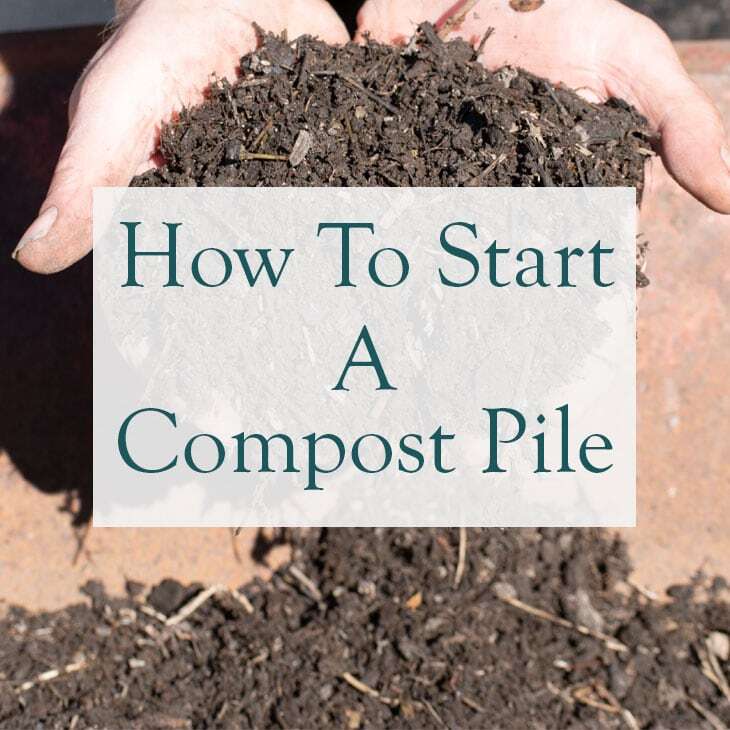
Incorporating finished compost into your garden can significantly enhance soil quality and plant health. As a nutrient-rich amendment, compost helps to improve soil structure, retain moisture, and promote biodiversity by fostering beneficial microorganisms. Understanding the best methods for applying compost ensures that your plants receive the maximum benefit, ultimately leading to a thriving garden.
Incorporation Methods for Garden Beds
Effectively integrating compost into your garden beds is crucial for maximizing its benefits. The method of application can vary depending on the type of plants being cultivated and the specific requirements of your garden.
- Top Dressing: Spreading a layer of compost on the soil surface around your plants, particularly in perennial beds or established gardens, enhances nutrient availability without disturbing the roots. A layer of 1-2 inches is typically sufficient.
- Soil Mixing: For new garden beds or when preparing soil for planting, mixing finished compost into the top 6-12 inches of soil ensures that nutrients are evenly distributed. This method is especially beneficial for vegetable gardens.
- Compost Tea: Brewing compost tea by steeping finished compost in water creates a nutrient-dense liquid that can be applied directly to the soil or as a foliar spray for leafy plants. This method provides immediate nutrient uptake.
- Row Application: When planting rows of crops, banding compost along the planting line provides targeted nutrients directly to the root zone, ideal for vegetable crops such as tomatoes and squash.
Application Techniques for Various Plants
Different plants have specific needs, and applying compost in a tailored manner can optimize growth and yield. Understanding how to apply compost effectively, depending on the plant type, is essential.
- Flowering Plants: For flowering plants, a layer of compost spread around the base can enhance bloom production. It is advisable to avoid direct contact with stems to prevent rot.
- Vegetables: Incorporating compost into the soil prior to planting vegetables can boost germination and growth rates. Deep-rooted vegetables benefit from mixing compost deeper into the soil.
- Herbs: Many herbs thrive in well-drained soil. A shallow top dressing of compost can improve soil fertility without compromising drainage.
- Trees and Shrubs: For young trees and shrubs, dig a hole that includes compost in the backfill when planting. This method supports root establishment and nutrient availability.
Best Practices for Compost as a Soil Amendment
Using compost as a soil amendment requires attention to detail to ensure optimal plant health and growth. Following established best practices can enhance its effectiveness.
- Quality of Compost: Ensure that the compost is fully decomposed, dark, crumbly, and free of unpleasant odors. Mature compost is more beneficial as it contains a balanced nutrient profile.
- Application Timing: Apply compost in the spring before planting or in the fall after harvesting to allow nutrients to integrate into the soil during the off-season.
- Monitoring Soil pH: Before application, test soil pH to ensure it aligns with the needs of your plants. Compost can moderate pH levels, but excessive application may alter them.
- Gradual Introduction: Introduce compost gradually to avoid overwhelming plants with nutrients, particularly in sensitive species. Start with a small amount and increase as plants establish.
Summary
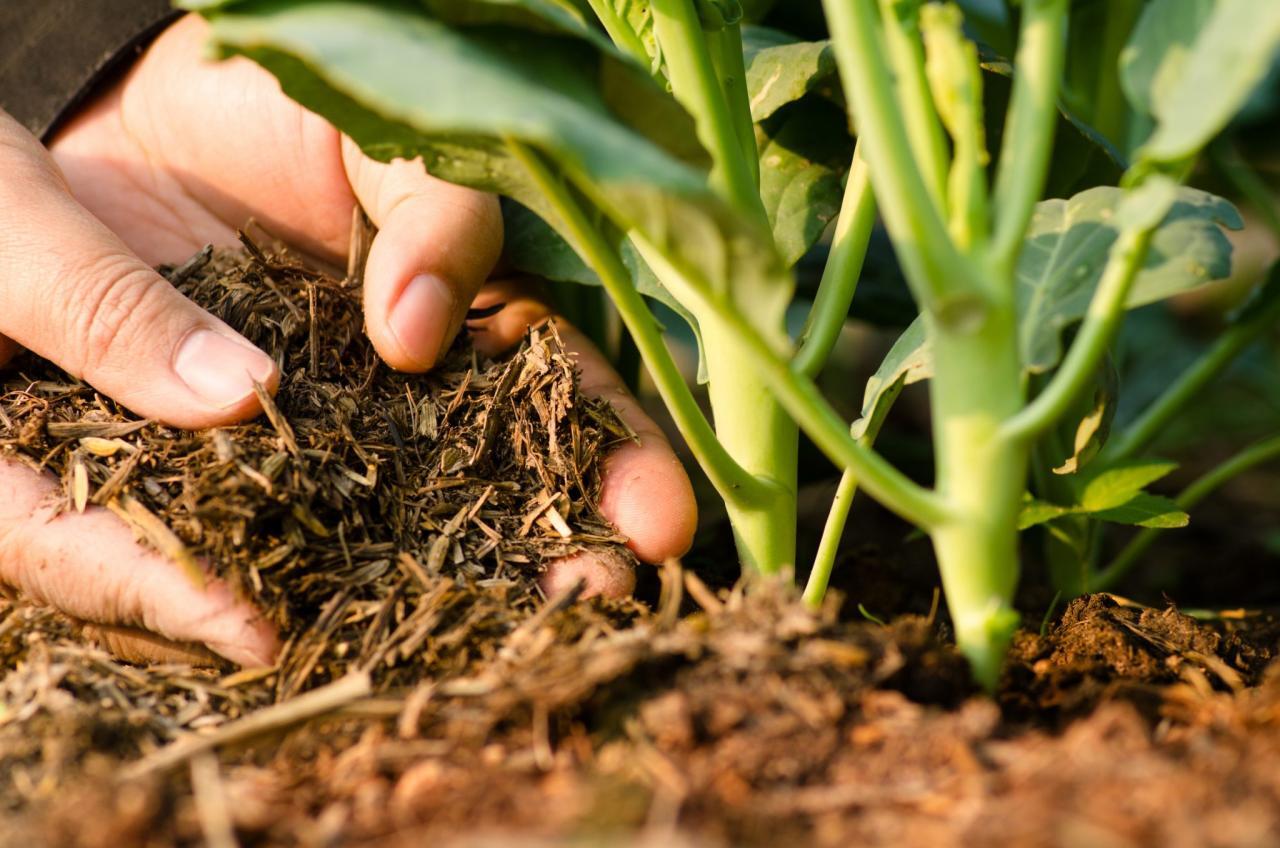
In conclusion, preparing your compost pile for spring planting is a rewarding endeavor that lays the foundation for a fruitful garden. By following the Artikeld steps and understanding the nuances of composting, you will not only enrich your soil but also contribute to a healthier ecosystem. Embrace the joy of gardening by leveraging the power of compost, and watch your plants flourish as a result of your diligent preparations.