Understanding the nuances of compost texture is essential for any gardener aiming to enhance plant health and soil quality. Compost texture plays a pivotal role in determining how well nutrients are absorbed by plants, influencing their overall growth and vitality. By mastering the art of sifting compost, one can significantly improve its quality, making it more suitable for various gardening applications.
In this guide, we will explore the importance of compost texture, the tools required for effective sifting, and various methods to achieve a finer texture. We will also discuss best practices and troubleshooting tips to ensure your compost is optimized for the best results, providing a comprehensive approach to transforming your composting efforts.
Understanding Compost Texture
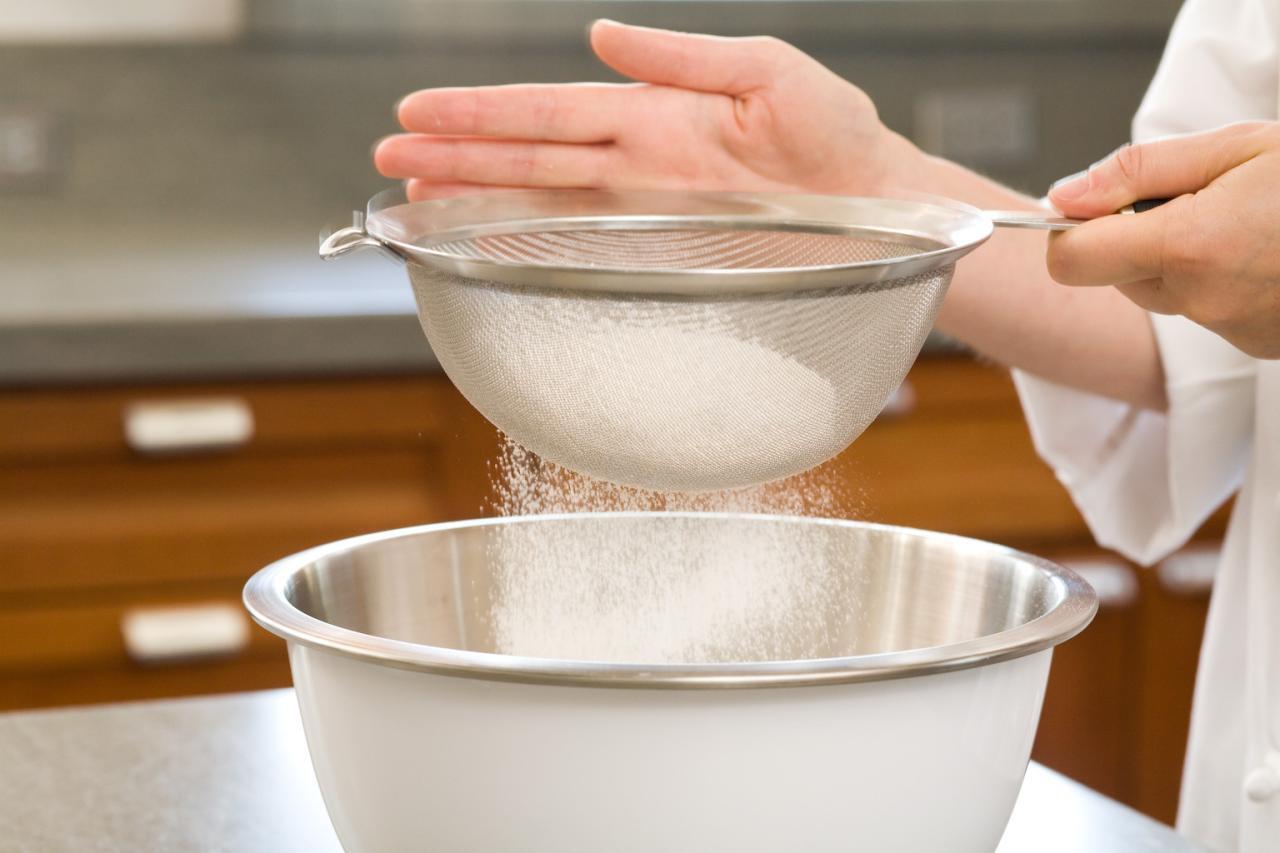
The texture of compost plays a vital role in gardening, influencing soil health, plant growth, and the overall sustainability of gardening practices. A well-textured compost not only enhances nutrient availability for plants but also improves water retention and aeration in the soil. Understanding the factors that contribute to compost texture can empower gardeners to create optimal conditions for their plants.Several factors influence the texture of compost during its decomposition process.
These include the materials used in the compost pile, the moisture levels, the carbon-to-nitrogen (C:N) ratio, and the time spent decomposing. Each of these elements contributes to the breakdown of organic matter, affecting the final texture. The balance between coarse and fine particles is essential; a mixture of different sizes can enhance microbial activity and improve the overall structure of the compost.
Factors Influencing Compost Texture
Understanding the specific factors that contribute to compost texture can help gardeners optimize their composting processes. The following points Artikel these factors:
- Material Selection: The types of organic materials added to the compost can drastically affect its texture. Coarser materials like wood chips or straw contribute to aeration, while finer materials such as kitchen scraps break down more quickly, leading to a smoother texture.
- Moisture Levels: Adequate moisture is essential for microbial activity, which in turn influences the breakdown of compost materials. Too much moisture can lead to anaerobic conditions, resulting in a dense and clumpy texture, while insufficient moisture can slow down decomposition and result in a rough texture.
- Carbon-to-Nitrogen Ratio: The ideal C:N ratio for composting is about 30:1. A balanced ratio aids in efficient decomposition, impacting the texture. High carbon materials (brown materials) contribute to a coarser texture, while high nitrogen materials (green materials) support finer textures.
- Decomposition Time: The length of time compost is allowed to decompose also plays a role in texture. Longer decomposition periods generally yield finer compost as organic materials have more time to break down completely.
The benefits of achieving a fine texture in compost are manifold, particularly for various gardening applications. Fine compost provides a multitude of enhancements to soil structure and plant health. For example, it enhances nutrient availability, promotes better water retention, and facilitates improved root penetration. Additionally, fine-textured compost can be easily incorporated into garden beds, allowing for uniform distribution of nutrients and organic matter throughout the soil.
“A well-textured compost not only supports plant health but also encourages beneficial microbial activity within the soil.”
Tools and Equipment for Sifting Compost
Sifting compost is an essential step in the gardening process, as it helps to create a finer texture that enhances aeration and nutrient availability for plants. To achieve the best results, specific tools and equipment are necessary to facilitate the sifting process effectively. Understanding these tools not only improves the quality of your compost but also makes the sifting task more efficient and enjoyable.An array of tools and equipment can be utilized for sifting compost, ranging from specialized sieves to everyday household items.
Depending on the desired texture and the volume of compost being sifted, different options may be more suitable. Below are some essential tools and various types of screens or sieves available for effective compost sifting.
Essential Tools for Sifting Compost
The effectiveness of compost sifting can be significantly enhanced by using the right tools. Below is a list of primary tools that are essential for sifting compost:
- Compost Sieve: A purpose-built sieve made of mesh material, designed for easy separation of fine compost from larger particles. Available in various sizes and mesh openings.
- Garden Fork: A sturdy garden fork aids in breaking up clumps of compost before sifting, allowing for a more uniform texture.
- Shovel: Useful for transferring compost onto the sieve or screen, making the process more manageable.
- Buckets or Tubs: Essential for collecting sifted compost and separating larger chunks that require further decomposition.
Types of Screens or Sieves for Compost Sifting
The types of screens or sieves available vary in size, material, and mesh type, each serving specific functions in the compost sifting process. Selecting the right type can make a significant difference in the efficiency of compost sifting.
- Mesh Sieve: This type features fine mesh and is ideal for achieving a very fine compost texture. It is especially useful for potting mixes.
- Wooden Frame Sieve: A more robust option made from wood, often fitted with wire mesh. This type can handle larger volumes of compost and is durable for repeated use.
- Plastic Sifter: Lightweight and often less expensive, plastic sifters are easy to clean and suitable for light-duty sifting tasks.
- Rotary Sifter: This mechanized device allows for efficient sifting by rotating compost through various mesh sizes, ideal for larger compost operations.
Repurposable Household Items for Compost Sifting
In addition to specialized tools, numerous household items can be creatively repurposed for compost sifting, reducing costs and promoting sustainability. The following items can be utilized effectively:
- Old Window Screens: These can be cut to size and used as makeshift sifters, providing a suitable mesh for separating compost.
- Colanders: A kitchen colander can serve as a handy tool for small batches of compost, allowing excess material to fall through while retaining finer compost.
- Cardboard Boxes: Cut the bottom out of a cardboard box, attach mesh or screening material, and use it as a simple sifting device.
- Wire Baskets: These can be used in a similar manner as a sieve, allowing compost to fall through while holding larger pieces back.
Utilizing a variety of tools and repurposable items not only enhances the efficiency of compost sifting but also contributes to an environmentally friendly approach to gardening.
Methods for Sifting Compost

Sifting compost is an essential step in the composting process, ensuring that you obtain finely textured material that can be easily used in gardening and landscaping. Various methods for sifting compost can be employed depending on the tools available and the volume of compost being processed. Below, we delve into a step-by-step procedure using a hand-held sieve, provide instructions for constructing a DIY compost sifter, and compare manual sifting techniques with mechanical options.
Step-by-Step Procedure for Sifting Compost Using a Hand-Held Sieve
Utilizing a hand-held sieve is a straightforward method to achieve finer compost texture. The following steps Artikel the process:
1. Select a Sieve
Choose a hand-held sieve with a mesh size appropriate for your desired compost texture. A smaller mesh will yield finer particles.
2. Gather Compost
Collect your compost in a large tub or container to facilitate easy handling during the sifting process.
3. Sift the Compost
With a consistent motion, pour small amounts of compost into the sieve. Shake the sieve gently back and forth, allowing the finer material to fall through while larger chunks remain.
4. Remove Large Particles
After sifting, collect the larger particles left in the sieve. You can return these to the compost pile for further decomposition.
5. Repeat as Necessary
Continue this process until all compost has been sifted to your satisfaction.This method is particularly beneficial for small batches of compost, providing a simple and efficient way to achieve a finer texture.
Building a DIY Compost Sifter
Creating a DIY compost sifter can be a rewarding project that enhances your composting efficiency. The following materials and steps will guide you through constructing a simple and effective compost sifter: Materials Needed:
- Wooden frame (2×4 or similar lumber)
- Wire mesh screen (1/4 inch or finer)
- Hinges
- Screws
- Drill
- Saw
Construction Steps:
1. Construct the Frame
Cut the wooden pieces to create a rectangular frame that suits your desired sifting area. Assemble the frame using screws, ensuring it is sturdy.
2. Attach the Screen
Cut the wire mesh to fit the frame and secure it tightly with screws. This will act as the sifting surface.
3. Add Hinges
Attach hinges to one side of the frame, allowing it to pivot over a collection bin or area where the sifted compost will fall.
4. Finishing Touches
Sand any rough edges and ensure that the frame is stable and easy to handle.This DIY sifter can be placed over a wheelbarrow or a large container to catch the sifted compost, making the process efficient and manageable.
Comparison of Manual Sifting versus Mechanical Sifting Techniques
Understanding the differences between manual and mechanical sifting techniques helps in selecting the right method for your composting needs. Below is a comparative analysis of both techniques: Manual Sifting:
Advantages
Low cost and easily accessible tools.
Greater control over the sifting process, allowing for a careful examination of compost quality.
Ideal for small-scale operations and backyard composting. –
Disadvantages
Labor-intensive and time-consuming, especially for larger quantities of compost.
Physical strain may be a concern for some individuals.
Mechanical Sifting:
Advantages
Significantly reduces the time and effort required for sifting large amounts of compost.
Consistent results with minimal physical exertion. –
Disadvantages
Higher initial investment in equipment or machinery.
Requires maintenance and proper handling to ensure efficiency.
In summary, the choice between manual and mechanical sifting techniques will depend on the volume of compost, available resources, and personal preference regarding labor and cost.
Best Practices for Compost Sifting

Sifting compost is an essential step in the gardening process, allowing for the refinement of material to achieve a finer texture that enhances soil quality. Implementing best practices can optimize the sifting process, ensuring the highest quality compost for your gardening needs.
Optimal Timing for Sifting Compost
The timing of compost sifting plays a crucial role in achieving the desired texture. Sifting should ideally occur when the compost is fully matured, which typically takes about three to six months, depending on the ingredients and conditions. During this period, the compost should have a dark, crumbly texture with a smell akin to rich earth. Sifting too early can result in a mix of undecomposed materials, while waiting too long may lead to over-compaction.
To determine if your compost is ready for sifting, look for the following indicators:
- The compost has a uniform dark brown color.
- Organic materials have broken down into small particles.
- The volume has reduced significantly from the original materials.
Handling and Storing Sifted Compost
Once you have sifted your compost, proper handling and storage are vital to maintaining its quality. Sifted compost can be stored in a variety of ways, allowing for easy access when needed. Consider the following best practices for storage:
- Use breathable containers such as burlap bags or wooden bins to prevent moisture buildup and encourage airflow.
- Store in a cool, dry location away from direct sunlight to maintain nutrient levels.
- Label containers with the date of sifting to ensure freshness and track aging.
By adhering to these guidelines, you can ensure that your sifted compost remains effective for enriching your garden soil.
Monitoring Compost Moisture Levels Before Sifting
Regularly monitoring the moisture levels in your compost pile is essential before sifting. The ideal moisture content should be similar to a damp sponge—moist but not saturated. Excess moisture can lead to clumping, making the sifting process more difficult and less effective.To check the moisture levels:
- Take a handful of compost and squeeze it. If water drips from your hand, it is too wet.
- If it falls apart easily when you open your hand, it is too dry.
- Appropriate moisture will hold together without excess water dripping out.
Maintaining optimal moisture levels is critical to ensure that the compost can easily be sifted and provides maximum benefit to your plants.
Troubleshooting Common Issues
During the compost sifting process, various challenges may arise that hinder the achievement of the desired compost texture. Identifying these common issues and applying effective solutions is crucial for ensuring high-quality compost. By addressing these problems promptly, you can enhance the efficiency of your compost sifting efforts.
Addressing Clumps and Large Particles
Clumps and large particles are among the most frequent obstacles encountered when sifting compost. These issues can result from insufficient decomposition or improper mixing of materials. It is essential to tackle these problems to achieve a finer texture in your compost. Below are effective strategies to address clumps and large particles in compost:
- Ensure Proper Aeration: Regularly turn your compost pile to provide adequate aeration, promoting even decomposition and preventing clumping.
- Moisten Dry Ingredients: If the compost is too dry, light misting can help break apart clumps and encourage decomposition.
- Break Up Clumps Manually: Use your hands or a garden fork to break apart larger clumps before sifting, ensuring that they can pass through the screen.
- Use a Larger Screen: For particularly stubborn clumps, consider using a larger screen first to remove the bulk of the particles before refining further with a finer screen.
Refining Compost Texture After Sifting
If the desired compost texture is not achieved after the initial sifting, further refinement may be necessary. This can be due to the presence of residual large particles or a lack of homogeneity in the compost. Here are several methods to enhance the texture of your compost further:
- Re-Sift the Compost: If large particles remain, pass the compost through a finer screen again. This will help separate out any remaining coarse materials.
- Add Additional Ingredients: Incorporating small amounts of hastening agents, such as finely shredded leaves or grass clippings, can aid in achieving a finer texture.
- Mix Thoroughly: Ensure thorough mixing of the components within the compost to achieve a more uniform consistency before the next sifting.
- Adjust Moisture Levels: If the compost appears too dry or too wet, adjusting moisture levels will facilitate decomposition and enhance the texture.
Effective troubleshooting during the compost sifting process not only improves the texture but also enhances the overall quality of your compost.
Incorporating Sifted Compost into Gardening

Integrating sifted compost into your gardening practices can significantly enhance soil quality and plant health. The fine texture of sifted compost allows for better mixing with soil, promoting aeration and moisture retention while ensuring that nutrients are readily available to plants. It is essential to understand the best practices for incorporating this valuable resource into your garden to maximize its benefits.The incorporation of sifted compost can be done effectively through various methods, ensuring that both soil structure and nutrient availability are improved.
Incorporating sifted compost not only nourishes plants but also contributes to the overall health of the garden ecosystem.
Guidelines for Integrating Sifted Compost
When adding sifted compost to your garden, following certain guidelines can ensure optimal results. These practices focus on timing, quantity, and method of incorporation, which play a crucial role in enhancing plant growth.
- Mix into Soil: Blend sifted compost thoroughly into the top 6-12 inches of existing soil. This depth allows for better root penetration and nutrient access.
- Top Dressing: Apply a layer of sifted compost on the soil surface around plants. This method helps in moisture retention and weed suppression, while also slowly adding nutrients as it breaks down.
- Incorporating During Planting: Add sifted compost to planting holes when transplanting seedlings or direct sowing seeds. This gives young plants immediate access to nutrients.
- Use in Raised Beds: When filling raised garden beds, mix sifted compost with other soil amendments to create a nutrient-rich growing medium.
Plants and Crops Benefiting from Fine-Textured Compost
Certain plants thrive exceptionally well when sifted compost is incorporated into their growing environment. The fine texture aids in the quick availability of nutrients and improves soil aeration, making it ideal for a variety of crops.
- Leafy Greens: Plants such as spinach, lettuce, and kale benefit greatly from the nutrient-rich environment created by sifted compost. Their shallow root systems thrive with improved soil texture.
- Root Vegetables: Carrots, beets, and radishes develop better with sifted compost, as it helps create loose soil for optimal root expansion.
- Flowering Plants: Annuals and perennials like marigolds and zinnias show enhanced growth and flowering when enriched with sifted compost.
- Fruit-bearing Plants: Tomatoes, peppers, and strawberries yield more fruit when planted in soil amended with sifted compost, due to improved nutrient availability.
Impacts of Sifted Compost on Soil Structure and Nutrient Availability
Integrating sifted compost into the garden has significant implications for soil health. It positively affects both soil structure and the availability of nutrients, leading to a thriving garden ecosystem.The inclusion of sifted compost can lead to the development of a more granular soil structure, which enhances aeration and drainage. This structural improvement encourages the proliferation of beneficial microorganisms that contribute to nutrient cycling.
“The mesh-like structure of sifted compost allows roots to penetrate easily while facilitating water retention, crucial for plant growth.”
Furthermore, sifted compost is rich in organic matter, which helps in increasing the cation exchange capacity (CEC) of soil. This means that vital nutrients such as nitrogen, phosphorus, and potassium are held more effectively in the soil, making them available to plants over time.As you incorporate sifted compost into your gardening efforts, the benefits become evident in the health and vitality of your plants, enhancing not only growth but the overall biodiversity of your garden.
Final Review
In summary, sifting your compost is not merely a task but a vital practice that can lead to healthier plants and flourishing gardens. By understanding the importance of compost texture and employing effective sifting techniques, you can optimize your compost for enhanced nutrient availability and soil structure. This process not only refines your compost but also enriches your gardening experience, bringing you closer to the joys of successful cultivation.