How to Solve the Problem of a Compost Pile That Won’t Heat Up is a vital consideration for gardeners seeking to harness the full potential of composting. Understanding the intricate balance of ingredients and conditions that contribute to a thriving compost pile is crucial for successful gardening. This guide aims to illuminate the various factors influencing compost heat generation and provide actionable solutions to ensure your compost pile reaches the ideal temperature.
Composting is not only an eco-friendly practice but also enriches the soil, promoting healthy plant growth. By delving into the essential components of composting, such as the role of microorganisms and the significance of moisture levels, we can better comprehend why some piles fail to heat up and how to rectify this issue effectively.
Understanding Composting Basics
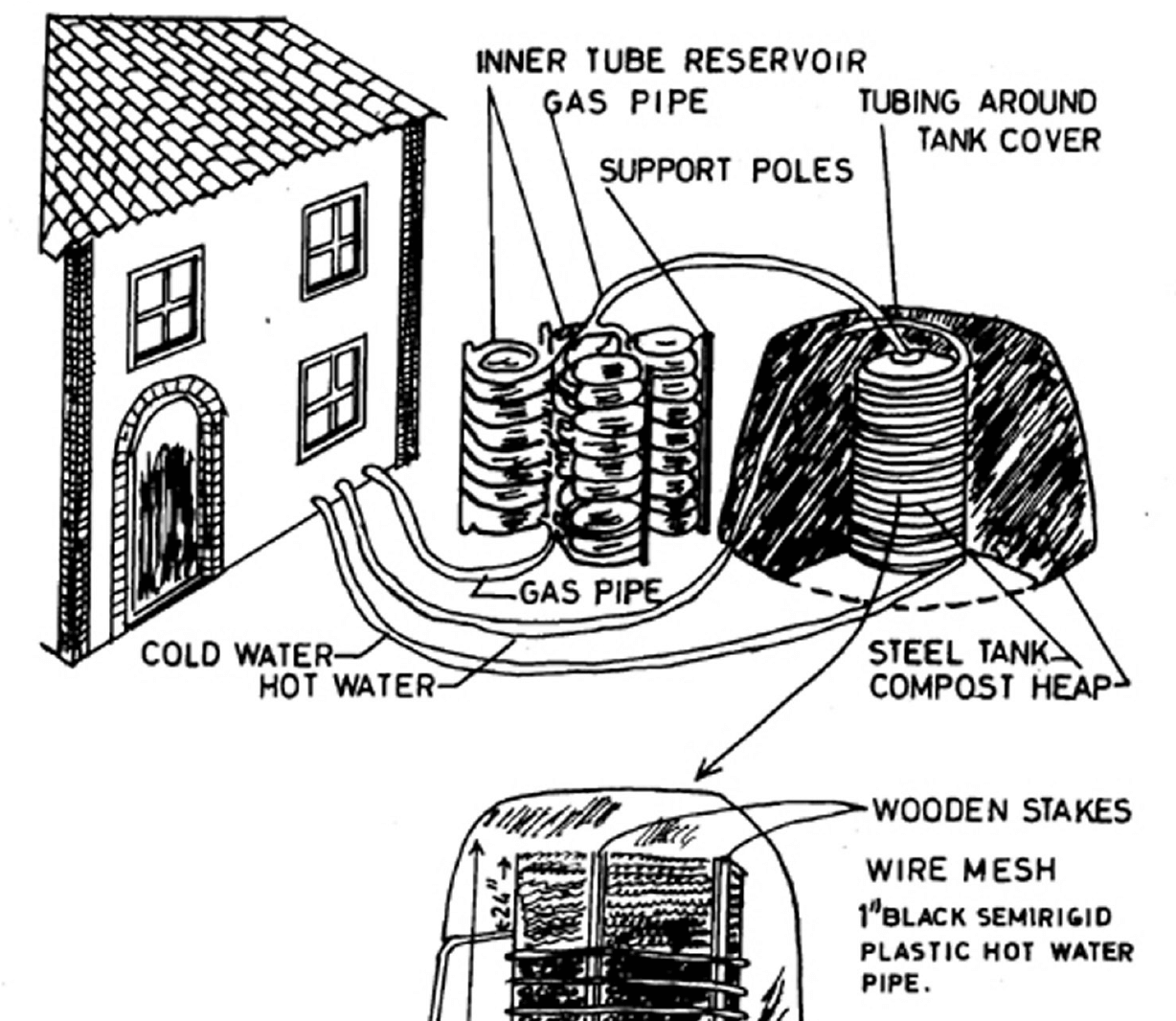
Composting is a natural process that transforms organic waste into a valuable resource for gardening and agriculture. By understanding the fundamentals of composting, gardeners can effectively recycle kitchen scraps and yard waste, reducing landfill contributions while enhancing soil health. This process not only benefits the environment but also supports sustainable gardening practices.The composting process involves the decomposition of organic materials by various microorganisms, which break down complex organic matter into simpler substances.
This transformation results in nutrient-rich compost that can improve soil structure, enhance moisture retention, and provide essential nutrients to plants. The effectiveness of composting relies on a balanced mixture of key ingredients, proper management of moisture, aeration, and temperature, all of which facilitate the growth and activity of microorganisms responsible for decomposition.
Key Ingredients for a Successful Compost Pile
The success of a compost pile is significantly influenced by the careful selection of its ingredients. A well-balanced compost pile typically consists of carbon-rich materials (browns) and nitrogen-rich materials (greens). Understanding the roles of these components is crucial for effective composting.Key ingredients include:
- Carbon-rich materials (Browns): These include dried leaves, straw, wood chips, and paper products. Carbon provides energy for microorganisms and helps absorb excess moisture.
- Nitrogen-rich materials (Greens): Examples are fresh grass clippings, vegetable scraps, and coffee grounds. Nitrogen is essential for microorganism growth and speeds up the decomposition process.
- Water: Adequate moisture levels are necessary to maintain microbial activity. A compost pile should be moist but not soggy.
- Air: Aeration is vital for aerobic microorganisms. Regular turning of the pile ensures sufficient oxygen is available, preventing unpleasant odors and promoting efficient decomposition.
- Microbial life: The presence of beneficial microorganisms, including bacteria and fungi, is crucial as they initiate and sustain the decomposition process.
“A successful compost pile is a harmonious blend of carbon and nitrogen that promotes microbial activity and leads to the creation of nutrient-rich compost.”
Role of Microorganisms in Decomposition
Microorganisms play a pivotal role in the composting process by breaking down organic matter into simpler compounds. This biological activity is essential for converting organic waste into compost, which enriches the soil with nutrients.The decomposition process is primarily carried out by:
- Bacteria: These microorganisms are the first to arrive at the compost pile and are critical in breaking down proteins and sugars. They thrive in warm, moist conditions and multiply rapidly, generating heat that accelerates decomposition.
- Fungi: Fungi, including molds and yeasts, break down tougher materials such as cellulose and lignin found in plant cells. They are particularly important for the breakdown of woody materials.
- Other organisms: Earthworms, insects, and other soil organisms contribute to the decomposition process by aerating the pile and breaking down material into finer particles, making it more accessible for microorganisms.
The efficiency and speed of decomposition depend on factors such as temperature, moisture, and the carbon-to-nitrogen ratio. Maintaining optimal conditions encourages a diverse microbial community, leading to a more effective composting process.
Reasons for a Cold Compost Pile
A compost pile that fails to reach the desired temperature can be frustrating for gardeners and compost enthusiasts. Understanding the underlying factors that contribute to a cold compost pile is essential for effective composting. Several specific reasons can hinder the heating process, and addressing these issues may lead to a more productive composting experience.One of the primary reasons for a compost pile not heating up is inadequate moisture.
Composting microorganisms require a balanced moisture level to thrive and effectively break down organic matter. When the pile is too dry, these microorganisms become inactive, and the decomposition process slows significantly. Conversely, if the pile is too wet, it can become anaerobic, creating a lack of oxygen that stifles the heat-generating bacteria. A properly balanced moisture level is crucial, with the ideal range typically being around 40-60% moisture content.
Impact of Insufficient Nitrogen and Carbon Content
The carbon-to-nitrogen (C:N) ratio in a compost pile plays a vital role in its ability to heat up. A well-balanced ratio generally falls between 25:1 and 30:1. When the ratio skews too heavily toward carbon, such as when using excessive brown materials like dried leaves or straw, it can lead to insufficient nitrogen. As nitrogen is essential for microbial growth, an imbalance can inhibit the heat production process.It is important to acknowledge the following points regarding carbon and nitrogen content:
- High Carbon Content: A compost pile rich in carbon but low in nitrogen will decompose slowly and may not heat up effectively. This condition results in a pile that lacks the necessary fuel for microbial activity.
- High Nitrogen Content: On the other hand, a pile that is too rich in nitrogen can lead to a rapid breakdown of materials but may produce an overpowering odor and attract pests.
- Balancing the Ratio: To achieve a successful compost pile, it is crucial to integrate a mix of both brown (carbon-rich) and green (nitrogen-rich) materials. Examples of green materials include kitchen scraps, grass clippings, and fresh plant material, while brown materials comprise dried leaves, wood chips, and cardboard.
“An optimal carbon-to-nitrogen ratio is the key to creating a hot compost pile and achieving efficient decomposition.”
Maintaining the right balance of carbon and nitrogen, along with appropriate moisture levels, will enhance microbial activity and ensure that the compost pile reaches optimal temperatures for effective decomposition.
Methods to Increase Heat in the Compost Pile
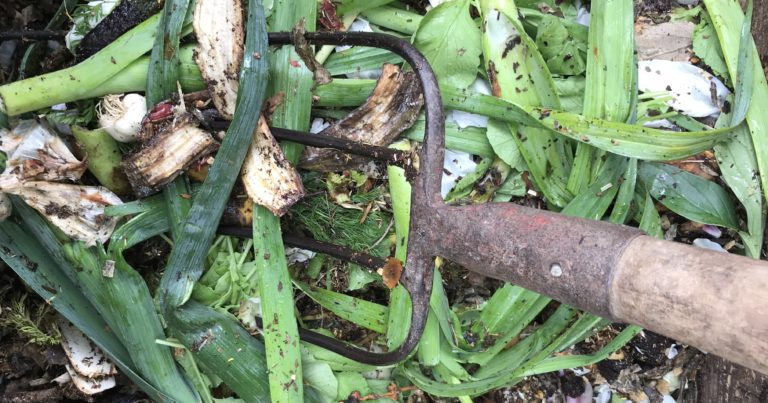
Creating a compost pile that effectively generates heat is essential for accelerating the decomposition process and producing nutrient-rich compost. By implementing specific methods, composters can ensure their piles maintain the right conditions for optimal microbial activity, which is crucial for achieving the desired temperature. This section Artikels key strategies to enhance heat production in your compost pile.
Balancing Carbon to Nitrogen Ratio
Achieving the appropriate balance between carbon-rich materials (browns) and nitrogen-rich materials (greens) is fundamental for generating heat in a compost pile. The ideal carbon to nitrogen (C:N) ratio is generally around 25 to 30 parts carbon to 1 part nitrogen. Adjusting this ratio involves careful selection and combination of compost materials.To effectively balance the C:N ratio, consider the following steps:
- Assess available materials: Identify what browns and greens are at your disposal. Browns include dry leaves, straw, and wood chips, while greens consist of kitchen scraps, grass clippings, and manure.
- Measure and mix: Use a ratio of approximately 3 parts browns to 1 part greens by volume. This proportion will help maintain the necessary balance for microbial activity.
- Monitor and adjust: If the compost pile appears to be too dry and not heating up, add more greens. Conversely, if the pile is too wet or smells unpleasant, incorporate additional browns.
Maintaining the correct C:N ratio is the backbone of an active compost pile and directly influences the temperature achieved.
Aeration Through Turning the Compost Pile
Aeration is critical in facilitating the decomposition process within a compost pile. Regularly turning the pile introduces oxygen, which is essential for aerobic microorganisms that break down organic matter and generate heat effectively. The benefits of turning the compost pile include:
- Increased oxygenation: Turning the pile enhances airflow, allowing beneficial bacteria to thrive, thereby increasing the internal temperature.
- Even decomposition: Regular turning redistributes materials and prevents anaerobic conditions that can lead to foul odors and slow down the composting process.
- Temperature regulation: By mixing the materials, you can ensure that the heat generated is distributed evenly throughout the pile.
Turning the compost pile every few weeks is recommended, allowing sufficient time for the materials to decompose while also promoting optimal heating.
Importance of Particle Size in Compost Materials
The size of the materials used in a compost pile significantly affects the rate of decomposition and the resulting heat generation. Smaller particle sizes help create more surface area for microbial activity, leading to higher temperatures.To promote effective heating through proper particle size, consider the following points:
- Chop or shred materials: Breaking down larger pieces of organic matter into smaller fragments accelerates decomposition.
- Mix various sizes: Incorporate a mix of particle sizes—smaller particles decompose faster, while larger pieces can help maintain airflow.
- Regularly monitor: Observe the breakdown of materials and adjust particle sizes accordingly, ensuring a balance that maximizes heat generation.
Optimizing the particle size in your compost materials is a straightforward yet impactful method for enhancing the overall effectiveness of the composting process.
Monitoring and Adjusting Temperature
Effective management of a compost pile hinges on the ability to monitor and adjust its temperature. By doing so, one can ensure that the microbial processes that break down organic matter are functioning optimally. Understanding how to utilize a compost thermometer, maintain proper moisture levels, and aerate the pile based on temperature readings is essential for successful composting.
Using a Compost Thermometer Effectively
A compost thermometer is a vital tool for determining the internal temperature of the compost pile. The proper use of this thermometer can significantly enhance the composting process. It typically features a long probe that can be inserted into the pile, allowing for accurate readings of the core temperature.
The following steps Artikel effective usage:
- Insert the thermometer probe into the center of the compost pile, aiming for a depth of at least 12 inches.
- Ensure that the thermometer is positioned away from any edges or surfaces to avoid skewed readings.
- Leave the thermometer in place for a few minutes to allow it to register the temperature accurately.
- Record the temperature, noting any fluctuations over time to spot trends.
Regular monitoring with a compost thermometer helps in assessing whether the pile is heating adequately, which is crucial for maintaining microbial activity.
Checklist for Monitoring Moisture and Aeration Levels
Maintaining the right moisture and aeration levels is equally important in ensuring an efficient composting process. Both factors play a vital role in the microbial breakdown of organic materials. The following checklist can be utilized to regularly assess these parameters:
The checklist includes:
- Check the moisture content by grabbing a handful of compost; it should feel like a damp sponge but not drip water.
- Look for signs of excess moisture, such as a sour smell or slimy texture, indicating the need for additional carbon-rich materials.
- Assess aeration by visually inspecting the pile for compaction and by turning the compost every few weeks to introduce air.
- Monitor the presence of insects; beneficial organisms indicate proper conditions, while an overabundance may signal issues.
Consistent monitoring of moisture and aeration ensures that the compost remains active and effective.
Adjusting the Compost Pile Based on Temperature Readings
Temperature readings can guide necessary adjustments to the compost pile, ensuring it maintains an optimal environment for decomposition. When the temperature is too low, it indicates insufficient microbial activity, while excessively high temperatures may signal overheating and a need for immediate intervention.
Consider the following adjustments based on temperature readings:
- If the temperature is below 130°F (54°C), incorporate more nitrogen-rich materials, such as grass clippings or kitchen scraps, to encourage microbial growth.
- When temperatures exceed 160°F (71°C), turn the pile to enhance aeration and distribute heat evenly, preventing the compost from overheating.
- Adjust the moisture levels accordingly; a dry pile can be moistened with water, while an excessively wet pile requires the addition of dry, carbon-rich materials such as leaves or shredded paper.
- Regularly check the temperature every few days after adjustments to ensure that the changes have had the desired effect.
By actively monitoring and adjusting the compost pile based on temperature readings, one can create optimal conditions for effective composting, ultimately leading to rich, nutrient-dense compost ready for use in gardening and landscaping.
Troubleshooting Persistent Cold Piles
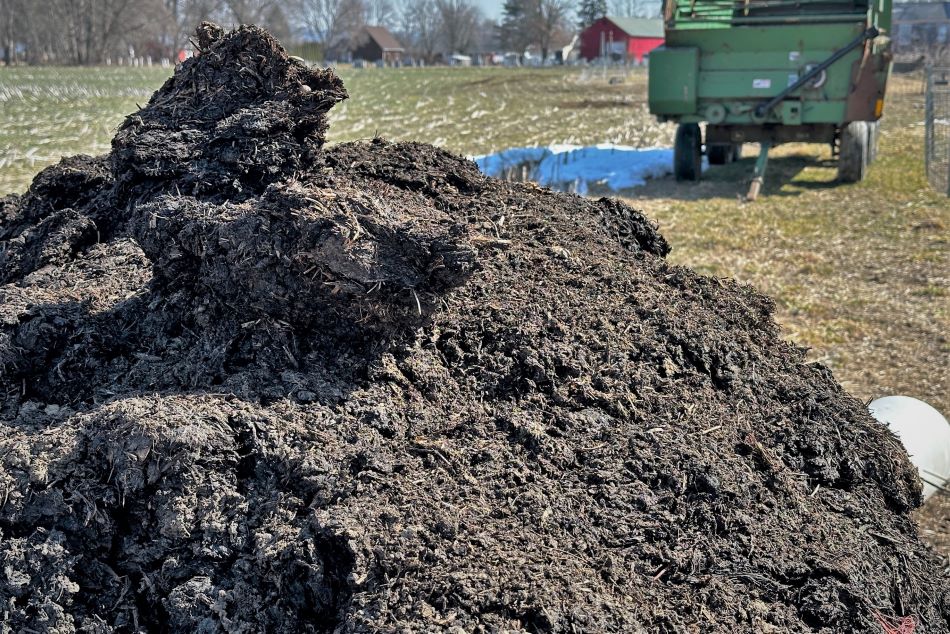
Identifying and resolving issues with a compost pile that remains cold can be critical for effective composting. When a compost pile does not heat up, it can indicate imbalances in materials or conditions that require attention. By employing advanced troubleshooting techniques, composters can enhance microbial activity and achieve optimal temperatures.
Advanced Techniques for Troubleshooting
To effectively address a persistently cold compost pile, several advanced techniques can be utilized. Assessing the pile’s composition and structure is key to troubleshooting. Consider the following strategies:
- Check the Carbon to Nitrogen Ratio: A balanced ratio of carbon (browns) to nitrogen (greens) is essential, ideally around 30:1. If the ratio skews too heavily towards carbon, the compost pile may lack the necessary nitrogen to generate heat.
- Ensure Adequate Aeration: Compacted layers can restrict airflow, vital for aerobic decomposition. Regularly turning the pile promotes oxygen circulation and stimulates microbial activity.
- Evaluate Moisture Levels: The compost pile should be kept moist but not waterlogged. If the pile is too dry, moisture can be added, while excessive wetness can be drained to create optimal conditions.
Incorporating Additional Heat Sources
In some instances, the addition of external heat sources can significantly increase the temperature of a cold compost pile. Manure is an excellent option due to its high nitrogen content and inherent heat-producing properties. The following points highlight the benefits of incorporating manure:
- Types of Manure: Chicken, horse, and cow manure are particularly effective, as they contain high levels of nitrogen that can kickstart the composting process.
- Application Techniques: Spread manure evenly throughout the pile or mix it with other compost materials to enhance the overall temperature.
- Timing of Addition: Adding manure at the beginning of the composting process or during the initial stages can have the most beneficial effects.
Adding Commercial Compost Starters
When compost piles remain cold despite efforts to adjust materials and conditions, the introduction of commercial compost starters may be advisable. These products typically contain a blend of microorganisms that can accelerate the decomposition process.Key considerations for using compost starters include:
- Types of Starters: Many commercial starters are available, including those specifically formulated for various types of composting (e.g., kitchen scraps, yard waste).
- Application Guidelines: Follow manufacturer instructions regarding the quantity to use in relation to the size of the compost pile.
- Benefits: Commercial starters can provide a boost of the necessary microbes, increasing temperatures more quickly than natural processes alone.
Best Practices for Maintaining a Healthy Compost Pile
Maintaining a healthy compost pile is crucial for ensuring effective decomposition and nutrient-rich compost production. Regular attention and proper practices can significantly enhance the efficiency of your composting efforts while preventing common issues. By implementing best practices, gardeners can create an optimal environment for microbial activity and reduce the likelihood of a cold or inactive pile.Ongoing maintenance is essential to keep compost piles active and thriving.
Monitoring moisture levels, aeration, and the balance of green and brown materials are key components of maintaining a healthy compost environment. The following dos and don’ts provide straightforward guidance on successful composting practices.
Dos and Don’ts for Successful Composting
Understanding the fundamental principles of composting will help ensure successful results. The following list Artikels essential practices to follow and common mistakes to avoid:
- Do
- Do
- Do
- Do
- Don’t
- Don’t
- Don’t
- Don’t
- Do
For optimal results, gardeners should also consider the timing and method for introducing compost into their gardens.
Timing and Method for Using Compost in the Garden
Utilizing compost in the garden effectively depends on understanding when it is ready for use. Compost should typically be ready 2 to 6 months after starting the pile, depending on the materials used and the conditions maintained. To determine readiness, look for the following indicators:
- The compost is dark brown, crumbly, and has an earthy aroma, resembling rich soil.
- The original materials are no longer recognizable, having fully decomposed.
When applying the compost, it is advisable to:
- Mix it into the soil several weeks before planting to allow the nutrients to integrate.
- Use it as a top dressing for established plants, enriching the soil without disturbing root systems.
Incorporating these best practices will enhance the overall health and productivity of your composting efforts, providing valuable nutrients to your garden and promoting sustainable gardening practices.
Conclusive Thoughts
In summary, the journey to resolving a cold compost pile is an informative and rewarding endeavor. By implementing the strategies discussed, such as balancing carbon and nitrogen ratios, ensuring proper aeration, and monitoring temperature, gardeners can foster a more active composting environment. Embracing these practices not only enhances your compost but also contributes to a healthier garden ecosystem.